How to Make Hanging Planters: Easy DIY Ideas for Stunning Decor
Do you want to add a fresh, green touch to your space without taking up any floor room? Hanging planters are the perfect way to bring life and color to your home or garden.
They’re easy to make, budget-friendly, and give you a chance to get creative with your plants. In this guide, you’ll discover simple steps to create your own hanging planters that suit your style. Ready to turn your space into a vibrant oasis?
Choosing Materials
Choosing the right materials is key to making strong, beautiful hanging planters. The material affects how your planter looks, lasts, and holds plants. Some materials are natural, giving a classic feel. Others are synthetic, offering durability and color choices. Picking the best one depends on your style and where you will hang the planter.
Natural Vs Synthetic Options
Natural materials include wood, jute, cotton, and clay. These bring warmth and a cozy look. Wood planters are sturdy but need protection from water. Cotton and jute ropes are soft and easy to tie knots. Clay pots are heavy but good for plants that need steady moisture.
Synthetic materials like nylon, plastic, and metal last longer outdoors. Nylon ropes resist weather and hold strong. Plastic pots come in many colors and shapes. Metal hangers are very tough and modern in style. These materials work well in rainy or sunny spots.
Tools You’ll Need
Start with scissors or a sharp knife to cut ropes or fabric. A drill helps make holes in wood or plastic pots. Measuring tape ensures the right length for your hanger. You need sturdy hooks or rings to hang the planter safely. A hot glue gun or strong glue holds pieces together firmly.
Having these tools ready makes the project smooth and fun. They help build a planter that lasts and looks great.
Simple Hanging Planter Designs
Simple hanging planter designs bring life and style to any space. They are easy to create and perfect for small areas. These designs use basic materials and skills. You can make beautiful planters that suit your home or garden.
Macrame Plant Hangers
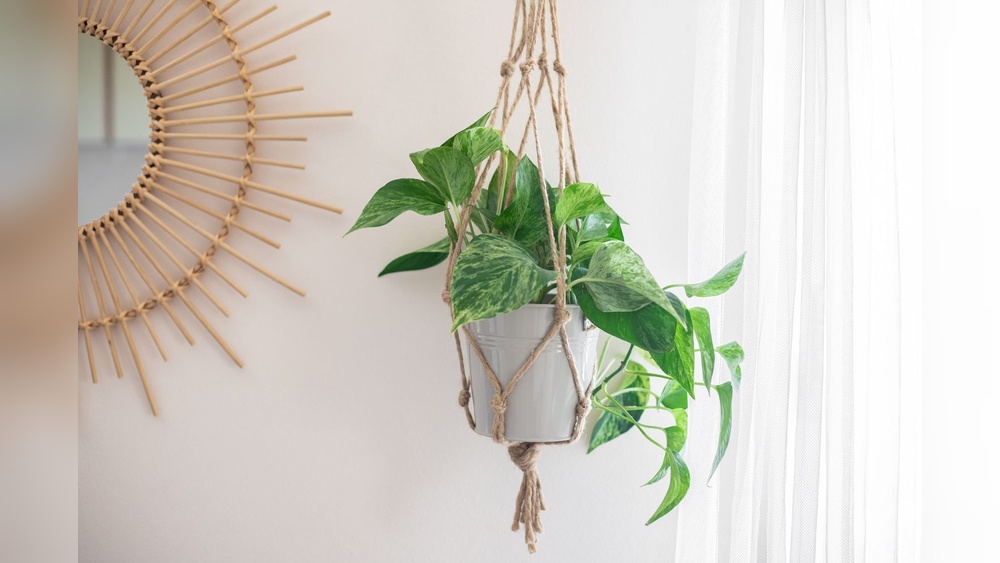
Macrame plant hangers use knotted cords to hold pots. You only need rope and some practice to start. These hangers add a boho look to your space. They are lightweight and hold small to medium pots well. Choose cotton rope for a natural feel.
Recycled Jar Planters
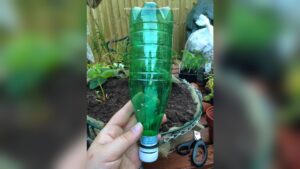
Recycled jar planters turn old jars into plant holders. Clean jars and add soil and plants inside. Use twine or wire to hang the jars securely. This design saves money and helps the environment. It works great with herbs or small flowers.
Wireframe Holders
Wireframe holders use metal or sturdy wire to create a cage for pots. Shape the wire into circles or geometric patterns. These holders give a modern look to your plants. They hold pots firmly and allow good air flow. Wireframe holders suit both indoor and outdoor spaces.
Step-by-step Crafting Process
Creating your own hanging planter is a fun and rewarding project. It brings a fresh touch to any space. Follow this clear, simple process to build a beautiful planter step by step. No special skills needed. Just basic tools and materials.
Measuring And Cutting
Start by measuring the materials for your planter. Use a ruler or tape measure for accuracy. Mark the lengths carefully. Cut the ropes or cords to the right size. Trim the wood or metal pieces if needed. Keep your cuts straight and clean. Precise measuring ensures a balanced and sturdy planter.
Assembling Components
Next, arrange all parts for assembly. Tie the ropes or cords to the planter base. Use knots that hold tight but are easy to adjust. Attach any decorative elements now. Check that all parts fit well together. This step shapes the planter’s structure and style.
Securing And Finishing
Secure all knots and joints firmly. Use glue or tape if extra support is needed. Trim any excess rope ends for a neat look. Test the planter’s strength by gently pulling. Add paint or varnish to protect your planter. Let it dry completely before hanging. Your planter is ready to brighten your space.
Creative Decoration Ideas
Hanging planters add charm to any space. Decorating them creatively makes them stand out. Simple ideas can transform plain planters into art pieces. Use colors, textures, and small details to express style. Let’s explore easy and fun decoration ideas.
Painting Techniques
Painting is a quick way to refresh hanging planters. Use acrylic paints for bright, lasting colors. Try stripes, dots, or geometric shapes for a modern look. Stencils help create neat patterns easily. For a rustic feel, paint then lightly sand edges. Seal with clear varnish to protect your work.
Adding Beads And Charms
Beads and charms bring personality to your planters. Thread colorful beads onto hanging cords for a playful touch. Small charms like leaves or animals add interest. Use hot glue to stick beads or charms on the planter surface. This detail makes each planter unique and eye-catching.
Incorporating Natural Elements
Natural elements blend beautifully with plants. Wrap jute twine or thin vines around the planter. Glue small pine cones, shells, or dried flowers for texture. Use bark pieces or smooth stones to decorate the base. These touches create an organic, earthy look that fits any room.
Best Plants For Hanging Planters
Choosing the right plants makes hanging planters look beautiful and healthy. Plants that fit well in hanging planters can brighten any room or outdoor space. Some plants need little care, while others trail down beautifully or clean the air. Picking the best plants helps your hanging garden thrive and stay attractive.
Low-maintenance Choices
Snake plants and pothos are great for beginners. They need little water and survive in low light. Spider plants also do well with little care. These plants grow slowly and stay green. They save time and keep your space fresh.
Trailing Varieties
String of pearls and ivy add a lovely trailing effect. Their vines hang down and create a soft look. English ivy and philodendron also trail well. These plants fill space and add depth to your planter. Their flow makes any corner more inviting.
Air-purifying Plants
Peace lilies and Boston ferns clean the air around them. They remove toxins and make the air fresher. Aloe vera is also good for air quality. These plants help you breathe easier and feel better indoors. Hanging them boosts your room’s health and style.
Placement Tips For Stunning Decor
Choosing the right spot for your hanging planters can change the whole look of your space. Good placement helps plants grow well and makes your decor stand out. Consider light, space, and style when placing your planters. Small changes in position create big visual effects. Here are some tips for placing hanging planters to enhance your decor.
Indoor Positioning
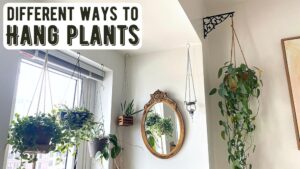
Hang planters near windows for natural light. Avoid spots with direct heat from radiators. Corners and empty wall spaces work great to add greenery. Make sure plants have room to grow. Use hooks or ceiling mounts that support the planter weight safely. Group several planters at different heights for a lively look.
Outdoor Hanging Spots
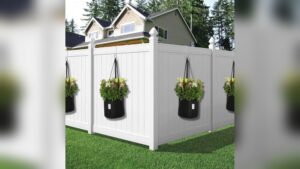
Choose sheltered places to protect plants from strong wind. Porches, patios, and balconies are perfect spots. Avoid areas with too much sun or heavy rain. Place planters where they can be seen from windows or doorways. Use sturdy hooks and chains for safety. Keep enough space between planters for air flow.
Lighting Considerations
Check the light needs of your plants before hanging them. Some plants need bright light, while others prefer shade. Rotate planters regularly for even light exposure. Use grow lights for low-light indoor areas. Avoid dark corners that stunt plant growth. Proper lighting keeps plants healthy and vibrant.
Maintenance And Care
Maintaining hanging planters is key to keeping plants healthy and beautiful. Regular care helps plants grow strong and vibrant. Knowing how to water, clean, and adjust for seasons protects your hanging garden.
Watering Techniques
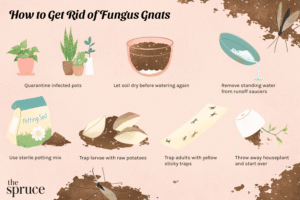
Water plants deeply but not too often. Check the soil with your finger before watering. If the top inch feels dry, it’s time to water. Use a watering can with a narrow spout to reach roots easily. Avoid overwatering as it causes root rot and mold. Make sure excess water drains well to keep roots healthy.
Cleaning Your Planters
Clean planters regularly to prevent dirt buildup and pests. Wipe the outside with a damp cloth to remove dust. Remove dead leaves and old soil from inside. Use mild soap and water for a thorough clean. Rinse well to avoid soap residue. Clean planters help plants breathe and look fresh.
Seasonal Adjustments
Adjust care as seasons change to match plant needs. In warmer months, water more often and check for pests. During colder months, reduce watering and protect plants from frost. Move planters to sheltered spots if needed. Seasonal care keeps plants thriving all year long.

Credit: www.youtube.com
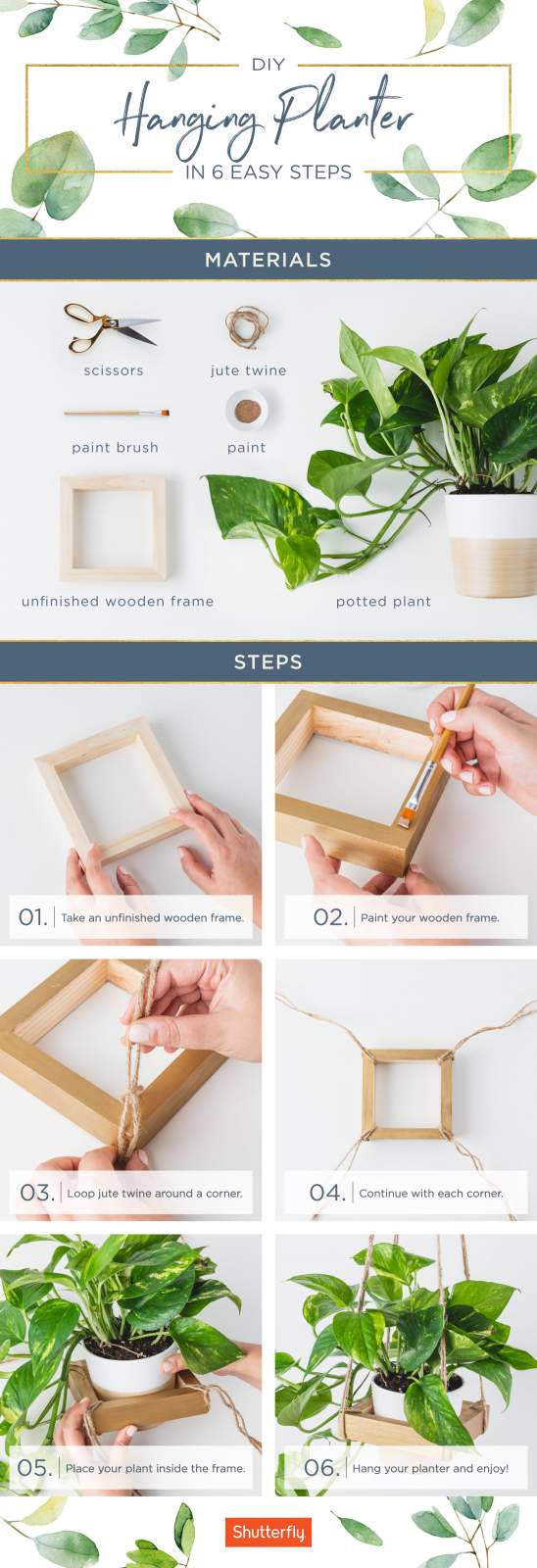
Credit: www.giggleliving.com
Frequently Asked Questions
What Materials Do I Need To Make Hanging Planters?
You need rope or twine, a pot or container, scissors, and a hook or ceiling anchor.
How Do I Choose The Right Pot For Hanging Planters?
Select lightweight pots with drainage holes for healthy plants and easy hanging.
Can I Use Recycled Items For Diy Hanging Planters?
Yes, old jars, cans, or bottles work well and are eco-friendly options.
How Do I Hang Planters Safely Indoors?
Use strong hooks anchored into ceiling studs or wall studs for secure support.
What Plants Grow Best In Hanging Planters?
Trailing plants like pothos, spider plants, and ferns thrive in hanging planters.
Conclusion
Creating hanging planters brings life and style to any space. It’s a simple way to add green without taking up floor space. Follow the steps carefully and enjoy your new decor. Choose the right materials and plants for best results.
Hanging planters fit both small and large areas easily. Try making one today and see how it changes your room. Small changes make a big difference in your home. Keep experimenting and have fun with your plant projects.