How to Know If You Re Over Watering Plants
Are your plants looking droopy, yellow, or just not thriving like they used to? You might be surprised, but too much water could be the culprit.
Overwatering is one of the most common mistakes plant owners make, and it can quietly damage your plants from the roots up. But how do you know if you’re overwatering your plants? What signs should you watch for before it’s too late?
You’ll discover simple, clear clues that tell you when your plants need less water—and practical tips to save them if you’ve already gone too far. Keep reading, because understanding this will help your plants stay healthy, vibrant, and growing strong.
Causes Of Overwatering
Overwatering is a common mistake that many plant owners make. It happens when plants receive more water than they need. This excess water can harm the roots and prevent the plant from getting oxygen. Understanding the causes of overwatering helps prevent plant stress and damage.
Common Watering Mistakes
Many people water their plants too often. They may not check if the soil is dry before watering again. Watering on a fixed schedule without considering the plant’s needs can cause overwatering. Overestimating the amount of water required is another problem. Some assume all plants need the same water amount, but each plant is different. Using pots without drainage holes also causes water to build up in the soil.
Soil And Drainage Factors
Soil type greatly affects how water moves and stays in the pot. Heavy soils, like clay, hold water longer and drain poorly. This keeps roots wet and can lead to root rot. Well-draining soil allows excess water to escape, keeping roots healthy. Poor drainage in pots or garden beds traps water around roots. Over time, this creates an unhealthy environment, making plants vulnerable to diseases.
Leaf Symptoms
Leaves provide clear clues about overwatering. They often show stress before other parts of the plant do. Watching your plant’s leaves closely helps catch problems early. Changes in color, texture, or firmness can signal too much water.
Yellowing And Browning Tips
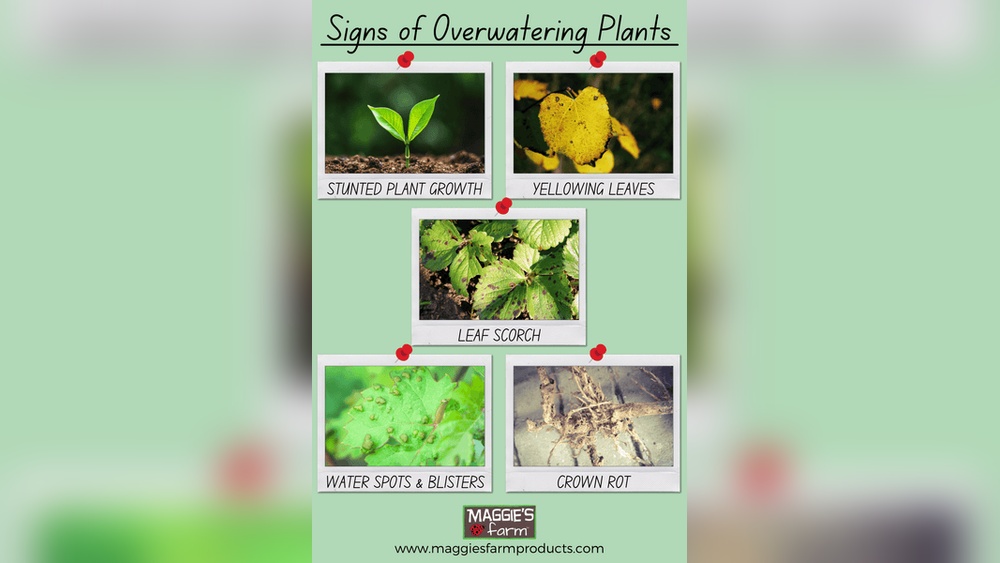
Leaves start turning yellow when roots get too wet. Yellowing usually begins at the leaf base and spreads upward. Browning tips may follow, indicating damage to leaf edges. This happens because excess water blocks oxygen from reaching roots. The plant struggles to take up nutrients, causing discoloration.
Wilting Despite Wet Soil
Wilting leaves often mean underwatering, but not always. If soil feels wet but leaves droop, overwatering is likely the cause. Waterlogged roots can’t absorb water properly. The plant looks thirsty even when soil is moist. This wilting is soft and limp, unlike dry, crispy wilting.
Blisters And Spots
Blisters or raised spots on leaves can occur from too much water. This condition is called edema. It happens when water pressure inside leaf cells grows too high. Cells burst, forming small blisters or water-soaked spots. These spots may look shiny or wet but do not disappear quickly.
Stem And Root Signs
The stem and root areas of your plants reveal clear signs of overwatering. These parts often show damage first because they stay wet the longest. Observing changes here helps catch problems early. Healthy stems and roots keep plants strong and thriving. Wet conditions cause them to weaken and rot.
Mushy And Soft Stems
Stems should feel firm and sturdy. Soft, mushy stems mean cells are breaking down from excess water. The plant cannot support itself, so stems may bend or collapse. This softness often starts near the base of the plant. It signals serious damage below the soil line.
Root Rot Indicators
Roots normally look white or light tan and feel crisp. Dark, slimy roots indicate root rot. Rotten roots lose their ability to absorb water and nutrients. This causes leaves to yellow and drop. Root rot spreads quickly, so removing affected roots helps save the plant.
Foul Soil Odor
Healthy soil smells fresh and earthy. A sour or rotten smell shows excess moisture and decay. This odor comes from harmful bacteria growing in wet soil. It usually means roots are dying and the soil is not draining well. Fixing drainage and watering less can stop the smell.
Soil And Surface Clues
Soil and surface clues provide clear signs of overwatering in plants. Paying attention to these signs helps protect plants from damage. The soil’s condition and surface changes often reveal excess moisture problems early. These clues make it easier to adjust watering habits and improve plant health.
Persistent Wet Soil
Soil that stays wet for days is a major warning. Plants need soil to dry out between waterings. Constantly soggy soil suffocates roots and stops oxygen flow. Roots may start to rot in this wet environment. Check soil moisture by touching or using a moisture meter. If it feels damp or muddy after several days, reduce watering.
Mold And Fungal Growth
Mold or fuzzy patches on soil surface show too much moisture. This growth thrives in wet, poorly drained soil. Mold can harm plant roots and block nutrients. Watch for white, green, or gray fuzzy spots on soil or pot edges. Fungus often smells musty or sour. Remove mold carefully and cut back watering to prevent return.
Growth And Development Effects
Overwatering affects a plant’s growth and development in clear ways. Too much water can harm roots, limiting their ability to take in nutrients. This stress slows down the plant’s natural progress. Growth may appear weak or unusual as the plant struggles to survive.
Watching these changes helps you catch overwatering early. Plants show distinct signs through their leaves and overall size. Understanding these effects can save your plants from serious damage.
Stunted Growth
Plants overwatered often stop growing as they should. Roots stay wet and may start to rot, so they cannot support new shoots or leaves. Growth becomes slow or stops completely. New leaves might be smaller or fewer in number. The plant looks smaller than normal for its age or type.
Leaf Drop Patterns
Leaves falling off is common with too much water. Older leaves usually drop first, but sometimes new leaves fall too. This happens because roots cannot supply enough oxygen and nutrients. Leaves may turn yellow or brown before dropping. This leaf loss weakens the plant and signals trouble below the soil.
Rescue Steps For Overwatered Plants
Overwatering plants can harm their health quickly. Acting fast helps save your plants from damage. Follow these rescue steps to revive overwatered plants and restore their vitality.
Improving Drainage
Good drainage prevents water from pooling around roots. Check the pot for drainage holes and clear any blockages. Add materials like perlite or coarse sand to the soil. These improve soil aeration and allow excess water to escape. Avoid heavy or compacted soils that hold too much water.
Adjusting Watering Schedules
Reduce how often you water your plants. Let the soil dry out slightly between watering sessions. Use a moisture meter or stick your finger into the soil to check dampness. Water only when the top inch feels dry. Overwatering often happens from frequent, shallow watering.
Repotting And Root Care
Remove the plant from its pot gently. Inspect the roots for signs of rot: black, mushy, or foul-smelling roots. Trim any damaged roots with clean scissors. Repot the plant in fresh, dry soil and a clean pot. Choose a pot with drainage holes to prevent future overwatering issues.
Prevention Tips
Preventing overwatering starts with good habits and the right tools. Caring for plants means understanding their water needs well. Avoid water stress by following simple, effective prevention tips. These help keep your plants healthy and thriving.
Watering Frequency Guidelines
Water plants only when the top inch of soil feels dry. Most houseplants need watering once a week or less. Adjust frequency based on the season and plant type. Avoid watering on a fixed schedule without checking soil moisture first.
Soil Selection Advice
Choose soil with good drainage to prevent water buildup. Mix sand or perlite into heavy soils to improve aeration. Well-draining soil lets roots breathe and stops water from sitting. Avoid dense, compacted soil that traps moisture around roots.
Using Moisture Meters
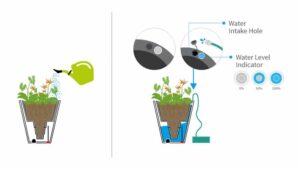
Use a moisture meter to check soil dampness before watering. This tool gives accurate readings and prevents guesswork. Insert the meter probe into the soil near roots for best results. Moisture meters help avoid overwatering by showing real soil conditions.

Credit: www.familyhandyman.com

Credit: www.acfgreenhouses.com
Frequently Asked Questions
How Do I Know If I Am Over Watering My Plant?
Check for yellow, limp, or wilting leaves despite wet soil. Look for mushy stems, leaf blisters, mold, or foul soil odor. Root rot causes black, soft roots. These signs indicate overwatering.
What Do Plants Look Like If They Are Overwatered?
Overwatered plants have yellow, limp, and wilting leaves despite wet soil. Stems feel mushy, and leaves may show blisters or spots. Soil often has mold or a foul odor. Root rot causes black, mushy roots and a damp smell. Leaves may drop prematurely.
Do Plants Recover From Overwatering?
Plants can recover from overwatering if you stop watering and improve drainage quickly. Remove damaged roots and leaves. Allow soil to dry before watering again. Recovery depends on how severe the root damage is. Prompt care increases chances of saving the plant.
How Can I Tell If My Plant Is Overwatered?
Look for yellow, limp leaves, soggy soil, and soft stems. These signs show too much water.
Conclusion
Overwatering plants can harm their health and growth. Watch for yellow, limp leaves or soft stems. Soil that stays wet or smells bad signals trouble. Mold or fungus on soil also means too much water. Act fast to adjust watering habits and help plants recover.
Healthy plants need just the right amount of water. Pay attention to these signs and keep your plants thriving.