How to Keep Mushroom Grow Bags Warm: Expert Tips for Success
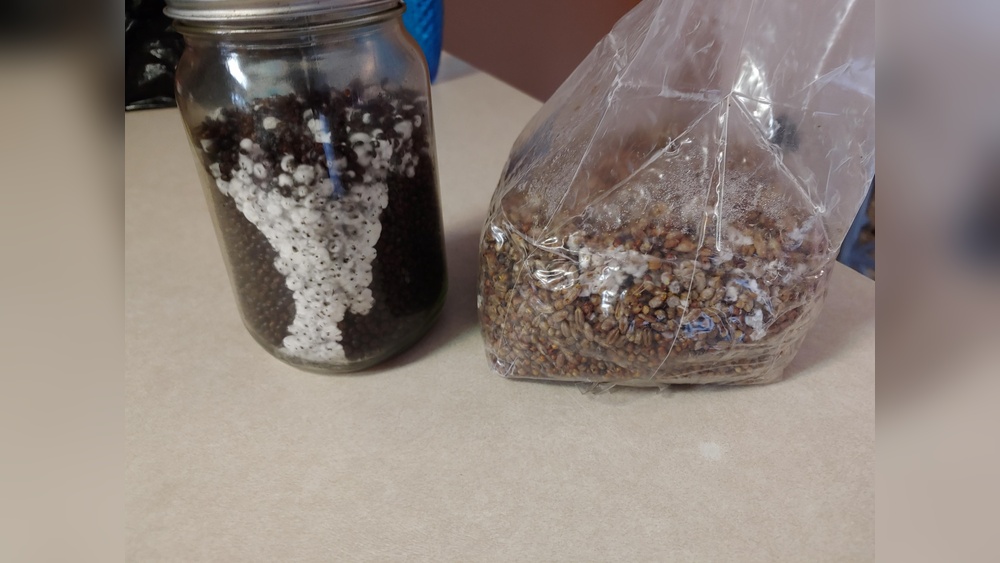
If you’re growing mushrooms in bags, keeping them warm is one of the most important steps for a healthy and bountiful harvest. But how exactly do you maintain the right temperature without risking damage to your precious mycelium?
You might have tried a few methods that didn’t quite work or felt unsure about how to keep things safe and consistent. You’ll discover simple, practical ways to keep your mushroom grow bags warm — using everyday items and smart techniques that protect your crop and boost growth.
Ideal Temperature Range
Maintaining the ideal temperature range is crucial for successful mushroom growth in grow bags. The right warmth helps mycelium to colonize the substrate quickly and evenly. Temperature control prevents slow growth or contamination risks.
Each mushroom species has its preferred temperature range. Keeping the grow bags within this range ensures healthy development and abundant yields. Understanding these temperatures helps create the best environment for your mushrooms.
Optimal Temperature For Most Mushroom Grow Bags
The best temperature for common mushroom types is between 70°F and 80°F (21°C to 27°C). This range encourages fast mycelium growth and strong colonization. Temperatures below 60°F (16°C) slow growth drastically.
Temperature Sensitivity Of Different Mushroom Species
Oyster mushrooms prefer slightly cooler conditions, around 60°F to 75°F (16°C to 24°C). Shiitake mushrooms grow best at 70°F to 80°F (21°C to 27°C). Adjust your heat source to match your mushroom type.
Risks Of Overheating Mushroom Grow Bags
Temperatures above 85°F (29°C) can harm mycelium and encourage contaminants. Avoid direct heat sources touching the bags. Use insulation or barriers to keep warmth steady but gentle.

Credit: www.amazon.com
Using Heat Mats
Using heat mats is an effective method to keep mushroom grow bags warm. These mats provide consistent, gentle heat that helps mycelium grow well. They are easy to use and can fit under or around your grow bags. Heat mats are especially useful in cooler environments or during colder months.
Placement Tips
Place the heat mat on a flat, stable surface. Put the mushroom grow bag directly on the mat or use a thin barrier like a towel. This prevents direct contact and uneven heating. Ensure the mat covers the entire base of the bag for uniform warmth. Avoid placing the mat in direct sunlight or near drafts.
Preventing Overheating
Use a thermostat with your heat mat to control the temperature. Set it to the ideal range for mushroom growth, usually between 75°F and 80°F. Check the temperature often to avoid hot spots. Never leave the heat mat on high power for long periods. Overheating can damage the mycelium and slow growth.
Space Heaters And Warm Rooms
Space heaters and warm rooms offer effective ways to keep mushroom grow bags at the right temperature. Mushrooms need steady warmth to grow healthy mycelium. Using a space heater or a dedicated warm room helps maintain this environment. These options work well in cooler climates or during cold seasons. They provide gentle heat that encourages growth without drying the bags out.
Safe Usage Practices
Place space heaters away from the grow bags to avoid burning. Use heaters with built-in thermostats to control temperature. Never leave heaters running unattended for long periods. Keep heaters on stable surfaces to prevent tipping. Avoid blocking ventilation to reduce fire risks. Monitor the heater regularly for any unusual smells or sounds. Use surge protectors to protect from electrical issues. Follow all manufacturer safety guidelines for the device.
Maintaining Consistent Heat
Set the heater to a steady temperature between 70°F and 80°F. Use a digital thermometer to track room or bag temperature. Insulate the grow area to keep heat from escaping. Avoid placing bags near cold drafts or windows. Consider a small fan to circulate warm air evenly. Check temperature several times daily to catch drops or spikes. Adjust heater settings as needed to keep heat steady. Consistent warmth encourages fast, strong mushroom growth.
Insulation Techniques
Keeping mushroom grow bags warm is essential for healthy mycelium growth. Insulation techniques help maintain steady temperatures. These methods protect bags from cold air and temperature drops. Proper insulation creates a cozy environment for mushrooms to thrive.
Using Insulated Boxes
Insulated boxes trap heat around mushroom grow bags. Common options include coolers and foam containers. These boxes reduce heat loss and keep warmth inside. Place a heat source like a seedling heat mat inside the box. The insulation helps spread heat evenly around the bags. This method works well for small to medium grow setups. It also keeps moisture levels stable, which is important for mushroom growth.
Diy Insulation Ideas
DIY insulation is budget-friendly and effective. Wrap grow bags in bubble wrap or thick towels. These materials block cold air and hold heat near the bags. Use cardboard boxes lined with aluminum foil to reflect heat. Another idea is using old blankets or foam sheets as covers. Secure insulation with rubber bands or tape to keep it tight. These simple tricks improve warmth without expensive tools. They allow you to customize insulation for your space and needs.
Temperature Monitoring
Temperature monitoring is essential for growing mushrooms in bags. Proper warmth helps the mycelium grow strong and healthy. Too cold or too hot can stop growth or kill the spawn. Monitoring keeps the temperature steady, ensuring the best results.
Choosing Thermometers
Pick a thermometer that shows accurate and clear readings. Digital thermometers with probes work well for mushroom grow bags. They can measure inside the bag or the surrounding air. Some have alarms for temperature changes. This helps keep the right warmth without guessing.
Using Timers For Heat Sources
Timers help control heaters like heat mats or bulbs. Set the timer to turn the heat on and off at certain times. This prevents overheating and saves energy. Timers keep the temperature stable day and night. They make it easier to maintain warmth without constant checking.
Humidity And Gas Exchange
Maintaining proper humidity and gas exchange is vital for mushroom grow bags. Mushrooms need moisture to develop healthy mycelium. Too much or too little humidity can harm growth. Proper airflow helps remove carbon dioxide and brings in fresh oxygen. This balance supports strong mushroom development and prevents contamination.
Balancing Moisture Levels
Keep the grow bag surface slightly damp but not wet. Use a spray bottle to mist water gently. Avoid water pooling on the bag to prevent mold. Check moisture daily, especially in dry environments. A humidity level between 85% and 95% works best for most mushrooms. Covering the bag with a plastic tent helps retain moisture. Use a hygrometer to track humidity easily.
Ensuring Proper Ventilation
Fresh air exchange is crucial to avoid carbon dioxide build-up. Open the grow bag filter patch or make small holes for airflow. Use a fan on low speed if the air is still. Avoid direct wind to prevent drying the substrate. Proper ventilation encourages healthy mushroom caps and prevents stunted growth. Monitor the bag daily to balance air exchange and humidity.
Common Mistakes To Avoid
Keeping mushroom grow bags warm is vital for healthy mycelium growth. Many beginners make avoidable errors that can harm their crop. Recognizing common mistakes helps maintain the right temperature safely and effectively.
Improper warming methods can kill the mycelium or cause slow growth. Understanding what not to do saves time and resources.
Direct Heat Contact
Placing grow bags directly on heat sources causes overheating. High heat kills the delicate mycelium inside the bags. Avoid direct contact with heating pads or heaters.
Always use a barrier like a towel or tray between the bag and heat. This helps distribute heat evenly and prevents hot spots. Indirect warmth encourages steady mycelium growth.
Overdrying Bags
Heat can dry out grow bags quickly if not monitored. Dry bags reduce moisture, which is essential for mushroom development. Cracked or shriveled bags indicate excessive drying.
Check bags regularly for moisture levels. Mist bags lightly if they start to dry out. Proper humidity supports healthy mycelium and fruit body formation.

Credit: www.amazon.com
Seasonal Adjustments
Seasonal changes affect how you keep mushroom grow bags warm. Adjusting your methods by season helps maintain the ideal temperature. This ensures healthy mycelium growth and better yields throughout the year.
Winter Strategies
Winter brings cold temperatures that slow mushroom growth. Use seedling heat mats under the bags to add gentle warmth. Wrap bags in insulating materials like bubble wrap or towels to trap heat. Placing bags inside insulated boxes or closets also helps maintain warmth. Avoid direct contact with heaters to prevent overheating or drying out. Monitor temperatures regularly to keep conditions stable and safe for your mushrooms.
Summer Considerations
Summer heat can cause bags to overheat, harming the mycelium. Keep mushroom bags in shaded areas away from direct sunlight. Use fans or ventilation to reduce excessive heat around the grow area. Avoid using heat mats during hot months unless nights are cool. Maintain humidity by misting or placing water trays nearby. Balance warmth and moisture to create a comfortable environment for mushroom growth.
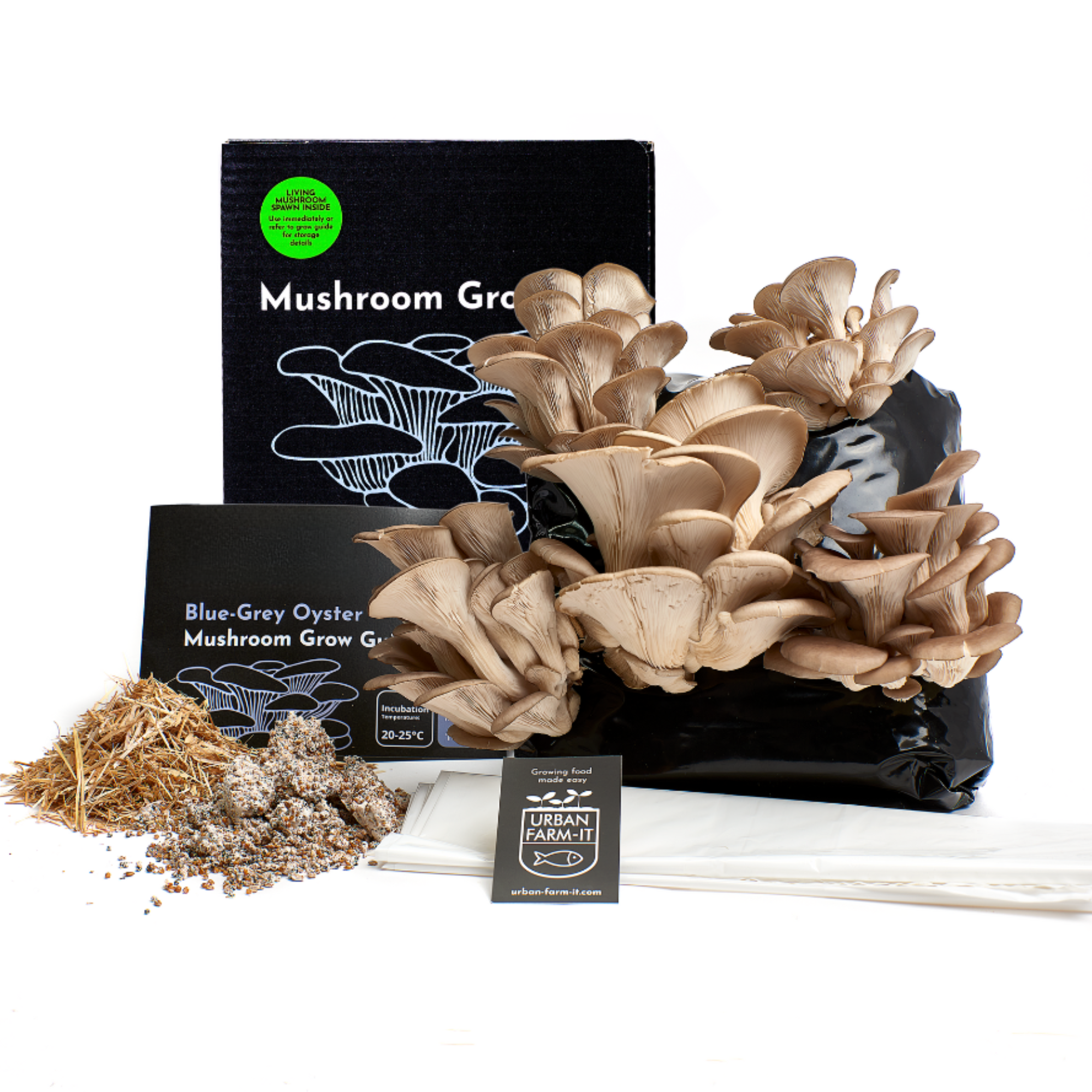
Credit: urban-farm-it.com
Conclusion
Keeping mushroom grow bags warm helps mycelium grow strong and healthy. Use gentle heat sources like seedling mats or insulated containers. Always avoid direct heat to prevent damage. Regularly check temperatures with a thermometer for best results. Maintaining steady warmth speeds up mushroom growth and improves yields.
Small steps make a big difference in your mushroom harvest. Stay patient and consistent with your warming methods. Your mushrooms will thank you with a fruitful harvest.