How to Keep Moss Pole Moist: Essential Tips for Thriving Plants
If you’re using a moss pole to support your climbing plants, you know how important it is to keep it moist. But how exactly do you do that without overwatering or causing root rot?
Keeping your moss pole just damp enough is key to helping your plants thrive and grow strong. You’ll discover simple, effective ways to maintain the perfect moisture level for your moss pole. Whether you’re a beginner or a seasoned plant parent, these easy tips will make caring for your moss pole hassle-free and your plants happier.
Moss Pole Basics
Moss poles are popular supports for climbing plants like monstera and philodendrons.
They provide a natural surface for roots to grab and grow upward.
Keeping the moss pole moist is key for healthy plant growth and support.
Types Of Moss Used
Sphagnum moss is the most common moss for moss poles.
It holds water well and stays soft for roots to attach easily.
Cushion moss and sheet moss are also used but hold less moisture.
Sphagnum moss helps maintain humidity around the plant’s aerial roots.
Benefits For Climbing Plants
Moss poles provide stability and encourage vertical growth.
The moist moss mimics the plant’s natural environment.
Roots cling to the moss, which helps the plant absorb moisture.
This support improves air circulation and reduces leaf damage.
Watering Techniques
Keeping a moss pole moist is essential for healthy climbing plants. Proper watering helps moss stay damp and supports plant roots. Use effective watering techniques to maintain moisture without damaging the plant or pole.
Regular Misting
Misting the moss pole frequently keeps it lightly moist. Use a spray bottle to apply water evenly. Mist whenever the moss feels dry to the touch. This method helps prevent the moss from drying out too fast. It also adds humidity around the plant, encouraging growth.
Pouring Water Directly
Pour water slowly over the top of the moss pole. The water will trickle down and soak into the moss layers. This technique wets the entire pole deeply and evenly. Use a watering can with a narrow spout for better control. Avoid pouring too much water at once to prevent dripping or runoff.
Avoiding Overwatering
Too much water can harm both the moss and the plant roots. Check the moss moisture before watering again. Let the moss dry slightly between waterings to stop mold growth. Use just enough water to keep the moss damp, not soggy. Proper drainage in the plant pot also reduces water buildup.
Self-watering Methods
Keeping a moss pole moist helps your climbing plants thrive. Self-watering methods supply water slowly and evenly. These systems reduce the need for frequent watering. They keep the moss damp without soaking it. Two easy setups work well for many plant lovers.
Drip Cup Setup
The drip cup setup uses a small container to hold water. Poke a few tiny holes in the cup’s bottom. Place the cup on top of the moss pole. The holes let water drip down slowly into the moss. Refill the cup as needed to keep the moss moist. This method gives steady moisture and reduces overwatering risk. It is simple and cost-effective.
Upside-down Bottle Drip
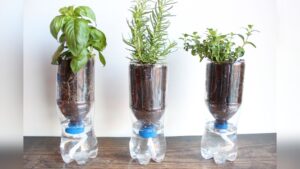
The upside-down bottle drip is a DIY watering tool. Fill a plastic bottle with water and poke small holes in the cap. Turn the bottle upside down and insert the neck into the moss pole top. Water drips slowly through the holes to moisten the moss. This setup works well for a long time without refilling. Adjust hole size for faster or slower drip rates. It saves time and keeps moss hydrated.

Credit: www.youtube.com
Humidity Control
Humidity control plays a key role in keeping moss poles moist for healthy plant growth. Moss thrives in moist environments and needs consistent humidity to avoid drying out. Maintaining the right humidity level helps the moss absorb water and supports climbing plants well.
Different simple methods can create a humid microclimate around the moss pole. These methods help keep moisture locked in and reduce the need for frequent watering. Using trays, sealed containers, or humidity domes are effective ways to control humidity.
Using Trays For Moisture
Place a shallow tray filled with water under the moss pole pot. The water slowly evaporates, raising humidity around the moss. Add small stones or pebbles in the tray to keep the pot above the water level. This prevents root rot while increasing moisture near the pole.
Refill the tray when water evaporates to maintain steady humidity. This method is simple and works well indoors with low air moisture.
Sealed Containers And Bags
Use clear plastic containers or bags to cover small moss poles. This traps moisture and creates a humid chamber. Make sure the container or bag is large enough to avoid touching the moss directly.
Open the container occasionally to allow fresh air and prevent mold. This method is useful for new moss poles or when rooting plant cuttings on the pole.
Humidity Domes
Humidity domes are plastic covers designed to keep moisture in. Place the dome over the moss pole and plant to keep air humid. These domes often have vents to control airflow and moisture levels.
They are great for maintaining high humidity for tropical plants that climb moss poles. Remove the dome once the moss and plant establish well to avoid excess moisture buildup.
Light And Placement
Proper light and placement are crucial for keeping your moss pole moist and healthy. The right environment helps the moss retain water longer and supports plant growth. Choosing the correct spot in your home can make a big difference in moisture levels.
Bright Indirect Light
Place your moss pole where it gets bright but indirect light. This kind of light helps the moss stay damp without drying out too fast. Bright indirect light mimics the natural shaded conditions mosses prefer.
Rooms with large windows and filtered sunlight work well. Avoid dark corners where moss may stay too wet and rot. Bright indirect light encourages healthy moss and supports your climbing plants.
Avoiding Direct Sunlight
Do not place your moss pole in direct sunlight. Direct sun causes the moss to dry out quickly. It can also burn the moss, turning it brown and brittle.
Keep the moss pole away from south-facing windows or spots with harsh afternoon sun. This protects moisture and keeps the moss soft and fresh. Shade or curtains can help filter strong sunlight.
Moss Pole Maintenance
Moss pole maintenance is key for healthy climbing plants. A moist moss pole supports roots and encourages strong growth. Regular care keeps the moss from drying out or becoming too wet. Understanding how to maintain moisture helps your plants thrive.
Focus on packing density and moisture monitoring to maintain the moss pole properly. These factors affect water retention and air flow around the roots.
Packing Density Effects
The density of sphagnum moss impacts how well it holds water. Tightly packed moss retains moisture longer but reduces airflow. Loose moss dries faster but allows better air circulation. Find a balance for your plant’s needs. Check the moss texture regularly and adjust packing if needed. Avoid compacting the moss too much, which can cause root rot. A lightly packed moss pole usually works best for most tropical plants.
Monitoring Moisture Levels
Check moisture by touching the moss surface. It should feel damp but not soggy. Use a moisture meter if unsure. Water the pole when the top layer starts to dry. Overwatering can harm roots and moss health. Mist the moss lightly between waterings to maintain humidity. Keep the moss pole in indirect light to reduce quick drying. Consistent moisture helps roots attach and grow along the pole.
Troubleshooting Common Issues
Troubleshooting common issues with moss poles helps keep your plants healthy. Moisture balance is key. Too dry or too wet can harm your plant and moss pole. Identifying problems early saves your plant from stress. Here are solutions for drying out and root rot problems.
Drying Out Problems
Moss poles dry out quickly in low humidity or hot rooms. Check the moss daily for dryness. Mist the pole lightly to add moisture. Avoid soaking the moss too much at once.
Use a spray bottle with fine mist to keep the moss damp. Place the plant in indirect light to slow drying. Covering the pole with plastic wrap can keep moisture longer. Remove wrap for a few hours daily to prevent mold.
Root Rot Prevention
Overwatering the moss pole can lead to root rot. Water only when the soil is dry to the touch. Ensure the pot has good drainage to avoid water buildup. Keep the moss moist but not soggy.
Check the base of the pole and soil for signs of rot. Yellowing leaves or a foul smell are warning signs. Trim any rotten roots and let the soil dry out before watering again. Proper airflow around the plant also reduces rot risk.
Credit: www.reddit.com
Credit: www.youtube.com
Conclusion
Keeping your moss pole moist helps your plants grow strong and healthy. Spray water lightly when the moss feels dry. Use slow drip methods for steady moisture. Place the pole in bright, indirect light to avoid quick drying. Maintain good air flow to prevent mold or rot.
Check the moss often, especially during hot days. Simple care keeps your moss pole fresh and your plants happy. Small efforts make a big difference in plant health.