How to Keep a Plant Watered When on Vacation
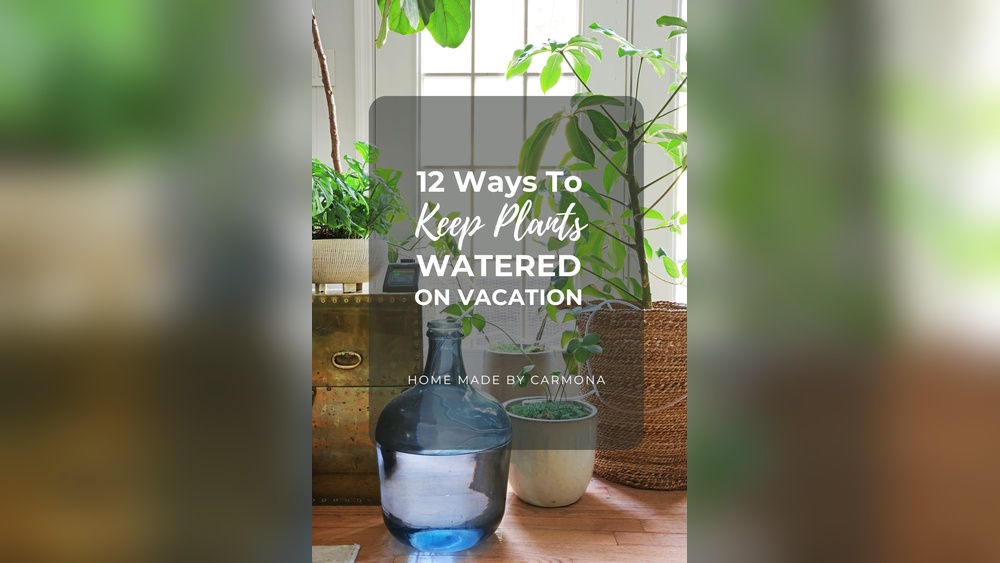
Leaving for vacation soon? You probably worry about your plants while you’re away.
How do you keep them healthy without daily watering? If you’ve ever come home to wilted leaves or dry soil, you know how frustrating it can be. But don’t let your time off come at the cost of your green friends.
You’ll discover simple, effective ways to keep your plants watered and thriving—even when you’re miles away. Ready to learn easy tricks that save your plants and give you peace of mind? Let’s dive in!
Pre-vacation Plant Care
Proper care before leaving helps plants stay healthy during your trip. Preparing your plants reduces stress and prevents wilting. Follow these simple steps to get your plants ready for your absence.
Water Thoroughly Before Leaving
Give your plants a deep watering before you go. Moist soil holds water longer for thirsty roots. Check drainage to avoid waterlogging and root rot. Watering well helps plants survive days without extra care.
Trim And Remove Dead Leaves
Cut off dry or yellow leaves to reduce plant stress. Dead leaves waste energy and attract pests. Clean plants look healthier and use water more efficiently. Trimming encourages new growth and keeps plants strong.
Choose Suitable Plants For Absence
Select plants that tolerate dry periods if you travel often. Succulents, snake plants, and pothos survive with little water. Avoid delicate or high-water plants before long trips. Choosing hardy plants eases your vacation worries.
Diy Watering Systems
DIY watering systems offer simple and effective ways to keep plants hydrated during a vacation. These methods use common household items to deliver water slowly and steadily. They help maintain soil moisture without daily care. Try these easy setups to ensure your plants stay healthy while you are away.
Wicking Method Setup
The wicking method uses a piece of cotton rope to move water from a container to the plant soil. It works best for plants needing steady moisture.
- Materials: water container, cotton rope or fabric strip, potted plant
- Steps: Fill the container with water and place it higher than the plant pot.
- Put one end of the rope in the water and the other end deep in the plant’s soil.
- The rope will draw water slowly, keeping the soil moist.
Plastic Bottle Drip Technique
This technique uses a plastic bottle to drip water into the soil over time. It suits plants that need occasional watering.
- Materials: empty plastic bottle, pin or needle
- Make small holes in the bottle cap.
- Fill the bottle with water and screw the cap back on tightly.
- Turn the bottle upside down and push it into the soil near the plant roots.
- Water will slowly drip out, keeping soil damp for days.
Using Plastic Bags For Slow Drips
This method creates a slow drip system using a water-filled plastic bag.
- Materials: plastic bag, water, toothpick or pin
- Fill the plastic bag with water and seal it tightly.
- Make a tiny hole in one corner of the bag using a toothpick.
- Hang or place the bag so the hole faces down above the plant pot.
- Water will drip slowly and keep the soil moist without flooding.
Commercial Self-watering Tools
Commercial self-watering tools offer practical solutions for keeping plants hydrated during vacations. These devices deliver water steadily and reduce the risk of overwatering or underwatering. They suit different plant types and pot sizes. Using them saves time and worry, ensuring plants stay healthy.
Self-watering Pots
Self-watering pots have built-in reservoirs that hold extra water. The soil draws water up through a wick or porous material as needed. These pots maintain consistent moisture without daily watering. They come in various sizes and styles, fitting most indoor plants. Simply fill the reservoir before leaving, and the pot does the rest.
Automatic Drip Irrigation Kits
Automatic drip irrigation kits slowly release water through small tubes or drippers. They connect to a water source or reservoir and can be set on timers. These kits provide precise watering directly to the soil around each plant. They work well for multiple plants or larger gardens. Setup takes a few minutes, offering reliable watering over days or weeks.
Capillary Mats And Water Globes
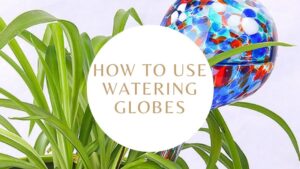
Capillary mats are absorbent mats placed under pots to provide water from below. They keep soil moist by drawing water up through the pot’s drainage holes. Water globes are glass or plastic bulbs filled with water. Inserted into the soil, they slowly release water as plants need it. Both tools are easy to use and fit most indoor plants, making them ideal for short trips.
Alternative Watering Hacks
Alternative watering hacks offer simple ways to keep your plants healthy during vacation. These methods use everyday items to provide steady moisture. They help avoid overwatering or letting soil dry out completely. Perfect for short trips or longer breaks.
Ice Cube Method
Place a few ice cubes on the soil surface near the plant’s roots. As the ice melts, it slowly releases water. This prevents sudden soaking and keeps the soil moist for hours. Use this method for small to medium-sized pots. Avoid placing ice directly on leaves to stop damage.
Watering With Sponges
Soak a clean sponge in water until fully wet. Place the sponge inside the pot or near the plant base. The sponge absorbs water and releases it slowly to the roots. This method works well for plants that need consistent moisture. Check sponges before leaving and add water as needed.
Using Water Reservoirs
Water reservoirs store water and feed plants over time. Use a container with a small hole or a drip system. Fill the reservoir before your trip. Place the reservoir higher than the plant pot. Gravity will help water flow slowly to the soil. This technique suits larger plants or several pots at once.
Plant Placement Tips
Proper plant placement helps maintain moisture during your absence. Choosing the right spot slows water loss and keeps plants healthy. Thoughtful placement reduces watering needs and protects plants from stress. Here are simple tips to position your plants effectively before vacation.
Group Plants Together
Place your plants close to each other. Grouping raises humidity around leaves. Higher humidity slows soil drying. Plants also support each other by creating a microclimate. This method works well indoors and in shaded outdoor areas.
Keep Plants Away From Direct Sunlight
Move plants out of direct sunlight. Sunlight speeds up water evaporation from soil and leaves. A bright but indirect light spot is best. Avoid windows with harsh afternoon sun. Cooler areas help plants use water slowly and stay hydrated longer.
Use Humidity Trays
Place trays filled with water under plant pots. As water evaporates, it raises humidity near the plant. Use shallow trays with small stones to keep pots from sitting in water. Humidity trays create a moist environment, reducing the plant’s water needs while you are away.

Credit: www.wikihow.com
Asking For Help
Asking for help is a smart way to keep your plants healthy during your vacation. It takes some pressure off you and makes sure your plants get the care they need. Many people around you might be happy to help with watering. You can also find professional services for plant care. Setting reminders helps those who assist to remember the task. Here are some useful options for asking help.
Neighbor Or Friend Assistance
Neighbors or friends can water your plants while you are away. Choose someone who likes plants or has a green thumb. Give clear instructions about how much and how often to water. Show them where your plants are and any special care tips. This option builds trust and keeps your plants safe.
Hiring Plant Care Services
Professional plant care services provide reliable watering for your plants. They visit your home at set times to water and check on plants. This service is good for longer trips or if you have many plants. You can find local gardeners or companies online. They bring experience and tools to keep plants healthy.
Setting Up Watering Reminders
Watering reminders help helpers remember to care for your plants. Use phone alarms, apps, or notes placed where they can see. Write simple instructions about watering amounts and times. This keeps the routine easy and clear. Reminders reduce the chance of missed watering days.
Monitoring Plant Health Post-vacation
After returning from vacation, checking your plants closely is crucial. Plants react to changes in watering and environment quickly. Monitoring plant health post-vacation helps catch issues early. Healthy plants recover faster and thrive better with proper care.
Inspect For Wilting Or Overwatering
Start by looking at the leaves and stems. Wilting leaves show lack of water or heat stress. Soft, yellowing leaves may indicate overwatering. Check soil moisture by touching the top layer. Dry soil means the plant needs water. Soggy soil suggests drainage problems or excess watering. Catching these signs early prevents long-term damage.
Adjust Watering Routine
Plants often need a new watering schedule after a break. Increase or decrease watering based on soil and plant condition. Use a consistent time for watering to build a routine. Avoid watering just before nightfall to prevent root rot. Keep soil evenly moist but not wet. Small adjustments help plants regain strength quickly.
Re-potting If Necessary
Check if roots have outgrown the pot or if soil quality is poor. Signs include roots growing out of drainage holes or soil that dries very fast. Choose a pot slightly larger than the current one. Use fresh, well-draining soil to support growth. Repotting helps plants recover by providing space and nutrients. Do this gently to avoid root damage.
Frequently Asked Questions
How To Keep Potted Plants Watered When On Vacation?
Use a self-watering system like a wick from a water container to soil or an upside-down bottle with tiny holes. Both release water slowly to keep soil moist while you’re away. Water plants thoroughly before leaving for best results.
How Do You Make A Self-watering System For Vacation?
Create a self-watering system by inserting a cotton rope from a water container to soil or using a water-filled bottle with small holes placed upside down in the soil. Both methods slowly release water, keeping plants hydrated during vacation.
What Can I Use To Water My Plants When I’m Away?
Use a self-watering system like a plastic bottle drip or wicking method with a cotton rope and water container to keep plants hydrated.
What Is The 1/2/3/2:1 Watering Method?
The 1/2/3/2:1 watering method involves watering plants in a sequence: one part water, two parts rest, three parts soak, two parts drain, and one part dry. This cycle promotes healthy root growth and prevents overwatering.
Conclusion
Taking simple steps can keep your plants healthy while away. Choose a watering method that fits your plant type and vacation length. Test your system before leaving to avoid surprises. Ask a friend to check plants if possible. Your plants will stay hydrated and happy.