How to Hang Railing Planters: Easy Steps for Stunning Outdoor Decor
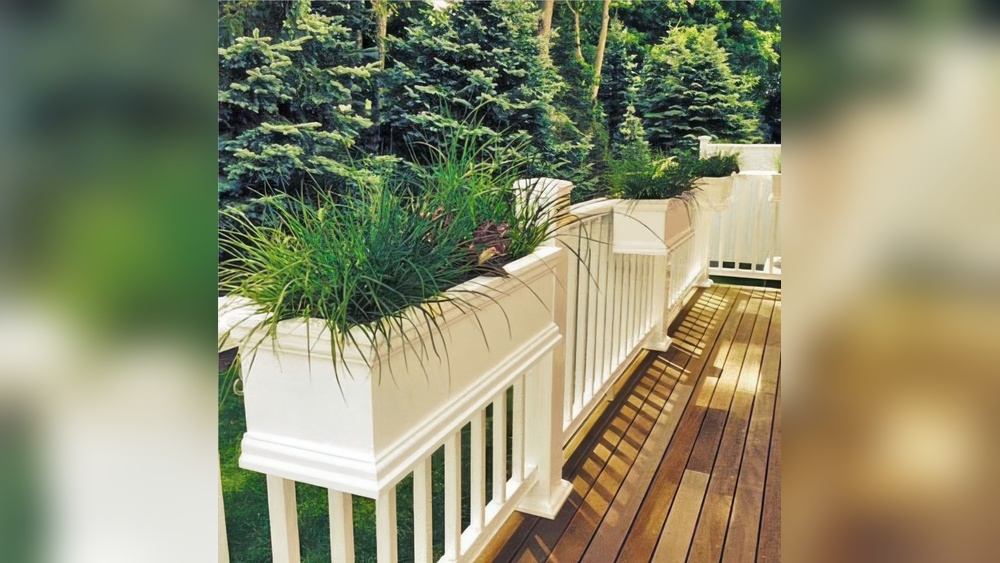
Want to add a splash of green and color to your outdoor space without taking up floor room? Hanging railing planters are the perfect solution.
They bring life and charm to your balcony, porch, or deck while saving you space. But if you’re unsure how to hang them safely and attractively, you’re in the right place. In this guide, you’ll discover simple steps and expert tips to hang your railing planters securely and beautifully.
By the end, your outdoor area will look fresh, vibrant, and inviting—just the way you want it. Keep reading to transform your space with ease!

Credit: nmndesigns.com
Choosing The Right Planters
Choosing the right planters for your railing can make a big difference. The right planter fits well, looks good, and supports healthy plants. Think about the material, size, and drainage. These factors help your plants grow strong and keep your railing safe.
Material Options
Planters come in many materials. Plastic is light and easy to move. Metal looks modern but can get hot in the sun. Wood gives a natural feel but needs care to avoid rot. Choose a material that matches your style and weather conditions.
Size And Shape Considerations
Pick planters that fit your railing size. Too big can be heavy and unsafe. Too small may not hold enough soil for plants. Long, narrow planters work well on railings. Round or square shapes also fit but check the space carefully.
Drainage Needs
Good drainage keeps plants healthy. Planters should have holes to let water out. If not, water can pool and hurt roots. Use a tray under the planter to catch extra water and protect your railing from damage.
Selecting The Perfect Location
Selecting the perfect location for hanging railing planters is important for plant health and visual appeal. The right spot ensures plants get enough light, stay safe, and look beautiful. This section helps you find the best place for your railing planters.
Sunlight Requirements
Plants need the right amount of sunlight to grow well. Some plants love direct sun, while others prefer shade. Check how much sun your plants need. Place the planters where they get the right light. Too much sun can burn leaves. Too little sun can slow growth.
Accessibility And Safety
Choose a spot easy to reach for watering and care. Make sure the railing is strong enough to hold the planter’s weight. Avoid places where planters can fall or block walkways. Safety keeps your plants and people safe.
Aesthetic Placement
Think about how the planters look from different angles. Place them where they add color and charm. Balance the planters with other outdoor decor. Use height and spacing to create a nice view. A good spot makes your space inviting and fresh.
Tools And Materials Needed
Hanging railing planters bring life and color to balconies and decks. To hang them safely and securely, gather the right tools and materials first. This ensures a smooth setup and a strong hold for your plants.
Essential Tools
- Drill or screwdriver for making holes
- Measuring tape to mark the right spots
- Level to keep planters straight
- Pencil for marking positions
- Wrench or pliers to tighten bolts
Mounting Hardware
- Screws or bolts suitable for your railing material
- Wall anchors or plugs for extra support
- Brackets or hooks designed for planters
- Heavy-duty zip ties or metal chains for added security
Planting Supplies
- Planters with drainage holes
- Potting soil suited for your chosen plants
- Plants that thrive in your environment
- Watering can or spray bottle
- Mulch to retain moisture
Preparing The Railing
Preparing the railing is the first step to hang railing planters securely. Proper preparation ensures your planters stay in place and your railing remains undamaged. Take time to clean, measure, and protect the surface before installation. This helps avoid problems later and keeps your space looking neat.
Cleaning And Inspection
Start by cleaning the railing thoroughly. Use soap and water to remove dirt, dust, and grease. A clean surface helps the planter hooks or brackets grip better. After cleaning, inspect the railing for any damage. Look for rust, cracks, or loose parts. Fix these issues before hanging the planters. A strong railing supports the weight safely.
Measuring And Marking
Measure the railing length to plan planter placement. Decide how many planters you want and space them evenly. Use a tape measure for accuracy. Mark the spots with a pencil or masking tape. Marking helps avoid mistakes and keeps the setup balanced. Check that the marked spots fit the planter hooks or brackets.
Surface Protection
Protect the railing surface to prevent scratches and rust. Use felt pads or rubber strips under the planter hooks. These materials create a barrier between metal and railing. They reduce wear and keep the railing looking new. Surface protection also helps hold the planters firmly in place.
Step-by-step Hanging Process
Hanging railing planters brings beauty and life to small spaces. The process is simple with the right steps. Follow this guide to hang your planters safely and securely. Each step ensures your plants stay vibrant and your railing looks great.
Attaching Brackets Or Hooks
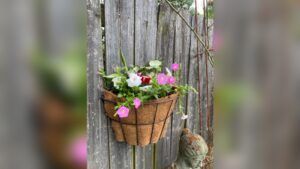
Start by choosing strong brackets or hooks. Measure the railing width to fit them properly. Use a drill or screwdriver to fix them in place. Make sure they are level and tight. This provides a firm base for the planters.
Securing The Planters
Place the planter on the hooks or brackets carefully. Check that the planter fits well without wobbling. Use additional ties or straps for extra security. This keeps the planter steady in windy weather. Avoid overloading the hooks with heavy pots.
Ensuring Stability
Test the planter’s balance by gently shaking it. Adjust the hooks or straps if it moves too much. Look for any weak points on the railing or brackets. Tighten all screws and fasteners again. Stable planters prevent accidents and protect your plants.

Credit: www.amazon.com
Plant Selection And Arrangement
Choosing the right plants and arranging them well can make your railing planters stand out. Good plant selection ensures your planters look vibrant and healthy. Thoughtful arrangement creates balance and beauty. Both steps help your outdoor space feel lively and fresh.
Choosing Suitable Plants
Pick plants that fit your railing planter size. Use plants that grow well in containers. Select those that handle sun or shade based on your spot. Avoid plants that grow too tall or wide. Choose hardy plants that need little care. Examples include petunias, ivy, and succulents.
Arranging For Visual Impact
Place taller plants at the back or center. Let trailing plants hang over the sides. Mix colors and textures for interest. Use odd numbers of plants for a natural look. Group plants with similar water needs together. Arrange plants to create depth and flow.
Seasonal Considerations
Change plants according to the season for fresh appeal. Use cool-season flowers like pansies in spring and fall. Choose heat-loving plants like marigolds for summer. Plan ahead for winter with evergreens or hardy plants. Seasonal swaps keep your railing planters colorful year-round.
Maintenance Tips
Keeping your railing planters healthy and attractive takes regular care. Simple maintenance helps plants grow strong and stay vibrant. Follow easy steps to water, feed, clean, and protect your plants.
Watering And Feeding
Check soil moisture often. Water when the top feels dry. Avoid overwatering to prevent root rot. Use a balanced liquid fertilizer every two weeks. This keeps plants nourished and growing well.
Cleaning And Pruning
Remove dead leaves and flowers regularly. This helps plants look neat and encourages new growth. Wipe dirt off planter surfaces to keep them fresh. Trim overgrown branches to keep plants balanced and healthy.
Winter Care
Move planters to a sheltered spot during cold months. Protect plants from frost with cloth covers or bring indoors. Reduce watering in winter as plants need less moisture. Trim dead parts to prepare plants for spring growth.
Creative Styling Ideas
Creative styling ideas bring life to your railing planters. They turn simple containers into eye-catching displays. Styling helps you express your personality and brighten your outdoor space. Small touches can make a big difference. Here are some ideas to inspire your planter arrangement.
Mixing Colors And Textures
Combine different flower colors for a vibrant look. Use plants with varied leaf shapes and sizes. Pair smooth leaves with fuzzy or spiky ones. Choose pots in different materials like clay, metal, or wood. This adds texture and visual interest. Contrast bright blooms with dark green foliage. Play with color patterns to create harmony or boldness.
Incorporating Decorative Elements
Add small garden statues or figurines near your planters. Use colorful stones or pebbles on the soil surface. Hang wind chimes or small bells close to your railing. Attach decorative hooks or brackets with unique designs. Place tiny fairy lights or glass gems inside pots. These details enhance charm and draw attention.
Lighting Enhancements
Use solar-powered lights around your planters for soft evening glow. Clip small LED string lights along the railing. Place lanterns nearby for a cozy atmosphere. Choose warm white bulbs to create a relaxing mood. Light highlights your plants and makes them visible at night. Proper lighting adds depth and beauty to your setup.

Credit: www.flowerwindowboxes.com
Frequently Asked Questions
How Do I Choose The Right Railing Planter?
Pick a planter that fits your railing size and holds enough soil for plants.
What Tools Do I Need To Hang Railing Planters?
You need brackets, screws, a drill, and a level to hang planters properly.
Can I Hang Railing Planters On Wood Or Metal Railings?
Yes, but use suitable hooks or brackets for wood or metal surfaces.
How Do I Secure Railing Planters Safely?
Use strong brackets and tighten screws well to keep planters stable and safe.
How Often Should I Water Plants In Railing Planters?
Water plants when soil feels dry, usually every few days, depending on weather.
Conclusion
Hanging railing planters bring life to any outdoor space. They save space and add beauty easily. Choose strong hooks and secure your planters well. Water your plants regularly to keep them healthy. Place planters where they get enough sunlight. Try different plants for variety and color.
Enjoy your green space every day. Simple steps make your balcony or porch feel fresh. Start small and add more as you go. Happy planting!