How to Hang Planters Outside: Easy Steps for Stunning Gardens
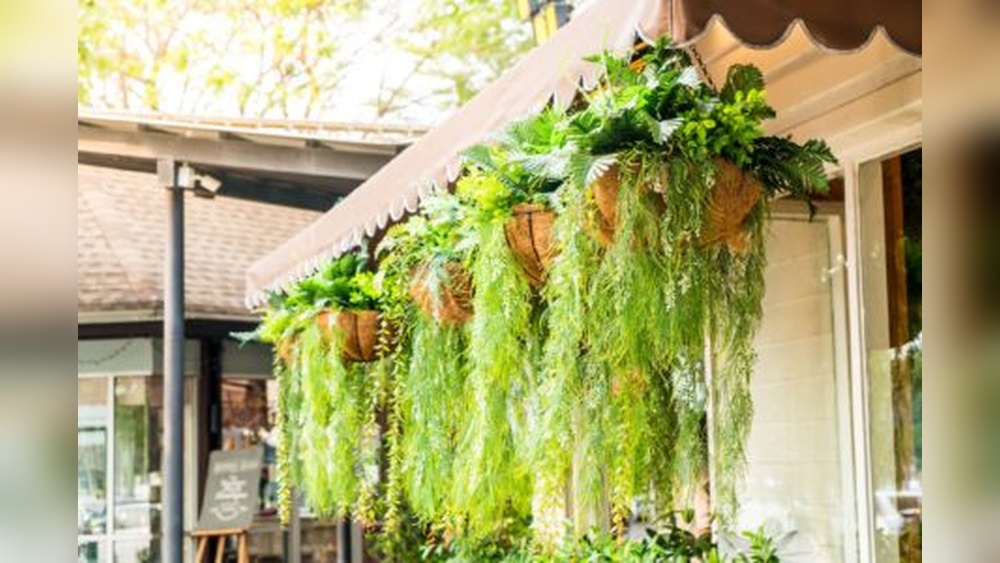
Are you looking to add a fresh touch of green to your outdoor space? Hanging planters are a simple and stylish way to brighten up your porch, balcony, or garden.
But how do you hang them so they stay secure and look great? In this guide, you’ll discover easy steps and expert tips to hang your planters perfectly. Whether you’re a beginner or want to improve your outdoor decor, this article will help you transform your space quickly and beautifully.
Keep reading to learn how to bring life and charm to your outdoor area with hanging planters!
Choosing The Right Planters
Choosing the right planters is key to a beautiful outdoor space. The right planter protects plants and fits your style. It also lasts through changing weather. Think about material, size, and design. Each factor changes the look and health of your plants.
Materials That Last Outdoors
Planters face sun, rain, and wind every day. Choose materials that resist weather well. Clay and terracotta offer a natural look but can crack in cold. Plastic is light and affordable but may fade. Metal planters look modern but can heat up fast. Fiberglass and resin are strong and weatherproof. They keep plants safe and last longer.
Size And Shape Considerations
Pick planter size based on your plants’ needs. Large plants need deep, wide pots for roots. Small plants grow well in compact pots. Shape matters too. Round planters offer good root space. Square or rectangular ones fit tight spots better. Balance size with weight for easy hanging and safety.
Matching Planters To Your Garden Style
Your garden style guides planter choice. Rustic gardens suit clay or wooden pots. Modern gardens look best with sleek metal or resin. Bright colors add fun and contrast. Neutral tones fit calm, natural looks. Matching planters to style makes your garden feel complete and inviting.
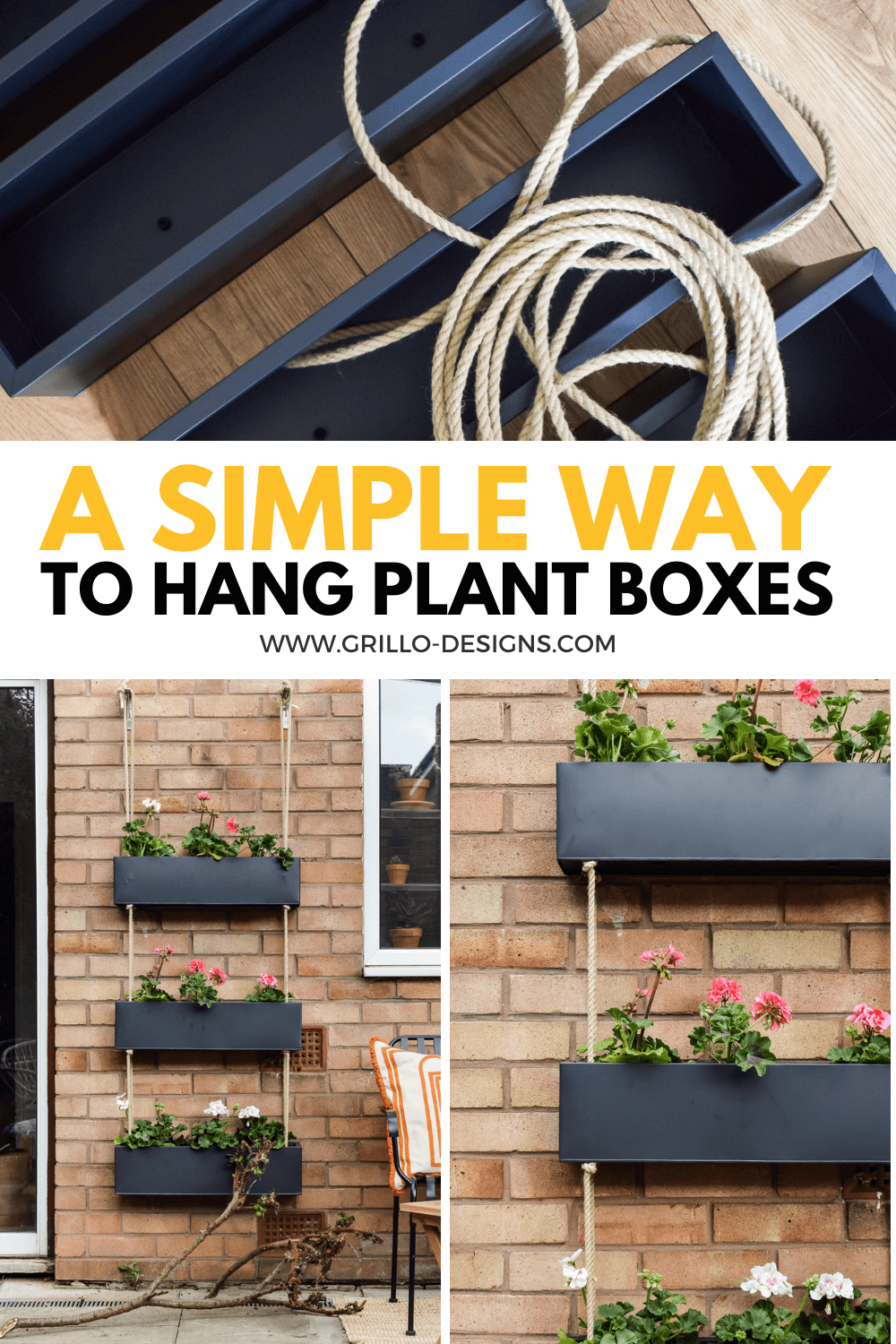
Credit: grillo-designs.com
Selecting Ideal Plants
Choosing the right plants is key to hanging planters outside. The plants must suit the container and the environment. This helps them grow well and look beautiful. Consider the space, light, and weather for the best results.
Plants Suited For Hanging
Trailing plants work great in hanging planters. They drape over edges and add charm. Examples include ivy, spider plants, and petunias. Small ferns and succulents also fit well. Pick plants that do not grow too tall.
Sunlight And Climate Factors
Check how much sunlight the spot gets daily. Some plants need full sun, while others prefer shade. Consider the climate too. Hot, dry areas suit drought-tolerant plants. Cooler climates do better with hardy types.
Low Maintenance Options
Choose plants that need little care for easy upkeep. Succulents and air plants survive with minimal water. Pothos and philodendrons grow well without much attention. These plants save time and stay healthy longer.
Finding The Perfect Spot
Finding the perfect spot for hanging planters outside is important. The right place helps plants grow well and makes your space look nice. Careful thought about light, wind, and view can make a big difference. Choose a spot where your plants will thrive and your outdoor area feels inviting.
Assessing Light And Shade
Check how much sunlight the spot receives each day. Some plants need full sun, others prefer shade. Watch the area at different times to see light changes. Avoid places with too much direct sun if plants need shade. Make sure your planters get the right light for healthy growth.
Considering Wind And Weather
Strong wind can damage plants or knock down planters. Choose a spot shielded from harsh wind or storms. Look for walls or fences that block wind. Avoid places where rain collects or water stands. Protect your plants by placing planters in safe, calm areas.
Maximizing Visual Impact
Pick a spot that draws attention and adds beauty. Hang planters where people often walk or sit. Use different heights to create layers and interest. Combine colors and plant types for a lively look. A well-placed planter can brighten any outdoor space quickly.
Mounting Hardware And Tools
Choosing the right mounting hardware and tools is important for hanging planters outside. Good hardware keeps planters safe and stable. Proper tools make installation faster and easier. Understanding what you need helps avoid mistakes and damage.
Types Of Hooks And Brackets
Several hooks and brackets work well for outdoor planters. S-hooks are simple and easy to use on railings. L-shaped brackets give strong support on walls. Ceiling hooks attach planters from above. Choose rust-resistant materials like stainless steel or coated metal to prevent weather damage.
Tools You’ll Need
Prepare a drill with bits for wood or masonry. A screwdriver helps tighten screws and hooks. Use a level to keep planters straight. A measuring tape ensures correct placement. Have a pencil to mark drilling spots. Safety gloves protect your hands during work.
Safety Tips For Installation
Check the wall or surface for strength before drilling. Avoid weak spots that can’t hold weight. Wear eye protection while drilling to prevent injury. Use a sturdy ladder if hanging planters high. Double-check that all hardware is secure before hanging your planter.
Step-by-step Hanging Process
Hanging planters outside adds charm and greenery to your space. The process is simple and fun. Follow these clear steps to hang your planters safely and beautifully. Each step is important to ensure your plants stay secure and healthy.
Preparing The Planter
Choose the right planter for your outdoor spot. Make sure it has drainage holes. Use a sturdy hanger or rope that can hold the planter’s weight. Check the planter for cracks or damage. Fill it with soil and your favorite plants. Water the plants lightly before hanging.
Marking And Drilling Spots
Decide where to hang the planter on your wall or fence. Use a pencil to mark the exact spot. Ensure the spot is strong enough to hold the weight. Use a level to keep the planter straight. Drill holes using the right size drill bit for your hooks or anchors. Clean away dust after drilling.
Securing The Planters
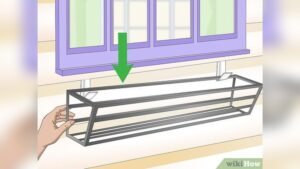
Insert wall anchors or hooks into the drilled holes. Tighten them firmly to avoid slipping. Hang the planter carefully on the hooks. Double-check the planter’s balance and stability. Adjust the hanger if needed for even weight distribution. Water your plants and enjoy your new outdoor decor.

Credit: www.amazon.com
Caring For Hanging Planters
Caring for hanging planters outside keeps plants healthy and vibrant. These plants need special attention because they hang in the air and dry out faster. Understanding how to water, feed, and protect them helps your garden thrive.
Watering Techniques
Water hanging planters regularly to keep soil moist but not soggy. Check the soil by touching it; water if the top feels dry. Water early in the morning to reduce evaporation. Use a watering can with a long spout for easy reach. Avoid overwatering to prevent root rot and other problems.
Fertilizing Tips
Feed your plants with a balanced liquid fertilizer every two weeks. Use a fertilizer made for flowering or leafy plants, depending on your planter’s contents. Dilute the fertilizer to half strength to avoid burning roots. Fertilizing helps plants grow strong and bloom well. Stop feeding during the cold months when plants grow slowly.
Preventing Pests And Diseases
Inspect your hanging planters often for pests like aphids and spider mites. Remove pests by hand or spray with mild soapy water. Keep leaves dry to prevent fungal diseases. Clean dead leaves and debris from planters regularly. Good air flow around plants helps stop disease spread.
Creative Hanging Ideas
Hanging planters outside can turn any space into a green oasis. Creative ideas make your garden or balcony unique. These ideas save space and add beauty to walls and corners.
Vertical Gardens
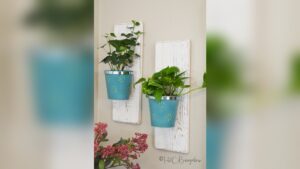
Vertical gardens use walls to grow plants upward. They are perfect for small outdoor spaces. You can hang pockets or small pots on a wooden frame. Plants like herbs, succulents, and flowers work well. Vertical gardens bring life to plain walls. They also make watering and care easier.
Using Recycled Materials
Recycled materials create eco-friendly planters. Old jars, tins, and wooden crates can hang outside. Paint or decorate them for a personal touch. Recycled planters add charm and reduce waste. They also cost less than new pots. Make sure to use strong hooks and ropes.
Layering And Grouping Planters
Layering planters means hanging pots at different heights. Grouping planters close together creates a lush look. Use various sizes and shapes for interest. This method fills empty spaces quickly. It also helps plants get enough sunlight. Layering and grouping make your outdoor area cozy and green.

Credit: www.amazon.com
Frequently Asked Questions
How Do I Choose The Best Spot To Hang Outdoor Planters?
Pick a spot with enough sunlight and protection from strong wind. Check wall strength too.
What Tools Do I Need To Hang Planters Outside Safely?
Use a drill, wall plugs, screws, a hook, and a level for secure hanging.
Can I Hang Heavy Planters On Any Outdoor Wall?
No, heavy planters need strong walls like brick or concrete for safe support.
How High Should I Hang Planters Outside?
Hang planters at eye level or slightly higher for easy watering and good display.
How To Protect Hanging Planters From Bad Weather?
Choose weather-resistant materials and bring planters inside during extreme weather to avoid damage.
Conclusion
Hanging planters outside adds life and color to any space. Choose strong hooks and secure spots for safety. Use lightweight pots to make hanging easier. Water plants regularly to keep them healthy and bright. Change locations if plants need more sunlight or shade.
Enjoy the fresh look and calm feeling they bring. Small steps create a big difference in your outdoor area. Try different styles to match your home’s vibe. Start hanging your planters today and watch your space grow.