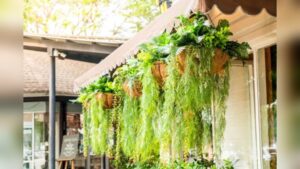
How to Hang Planters on Wall: Easy Steps for Stunning Decor
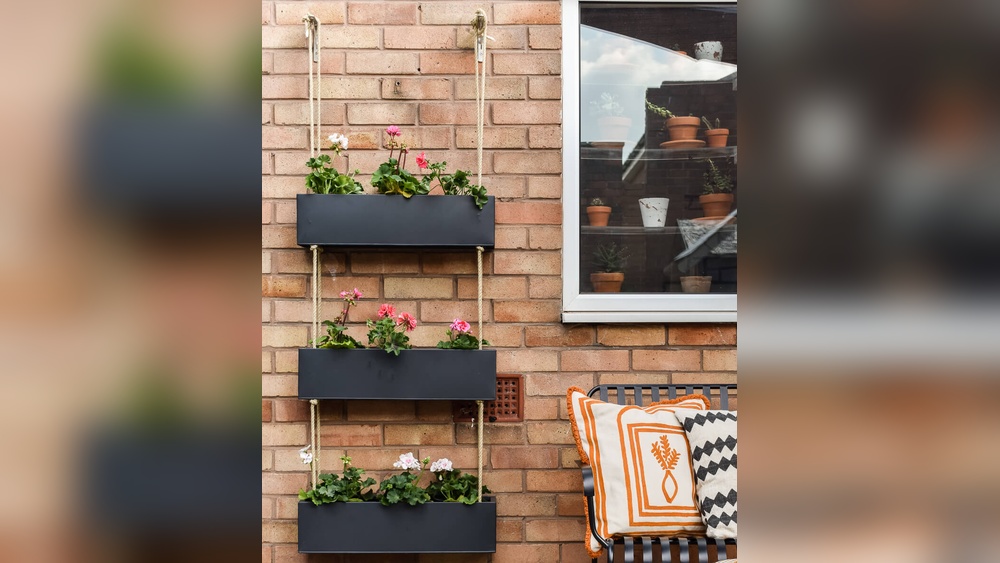
Are you looking to add a fresh, green touch to your living space without taking up floor space? Hanging planters on your wall is a simple and stylish way to bring nature indoors.
But you might wonder, how exactly do you hang them securely and beautifully? In this guide, you’ll discover easy steps and clever tips to transform any blank wall into a vibrant plant display. Keep reading, and you’ll soon have your own indoor garden that catches every eye.
Choosing The Right Planters
Choosing the right planters is key to a beautiful and safe wall garden. The right planter fits your space, style, and the plants you want to grow. It also supports the weight and stays secure on the wall. This guide helps you pick planters that match your needs and look great.
Materials And Styles
Planters come in many materials like ceramic, plastic, metal, and wood. Ceramic planters look classic but can be heavy. Plastic is light and easy to hang. Metal planters are strong and modern but may rust outside. Wood adds a natural feel but needs good sealing against water.
Styles range from simple pots to hanging baskets and wall-mounted boxes. Choose styles that fit your room or outdoor wall. A sleek metal planter suits a modern space. A rustic wooden box fits a cozy, natural look. Pick planters that match your decor and plant types.
Size And Weight Considerations
Planter size affects how many plants you can grow. Small planters suit herbs or succulents. Larger ones hold bigger plants or multiple small plants. Check the weight of the planter with soil and plants. Heavy planters need strong wall anchors and sturdy hooks.
Measure the wall space before buying planters. Avoid overcrowding the wall with too many large planters. Balance size and weight to keep your planters secure and your plants happy.
Selecting The Perfect Wall
Selecting the perfect wall is the first step to hang planters safely and attractively. Walls vary in type, strength, and location. Choosing the right wall ensures your planters stay secure and look great. Consider where you want to place your planters and what kind of wall you have.
Think about the wall’s condition and what it can hold. The right wall makes hanging planters easier and prevents damage to your plants or home.
Indoor Vs Outdoor Walls
Indoor walls are usually smoother and cleaner. They can be drywall, plaster, or brick. These walls need lighter planters or special hooks. Outdoor walls face weather changes and moisture. They are often brick, stone, or wood. Outdoor walls need strong hooks and weatherproof planters. Choose a wall that matches the planter type and your environment.
Assessing Wall Strength
Check the wall’s strength before hanging planters. Press the wall gently to find weak spots. Drywall may not hold heavy planters well. Brick and stone walls are strong but need proper anchors. Use a stud finder for indoor walls to find studs. Studs provide better support for heavy planters. Always match the weight of the planter with the wall’s capacity.
Essential Tools And Supplies
Hanging planters on your wall needs the right tools and supplies. These help keep your plants safe and your walls damage-free. Having the proper items makes the task easier and faster.
Choosing the correct hardware is important. Safety gear protects you during installation. Below are key tools and supplies to prepare.
Mounting Hardware Options
Select hardware based on your wall type and planter weight. Screws and anchors work well for drywall. Use wall plugs for brick or concrete walls. Hooks and brackets offer extra support for heavier planters. Check weight limits on all hardware before buying. This prevents your planter from falling.
Safety Equipment
Wear gloves to protect your hands from sharp tools. Safety goggles shield your eyes from dust and debris. Use a sturdy ladder or step stool for high spots. Keep a first aid kit nearby for minor cuts. Safety ensures a smooth and injury-free project.
Credit: www.botanopia.com
Preparing The Wall Surface
Preparing the wall surface is the first step to hang planters securely. A clean and well-marked wall ensures the hangers stay strong and the planters look great. Taking time on this step prevents future problems like falling pots or damaged walls.
Start by cleaning the area. Dirt and dust can stop hooks from sticking properly. A smooth surface helps tools and anchors work better. Marking the right spots guides the installation. It keeps planters balanced and spaced evenly.
Cleaning And Marking Spots
Use a damp cloth to wipe the wall clean. Remove all dust, grease, or old paint flakes. Let the wall dry fully before the next step. Use a pencil to lightly mark where each planter will hang. Measure distances carefully to keep spacing even. Mark the spots at eye level or where they look best.
Using Stud Finders
A stud finder locates the strong wooden beams behind drywall. Hanging heavy planters on studs prevents holes and damage. Move the stud finder slowly across the wall to detect studs. Mark the edges of each stud to find its center. Drill holes into the stud for secure mounting. If no studs are found, use wall anchors made for drywall.
Step-by-step Hanging Process
Hanging planters on a wall can brighten any space. Follow these clear steps to hang your planters safely and beautifully. This process ensures your planters stay secure and look great.
Measuring And Leveling
Start by deciding where to place your planters. Use a tape measure to mark the exact spots on the wall. Check the marks with a level to keep everything straight. Mark lightly with a pencil so you can adjust if needed.
Drilling And Installing Anchors
Choose the right drill bit for your wall type. Drill holes where you made your marks. Insert wall anchors into the holes. Anchors give extra strength and hold the weight of the planters safely.
Attaching Planters Securely
Use screws or hooks to attach the planters to the anchors. Tighten everything firmly but do not overtighten. Hang the planters and check that they are stable. Adjust if they seem loose or uneven.

Credit: www.youtube.com
Plant Selection And Care Tips
Choosing the right plants for your wall planters affects their growth and appearance. Care plays a big role in keeping plants healthy and vibrant. Understanding plant needs helps you enjoy your green wall longer.
Choosing Suitable Plants
Select plants that fit the light in your space. Low-light areas need shade-tolerant plants like pothos or ferns. Bright spots suit succulents and herbs that love sun. Pick plants with similar water needs to simplify care. Small and lightweight plants work best for wall planters.
Watering And Maintenance
Water plants based on their type and environment. Avoid overwatering to prevent root rot. Check soil moisture before watering again. Trim dead leaves to keep plants fresh and healthy. Use well-draining soil to help water flow properly. Rotate planters occasionally for even light exposure.
Creative Arrangement Ideas
Creative arrangement ideas bring life to your wall planters. They turn plain walls into green, lively spaces. Using smart layouts can make small areas feel larger. Planters on walls offer a fresh way to show your plants. They add style and charm to any room or outdoor space.
Grouping Multiple Planters
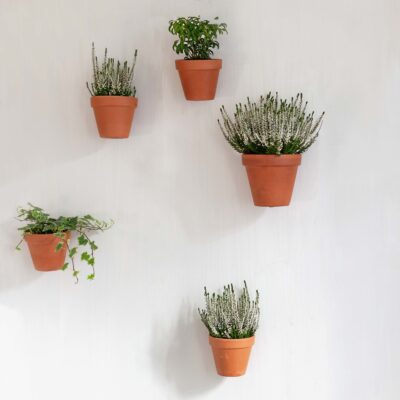
Group several planters close together for a bold look. Cluster different sizes and shapes to create interest. Arrange them in a pattern, like a grid or a triangle. This makes the display look planned and neat. Grouping plants also helps fill empty wall space quickly.
Mixing Textures And Colors
Use planters made from various materials like wood, metal, or ceramic. Different textures add depth and make the wall more attractive. Choose planters in colors that match or contrast with your plants. Bright pots can highlight green leaves. Soft colors create a calm and natural feel.
Troubleshooting Common Issues
Hanging planters on a wall can brighten any space. Yet, problems may arise during or after installation. Knowing how to solve these issues helps keep your wall and plants safe. Here are common problems and easy fixes to try.
Dealing With Wall Damage
Wall damage often happens from heavy planters or wrong tools. To fix small holes, use wall filler and smooth it with a putty knife. Let it dry, then sand it lightly for a clean finish.
For larger damage, patch the area with a drywall repair kit. Follow the instructions carefully for a strong hold. Avoid hanging heavy planters on weak or cracked walls. Use anchors made for your wall type to prevent more damage.
Preventing Planter Slippage
Planters may slip if hooks or shelves are loose. Check the screws and anchors regularly. Tighten any that feel loose.
Use rubber pads or grip tape on the back of planters. This adds friction and stops slipping. Hanging planters with chains or strong ropes also reduces movement. Choose secure hardware that matches planter weight.
Frequently Asked Questions
What Tools Do I Need To Hang Planters On A Wall?
You need a drill, screws, wall anchors, a level, and a pencil to mark spots.
How Do I Choose The Best Wall For Hanging Planters?
Pick a sturdy wall that can hold the weight of your planter and soil.
Can I Hang Planters On Drywall Without Studs?
Use strong wall anchors or toggle bolts to support the planter safely on drywall.
What Height Should I Hang Planters On A Wall?
Hang planters at eye level or where they can get enough sunlight easily.
How Do I Protect My Wall From Water Damage By Planters?
Use a waterproof tray or liner under the planter to catch excess water.
Conclusion
Hanging planters on your wall adds life and color to any space. Choose the right tools and spot for strong support. Keep your plants safe by checking weight limits and wall types. Simple steps bring your green ideas to life.
Enjoy the fresh look and easy care of wall planters. Start small and grow your indoor garden with confidence. Your walls can become a beautiful, natural display.