How to Hang Planters on Fence: Easy Steps for Stunning Garden Decor
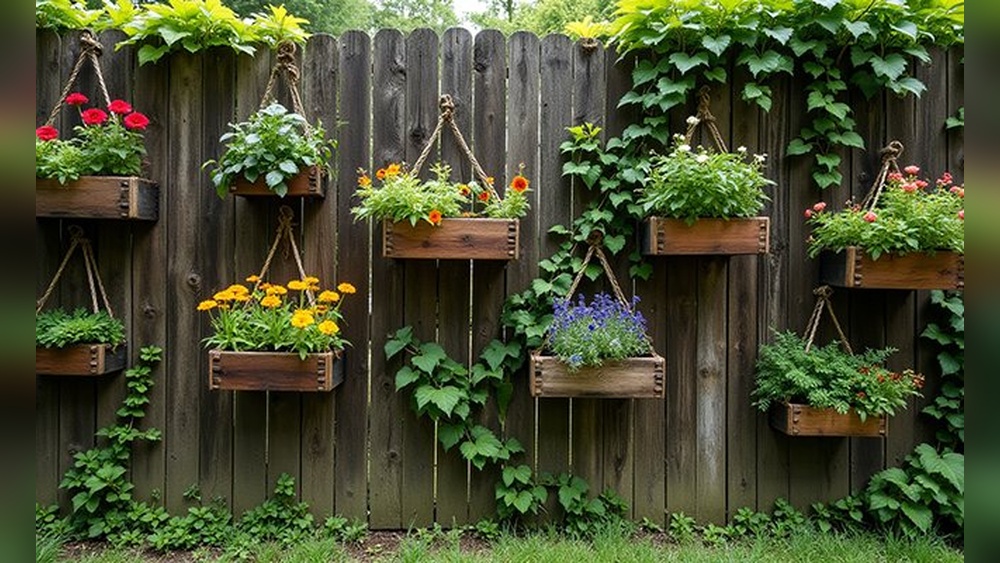
Are you looking to add a touch of green and beauty to your outdoor space without taking up too much room? Hanging planters on your fence is a simple and stylish way to transform a plain fence into a vibrant garden feature.
Whether you want to grow colorful flowers, fresh herbs, or trailing vines, this method gives you endless possibilities. In this guide, you’ll discover easy steps and clever tips to hang your planters securely and attractively. Keep reading to turn your fence into a flourishing oasis that everyone will admire.
Choosing The Right Planters
Choosing the right planters for your fence is key to a beautiful and safe garden space. The right planter fits your style, supports your plants, and holds up to weather. This section covers the main points to think about before buying.
Material Options
Planters come in many materials. Plastic is light and easy to move. It does not break easily and costs less. Ceramic looks nice but can crack in cold weather. Metal planters are strong and last long but may get hot in the sun. Wood planters add a natural feel but need regular care to avoid rotting. Choose a material that matches your climate and how much effort you want to spend on care.
Size And Weight Considerations
Size matters for your fence and plants. Small planters suit herbs and small flowers. Large planters hold bigger plants but weigh more. Check your fence can hold the weight, especially when soil is wet. Lightweight planters are safer for delicate fences. Think about the space you have and how much soil your plants need to grow well.
Style And Color Choices
Planters come in many styles and colors. Choose one that fits your garden’s look. Bright colors can add a fun touch. Neutral colors blend with your fence and plants. Some planters have patterns or textures to create interest. Pick a style that makes your garden inviting and shows your personality.
Selecting The Fence Type
Choosing the right fence type is key to hanging planters securely and attractively. Different fences need different tools and methods. Knowing your fence material helps prevent damage and keeps plants safe. This guide covers wooden, metal, vinyl, and composite fences. Learn how to pick the best planter hanging method for each.
Wooden Fences
Wooden fences are common and easy to work with. You can use nails, hooks, or screws to hang planters. Wood holds weight well but avoid using heavy planters. Choose rust-resistant hooks to protect the wood. Check for any weak spots before hanging. Treat the wood to prevent moisture damage from water spills.
Metal Fences
Metal fences need special care to avoid scratches and rust. Use clamps or specially designed metal hooks. Avoid drilling holes that can weaken the fence. Lightweight planters work best with metal fences. Look for planters with built-in hooks or chains for easy hanging. Protect metal surfaces with rubber or plastic padding under hooks.
Vinyl And Composite Fences
Vinyl and composite fences are durable but can crack under pressure. Use plastic hooks or adjustable straps to hang planters. Avoid nails or screws that cause permanent damage. Lightweight or small planters suit these fences well. Clean the fence surface before attaching hooks for better grip. Choose UV-resistant hooks to prevent fading in sunlight.
Tools And Materials Needed
Hanging planters on a fence requires the right tools and materials. These help you work safely and get the job done well. Prepare everything before starting. This saves time and avoids mistakes.
Mounting Hardware
Choose strong hooks, brackets, or screws for support. Use hardware that fits your planter’s weight. Metal hooks work well for heavy pots. Plastic hooks suit lighter planters. Make sure the hardware matches the fence material.
Safety Gear
Protect your hands with gloves. Safety glasses prevent dust or debris from hitting your eyes. Wear sturdy shoes to avoid injury. Use a mask if drilling creates dust. Safety gear keeps you safe and comfortable.
Measurement Tools
Use a tape measure to find exact spots on the fence. A level ensures planters hang straight. Mark points with a pencil for accuracy. Measuring tools help avoid uneven hanging and mistakes.

Credit: www.perimtec.com
Preparing The Fence
Preparing the fence before hanging planters is essential. It helps the planters stay secure and last longer. Taking time to prepare ensures a neat and safe setup. Follow simple steps to get your fence ready.
Cleaning The Surface
Start by cleaning the fence surface. Use a brush to remove dirt, dust, and spider webs. Wipe the area with a damp cloth to clear remaining debris. A clean surface helps hooks or nails stick better. It also prevents damage to your planters.
Checking For Stability
Check the fence for any weak spots. Gently push or shake the fence boards. Look for loose nails or rotting wood. Fix or replace unstable parts before hanging planters. A stable fence holds the weight safely and avoids accidents.
Marking Mounting Points
Decide where to hang each planter. Use a pencil to mark spots on the fence. Measure evenly to keep planters balanced and attractive. Clear marks make installing hooks or brackets easier. This step saves time and keeps your garden neat.
Mounting Techniques
Mounting planters on a fence can add charm and greenery to your outdoor space. Choosing the right mounting technique ensures your plants stay secure and look great. This section covers easy and practical methods to hang your planters safely and neatly.
Using Hooks And Brackets
Hooks and brackets offer a strong and stable way to hang planters. Screw hooks directly into the fence wood or attach brackets for extra support. Metal hooks work well with metal fences. This method holds heavy pots firmly and keeps them close to the fence.
Installing Hanging Chains Or Ropes
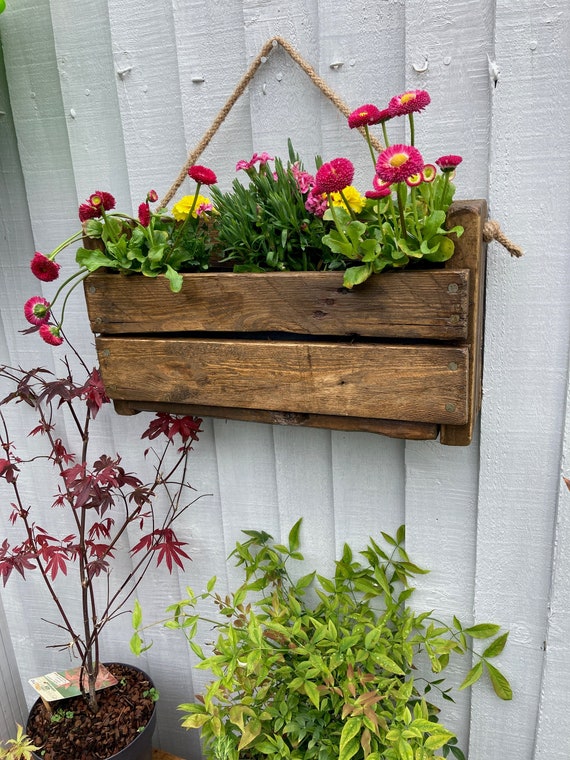
Chains or ropes provide flexibility in hanging planters at different heights. Secure one end to the fence using hooks or nails. Attach the planter to the other end. This technique suits various planter sizes and styles. It also allows easy adjustment of planter position.
Attaching Planters With Zip Ties
Zip ties are quick and simple for lightweight planters. Wrap ties around the planter and fence slats tightly. Cut off excess ends for a clean look. This method works best for plastic or small pots. It is a low-cost option without the need for tools.
Plant Selection And Arrangement
Choosing the right plants and arranging them well makes a big difference. It helps your fence look lively and fresh. Careful plant selection and smart arrangement bring beauty and balance to your garden space.
Choosing Suitable Plants
Pick plants that grow well in your climate and light conditions. Choose those with similar water needs for easy care. Small to medium plants fit well on fences. Herbs, succulents, and flowering plants work nicely. Avoid heavy plants that can strain the planter or fence.
Mixing Colors And Textures
Use plants with different leaf shapes and colors. Mix bright flowers with green foliage for contrast. Soft, round leaves look good with sharp, spiky ones. Try combining smooth and rough textures. This mix adds depth and interest to your fence garden.
Spacing For Growth
Leave enough space between plants to grow freely. Crowded plants may not get enough light or air. Follow the spacing instructions on plant tags. Give room for roots to expand in the planter. Proper spacing keeps plants healthy and thriving.
Maintenance Tips
Keeping your planters healthy and looking fresh requires simple care steps. Regular maintenance helps plants grow strong and stay vibrant. Small actions make a big difference in planter life.
Watering Strategies
Water your plants regularly but do not overwater. Check soil moisture by touching the soil surface. Water deeply to reach the roots, not just the top layer. Early morning or late afternoon watering reduces evaporation. Use a watering can or hose with a gentle spray to avoid soil erosion.
Fertilizing Planters
Feed plants with balanced fertilizer every few weeks. Choose slow-release or liquid fertilizers for easy use. Follow package instructions to avoid overfeeding. Organic options like compost or worm castings boost soil health. Fertilizer helps plants get essential nutrients for growth and color.
Protecting Planters From Weather
Move planters to sheltered spots during strong winds or heavy rain. Use frost cloths or covers in cold weather to protect roots. In hot weather, provide shade during midday to avoid leaf burn. Check planters for cracks or damage after storms. Proper protection extends planter life and plant health.
Credit: www.etsy.com
Creative Design Ideas
Creative design ideas make hanging planters on fences exciting. They turn plain fences into lively garden spaces. These ideas add color, texture, and life to your outdoor area. You can create unique looks that suit your style and space. Here are some inspiring ways to decorate your fence with planters.
Vertical Gardens
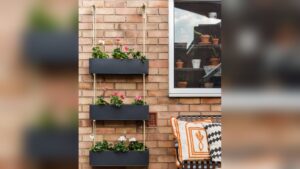
Vertical gardens use fence space efficiently. Arrange multiple planters in rows or grids. Plant herbs, flowers, or succulents for variety. This design saves ground space and looks neat. It also creates a green wall that refreshes your yard.
Themed Planter Displays
Choose a theme to guide your planter selection. Use matching pots or colors for a unified look. Themes can be tropical, rustic, or modern. Add decorative elements like signs or stones. This makes your fence a stylish focal point.
Seasonal Decor Updates
Change your planters to reflect the seasons. Use bright flowers in spring and summer. Swap to warm colors and evergreens in fall and winter. Seasonal updates keep your fence fresh and interesting all year. It also lets you enjoy different plant varieties.
Frequently Asked Questions
How Do I Choose The Right Planter For My Fence?
Pick lightweight, weather-resistant planters that fit your fence style and hold the plants you want.
What Tools Do I Need To Hang Planters On A Fence?
Basic tools like a drill, screws, hooks, and a level help secure planters safely and straight.
Can I Hang Planters On Wooden And Metal Fences?
Yes, use appropriate hooks or brackets for wood or metal to hold the planter firmly.
How High Should I Hang Planters On My Fence?
Hang planters at eye level or where they get enough sunlight for healthy plant growth.
How Do I Protect My Fence From Water Damage?
Use waterproof liners in planters and ensure drainage to keep water from touching the fence.
Conclusion
Hanging planters on your fence adds charm and green space easily. Choose sturdy hooks or brackets to hold your plants safely. Make sure to measure and space planters evenly for balance. Use lightweight pots to avoid strain on the fence.
Water your plants regularly to keep them healthy and vibrant. Enjoy the fresh look and pleasant atmosphere your fence planters create. Small efforts lead to big garden improvements. Try it today and see your outdoor space transform.