How to Hang Planters: Easy Tips for Stunning Indoor Gardens

Are you ready to bring fresh life and vibrant green beauty into your space? Hanging planters are an easy and stylish way to brighten up any room, porch, or garden.
But if you’ve ever felt unsure about how to hang them securely or make them look just right, you’re not alone. In this guide, you’ll discover simple, step-by-step tips that anyone can follow. By the end, you’ll have the confidence to create your own stunning hanging garden that turns heads and lifts your mood every day.
Keep reading to unlock the secrets of perfect planter placement!
Choosing The Right Planters
Choosing the right planters is important for hanging plants successfully. The right planter supports your plants and suits your space. It also adds style and beauty to your home or garden. Consider materials, size, weight, and style. This helps you pick planters that last and look great.
Materials And Styles
Planters come in many materials like plastic, ceramic, metal, and wood. Plastic planters are light and cheap. Ceramic planters look nice but can be heavy. Metal planters are strong but may rust outside. Wood planters give a natural look but need care. Choose a material that fits your style and needs.
Styles range from modern to rustic. Some planters have bright colors. Others have simple shapes. Pick a style that matches your home or garden. This makes your space feel more inviting.
Size And Weight Considerations
Planters must fit the plants you want to hang. Small plants need small planters. Big plants need bigger ones with enough soil. Check the planter’s weight before hanging. Heavy planters need strong hooks and supports. Light planters are easier to hang and move. Think about the weight of wet soil too.
Matching Your Space
Measure the space where you plan to hang your planter. Make sure the planter fits well and does not block walkways or doors. Choose colors and styles that match your room or outdoor area. Consider the height and width of the space. A well-matched planter improves the look and feels balanced.
Selecting The Best Location
Choosing the right place to hang your planters is very important. The location affects how well your plants grow and how your space looks. Think about light, air, and space before hanging your planters. This helps your plants stay healthy and your area tidy.
Lighting Needs
Plants need light to grow. Some plants like direct sunlight. Others prefer shade or indirect light. Check your plants’ light needs first. Hang planters where they get the right amount of light. South-facing windows often have strong light. North-facing spots get less light but stay cooler. Find a spot that matches your plants’ needs.
Avoiding Drafts And Heat Sources
Cold drafts can hurt your plants. Avoid places near open windows or doors that let in cold air. Heat sources like heaters or vents can dry plants fast. Keep planters away from radiators and heating vents. Choose a spot with steady temperature. This keeps your plants happy and growing well.
Maximizing Space
Use vertical space to hang planters. This saves floor room and adds green to walls. Hang planters in corners or empty wall spaces. Group different sizes and shapes for a nice look. Make sure the plants have room to grow. Proper spacing helps air flow and keeps plants healthy.
Preparing Your Tools And Materials
Preparing your tools and materials is the first step to hang planters safely and effectively. Having the right items ready saves time and avoids mistakes. It ensures your planter stays secure and looks great.
Essential Hanging Hardware
Choose strong hooks, screws, and anchors made for the wall type. Metal hooks hold weight better than plastic ones. Use anchors for drywall to avoid holes that fall out. Pick hardware that matches your planter’s weight and style.
Safety Gear
Wear safety glasses to protect your eyes from dust and debris. Use gloves to protect your hands from sharp tools and rough surfaces. Have a sturdy ladder or step stool to reach high spots safely. Safety gear helps prevent accidents during the job.
Measuring And Marking Tools
A tape measure ensures exact placement of your planter. Use a pencil to mark drill spots lightly on the wall. A level helps keep your planter straight and balanced. Accurate measuring and marking lead to a neat and secure setup.
:max_bytes(150000):strip_icc()/GettyImages-1298358626-e6c0c1bb47624aa0b7b07f8bf238df11.jpg)
Credit: www.thespruce.com
Mounting Techniques For Different Surfaces
Hanging planters can brighten any space. Choosing the right mounting method depends on the surface. Each surface needs special tools and care. This section explains how to hang planters on drywall, wood, and concrete.
Drywall And Plaster
Drywall and plaster walls are common in homes. Use anchors or toggle bolts for support. Drill a small hole before inserting anchors. Avoid heavy planters; they can damage the wall. Spread the weight by using multiple hooks. Check that the anchors fit tightly for safety.
Wood And Beams
Wood walls and beams hold weight well. Use wood screws or hooks for hanging. Drill pilot holes to prevent wood from splitting. Choose screws long enough to hold the planter firmly. Secure hooks directly into the wood. This method works great for heavy planters.
Concrete And Brick
Concrete and brick are strong but require special tools. Use a masonry drill bit to make holes. Insert wall plugs before screwing in hooks. These plugs provide extra grip in hard surfaces. Use heavy-duty screws for large planters. Wear safety glasses when drilling to protect your eyes.
Step-by-step Hanging Process
Hanging planters can brighten any space and save floor room. Follow a clear process to hang planters safely and neatly. This step-by-step guide helps you place your planters with ease.
Marking And Drilling
Start by choosing the perfect spot for your planter. Use a pencil to mark where hooks or brackets will go. Check for studs or use anchors for extra strength. Drill holes carefully at the marked points. Use the right drill bit for your wall type.
Installing Hooks And Brackets
Insert wall anchors into drilled holes if needed. Screw in hooks or brackets firmly to hold the planter’s weight. Make sure hooks face the right direction for hanging. Test the hooks by pulling gently to check stability.
Securing The Planters
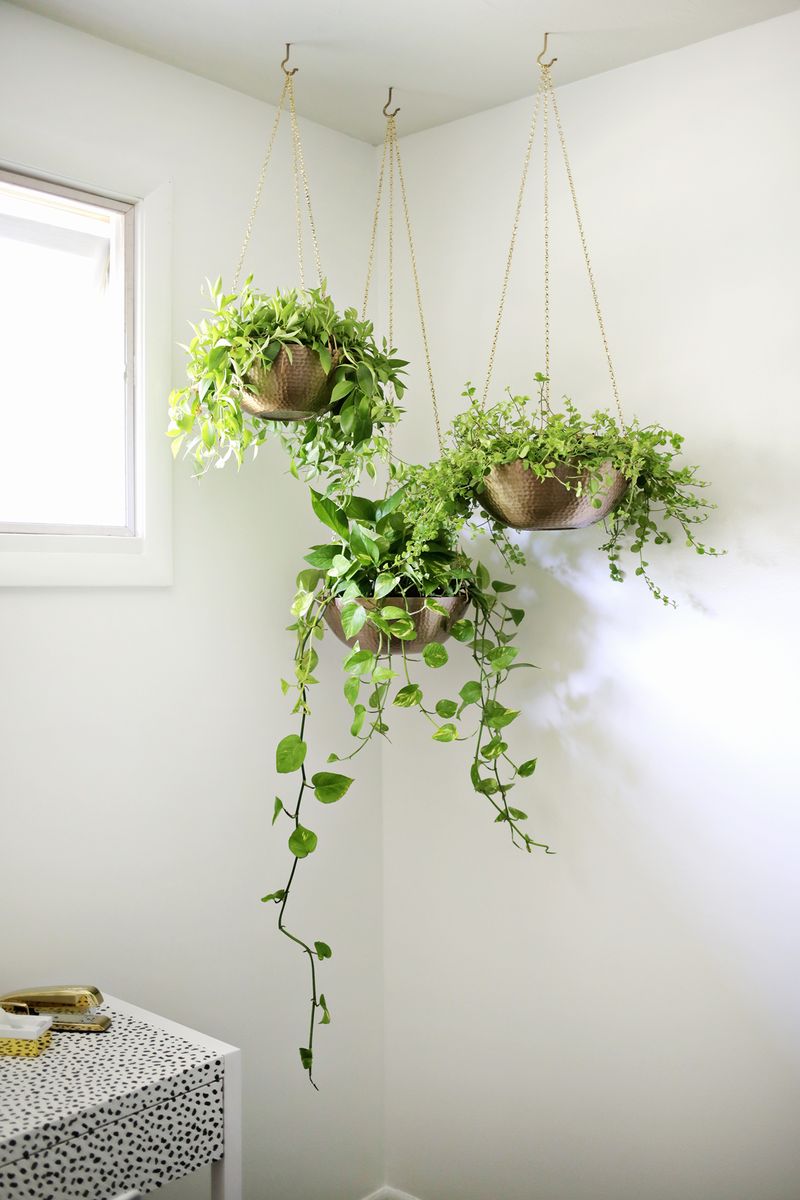
Attach your planter to the installed hooks or brackets. Use chains or ropes if the planter has them. Adjust the height so the planter hangs evenly. Give it a slight shake to ensure it stays secure.
Credit: abeautifulmess.com
Styling Your Indoor Garden
Styling your indoor garden makes your space lively and cozy. It helps bring nature inside in a way that fits your style and home. Small changes can create a big impact. This section covers tips to arrange your hanging planters beautifully.
Grouping And Layering Planters
Group planters close together for a fuller look. Use different heights and sizes to add depth. Layer plants at varying levels to create a natural feel. This adds interest and draws the eye around the space.
Choosing Complementary Plants
Select plants with matching colors and textures. Mix leafy greens with flowering plants for variety. Choose plants that grow well indoors and need similar care. This keeps your garden healthy and attractive.
Adding Decorative Elements
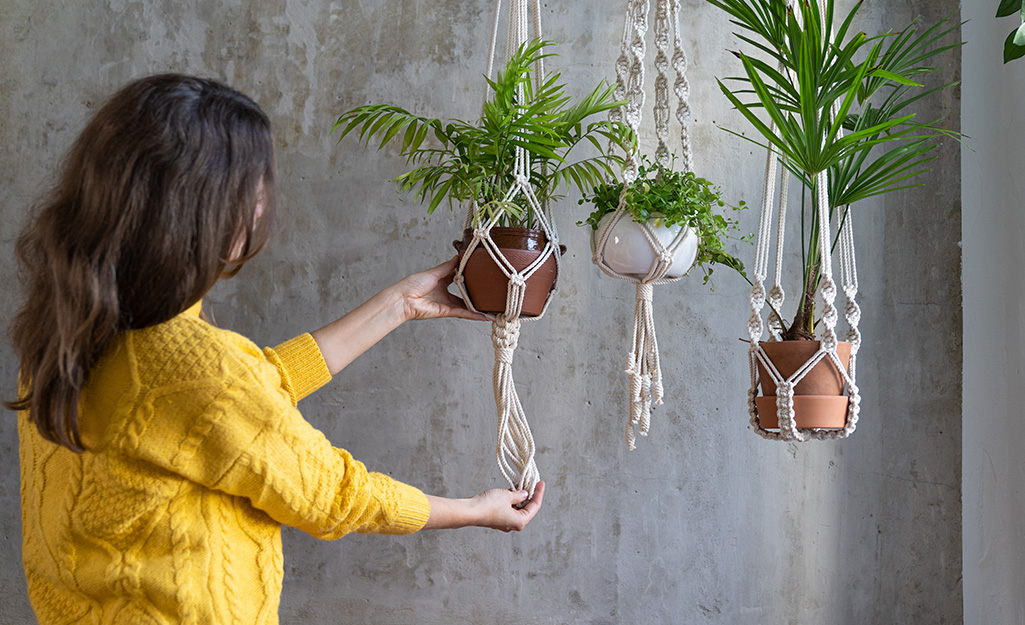
Use ropes, chains, or macramé to hang planters stylishly. Add small stones or moss on the soil surface for extra charm. Consider placing fairy lights nearby to enhance the ambiance. Decorative touches make your garden unique and inviting.
Maintaining Hanging Planters
Maintaining hanging planters keeps your plants healthy and your space beautiful. Regular care helps plants grow strong and last longer. Simple steps make a big difference in their health.
Watering Tips
Water hanging planters regularly. Check soil moisture before watering. Avoid overwatering to prevent root rot. Use a watering can with a long spout for ease. Let excess water drain out to stop waterlogging.
Cleaning And Pruning
Remove dead leaves and flowers often. Clean the planter to stop mold and pests. Use a soft cloth or brush for cleaning. Prune plants to keep their shape and size. This encourages new growth and fresh blooms.
Checking For Stability
Inspect hooks and chains for rust or wear. Tighten any loose screws or fasteners. Make sure the planter hangs straight and steady. Replace damaged parts quickly to avoid accidents. Safety keeps your plants and home secure.
Credit: www.homedepot.com
Troubleshooting Common Issues
Hanging planters bring life and charm to any space. Yet, some common issues can occur. These problems may affect your walls, plants, or the planter’s weight. Knowing how to fix these troubles helps keep your setup safe and beautiful.
Preventing Damage To Walls
Use the right hooks for your wall type. Drywall needs anchors to hold weight. Avoid nails or screws without support. Place a small board or plate behind heavy planters. This spreads the weight and protects the wall. Check for damp spots or mold near the hanger. Moisture can weaken the wall and cause damage. Use waterproof hangers or seal the wall if needed.
Managing Plant Growth
Choose planters that allow room for roots to grow. Trim plants regularly to keep them healthy. Remove dead leaves and stems to prevent disease. Rotate the planter to ensure even sunlight. Some plants grow faster than others. Repot or move fast growers to larger containers. Use lightweight soil to reduce the total weight. This helps keep the hanger from pulling down.
Dealing With Weight Problems
Check the weight of the planter before hanging. Heavy planters need strong, secure hooks or anchors. Use metal chains or cables for added support. Distribute weight evenly if hanging multiple planters. Avoid hanging near weak ceiling spots or thin walls. Test the hanger’s strength by applying pressure. Replace any worn or bent hooks immediately. Safety first to avoid accidents or damage.
Frequently Asked Questions
How Do I Choose The Right Spot To Hang Planters?
Pick a spot with enough light for your plants. Avoid windy or very dark places.
What Tools Do I Need To Hang Planters Safely?
Use a drill, screws, hooks, and a level to hang planters firmly.
Can I Hang Planters Indoors Without Damaging Walls?
Yes, use adhesive hooks or wall anchors designed for indoor use to protect walls.
How High Should I Hang Planters For Easy Care?
Hang planters at eye level or slightly lower for easy watering and maintenance.
What Plants Work Best For Hanging Planters?
Choose trailing or small plants like ivy, ferns, or succulents for hanging planters.
Conclusion
Hanging planters bring life and color to any space. They save room and add charm to your home. Choose the right spot with enough light for your plants. Use strong hooks and secure knots to keep planters safe. Regular watering and care help plants grow healthy and bright.
Start small and enjoy the beauty hanging plants create. A simple step can change your room’s look. Try hanging planters to make your space feel fresh and lively.