How to Hang Outdoor Planters: Easy Steps for Stunning Gardens
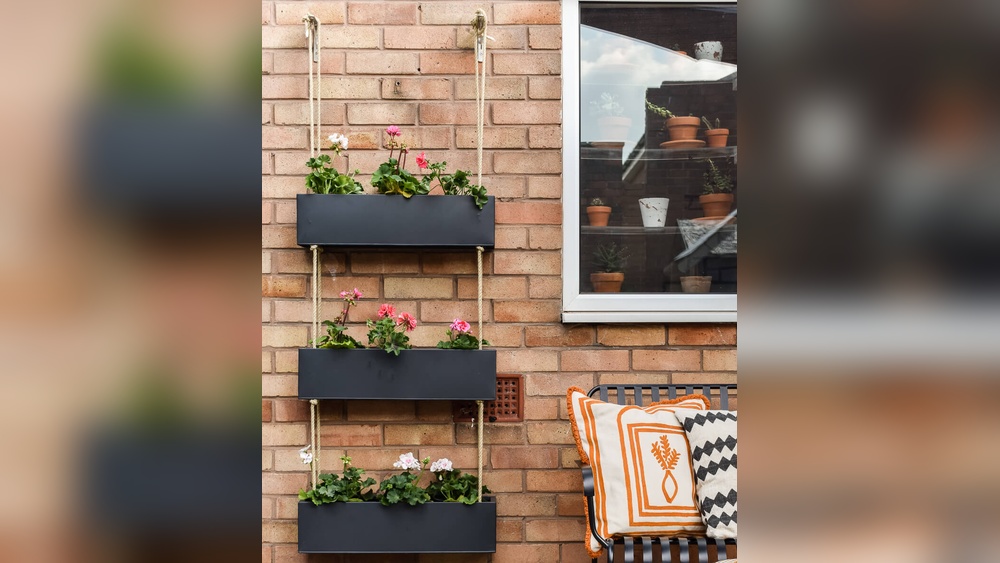
Are you ready to add a splash of green to your outdoor space but unsure how to hang your planters the right way? Hanging outdoor planters can instantly transform your porch, balcony, or garden into a vibrant oasis.
But if they’re not installed properly, your plants may not thrive—or worse, your planters could fall and break. In this guide, you’ll discover simple, step-by-step tips to hang your outdoor planters safely and stylishly. Whether you’re a beginner or just looking for expert advice, you’ll find everything you need to create a beautiful, lasting display that will make your outdoor area the envy of your neighbors.
Choosing The Right Planters
Choosing the right planters is key to a beautiful outdoor space. The right planter can protect your plants and enhance your garden’s look. Picking planters that suit your environment helps your plants grow strong. Consider the material, size, and style before making a choice.
Materials That Last Outdoors
Outdoor planters must resist weather and sun. Materials like ceramic, metal, and plastic work well. Ceramic holds moisture but can crack in cold. Metal is strong but may rust without coating. Plastic is light and resists water damage. Choose materials that fit your climate and care habits.
Size And Weight Considerations
Planter size matters for plant health and safety. Too small can limit root growth and dry out fast. Large planters hold more soil and water but weigh more. Heavy planters need strong hooks or brackets. Think about where you will hang them and how much weight the area supports.
Styles That Complement Your Garden
Planters should match your garden’s style and plants. Simple, clean designs fit modern gardens. Rustic or wood planters suit natural, wild spaces. Bright colors add fun and draw attention. Choose shapes and colors that blend or stand out as you prefer.

Credit: www.amazon.com
Selecting The Perfect Location
Choosing the right spot for your outdoor planters is very important. The location affects how well your plants grow and how your space looks. Picking a good place helps your plants get enough light and air. It also makes watering and care easier. Think about the environment and how you will use the area before hanging planters.
Sunlight And Shade Needs
Different plants need different amounts of sunlight. Some plants love full sun, while others prefer shade. Check the sun pattern in your space throughout the day. Place sun-loving plants where they get at least six hours of sun. Shade-loving plants do better in spots with less direct light. Watch for areas that get morning sun but afternoon shade for mixed needs.
Wall And Fence Options
Strong walls and fences work well for hanging planters. Choose surfaces that can hold the weight of pots filled with soil. Wood fences and brick walls are common choices. Avoid weak or crumbly surfaces that may break. Make sure the wall or fence is tall enough for your plants to grow. Think about the look of the surface and how planters will add beauty.
Accessibility For Maintenance
Place planters where you can reach them easily. Regular watering and trimming keep plants healthy. Avoid spots that are too high or hard to reach. Make sure you have space to stand or move around while caring for plants. Easy access saves time and effort. Keep your planters in places that invite you to enjoy and tend to them often.
Essential Tools And Supplies
Hanging outdoor planters requires the right tools and supplies. This helps secure your planters safely and makes the process easier. Preparing with the correct items saves time and avoids damage to walls or plants. Here are the key tools and materials you need.
Mounting Hardware Basics
Choose sturdy hooks or brackets designed for outdoor use. Metal or stainless steel hardware works best to resist rust. Use wall anchors for drywall or masonry screws for brick walls. A drill, screwdriver, and measuring tape are essential for precise installation. Check the weight limit on your hardware to support the planter safely.
Safety Gear To Use
Wear gloves to protect your hands from sharp tools and rough surfaces. Safety glasses shield your eyes from dust and debris. Use a sturdy ladder or step stool to reach high spots. Make sure your ladder is stable before climbing. Always follow safety instructions with power tools.
Additional Accessories
Use a level to keep your planter straight. Twine or wire can help secure hanging planters. A pencil helps mark drill points on the wall. Consider weather-resistant paint or sealant to protect hardware. Drainage trays prevent water damage to walls or floors.
Step-by-step Hanging Process
Hanging outdoor planters creates a charming garden space. It brightens walls and saves floor space. Follow a simple step-by-step process for secure installation. Safety and stability are key. This guide shows how to hang planters correctly.
Preparing The Surface
Start by cleaning the wall or surface. Remove dirt, dust, and loose paint. Use a cloth and mild detergent. Let the surface dry completely. Check for cracks or weak spots. Repair any damage before hanging planters. Choose a sturdy surface like brick, wood, or concrete.
Installing Hooks And Brackets
Select hooks or brackets designed for outdoor use. Mark the spots where you want to install them. Use a level to keep hooks straight. Drill pilot holes for screws or anchors. Insert wall plugs if needed for extra support. Screw hooks or brackets firmly into place. Test their strength by gently pulling them.
Securing The Planters Safely
Choose planters with secure hanging mechanisms. Attach the planter to hooks or brackets carefully. Make sure they hang straight and do not tilt. Avoid heavy planters that may pull hooks out. Check the weight capacity of your hardware. Adjust or reinforce if necessary. Regularly inspect hanging planters for safety.
Plant Selection And Care Tips
Choosing the right plants for your outdoor planters is key to a beautiful and healthy display. Plants need proper care to thrive and survive changing weather. Understanding their needs helps you create a vibrant outdoor space.
Choosing Plants For Outdoor Planters
Select plants based on sunlight and climate. Some plants like full sun, while others prefer shade. Choose hardy varieties that suit your region. Consider flowering plants for color or green plants for texture. Use a mix for visual interest and balance.
Watering And Drainage Solutions
Outdoor planters need good drainage to avoid root rot. Use pots with drainage holes and add a layer of gravel at the bottom. Water plants thoroughly but let soil dry between watering. Check moisture regularly to keep plants healthy and happy.
Seasonal Maintenance Advice
Adjust care based on the season. In spring and summer, water more often and feed plants with fertilizer. In fall and winter, reduce watering and remove dead leaves. Protect tender plants from frost by moving them indoors or covering them.
Credit: www.crateandbarrel.com
Creative Ideas For Display
Outdoor planters bring life and charm to any space. Displaying them creatively makes your garden or patio more inviting. Using different ideas helps your plants stand out and look beautiful. Explore simple ways to arrange and decorate your outdoor planters.
Layering And Grouping Planters
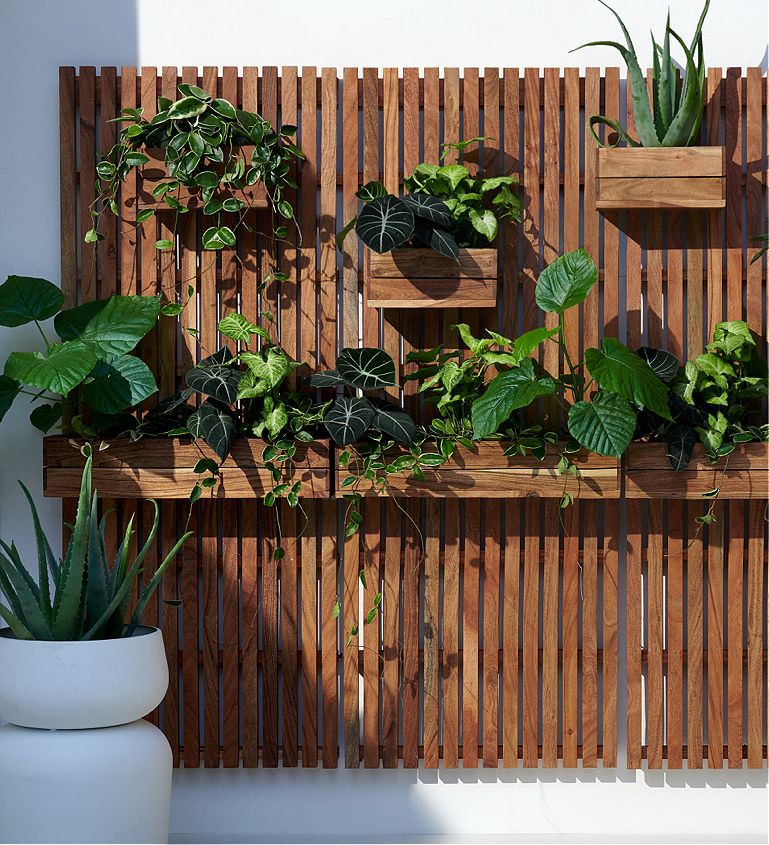
Place planters at different heights to create depth. Use shelves, stands, or hangers to layer plants vertically. Group plants with similar care needs for easy maintenance. Combine large and small planters to add variety. This method draws the eye and makes your space feel full and lively.
Using Color And Texture
Choose planters in colors that match or contrast your outdoor space. Bright colors create a lively atmosphere. Earth tones blend with natural surroundings. Mix planter materials like ceramic, metal, and wood for texture. Textured pots add interest and make your display unique.
Incorporating Decorative Elements
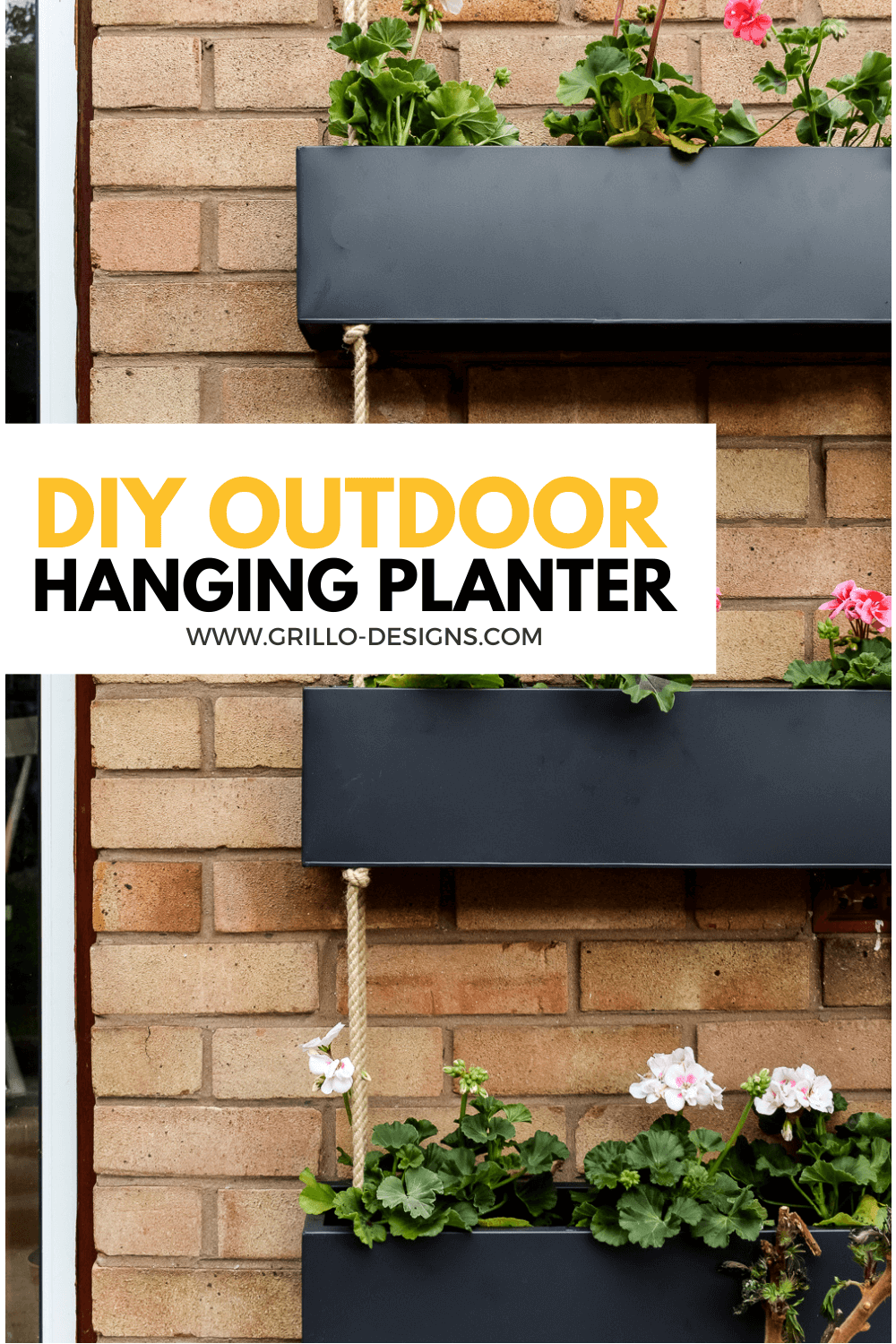
Add small items like fairy lights or stones around your planters. Use garden statues or wind chimes nearby to enhance the look. Hanging planters with decorative chains or ropes bring style and function. These small touches make your planter display more charming and personal.
Troubleshooting Common Issues
Hanging outdoor planters can bring life to any space. Sometimes problems arise that need quick fixes. This section helps solve common issues with hanging planters. Follow simple tips to keep your plants healthy and secure.
Dealing With Weather Damage
Wind, rain, and sun can harm outdoor planters. Strong wind may loosen hooks or chains. Check these regularly and tighten them as needed. Rain can cause soil to wash away or rot roots. Use well-draining soil and containers with holes. Sun can dry out plants quickly. Water plants early in the day to keep them hydrated.
Preventing Pests And Diseases
Pests can damage leaves and stems. Inspect plants weekly for bugs or eggs. Use natural insect sprays or soap water to remove pests. Diseases may cause spots or wilting leaves. Remove affected leaves to stop spread. Ensure good air flow by spacing planters apart. Avoid overwatering to prevent root rot.
Fixing Mounting Problems
Loose or falling planters are unsafe and frustrating. Choose strong hooks or brackets rated for the planter weight. Use anchors if mounting on drywall or brick. Check mounting points often for rust or wear. Replace damaged parts immediately. Balance planters evenly to avoid tilting or falling.
Credit: grillo-designs.com
Frequently Asked Questions
How Do I Choose The Best Spot For Hanging Outdoor Planters?
Pick a place with enough sunlight and easy access for watering. Avoid windy or very shady spots.
What Tools Do I Need To Hang Outdoor Planters Safely?
Basic tools include a drill, screws, wall anchors, and a level for proper placement.
How Can I Prevent Outdoor Planters From Falling?
Use strong hooks and anchors suited for your wall type. Check weight limits before hanging.
What Materials Work Best For Outdoor Hanging Planters?
Use weather-resistant materials like metal, plastic, or treated wood for durability and safety.
How Do I Care For Plants In Hanging Outdoor Planters?
Water regularly, ensure good drainage, and check plants often for pests or damage.
Conclusion
Hanging outdoor planters adds beauty to any space. Choose strong hooks and secure them well. Pick plants that suit your climate and light. Water regularly to keep plants healthy and green. Check your planters often for safety and growth. Enjoy the fresh look and calm feeling outside.
Small efforts bring big changes to your garden. Start hanging planters today and brighten your home.