How to Grow Mushrooms in a Grow Bag: Easy Steps for Success
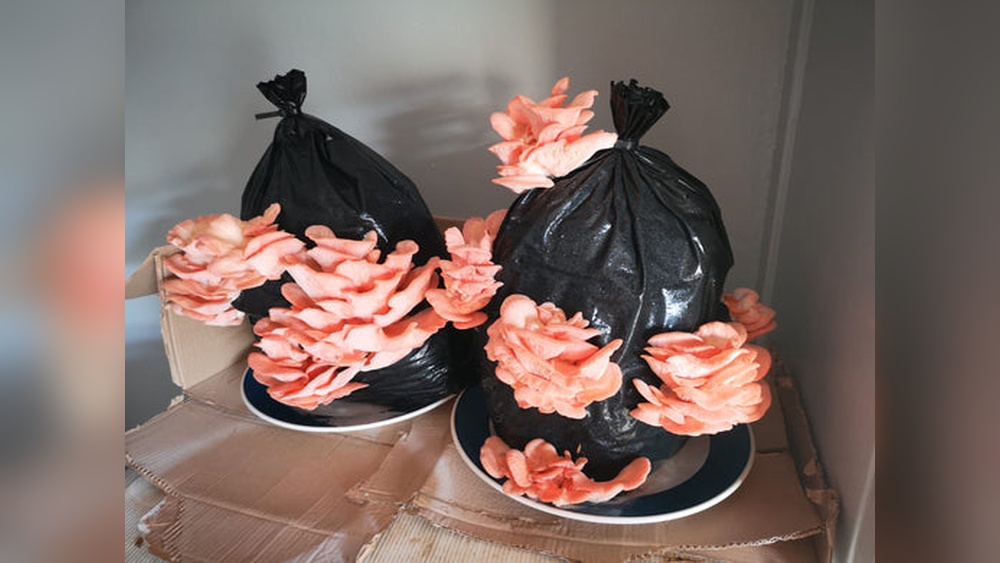
Ready to grow your own fresh mushrooms right at home? Using a grow bag makes mushroom cultivation simple, clean, and incredibly rewarding.
Whether you’re a beginner or just looking for an easy way to boost your mushroom harvest, this method lets you skip the mess and guesswork. In this guide, you’ll discover exactly how to set up your grow bag, what to expect during each stage, and tips to get the best results.
By the end, you’ll have everything you need to watch your mushrooms thrive—and enjoy delicious, homegrown fungi in no time. Let’s dive in and make your mushroom-growing journey a success!
Materials Needed
Growing mushrooms in a grow bag is simple and rewarding. The right materials make the process easier and more successful. This section covers the basic materials needed to start your mushroom growing journey.
Choosing The Right Grow Bag
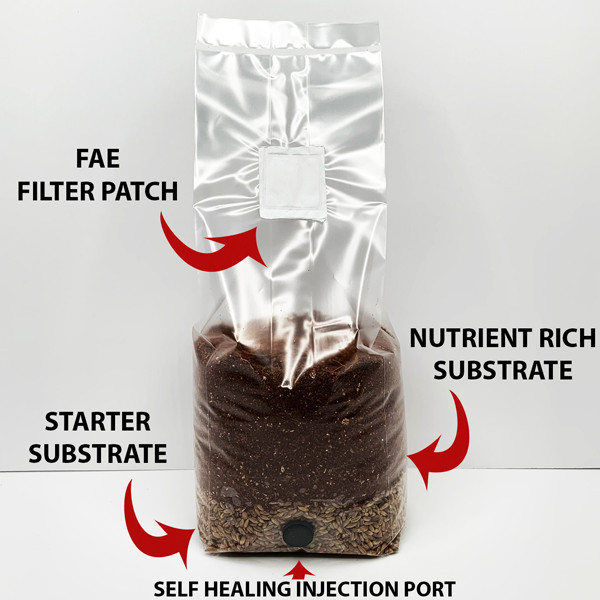
Select grow bags made from thick, food-grade plastic. They should be breathable to allow air exchange. Bags with filter patches work best to keep contaminants out. Size depends on how many mushrooms you want to grow. A standard size is usually 5 to 10 pounds of substrate capacity.
Selecting Mushroom Spawn
Mushroom spawn is the seed for your mushrooms. Choose spawn that matches the type of mushroom you want to grow. Common types include oyster, shiitake, and lion’s mane. Buy spawn from a trusted supplier for quality and viability. Grain spawn and sawdust spawn are popular choices for grow bags.
Preparing The Substrate
The substrate is the material mushrooms feed on. Common substrates include straw, sawdust, and wood chips. Make sure the substrate is clean and free of mold. Pasteurize or sterilize the substrate before use to kill unwanted organisms. Moisture content should be about 60 percent for best growth. Mix the spawn evenly into the substrate before placing it into the grow bag.
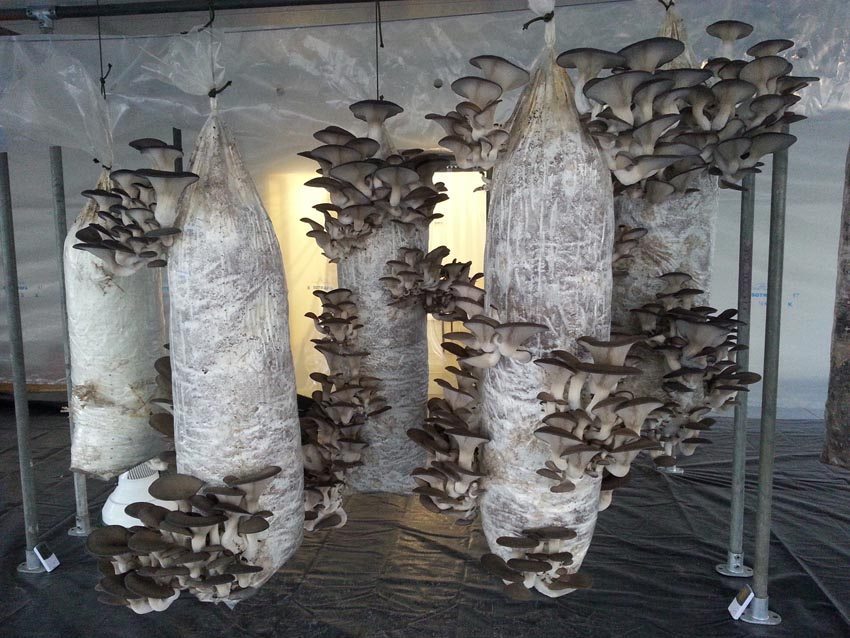
Credit: grocycle.com
Preparing The Grow Bag
Preparing the grow bag is the first important step to grow mushrooms successfully. It involves readying the materials and ensuring the environment inside the bag supports mushroom growth. Proper preparation helps create a strong start for the mushroom mycelium to spread and develop.
Each step requires care to avoid contamination and to promote healthy growth. Follow these simple instructions to prepare your grow bag properly.
Filling The Bag With Substrate
Start by filling the grow bag with a suitable substrate. Use materials like sawdust, straw, or wood chips. Make sure the substrate is clean and moist but not wet. Fill the bag evenly to allow good air circulation inside. Avoid packing the substrate too tightly. Leave some space for the mycelium to grow easily.
Inoculating With Mushroom Spawn
Next, add mushroom spawn to the substrate in the bag. Spread the spawn evenly throughout the substrate for uniform growth. Use clean hands or tools to avoid contamination. Mix the spawn gently with the substrate inside the bag. This step introduces the mushroom mycelium needed to grow mushrooms.
Sealing And Labeling
Seal the grow bag tightly to keep the environment controlled. Use a heat sealer or strong tape to close the bag. Make small holes or use filter patches for air exchange if needed. Label the bag with the mushroom type and date of inoculation. Proper sealing and labeling help track growth and avoid mistakes.
Incubation Phase
The incubation phase is the first step after you prepare the grow bag for mushroom cultivation. During this stage, the mycelium spreads inside the bag. It feeds on the substrate and colonizes the space. This phase is critical for a strong mushroom crop. Proper conditions help the mycelium grow fast and healthy. Any mistakes can slow growth or cause contamination. Here’s how to manage the incubation phase well.
Ideal Temperature And Humidity
Keep the grow bag in a warm place. The best temperature is usually between 70°F and 80°F (21°C to 27°C). This range helps the mycelium grow quickly. Avoid sudden temperature changes. Stable warmth supports steady colonization.
Humidity should stay around 90%. High humidity stops the substrate from drying out. Use a humidifier or spray water nearby if needed. Too much moisture can cause mold. Balance is key for good mycelium health.
Maintaining Darkness
Mycelium grows best in the dark. Light can slow its growth or damage it. Keep the grow bag away from direct sunlight and bright lights. A closet or a dark corner works well. Darkness encourages strong and even colonization inside the bag.
Monitoring Mycelium Growth
Check the grow bag every few days. Look for white, thread-like growth covering the substrate. This shows healthy mycelium spreading. Avoid opening the bag too often. Excess air can bring contaminants.
If you see green, black, or strange colors, it might be contamination. Remove the bag to prevent spreading. Healthy mycelium looks clean and bright white. Patience is important during this phase. Wait until the bag is fully colonized before moving to fruiting.
Initiating Fruiting
Starting the fruiting stage is a crucial step in growing mushrooms in a grow bag. This phase triggers the mushrooms to develop from the mycelium inside the bag. Proper care during this time ensures healthy and abundant mushroom growth. Pay attention to environmental changes and handle the bag carefully to support fruiting.
When To Open The Bag
Open the grow bag once the mycelium fully colonizes the substrate. This usually looks like white threads covering the inside. Avoid opening too early to prevent contamination. Cut small slits or remove the top carefully to allow fresh air. Fresh air helps the mushrooms start forming fruit bodies.
Providing Indirect Light
Mushrooms need indirect light during fruiting to grow properly. Place the grow bag near a window with filtered sunlight. Avoid direct sunlight, which can dry out the substrate and harm the mushrooms. Light signals the mushrooms to develop their caps and stems. Keep the light source on for about 12 hours a day.
Adjusting Temperature And Humidity
Keep the temperature between 60°F and 75°F for most mushroom types. Higher or lower temperatures can slow growth or cause stress. Maintain high humidity around 85% to 95% to prevent drying. Use a spray bottle to mist the inside of the bag gently. Proper humidity and temperature encourage faster and better fruiting.
Harvesting Mushrooms
Harvesting mushrooms from a grow bag is an exciting step in your mushroom growing journey. It requires careful observation and gentle handling to ensure the best quality and to encourage further growth. Proper harvesting helps maintain the health of the mycelium inside the bag, allowing multiple yields or flushes. Follow simple guidelines to pick your mushrooms at the right time and in the right way.
Identifying Mature Mushrooms
Mature mushrooms show clear signs before harvest. Look for caps that have fully opened but not flattened completely. The edges of the cap may start to lift or curl upward. Avoid harvesting too early, as mushrooms will be small and less flavorful. Also, do not wait too long, or the spores may drop, reducing quality. Check the size and shape to know the best moment to pick.
Proper Harvesting Techniques
Use clean hands or a sharp knife to harvest mushrooms carefully. Hold the base of the stem gently and twist or cut close to the grow bag surface. Avoid pulling hard to prevent damage to the mycelium. Handle mushrooms softly to keep them intact and fresh. Clean cuts help the bag remain healthy for new mushrooms. Dispose of any damaged or old mushrooms to keep the environment clean.
Managing Multiple Flushes
The grow bag can produce several mushroom flushes over weeks. After harvesting, keep the bag moist but avoid overwatering. Maintain good air circulation around the bag. Rest the bag in a cool, shaded place to encourage new growth. Monitor daily for new pins or small mushrooms forming. Harvest each flush carefully to extend the life of your mushroom grow bag.

Credit: www.midwestgrowkits.com
Common Challenges
Growing mushrooms in a grow bag is rewarding but brings some challenges. These problems can slow down your progress or ruin your crop. Knowing common issues helps you prepare and act fast. This section covers key challenges and ways to handle them.
Contamination Prevention
Contamination is the biggest challenge in mushroom growing. Bacteria, mold, and unwanted fungi can invade the grow bag. They compete with mushroom mycelium and stop growth. Always use clean tools and wash hands before touching the bag. Work in a clean area with little dust or airflow. Seal the bag tightly after adding spawn. Avoid opening it too often to reduce contamination risk.
Dealing With Slow Growth
Slow growth can be frustrating. Mushrooms need the right temperature, humidity, and fresh air. Check that the grow bag stays moist but not wet. Keep the room temperature stable, usually between 65-75°F (18-24°C). Too cold or too hot slows growth. Make sure the bag gets enough fresh air without drying out. If growth is slow, try adjusting these conditions gradually.
Handling Pest Issues
Pests like flies and mites can harm your mushroom crop. They feed on mycelium or spread diseases. Keep the grow area clean and remove any dead mushrooms quickly. Use fine mesh screens to block insects from entering. Sticky traps catch flying pests before they reach the bag. Avoid spraying chemicals near the mushrooms. Natural pest control methods work best to keep your crop safe.
Tips For Better Yields
Improving mushroom yields in grow bags requires careful attention to several key factors. Small changes can boost your harvest and keep your mushrooms healthy. Focus on cleanliness, environment, and the right mushroom types. These tips help you get the most from your grow bags.
Maintaining Cleanliness
Cleanliness is vital for mushroom growth. Always wash your hands before handling grow bags. Use sterilized tools to cut or open the bags. Remove any mold or spoiled mushrooms quickly to prevent spread. Keep the growing area free of dust and pests. Clean surroundings reduce the risk of contamination, helping mushrooms thrive.
Optimizing Environmental Conditions
Mushrooms need the right temperature and humidity to grow well. Most species like temperatures between 60-75°F (15-24°C). Keep humidity high, around 80-90%, to avoid drying out the substrate. Provide indirect light for about 12 hours a day. Fresh air exchange is important to prevent carbon dioxide buildup. Monitor these factors daily for better mushroom growth.
Choosing Suitable Mushroom Varieties
Select mushroom types that grow well in bags. Oyster mushrooms are beginner-friendly and fast-growing. Shiitake mushrooms need longer to fruit but offer good yields. Avoid exotic types that require complex conditions. Pick varieties suited to your local climate and experience level. Right mushroom choice simplifies growing and improves your harvest.
Credit: www.funguygrowsupply.com
Conclusion
Growing mushrooms in a grow bag is simple and rewarding. Follow the steps carefully for best results. Keep the bag in a warm, dark place during colonization. Once mushrooms start to appear, provide light and fresh air. Harvest them when fully grown to enjoy fresh, healthy mushrooms.
This method saves space and reduces mess. Anyone can try it at home with little effort. Happy growing!