How to Fix Over Watered Plants: Easy Steps to Save Them Fast
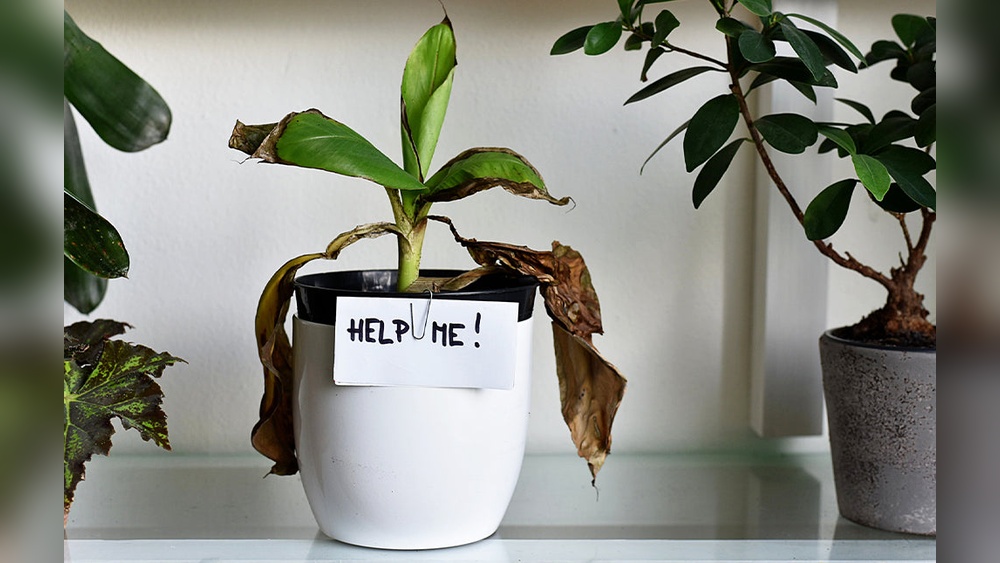
You’ve noticed your plant’s leaves turning yellow or wilting, and you suspect you might have overwatered it. Don’t panic—overwatering is a common mistake, but your plant can still bounce back with the right care.
If you act quickly and follow a few simple steps, you can save your plant from damage and bring it back to life. Keep reading to discover easy, effective ways to fix overwatered plants and prevent this problem from happening again.
Your green friend is counting on you!
Credit: gardeningincanada.net
Signs Of Overwatering
Overwatering is a common issue that harms plants more than underwatering. Recognizing the signs early helps save your plants. Plants show specific symptoms when they receive too much water. These signs reveal stress and damage caused by excess moisture.
Wilting And Yellowing Leaves
Leaves wilt even if the soil is wet. Yellow leaves appear as a warning signal. Overwatered plants lose oxygen in the roots, causing leaf problems. Wilting and yellowing happen because roots cannot breathe properly. Watch your plant’s leaves closely for these signs.
Soggy Soil And Root Issues
Soil stays wet for days or weeks after watering. Soggy soil suffocates roots and stops nutrient uptake. Roots may turn brown or black and feel soft. Root rot often develops from constant wetness. Check soil moisture and root health regularly to prevent problems.
Fungus And Mold Growth
Excess water creates a perfect place for fungus and mold. White or gray mold can appear on soil surface. Fungal infections harm plant health and slow growth. Mold smells musty and spreads quickly in damp conditions. Removing mold and reducing watering helps plants recover.
Immediate Steps To Save Plants
Acting fast can save your overwatered plants. The first few steps are critical. They help stop further damage and start recovery.
Follow these simple actions to give your plants a chance to heal. Each step supports the plant’s health and helps dry the soil.
Stop Watering
Stop watering the plant immediately. Too much water prevents roots from breathing. The soil needs time to dry out. This pause is key to recovery.
Move To A Warmer, Airy Spot
Place the plant in a warm area with good air flow. Warm air helps water evaporate faster. Fresh air reduces moisture around the roots. This environment speeds up drying.
Remove Standing Water
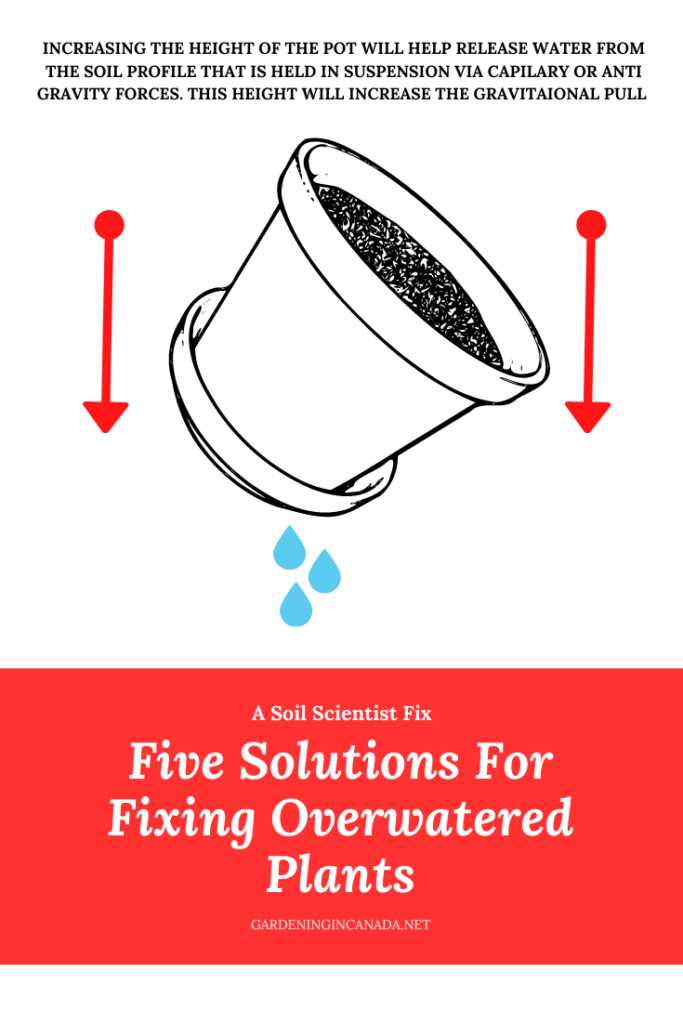
Check the saucer or pot for extra water. Pour out any standing water to prevent root rot. If the soil is soggy, gently lift the plant and let it drain. Removing excess water stops further damage.
Improving Soil Drainage
Improving soil drainage is key to rescuing overwatered plants. Waterlogged soil suffocates roots and causes decay. Better drainage lets excess water escape quickly. This helps roots breathe and stay healthy.
Changing how soil drains prevents future overwatering problems. Simple steps can make a big difference for your plant’s health. Focus on pot drainage, fresh soil, and proper soil mixes.
Check Pot Drainage Holes
Drainage holes allow water to flow out of the pot. Without them, water pools at the bottom and harms roots. Examine your pot carefully. Make sure holes exist and are not blocked.
Clear any dirt or debris clogging the holes. If the pot has no holes, transfer the plant to one that does. Proper drainage holes reduce water buildup and root rot risks.
Repot With Fresh Soil
Old soil often holds too much moisture. It may compact and stop draining well. Gently remove the plant from its pot. Shake off or wash away the soggy soil around the roots.
Choose fresh soil that drains better. Repot the plant in this soil to improve airflow and water flow. Fresh soil encourages healthy root growth and faster drying.
Use Well-draining Soil Mix
Standard garden soil may be too dense for potted plants. A well-draining mix includes materials like perlite or sand. These create air pockets and channels for water to escape.
Mix potting soil with perlite, vermiculite, or coarse sand. This blend dries faster and stops water from pooling. Good soil mix keeps roots from sitting in water and prevents rot.
Credit: www.patchplants.com
Root Inspection And Care
Root inspection and care are crucial steps to save an overwatered plant. The roots tell the real story of your plant’s health. Healthy roots absorb water and nutrients well. Damaged roots struggle and can cause the plant to wilt or die. Taking time to check and treat the roots helps your plant recover faster.
Remove Plant From Pot
Gently take the plant out of its pot to check the roots. Hold the base of the plant and tip the pot sideways. Carefully slide the root ball out. Avoid pulling hard to prevent root damage. If the soil sticks, loosen it softly with your fingers. This step gives clear access to the roots for inspection.
Identify Root Rot
Look closely at the roots for signs of root rot. Healthy roots are firm and white or light tan. Rotten roots are soft, mushy, and dark brown or black. They may smell bad or feel slimy. Root rot happens when roots stay wet too long. Spotting rot early stops it from spreading.
Trim Damaged Roots
Use clean scissors or a sharp knife to cut away the rotten roots. Remove all soft, dark parts carefully. Leave only healthy, firm roots. Trimming prevents rot from hurting the rest of the plant. After trimming, treat the roots with a fungicide if available. Repot the plant in fresh, dry soil to help it heal.
Drying Out The Soil
Drying out the soil is the first step to save an overwatered plant. Wet soil blocks air from reaching roots, causing root rot. The soil must lose excess moisture quickly but gently. This helps roots breathe and recover. Below are simple ways to dry the soil effectively.
Increase Air Circulation
Good air movement helps soil dry faster. Place the plant in a spot with natural airflow, like near an open window. Moving air carries moisture away from the soil surface. This speeds up drying without harming the plant.
Use Fans Or Skewers
A small fan can boost air circulation around the plant. Set it on low to avoid stress. For thick or compact soil, insert clean wooden skewers or chopsticks into the soil. They create small channels for air to reach deeper soil layers.
Allow Natural Evaporation
Let the soil dry naturally by avoiding watering completely. Keep the plant in a warm room with indirect sunlight. Warmth encourages water to evaporate from the soil surface. Check soil moisture daily to track progress and avoid over-drying.
Adjusting Watering Habits
Adjusting watering habits is key to preventing overwatering and helping plants recover. It means paying close attention to soil moisture and responding to the plant’s needs. Plants do not need water on a fixed schedule. They need water when the soil is dry enough to absorb it well.
Check Soil Moisture Before Watering
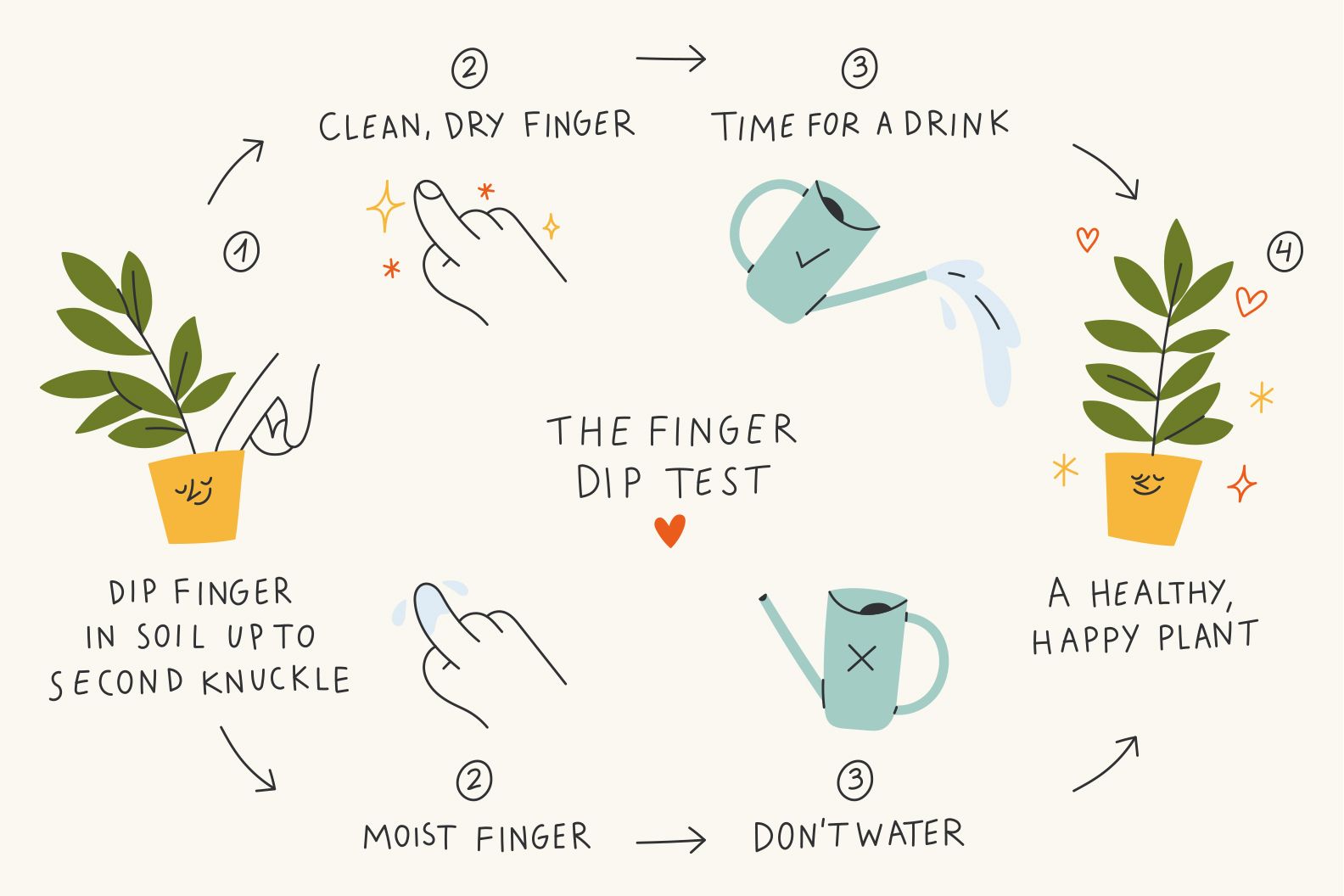
Always check the soil moisture before watering your plant. Stick your finger about two inches into the soil. If it feels damp, hold off watering. Wet soil means the plant has enough water. Overwatering can cause root rot and harm the plant.
Avoid Strict Watering Schedules
Do not water plants on a strict timetable. Each plant and pot dries out at a different rate. Weather, light, and temperature affect soil moisture. Adjust watering based on these factors. This prevents giving water when the soil is still wet.
Water Only When Soil Is Dry
Water your plants only when the soil feels dry. Dry soil means the plant needs water to stay healthy. Water slowly and allow it to soak in. Avoid watering too much at once. This helps roots absorb water without sitting in excess moisture.
Patience During Recovery
Recovering from overwatering takes time and care. Plants do not heal quickly. Giving your plant space and patience is essential. Avoid rushing the process or overwatering again. Let nature take its course while you support the plant’s needs. Watch closely but do not disturb the plant too much.
Recovery Timeframes
Recovery can take days or weeks depending on the plant type. Some plants bounce back within a week. Others may need a month or more to heal. Root damage slows the process significantly. Factors like temperature and humidity also affect recovery speed. Keep soil dry until the plant shows signs of improvement.
Signs Of Improvement
New leaf growth is the best sign of recovery. Leaves become firmer and brighter in color. Wilted or yellow leaves may start to regain strength. Roots that are white and firm indicate healing. Soil drying between waterings shows improved root function. Slow but steady progress means your plant is on the mend.
When To Consider Plant Replacement
Replace the plant if no improvement appears after several weeks. Severe root rot often kills the plant beyond repair. Constant leaf drop and blackened roots are bad signs. If the plant remains limp and weak, it may not survive. Starting fresh can save space and effort in the long run.
Preventing Future Overwatering
Preventing future overwatering is key to keeping plants healthy and thriving. Taking simple steps can avoid water stress and root damage. These steps help plants get just the right amount of water.
Choosing the right pot, watching the environment, and understanding each plant’s needs all play a role. These actions reduce the risk of overwatering and promote strong growth.
Choose Suitable Pots
Select pots with drainage holes to allow excess water to escape. Avoid pots that hold water at the bottom, which can cause root rot. Use pots made from breathable materials like terracotta. These help soil dry out faster. Match pot size to plant size to prevent soil from staying wet too long.
Monitor Environmental Conditions
Keep an eye on temperature and humidity levels around plants. Warm, dry air helps soil dry faster, while cool, humid conditions slow it down. Adjust watering frequency based on these factors. Use a moisture meter to check soil wetness below the surface. This tool guides when to water, not just the top layer.
Educate On Plant-specific Needs
Learn about each plant’s water requirements. Some plants like succulents need less water. Others, like ferns, prefer consistently moist soil. Avoid watering by schedule alone. Instead, feel the soil or use moisture tools to decide. Understanding your plant’s unique habits helps prevent overwatering and supports healthy growth.
Frequently Asked Questions
Can A Plant Recover From Overwatering?
Yes, a plant can recover from overwatering if addressed quickly. Stop watering, let soil dry, improve drainage, and prune rotten roots. Recovery time varies but is possible with proper care and patience.
How Do I Dry Out An Overwatered Plant?
Stop watering immediately and let the soil dry completely. Improve drainage by repotting with fresh soil and drainage holes. Inspect roots for rot and prune damaged parts. Increase air circulation and avoid watering until soil feels dry. Be patient; recovery may take weeks.
What Does An Overwatered Plant Look Like?
An overwatered plant shows yellowing, wilting, and drooping leaves. Soil stays soggy, and roots may rot or smell foul.
How Long Does It Take To Reverse Water Plants?
Reversing water plants typically takes 1 to 3 weeks for mild cases. Severe damage may require months or may not recover.
Conclusion
Fixing overwatered plants takes time and care. Stop watering immediately and let soil dry. Move plants to a warm place with good airflow. Check roots for rot and prune damaged parts. Repot in fresh, well-draining soil with drainage holes. Water only when soil feels dry a few inches deep.
Watch your plant closely during recovery. Patience helps plants heal and grow healthy again. With these steps, your plant stands a good chance to bounce back.