How to Attach Pothos to Moss Pole: Easy Steps for Lush Growth
If you want your pothos to grow tall, lush, and full of life, attaching it to a moss pole is the secret you need to know. But how do you do it without harming your plant?
You might be wondering how to secure those long vines so they climb naturally and look stunning. In this guide, you’ll learn simple, step-by-step tips to attach your pothos safely and encourage healthy growth. By the end, you’ll have the confidence to transform your pothos into a vibrant, climbing beauty that fills your space with fresh energy.
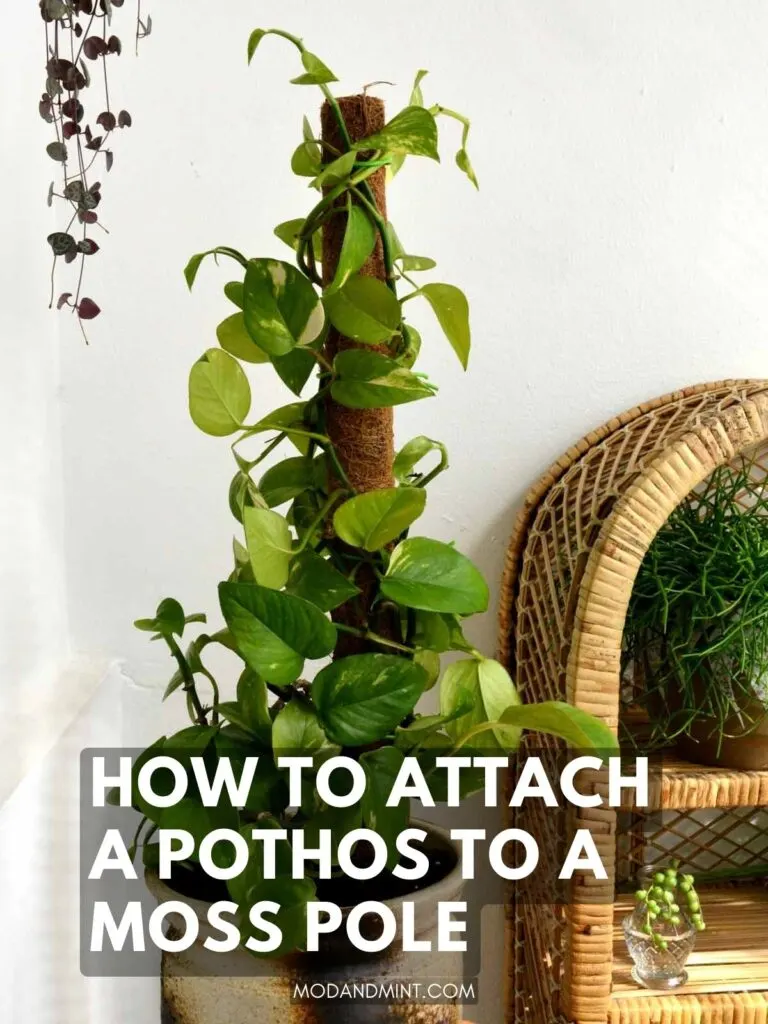
Credit: www.modandmint.com
Choosing The Right Moss Pole
Choosing the right moss pole is key to helping your pothos climb well. A good moss pole supports the plant’s growth and keeps it healthy. Picking the correct type, size, and preparing the pole properly makes attaching easy and effective.
Types Of Moss Poles
Moss poles come in many types. The most common is sphagnum moss wrapped around a sturdy frame. Some poles use coco coir or peat moss as alternatives. Wooden stakes covered with moss also work well. Choose a pole with natural materials that hold moisture. This helps aerial roots stick and grow strong. Avoid plastic poles because they do not retain water.
Size And Height Considerations
Pick a moss pole tall enough for your pothos to climb. The pole should be at least as tall as the plant’s longest vine. If the pole is too short, the plant will outgrow it quickly. A thicker pole gives better support to heavy vines. Consider the pot size too. A very thick pole may crowd the roots in a small pot. Balance height and thickness for the best fit.
Preparing The Moss Pole
Before using, soak the moss pole in water for 10 to 15 minutes. This makes the moss damp and ready for roots to attach. Squeeze out excess water to avoid soggy soil. Trim any loose moss to prevent mess. Insert the pole firmly into the pot near the plant’s base. Make sure the pole is stable and won’t tip over. Moist moss encourages root growth and helps the pothos climb quickly.
Preparing Your Pothos Plant
Preparing your pothos plant is the first step to a healthy climb on a moss pole. Proper preparation helps the plant attach well and grow stronger. It also reduces stress on the vines. Follow these tips to get your pothos ready for its new support.
Selecting Healthy Vines
Pick vines that look strong and healthy. Avoid stems with yellow or damaged leaves. Choose vines with firm stems and vibrant green leaves. Healthy vines attach better to the moss pole and grow faster. Check for aerial roots; these help the plant cling to the pole.
When To Attach The Moss Pole
Attach the moss pole when the plant is young or during repotting. Young plants adapt faster to the pole. If your pothos is already big, gently guide the vines toward the pole. Use soft ties to secure them without hurting the stems. Early attachment encourages climbing habits.
Repotting With A Moss Pole
Repotting is a perfect time to add a moss pole. Place the pole in the pot before adding soil. Position the roots around the pole carefully. This gives the plant a firm base to climb. Water the plant well after repotting to reduce shock and help it settle.
Securing Vines To The Pole
Securing vines to the moss pole is essential for healthy pothos growth. It helps the plant climb naturally and supports its weight. Proper attachment encourages aerial roots to connect with the moss, improving moisture absorption. This section guides you on how to attach your pothos vines safely and effectively.
Wrapping Vines Around The Pole
Start by gently wrapping the longest vine around the moss pole. Guide the vine upwards in a spiral pattern for even support. Avoid forcing the vine to bend sharply, as this can cause breaks. Wrapping helps the plant grow vertically and makes it look neat.
Using Soft Ties And Clips
Use soft ties like velcro strips, twine, or plant clips to hold the vines in place. Attach them loosely to prevent cutting into the stems. Soft materials protect the plant while giving it room to grow. Check ties regularly and adjust as the vine thickens.
Avoiding Stem Damage
Handle the vines carefully during attachment to avoid bruising or breaking stems. Do not tie vines too tightly around the pole. Tight ties can restrict growth and cause wounds. Keep the moss pole moist to encourage aerial roots to attach naturally, reducing the need for tight securing.
Encouraging Aerial Root Attachment
Encouraging aerial root attachment is key for training your pothos to climb a moss pole. Aerial roots help the plant grip the pole and absorb moisture. Helping these roots connect firmly ensures a healthy and stable climb. Simple steps can guide the roots to attach and grow strong.
Positioning Aerial Roots
Place the aerial roots so they touch the moss surface. Roots need direct contact to start growing into the pole. Gently press the roots against the moss without damaging them. Secure vines loosely to keep roots in place. This contact encourages the roots to grab hold and grow.
Keeping The Moss Pole Moist
Moisture is vital for root attachment. Mist the moss pole daily or whenever it feels dry. Damp moss creates a friendly environment for the roots. Avoid soaking the pole, as excess water can cause rot. Consistent moisture helps roots grow quickly and stick firmly.
Removing Ties After Rooting
Check the aerial roots after a few weeks. Once roots wrap around the pole, they hold the plant securely. Carefully remove any ties or clips without harming the stems. Removing ties lets the plant grow naturally on the pole. Continue guiding new vines upward as the pothos grows.
Training New Growth
Training new growth on your pothos helps the plant climb the moss pole naturally. It encourages strong, healthy vines and a fuller look. The process needs patience and gentle care. New vines need clear direction to grow upward along the pole. Consistent attention makes the plant thrive and cover the pole beautifully.
Guiding Vines Upward
Start by gently wrapping the new vines around the moss pole. Use soft ties like velcro strips or plant clips to hold them. Avoid tying too tight to prevent damage. Position the vines so their aerial roots touch the moss surface. This contact helps roots attach and absorb moisture.
Check the vines often and adjust the ties as the plant grows. Guide each new vine upward along the pole. This steady support trains the pothos to climb in a natural pattern.
Managing Stubborn Vines
Some vines may resist climbing or bend awkwardly. Handle these with care to avoid snapping. Slowly reposition the vine over several days. Use gentle pressure to encourage it toward the moss pole.
If a vine remains stiff, prune the tip to promote new growth. New shoots tend to be more flexible and easier to train. Regular misting of the moss pole also softens the plant, making it more cooperative.
Pruning For Better Growth
Prune your pothos regularly to encourage thick, healthy vines. Remove weak or leggy growth to focus energy on strong stems. Cut just above a leaf node to stimulate branching.
Pruning helps shape the plant and keeps it manageable on the moss pole. It also prevents overcrowding and promotes better air circulation. Well-maintained vines grow faster and attach better to the moss pole.

Credit: www.gardenstead.com
Maintaining Moss Pole And Plant Health
Maintaining both the moss pole and your pothos plant ensures healthy growth and a strong climb. Regular care keeps the pole moist and the plant free from pests. This care helps aerial roots attach firmly to the pole, supporting the plant as it grows upward.
Regular Mistings
Misting the moss pole keeps it damp and inviting for aerial roots. Use a spray bottle to mist the pole every few days. Avoid soaking the pole; a light mist is enough. This moisture helps roots cling and absorb nutrients. Dry moss can slow root attachment and growth.
Checking For Pests
Inspect the moss pole and pothos leaves regularly for pests. Look for tiny insects, webs, or sticky residue. Early detection prevents infestations from spreading. Remove pests by wiping leaves with a damp cloth or using safe insect sprays. Healthy plants resist pests better and grow stronger.
Replacing Or Refreshing Moss
Over time, moss can dry out or break down. Replace or refresh moss once every 6 to 12 months. Gently remove old moss without disturbing roots. Add fresh sphagnum moss around the pole to keep it moist. Fresh moss supports root attachment and keeps the pole sturdy.

Credit: www.youtube.com
Conclusion
Attaching your pothos to a moss pole helps it grow strong and healthy. Wrap vines gently and secure them with soft ties. Keep the moss pole moist to encourage root attachment. Guide new vines as the plant grows for better support.
With patience, your pothos will climb beautifully and look vibrant. This simple method improves plant health and adds a natural touch to your space. Enjoy watching your pothos thrive on its new moss pole support.