How Often Should Potato Plants Be Watered
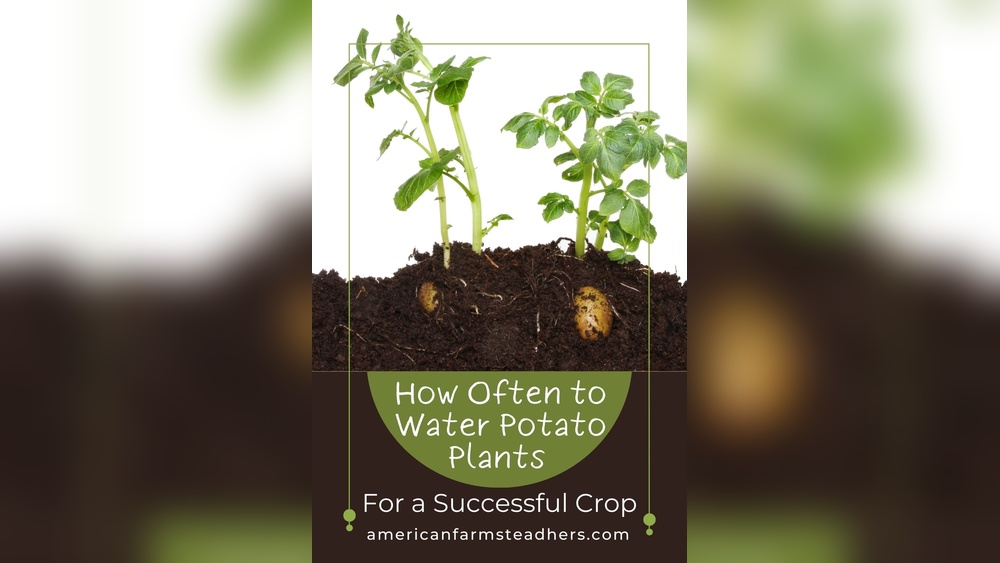
Are you wondering how often to water your potato plants to get the best harvest? Watering potatoes might seem simple, but too much or too little can hurt your crop.
If you water incorrectly, your plants might struggle, or worse, develop problems like rot or poor growth. The good news is, with the right watering schedule, you can grow healthy, tasty potatoes right in your garden or containers. You’ll discover exactly when and how often to water your potato plants, so you can avoid common mistakes and enjoy a bountiful harvest.
Let’s dive in and give your potatoes the care they truly need!

Credit: www.reddit.com
Water Needs By Growth Stage
Potato plants need different amounts of water at each growth stage. Understanding these needs helps to keep plants healthy and boosts yield. Watering too much or too little can harm the crop. Follow the guidelines below to water potatoes correctly through their growth cycle.
Watering After Planting
Right after planting, give potatoes a deep watering. This helps settle the soil around the seed pieces. Keep the soil moist but not soaked. Water once or twice a week depending on rain and soil type. Avoid waterlogging because it can cause rot.
During Foliage Development
Potatoes need the most water during foliage growth. This stage lasts from a few weeks after planting until flowering. Water deeply two to three times a week. Check the soil moisture regularly to avoid drying out. Healthy leaves mean healthy tubers below ground.
Before Harvest
Reduce watering as the plants near harvest time. Stop watering about two weeks before digging up potatoes. This helps the skins toughen and reduces rot risk. Dry soil makes harvesting easier and improves storage life.
Frequency For Different Conditions
Potato plants need different watering schedules depending on the weather and growing conditions. Adjusting water frequency helps plants stay healthy and produce more tubers. Dry soil can stress the plants, while too much water can cause rot. Below are guidelines for watering potato plants in various conditions.
In Hot Weather
Hot weather makes soil dry very fast. Water potato plants deeply at least three times a week. Early morning watering helps reduce evaporation. Check soil moisture often by touching the top inch. Keep soil moist but not soggy to avoid root problems.
In Cooler Weather
Cool weather slows down soil drying. Water potato plants about once or twice a week. Avoid watering if the soil still feels damp. Overwatering in cool weather can cause tuber rot. Let the soil dry slightly between watering to keep roots healthy.
For Container And Grow Bag Plants
Containers and grow bags dry out faster than garden soil. Check soil moisture daily by sticking your finger into the soil. Water when the top inch feels dry. Use enough water to soak through the container’s soil. Frequent light watering can lead to weak roots, so water deeply instead.
Signs Of Overwatering
Overwatering potato plants can harm their growth and yield. It is important to spot signs early. These signs help adjust watering habits quickly. Watch your plants and soil carefully to keep them healthy.
Visual Symptoms
Leaves may turn yellow or pale green. They might look wilted even when soil is wet. Brown or black spots can appear on leaves. Stems may become soft or rotten. New growth might slow down or stop. Plants can develop a bad smell from root rot. Leaves could curl or drop prematurely.
Soil Indicators
The soil stays wet for many days. It feels soggy or muddy to touch. Water may pool on the surface after watering. Soil may have a sour or rotten smell. Roots may appear dark and mushy instead of white. Soil compaction can increase due to excess water. These signs show soil is holding too much moisture.

Credit: vegtotable.com
Signs Potatoes Need Water
Potato plants show clear signs when they need water. Watching these signs helps keep your plants healthy and productive. Early detection prevents damage and supports good growth.
Dry soil or drooping leaves can signal thirst. Knowing these signs saves time and water. Let’s explore the main indicators that tell you when to water potatoes.
Leaf And Stem Cues
Leaves start to wilt or curl when potatoes need water. They lose their bright green color and look dull. Stems may also become soft or bend easily. These changes happen because the plant lacks moisture. Check leaves daily to catch these signs early. Healthy leaves stay firm and vibrant.
Soil Moisture Tests
Feel the soil around your potato plants to check moisture. Stick your finger about an inch deep into the soil. If it feels dry, it is time to water. Moist soil feels cool and slightly damp. Avoid watering if the soil is still wet to prevent root rot. Regular soil checks help keep watering on track.
Watering Techniques
Proper watering techniques help potato plants grow strong and produce many tubers. Watering must balance between too little and too much moisture. The right method keeps roots healthy and soil fertile. Here are simple ways to water potatoes effectively and maintain good soil moisture.
Fingertip Soil Test
Check soil moisture by touching the soil with your fingertip. Insert your finger about one inch deep near the plant. If the soil feels dry, it is time to water. If it feels moist, wait a day or two before watering. This test helps avoid overwatering and underwatering.
Deep Vs. Shallow Watering
Water potatoes deeply to encourage strong root growth. Deep watering means soaking soil several inches down. Shallow watering wets only the top soil, which can cause weak roots. Use a slow, steady stream of water so it reaches deeper layers. This method also reduces water loss from evaporation.
Using Mulch To Retain Moisture
Mulch helps keep soil moist and cool around potato plants. Spread straw, leaves, or grass clippings around the base. Mulch reduces evaporation and keeps weeds away. It also protects soil from temperature swings. This simple step saves water and improves plant health.
Credit: www.creativevegetablegardener.com
Adjusting Watering Schedule
Adjusting the watering schedule for potato plants is essential for healthy growth. Different factors affect how much water your plants need. This section helps you change your watering habits to match those factors. Proper watering keeps potatoes from drying out or getting too wet. Both can harm the crop.
Based On Soil Type
Soil type changes how fast water drains and stays in the ground. Sandy soil drains quickly and needs more frequent watering. Clay soil holds water longer and needs less frequent watering. Loamy soil balances drainage and moisture well but still needs regular checks. Water potato plants less often in clay soil. Water more often in sandy soil to keep moisture steady.
Adapting To Weather Changes
Weather affects how often you water potato plants. Hot and dry weather makes soil dry faster. Water more often during heat waves or dry spells. Cooler or rainy weather means less watering is needed. Watch for sudden weather changes and adjust your schedule. Avoid watering on rainy days to prevent waterlogging.
Monitoring Plant Health
Look at your potato plants to decide if watering needs change. Yellow leaves or wilting show signs of underwatering. Soft, yellowing leaves or mold suggest overwatering. Check soil moisture by feeling it with your fingers. Water when the top inch of soil feels dry. Adjust watering based on what your plants and soil tell you.
Common Watering Mistakes
Watering potato plants correctly is vital for a good harvest. Many gardeners make simple watering mistakes that hurt their plants. Knowing these mistakes helps you avoid them and keep your potatoes healthy.
Watering Too Often
Giving potatoes water too often can drown the roots. Wet soil stops oxygen from reaching roots. This causes root rot and weak plants. Water only when the top inch of soil feels dry. Overwatering wastes water and harms your crop.
Watering Too Little
Not watering enough makes potato plants stressed. Dry soil slows growth and reduces tuber size. Potatoes need steady moisture, especially when flowering. Lack of water causes small, tough potatoes. Check soil moisture regularly to keep it slightly damp.
Ignoring Drainage Needs
Potatoes dislike standing water. Poor drainage keeps water around roots too long. This leads to rotting tubers and disease. Use loose, well-draining soil for planting. Raised beds or containers with holes improve drainage. Good soil helps water flow away from roots.
Frequently Asked Questions
Can Potatoes Get Too Much Water?
Yes, potatoes can get too much water, causing root rot and poor growth. Water only when the top inch of soil is dry.
How To Tell If Potatoes Need Watering?
Check soil moisture by inserting your finger about one inch deep. Water potatoes when the soil feels dry at this depth. Wilted or yellowing leaves also indicate the need for watering. Keep soil consistently moist but avoid waterlogging to ensure healthy potato growth.
How Often Should I Water Potatoes In Hot Weather?
Water potatoes every 2-3 days in hot weather. Ensure soil stays moist but not soggy. Check the top inch of soil; water when dry.
What Do Overwatered Potatoes Look Like?
Overwatered potatoes have yellowing, wilting leaves and soft, mushy tubers. Soil stays soggy and smells musty.
Conclusion
Potato plants need steady moisture to grow well. Water them two to three times each week. Check soil with your finger; water if the top inch feels dry. Avoid soaking soil to prevent root problems. During hot weather, water more often to keep soil moist.
Watch plant leaves for signs of too much or too little water. Consistent care helps produce healthy, tasty potatoes. Simple steps make a big difference in your garden success. Keep watering smart and enjoy your fresh potato harvest.