How Often Should Newly Planted Trees Be Watered
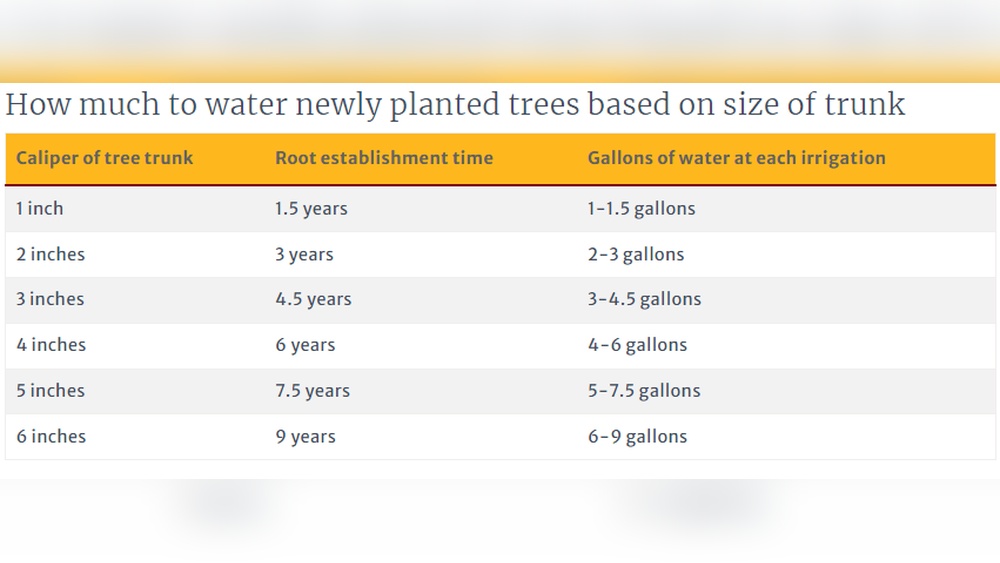
Planting a new tree is an exciting step toward enhancing your outdoor space, but knowing how often to water it can be confusing. Watering too little can leave your tree thirsty and weak, while watering too much may harm its roots and stunt growth.
So, how do you find the perfect balance to help your tree thrive? You’ll discover simple, effective watering tips tailored for newly planted trees. By following these guidelines, you’ll give your tree the best chance to grow strong and healthy right from the start.
Keep reading to learn exactly how often and how much you should water your new tree to watch it flourish season after season.
Water Needs For New Trees
Newly planted trees need the right amount of water to grow strong. Water helps the tree survive and settle into its new home. Too little or too much water can harm the tree. Understanding water needs is key to healthy growth.
Watering new trees properly supports root growth and overall health. Each stage of growth requires different care. Knowing these stages helps you water correctly and keep your tree alive.
Why Watering Matters
Water delivers nutrients and oxygen to tree roots. Without enough water, roots dry out and die. This weakens the tree and slows growth. Water also helps the tree fight stress from heat and wind.
New trees have small root systems. They cannot reach deep water like mature trees. Regular watering keeps the soil moist and supports root development. This early care is critical for the tree’s future.
Root Establishment Phase
During this phase, roots grow to anchor the tree. Water needs are high because roots expand quickly. The soil around the roots should stay damp but not soaked.
Water the tree deeply to encourage roots to grow down. Shallow watering causes roots to stay near the surface and dry out fast. Watering every few days is common, but this depends on soil and weather.
Check soil moisture before watering. If the soil feels wet, wait before adding more water. Proper watering helps the tree build a strong root system and survive the first year.

Credit: caffreytree.com
Signs Of Overwatering
Overwatering newly planted trees can cause serious problems. It limits oxygen to the roots and damages the tree’s health. Recognizing signs of overwatering early helps save your tree. Watch for changes in leaves, soil, and fungal growth around the tree.
Leaf Yellowing Patterns
Leaves turning yellow is a key sign of overwatering. Yellowing often starts on the lower branches or inside the canopy. The leaves may feel soft or limp. This happens because waterlogged roots cannot absorb nutrients well. Watch for leaves that drop early, too.
Soil And Root Conditions
Check the soil around your tree regularly. Overwatered soil stays soggy and does not dry out. Roots may look brown, mushy, or rotten instead of firm and white. Bad roots cannot support the tree’s growth. Dig gently near the base to inspect roots and soil moisture.
Fungal Growth Indicators
Fungi thrive in wet soil conditions. Look for mushrooms or mold growing near the tree’s base. This growth signals too much moisture in the soil. Fungal infections can harm roots and stunt the tree. Removing excess water and improving drainage can stop fungi from spreading.
Signs Of Underwatering
Newly planted trees need the right amount of water to grow strong. Not watering enough causes problems that show in clear ways. Knowing the signs of underwatering helps you save your tree early. Watch your tree closely to catch these signs fast.
Wilting Leaves
Leaves are the first to show stress from underwatering. They droop and lose their firmness. Wilting leaves look limp and lifeless. This happens because the tree lacks water to keep cells full. Leaves may curl at the edges or turn brown. Wilting is a warning that the tree needs water soon.
Dry Soil Symptoms
Soil dryness is a key sign of underwatering. Check the soil around the tree by digging a few inches deep. If the soil feels hard and crumbly, it is too dry. Dry soil stops roots from absorbing water. It may also pull away from the root ball, leaving roots exposed. Keep the soil moist but not soggy for best growth.
Slow Growth Effects
Underwatered trees grow slower than healthy ones. New leaves and shoots appear less often. The tree may stop growing taller or wider. Slow growth happens because the tree lacks water to support new cells. Over time, this weakens the tree and reduces its ability to thrive. Regular watering helps maintain steady growth.
Watering Frequency Guidelines
Watering newly planted trees correctly helps them grow strong roots. The right watering frequency keeps roots moist without drowning them. It supports healthy growth and reduces stress on the tree. Follow these simple guidelines to water your new trees well.
Daily Vs. Weekly Watering
New trees often need daily watering at first. This helps the roots settle into the soil. Water deeply each time to reach the root zone. After a few weeks, switch to watering once or twice a week. This encourages roots to grow deeper. Avoid shallow watering that only wets the surface.
Adjusting For Climate And Soil
Hot, dry climates require more frequent watering. Cooler or humid areas need less water. Sandy soils drain quickly and need watering more often. Clay soils hold moisture longer and require less frequent watering. Check soil moisture before watering to avoid overwatering.
Seasonal Changes
Water needs change with the seasons. In spring and summer, water new trees regularly. During fall and winter, reduce watering as the tree grows slower. Watch for rain and adjust watering to prevent soggy soil. Seasonal care helps trees prepare for growth or dormancy.
Proper Watering Techniques
Proper watering techniques are crucial for the health of newly planted trees. Water supports root development and helps trees establish quickly. Using the right methods ensures water reaches deep roots without causing harm. These techniques avoid common problems like shallow roots or water stress.
Deep And Slow Watering
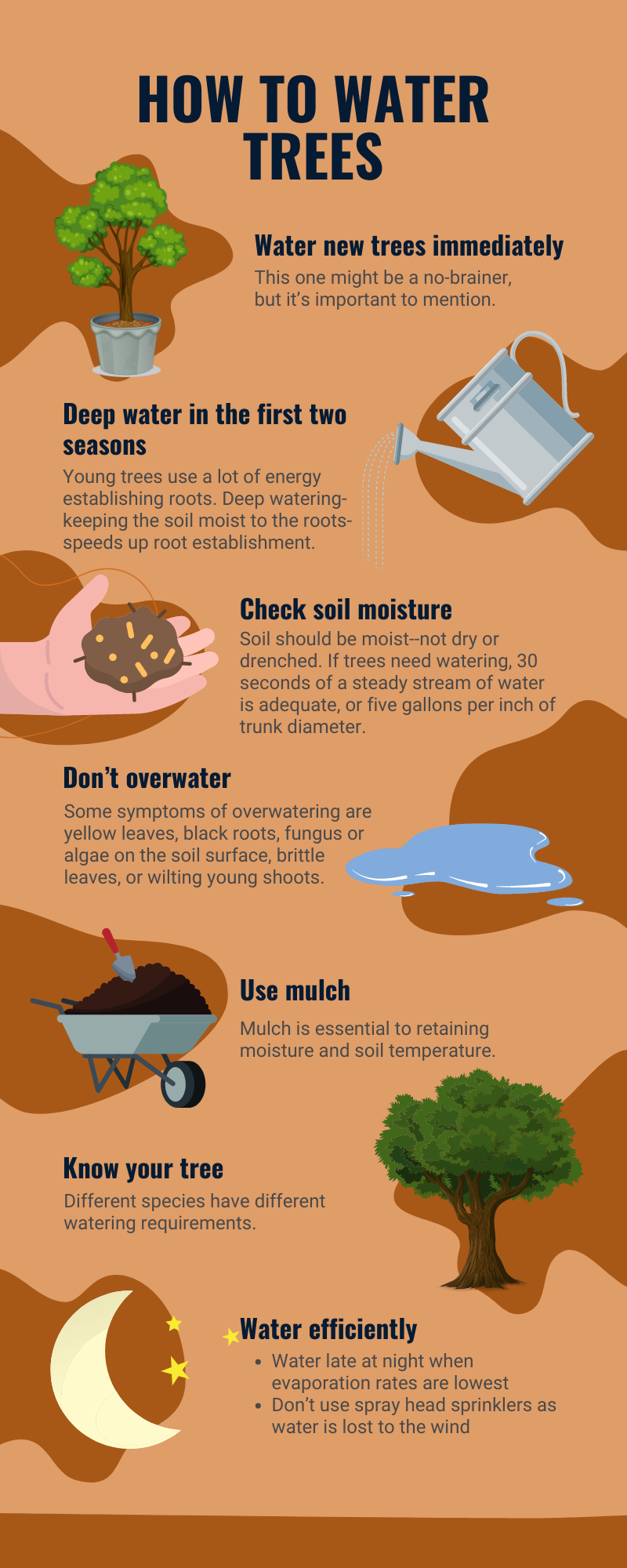
Watering deeply and slowly helps water soak into the soil. This encourages roots to grow downward. Use a slow drip or a soaker hose. Avoid quick watering that only wets the surface. Deep watering promotes strong, healthy roots that support tree growth.
Checking Soil Moisture
Soil moisture should be checked before watering. Dig a small hole about two inches deep near the tree base. Feel the soil to see if it is dry or moist. Water only if the soil feels dry. This prevents overwatering and saves water.
Avoiding Waterlogging
Waterlogging harms tree roots by cutting off oxygen. Avoid watering too often or too much. Ensure the soil drains well to prevent standing water. Mulch can help retain moisture but keep it away from the trunk. Proper drainage keeps roots healthy and prevents diseases.
Credit: www.precisiontreemn.com
Mulching Tips
Mulching plays a vital role in caring for newly planted trees. It helps keep the soil moist and protects the roots. Using mulch properly can improve tree health and reduce watering needs.
Mulch Placement
Place mulch in a wide circle around the tree. Keep it 3 to 6 inches away from the trunk. Avoid piling mulch against the trunk to prevent rot. A 2 to 4 inch thick layer works best. This setup helps roots grow outward and access water easily.
Benefits For Moisture Retention
Mulch slows water evaporation from the soil surface. It keeps soil cooler and retains moisture longer. This reduces the frequency of watering needed. The soil stays damp but not soggy. Mulch also prevents soil from drying out during hot days.
Preventing Trunk Diseases
Mulch placed too close to the trunk traps moisture there. This creates a perfect environment for fungi and insects. These pests can cause bark decay and trunk diseases. Keeping mulch away from the trunk allows air circulation. It keeps the bark dry and healthy, preventing infections.
Adjusting Watering After Rain
Rain affects how often newly planted trees need watering. After a good rain, the soil holds moisture that the tree roots can use. Adjusting your watering schedule helps avoid overwatering and keeps the roots healthy. Watching the soil and weather closely is key to finding the right balance.
Monitoring Soil Moisture
Check the soil near the tree after rain. Use your fingers or a small tool to dig about two inches deep. If the soil feels wet or soggy, wait before watering again. Dry or crumbly soil means the tree still needs water. This simple test stops watering too soon or too late.
Skipping Watering Sessions
Skip watering if recent rain soaked the soil well. Overwatering can harm young roots and slow growth. Keep an eye on the weather forecast to plan watering days. Avoid watering right after rain to prevent root rot. Saving water also helps the environment and lowers your water bill.
Long-term Watering Strategies
Long-term watering is key for newly planted trees to thrive. As trees grow, their water needs change. Proper watering supports strong roots and healthy growth. Planning a watering schedule beyond the first few weeks helps trees adjust well. This section covers how to shift watering and support mature trees.
Transitioning To Natural Rainfall
New trees rely on regular watering at first. Slowly reduce watering as they grow. Watch the weather and soil moisture closely. Let natural rain take over watering duties. Avoid watering if rain is enough. This helps roots grow deeper and stronger. Over time, trees become less dependent on hand watering.
Check soil moisture before watering. Dig two inches deep to feel the soil. If dry, water deeply. If moist, wait a day or two. Transitioning to rain saves water and builds tree resilience.
Supporting Mature Tree Growth
Mature trees need less frequent watering but more water per session. Deep watering encourages roots to spread wide and deep. Water slowly to soak the root zone. Use a drip irrigation or soaker hose for best results.
Mulch around the tree keeps soil moist and cool. Keep mulch a few inches from the trunk to prevent rot. In hot or dry seasons, check soil moisture weekly. Adjust watering to avoid stress during droughts. Healthy mature trees resist pests and diseases better.

Credit: www.youtube.com
Frequently Asked Questions
Can You Overwater Newly Planted Trees?
Yes, overwatering newly planted trees can suffocate roots, cause root rot, and harm growth. Water deeply but infrequently, allowing soil to dry between waterings.
How Long Do You Need To Water Newly Planted Trees?
Water newly planted trees deeply once or twice a week for the first year. Adjust frequency based on soil moisture and weather. Avoid overwatering to prevent root rot. Check soil two inches deep; water only if dry. Mulch around, not touching, the trunk to retain moisture and prevent disease.
How Often Should Newly Planted Trees Be Watered?
New trees need deep watering every 2-3 days for the first two weeks. Then water weekly.
Can Overwatering Harm Newly Planted Trees?
Yes, too much water can cause root rot and suffocate roots, harming the tree.
Conclusion
Newly planted trees need careful watering to grow strong. Water deeply to reach all roots, but not too often. Let the soil dry a bit between waterings. Check soil moisture regularly to avoid overwatering. Adjust watering based on weather and soil type.
Proper watering helps trees develop healthy roots and thrive. Taking time to water correctly ensures your trees stay healthy and grow well. Remember, good watering habits now save problems later.