How Often Should Indoor Plants Be Watered
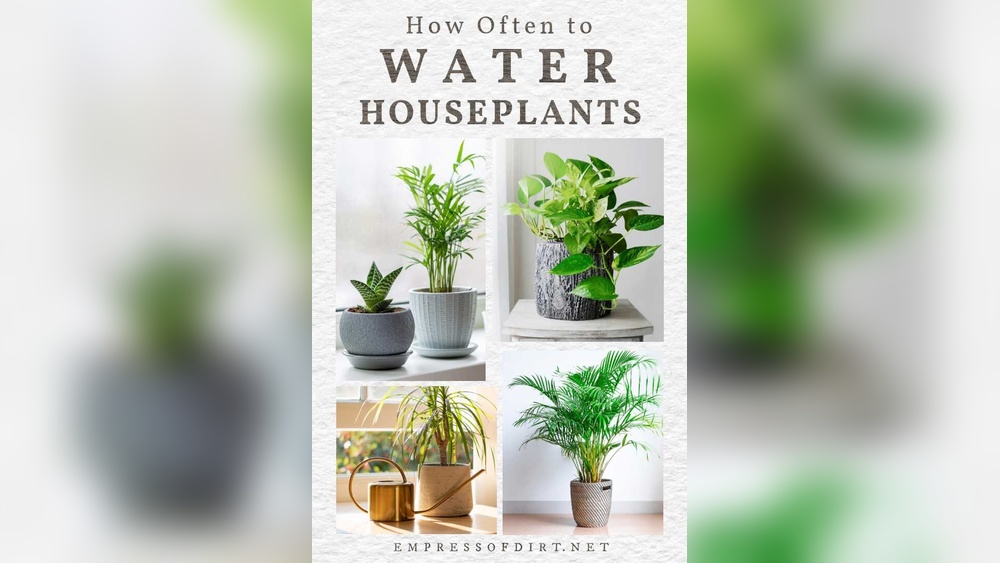
Wondering how often you should water your indoor plants? You’re not alone.
Getting the watering schedule just right can be tricky, but it’s key to keeping your green friends healthy and thriving. Too much water can drown them, while too little leaves them thirsty and wilting. You’ll discover simple, effective tips to find the perfect balance for your plants.
Stick around, and soon you’ll have the confidence to water your indoor plants like a pro—ensuring they stay vibrant and full of life all year round.
Watering Frequency Basics
Watering indoor plants properly ensures they stay healthy and vibrant. The right frequency depends on many factors. Knowing the basics helps avoid overwatering or underwatering. Each plant has unique needs, but some general rules apply. Understanding soil moisture, seasonal changes, and pot details guides your watering schedule.
Soil Moisture And Plant Needs
Soil moisture is the best indicator of watering time. Most plants prefer the top inch of soil to dry out before watering again. Check the soil by touching it with your finger. If it feels dry, it is time to water. Some plants need more water, like tropical types. Succulents and cacti need less water and drier soil.
Seasonal Watering Changes
Plants change their water needs with seasons. During spring and summer, they usually need more water. Growth is faster, and evaporation is higher. In fall and winter, water less often. Many plants rest and use less water in cold months. Adjust watering to match the plant’s growth cycle and room temperature.
Impact Of Pot Size And Material
Pot size affects how often to water. Small pots dry out faster than large ones. The plant in a small pot may need water more often. Pot material also matters. Clay pots absorb moisture and dry soil quicker. Plastic pots hold moisture longer. Choose the right pot type and size for your plant and watering routine.

Credit: myplantin.com
Signs Your Plant Needs Water
Knowing when your indoor plant needs water is key to keeping it healthy. Plants cannot tell you directly, so you must watch for signs. These signs help prevent overwatering or underwatering, both harmful to plants.
Observe your plant regularly to catch early signals of thirst. Changes in leaves, soil moisture, and plant posture offer clues. Understanding these signs lets you water plants at the right time.
Wilting And Leaf Changes
Wilting is a clear sign your plant needs water. Leaves droop and lose firmness without enough moisture. Leaf edges may turn brown or crisp, showing dehydration.
Some plants show yellowing or leaf curling when thirsty. Watch for dull, dry, or brittle leaves too. These changes mean the plant’s water level is low.
Dry Soil Testing Techniques
Check soil dryness by touch before watering. Stick your finger about an inch into the soil. If it feels dry, your plant likely needs water.
Soil that feels moist or cool means no watering yet. Avoid watering if the soil is still damp to prevent root rot. This simple test helps decide the right watering time.
Using Moisture Meters
Moisture meters measure soil water content accurately. Insert the probe into the soil near the roots. The meter shows a reading indicating dryness or wetness.
Use the meter’s scale to decide if watering is needed. This tool removes guesswork and protects your plant from overwatering. Moisture meters are handy for beginners and busy plant owners.
Watering Techniques
Watering techniques play a key role in keeping indoor plants healthy and thriving. Understanding how to water your plants properly helps avoid common problems like root rot and dehydration. It also improves nutrient absorption and supports steady growth.
Different plants may need different watering methods. Knowing the pros and cons of each technique helps you choose the best one for your plant type and pot style. Let’s explore some common watering techniques and essential tips.
Top Watering Vs Bottom Watering
Top watering means pouring water directly on the soil surface. This method is quick and easy. It helps wash away dust from leaves and soil. However, it can cause water to sit on the soil top, inviting mold or fungus.
Bottom watering involves placing the pot in a tray of water. The plant absorbs water through drainage holes. This method encourages deep root growth and reduces mold risk. It also prevents overwatering by letting the plant drink what it needs.
Avoiding Overwatering
Overwatering is the most common cause of indoor plant problems. It suffocates roots and invites pests and diseases. Check the soil moisture before watering. Use your finger or a moisture meter to test the top inch of soil.
Only water when the soil feels dry. Water slowly and evenly to soak the soil without flooding. Empty any excess water from trays or saucers to keep roots healthy.
Proper Drainage Importance
Proper drainage prevents water from pooling at the pot’s bottom. Good drainage stops root rot and keeps soil aerated. Always use pots with drainage holes. If the pot does not have holes, add a layer of gravel at the bottom.
Use well-draining soil mixes designed for indoor plants. Avoid compacted soil that traps water. Check drainage regularly and repot plants if needed to maintain healthy roots.
Adjusting Watering By Plant Type
Water needs vary widely among indoor plants. Adjusting watering routines by plant type helps keep them healthy and thriving. Each plant has unique water absorption and retention traits. Knowing these differences prevents overwatering or underwatering.
Succulents And Cacti
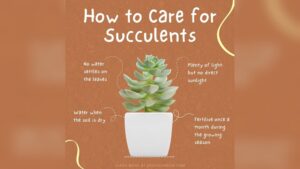
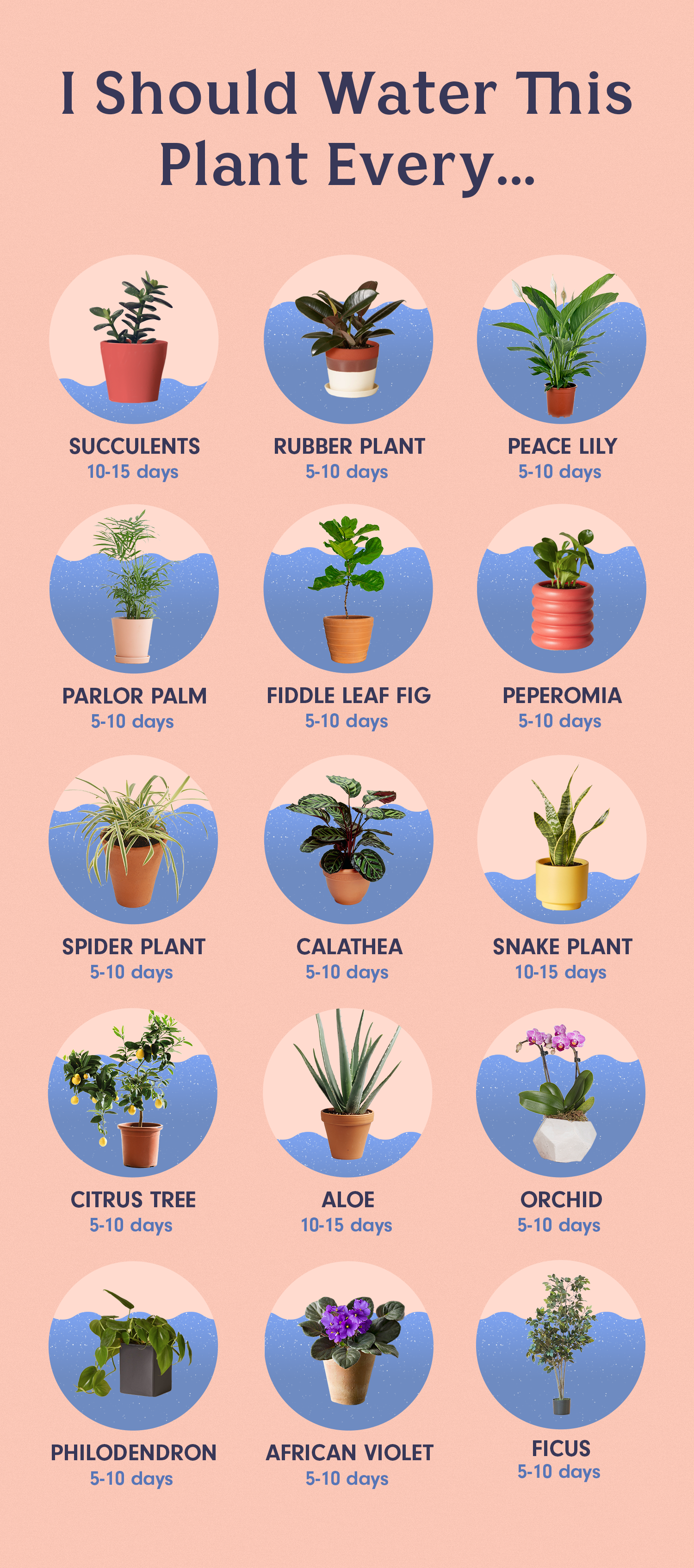
Succulents and cacti store water in their leaves and stems. They need less frequent watering than other houseplants. Water only when the soil is completely dry. Usually, watering every two to three weeks works well. Avoid letting water sit in the pot to prevent root rot.
Tropical Plants
Tropical plants prefer consistently moist soil but not soggy. Water them once the top inch of soil feels dry. This might mean watering once a week or more in dry homes. Increase humidity by misting leaves to mimic their natural environment. Proper drainage is essential to avoid water buildup.
Flowering Indoor Plants
Flowering plants demand regular watering to support blooms. Check soil moisture often, especially during bloom periods. Water when the top inch of soil dries out. These plants may need watering every five to seven days. Remove excess water to keep roots healthy and flowers vibrant.
Environmental Factors Affecting Watering
Watering indoor plants is not a simple task of following a fixed schedule. Many environmental factors influence how often plants need water. Understanding these factors helps keep plants healthy and vibrant. Pay attention to indoor humidity, temperature, and light exposure. These elements change the soil’s moisture and the plant’s water needs.
Indoor Humidity Levels
Humidity affects how quickly water evaporates from soil and leaves. Low humidity causes faster drying, so plants need water more often. High humidity slows evaporation, allowing longer gaps between watering. Tropical plants usually prefer higher humidity and less frequent watering. Use a humidifier or pebble tray to raise humidity for sensitive plants.
Temperature Effects
Higher temperatures increase water use and soil drying speed. Plants in warm rooms often need more frequent watering. Cooler rooms reduce water loss and allow longer watering intervals. Avoid watering just before a heat spike to prevent root damage. Adjust watering habits as seasons change and indoor temperatures fluctuate.
Light Exposure
Light influences photosynthesis and water use. Bright light makes plants use more water and dry soil faster. Plants in shaded areas need less water. South-facing windows bring strong light, increasing watering frequency. North-facing spots have low light and slow growth, so water less often. Observe your plant’s position and adjust watering accordingly.
Credit: www.housebeautiful.com
Watering Schedule Tips
Setting a proper watering schedule keeps indoor plants healthy and happy. It helps prevent overwatering or underwatering. Knowing how often to water depends on the plant type, pot size, and environment. Follow these tips to create a simple and effective watering routine.
Creating A Routine
Water your plants at the same time each week. Consistency trains the plant to expect water regularly. Choose days that fit your schedule well. Morning watering works best to avoid mold and fungus. Use a watering can with a narrow spout for control.
Monitoring And Adjusting Frequency
Check the soil moisture before watering. Stick your finger about an inch into the soil. If it feels dry, it is time to water. If it is still moist, wait a few more days. Adjust watering based on the season and room humidity. Plants need less water in winter and more in summer.
Watering When Away
Use self-watering pots or water globes to keep plants hydrated. Group plants together to create a humid microclimate. Place them away from direct sunlight to reduce water loss. Ask a friend or neighbor to water for you. Leave clear instructions about how much and when to water.
Common Watering Mistakes
Watering indoor plants sounds simple, but many people make common mistakes. These errors harm plants and slow their growth. Understanding these mistakes helps your plants stay healthy and green.
Proper watering depends on plant type, pot size, and environment. Knowing what to avoid is key to success.
Overwatering Consequences
Giving plants too much water is a frequent error. It causes roots to rot and blocks oxygen from reaching them. Leaves may turn yellow and drop. Overwatered soil stays soggy and smells bad. This problem can kill plants quickly if not fixed.
Underwatering Signs
Not watering enough also harms plants. Leaves dry out and become brittle. Growth slows down, and plants look weak. Soil pulls away from the pot edges and feels very dry. Ignoring these signs means plants suffer from lack of moisture.
Ignoring Seasonal Needs
Plants need different water amounts in different seasons. Many water the same all year. In winter, plants grow slower and need less water. In summer, they drink more due to heat and light. Adjust watering to seasons to keep plants happy and thriving.

Credit: myplantin.com
Frequently Asked Questions
How Much Water Do Indoor Plants Need?
Indoor plants need watering once or twice weekly in spring and summer. Let the top inch of soil dry before watering again. Water less often in autumn and winter. Adjust frequency based on plant type and pot size. Avoid overwatering to keep plants healthy.
Should I Water Indoor Plants Daily?
Water indoor plants only when the top inch of soil feels dry. Most need watering once or twice weekly, not daily.
What Are The Three Rules Of Watering?
Water deeply but infrequently to encourage strong roots. Check soil moisture before watering. Water early in the day to reduce evaporation and disease risk.
How Often Should I Water My Potted Plants?
Water potted plants once or twice a week, allowing the top inch of soil to dry between watering. Increase frequency in hot weather or as plants grow. Adjust based on plant type and season for healthy growth.
Conclusion
Watering indoor plants depends on their type and environment. Check the soil often; water only when dry at the top. Avoid overwatering, which can harm roots and cause disease. Use pots with drainage holes to prevent water buildup. Adjust watering frequency with changing seasons and plant growth.
Watching your plants closely helps you learn their needs. Healthy plants show vibrant leaves and steady growth. Caring gently and paying attention brings the best results for your indoor garden.