How Often Should House Plants Be Watered: Ultimate Care Guide
Have you ever wondered why your houseplants sometimes look thirsty, while other times their leaves start turning yellow or mushy? The secret isn’t just about watering them regularly—it’s about knowing exactly when and how much to water.
Getting this right can make all the difference between a thriving green friend and a struggling plant. You’ll discover simple, effective ways to tell when your houseplants need water, how watering needs change with the seasons, and key tips to keep your plants happy and healthy.
Keep reading to unlock the easy steps that will help your plants flourish every day.
Soil Dryness Check
Checking soil dryness is the best way to know when to water house plants. Soil moisture varies by plant type, pot size, and environment. Overwatering or underwatering harms plants. The soil dryness check helps prevent these common mistakes. It ensures plants get just the right amount of water. There are simple methods to test soil moisture at home.
These methods are easy and effective. They use tools or simple senses to gauge soil moisture levels. Use these tests regularly to keep plants healthy and thriving.
Finger Test
The finger test is a quick and simple way to check soil moisture. Insert your finger about two inches into the soil near the plant stem. If the soil feels dry at this depth, it is time to water. If it feels moist, wait a few days before checking again. This method works well for most house plants. It requires no special tools and gives a good sense of soil moisture.
Moisture Meter Use
A moisture meter provides a more precise soil moisture reading. Insert the probe into the soil to get a moisture level reading. The meter shows if the soil is dry, moist, or wet. This tool helps avoid guesswork and is especially useful for plants with special watering needs. Moisture meters are affordable and easy to use. They give clear, objective data about soil moisture.
Pot Weight Method
The pot weight method uses the heaviness of the plant’s container to check moisture. Lift the pot to feel its weight. A dry pot feels much lighter than a watered one. With practice, you learn to tell the difference easily. This method is good for plants in pots without drainage holes. It helps prevent overwatering by checking the soil indirectly.
Seasonal Watering Tips
Seasonal watering changes help keep house plants healthy throughout the year. Different seasons affect how quickly soil dries and how much water plants need. Adjusting watering habits by season supports plant growth and prevents problems like root rot or dehydration.
Spring And Summer Needs
Plants grow faster in spring and summer. They use more water to support new leaves and flowers. Check soil moisture more often during these months. Water plants thoroughly when the top inch of soil feels dry. Warm temperatures and longer daylight cause faster soil drying. Some plants may need watering once a week or even more. Always allow excess water to drain to avoid waterlogging.
Fall And Winter Adjustments
Plant growth slows down in fall and winter. Cooler temperatures and shorter days reduce water use. Soil stays moist longer, so water less often. Check soil moisture before watering to avoid overwatering. Some plants may only need watering every two to three weeks. Keep plants away from cold drafts and heating vents to maintain stable moisture levels.
Watering Techniques
Watering techniques play a key role in keeping house plants healthy. Proper watering ensures roots get enough moisture without causing damage. Different methods affect how water reaches the roots and how the plant uses it. Learning good watering habits helps plants grow strong and live longer.
Deep Watering Benefits
Deep watering means soaking the soil fully until water reaches the roots. This encourages roots to grow deeper for better support. It also helps prevent surface dryness and reduces the chance of quick soil drying. Plants that get deep watering stay hydrated longer and resist drought stress better.
Avoiding Overwatering
Overwatering is a common mistake that harms house plants. Too much water fills air spaces in soil and suffocates roots. Signs include yellow leaves, wilting, and root rot. Water only when the soil feels dry a few inches down. Use less water and check soil moisture often to keep plants safe.
Ensuring Proper Drainage
Good drainage lets excess water escape from pots. Without it, water pools at the bottom and damages roots. Choose pots with drainage holes and use well-draining soil mixes. Adding a layer of small stones or broken pottery pieces at the pot’s base helps water flow freely. Proper drainage keeps roots healthy and plants thriving.
Credit: reencle.co
Environmental Factors
Environmental factors greatly influence how often house plants need watering. Each element affects soil moisture and plant water use. Understanding these factors helps keep your plants healthy and thriving.
Light And Temperature Impact
Plants in bright light use water faster than those in shade. High temperatures increase evaporation from soil and leaves. Warm rooms dry out soil quickly, requiring more frequent watering. Cooler areas slow water loss, so plants need less water.
Humidity Effects
Low humidity causes plants to lose water through leaves faster. This means soil dries out sooner and plants need watering more often. High humidity slows evaporation and keeps soil moist longer. Check humidity levels to adjust watering schedules correctly.
Ventilation Considerations
Good air flow helps soil dry evenly and prevents mold. Rooms with strong ventilation can dry out soil quickly. Closed or poorly ventilated spaces keep soil moist longer. Monitor airflow to decide how often to water your plants.
Plant Type Variations
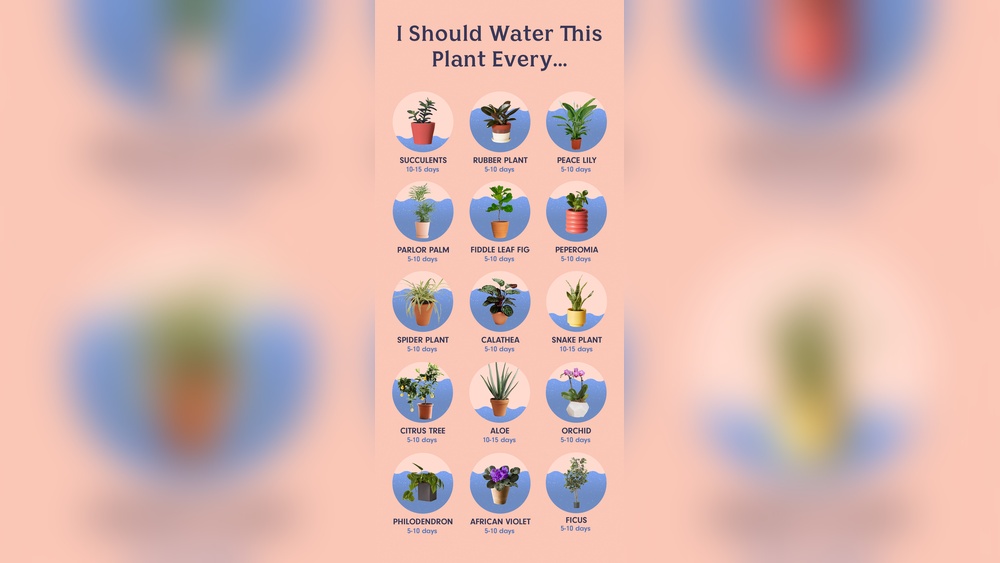
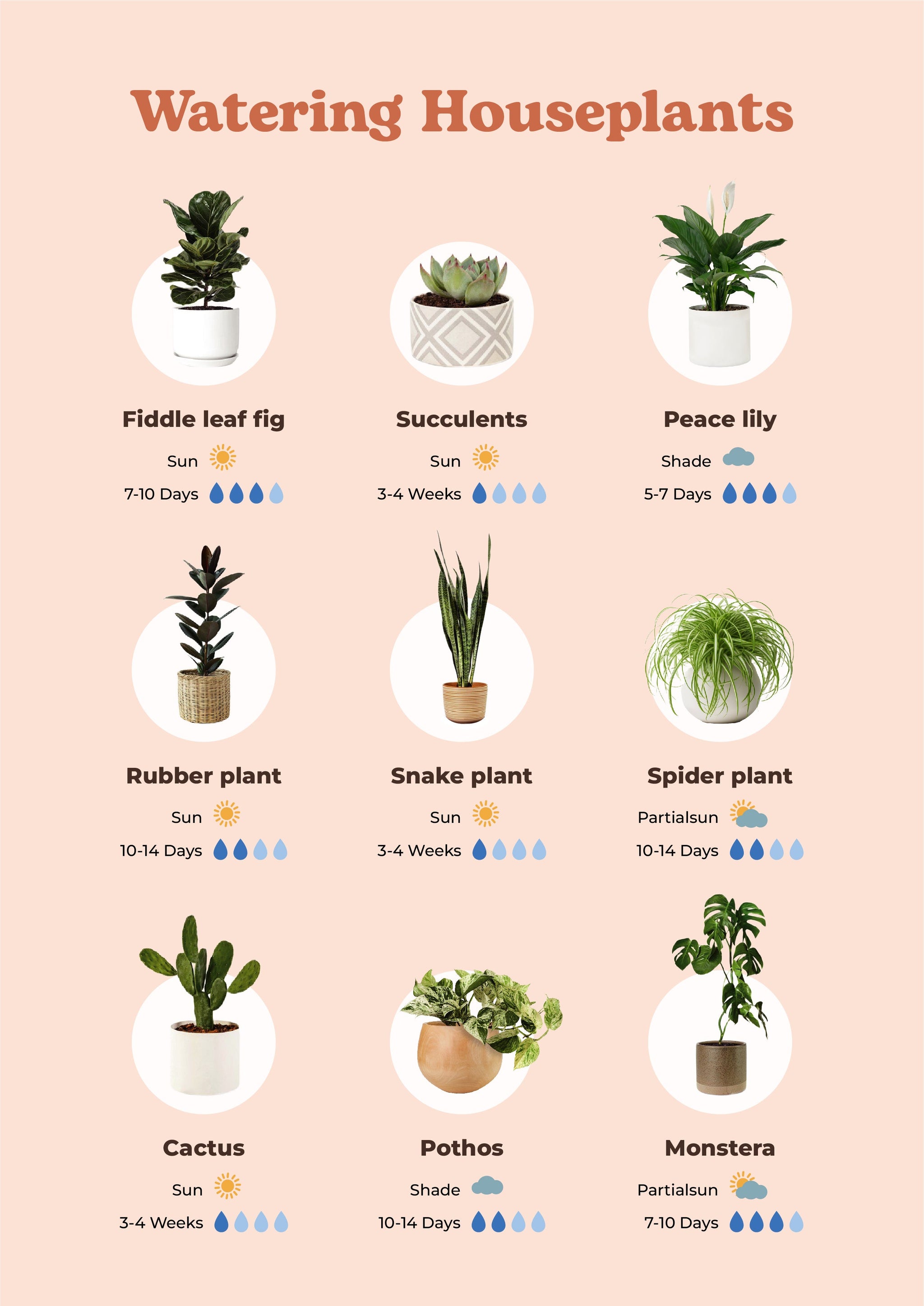
Different house plants have different water needs. Understanding these needs helps keep plants healthy and happy. Watering frequency depends largely on the plant type. Some plants like dry soil, while others prefer moist conditions. Let’s explore how watering varies by plant type.
Desert Plants
Desert plants thrive in dry conditions. They store water in thick leaves or stems. Water these plants sparingly. Allow the soil to dry out completely before watering again. Overwatering can cause root rot. Water once every two to three weeks is usually enough.
Tropical Plants
Tropical plants prefer moist soil and humid air. They need regular watering to stay healthy. Check soil moisture often. Water when the top inch of soil feels dry. These plants may need watering once or twice a week. Avoid letting the soil dry out completely.
Succulents And Cacti
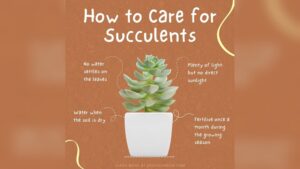
Succulents and cacti store water in their leaves or stems. They need less water than most plants. Water deeply but infrequently. Let the soil dry out fully between watering. Usually, watering every two to four weeks works well. Adjust based on temperature and humidity.

Credit: empressofdirt.net
Common Watering Mistakes
Watering house plants seems simple but many make common mistakes. These errors harm plant health and stunt growth. Understanding these mistakes helps keep plants thriving.
Proper watering involves balance. Too much or too little water causes problems. Watch for signs to adjust your care. Soil condition is also crucial for watering success.
Overwatering Signs
Leaves turning yellow or soft indicate overwatering. Soil that stays wet for days is a red flag. Root rot often follows, causing bad smells. Plants may wilt even with wet soil. Pots without drainage holes increase overwatering risk.
Underwatering Symptoms
Dry, crispy leaves signal underwatering. Soil pulls away from pot edges when too dry. Growth slows and new leaves are small. Wilting can occur but soil feels dry. Plants may drop leaves to save water.
Ignoring Soil Condition
Soil type affects how often plants need water. Heavy soil stays wet longer than sandy soil. Check soil moisture before watering, not just on a schedule. Compact soil stops water from reaching roots. Proper soil lets water drain well and hold moisture.
Tools For Better Watering
Proper watering is key to healthy house plants. Using the right tools helps water plants effectively. These tools make it easier to know when and how much to water. They also reduce the risk of overwatering or underwatering. Here are some useful tools for better watering.
Choosing Moisture Meters
Moisture meters measure the soil’s wetness level. Insert the probe into the soil to get a reading. This helps avoid guesswork about when to water. Choose meters with clear, easy-to-read displays. Some models show dry, moist, or wet levels. These tools work well for beginners and experts alike. They help keep plants healthy by preventing excess water.
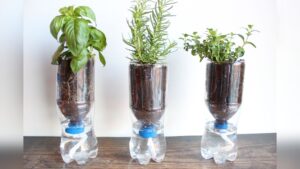
Using Self-watering Pots
Self-watering pots store water in a reservoir below the soil. The plant absorbs water as needed through capillary action. These pots reduce watering frequency and help maintain steady moisture. They are great for busy people or forgetful plant owners. Self-watering pots also prevent waterlogging by controlling water flow. They promote consistent plant growth without daily attention.
Watering Schedules Vs. Soil Checks
Watering schedules set fixed days to water plants. Soil checks mean testing soil moisture before watering. Soil checks are better because they adjust to each plant’s needs. Fixed schedules may cause overwatering or underwatering. Check soil by feeling it or using a moisture meter. Water only when the soil feels dry. This approach supports plant health and saves water.

Credit: myplantin.com
Frequently Asked Questions
How Frequently Should I Water Indoor Plants?
Water indoor plants when the top 2 inches of soil feel dry. Water deeply, allowing excess to drain. Adjust frequency by plant type, season, and environment. Spring and summer usually need more watering than fall and winter. Avoid strict schedules; check soil moisture regularly.
What Are The Three Rules Of Watering?
Water plants only when the soil feels dry about two inches deep. Water thoroughly to reach all roots. Ensure excess water drains to prevent root rot.
How Long Can Indoor Plants Go Without Water?
Indoor plants can typically go 1 to 2 weeks without water, depending on species, pot size, and environment. Check soil moisture regularly.
What Is The Best Way To Water Houseplants?
Water houseplants only when the top two inches of soil feel dry. Water deeply, allowing excess to drain. Adjust frequency by plant type, season, and environment to prevent overwatering or underwatering.
Conclusion
Watering houseplants depends on their type and environment. Check soil moisture regularly using your finger or a moisture meter. Water deeply only when the soil feels dry to about two inches. Adjust watering frequency with the seasons—more in spring and summer, less in fall and winter.
Remember to let extra water drain to avoid root problems. Each plant has unique needs, so observe and respond to its signals. This simple care routine helps keep your plants healthy and thriving indoors.