How Often Should an Aloe Vera Plant Be Watered
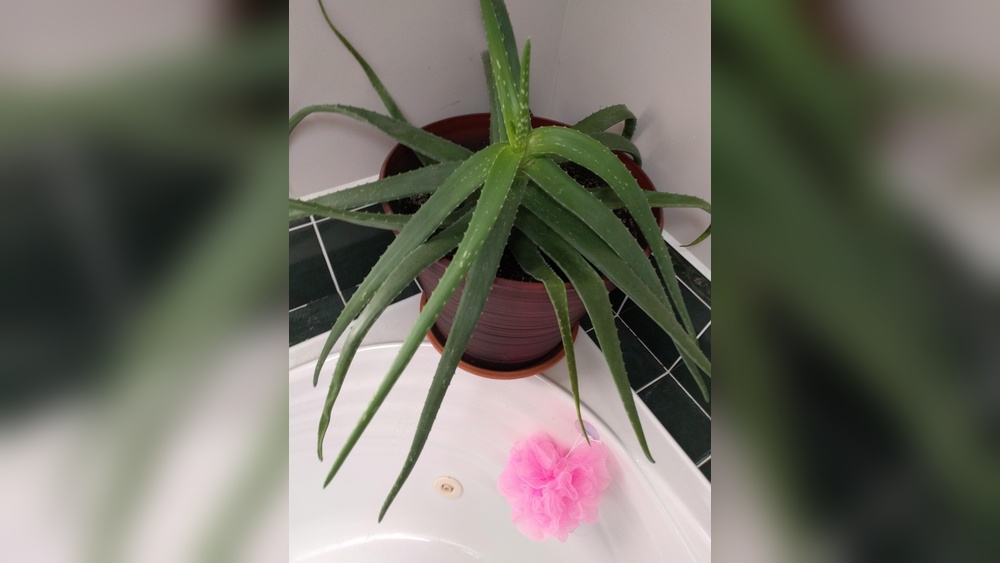
If you’ve brought an aloe vera plant into your home, you’re probably wondering how often you should water it to keep it healthy and thriving. Watering aloe vera might seem simple, but giving it too much or too little water can quickly harm your plant.
You want your aloe’s leaves to stay plump and vibrant, not dry and shriveled or yellow and mushy. You’ll discover the easy, effective watering routine that fits perfectly with your aloe’s needs—no guesswork, no stress. Keep reading, and you’ll learn the exact tips to help your aloe vera flourish all year round.
Watering Frequency
Watering frequency is key to keeping your aloe vera healthy. Aloe vera plants store water in their thick leaves. They do not need constant watering like other houseplants. Knowing how often to water helps avoid problems like root rot or dehydration. The amount of water depends on the season and the plant’s age. Below are simple guidelines to follow for best results.
Weekly Watering In Warm Months
During warm months, aloe vera needs more water. Water your plant once a week to keep the soil slightly moist. Always check the soil before watering. Insert your finger about an inch deep. If the soil feels dry, it’s time to water. Give the plant enough water to soak through the soil and drain out the pot’s holes.
Reduced Watering In Winter
In winter, aloe vera grows slowly and needs less water. Cut back to watering once every three to four weeks. Check the soil dryness before watering. The soil should be completely dry between waterings. Overwatering during winter can cause root rot and damage your plant. Keep the plant in a cool, bright spot to help it rest.
Adjusting For Plant Age
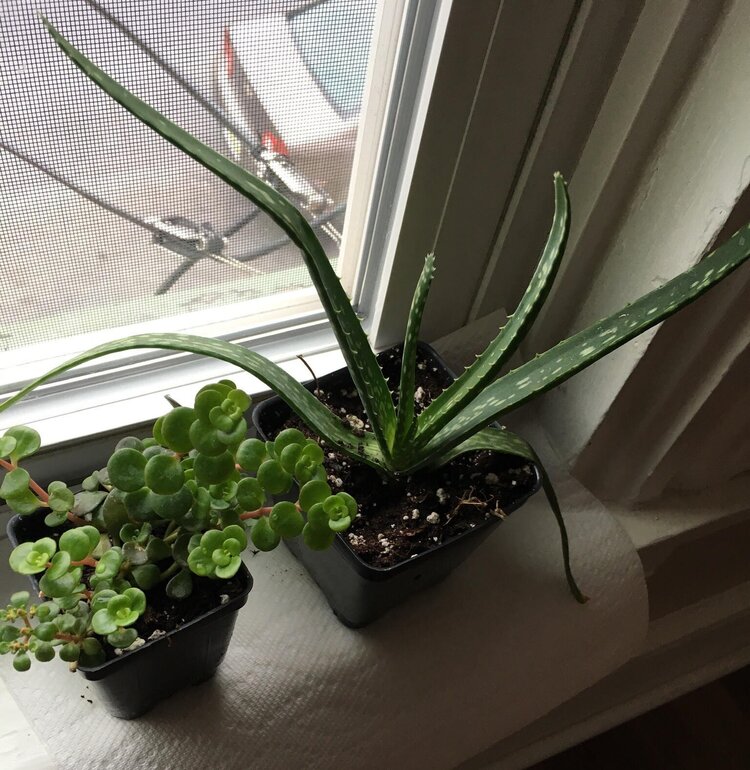
Young aloe vera plants need less water than mature ones. For new plants, water lightly every two weeks. Avoid soaking the soil too much. Mature aloe vera can handle weekly watering in warm months. Watch the leaves for signs of thirst or too much water. Thick, plump leaves mean your plant is well hydrated. Thin, curled leaves show it needs more water.
Credit: www.houseplantjournal.com
Soil Moisture Check
Checking soil moisture is key to knowing when to water your aloe vera plant. Aloe vera thrives in soil that is dry between waterings. Too much water can harm the roots, so a simple soil check helps keep your plant healthy. Use easy methods to test moisture before adding water.
Finger Test Method
Push your finger about 1 to 2 inches into the soil near the plant. If the soil feels dry at this depth, it is time to water. If it still feels moist, wait a few days before testing again. This quick test prevents overwatering and keeps roots safe.
Signs Of Dry Soil
Dry soil looks light in color and feels crumbly. It often pulls away from the edges of the pot. The soil also feels warm to the touch. These signs show your aloe vera needs water. Check soil regularly to catch dryness early.
When To Hold Off Watering
If the soil feels cool and moist, do not water. Aloe vera stores water in its leaves and can go without water for some time. Avoid watering if the leaves look thick and healthy. Watering too soon can cause root rot and damage your plant.
Watering Techniques
Watering an aloe vera plant correctly is key for its health and growth. The right watering techniques help the plant absorb water without causing damage. Aloe vera stores water in its leaves, so it needs less frequent watering than other plants. Understanding how to water your aloe properly keeps it strong and vibrant.
Deep Watering Benefits
Deep watering lets water reach the roots fully. It encourages roots to grow deeper into the soil. This strengthens the plant and helps it survive dry periods. Shallow watering causes weak roots and poor growth. Water the soil until it is moist but not soggy.
Avoiding Standing Water
Standing water can harm aloe vera roots. It blocks air from reaching the roots and causes rot. Always empty any water that collects in trays under pots. Water only when the soil feels dry to the touch. Keeping the soil too wet invites pests and diseases.
Proper Drainage Importance
Good drainage is essential for aloe vera plants. Use pots with holes at the bottom to let water escape. Choose soil that drains well, like cactus or succulent mix. Proper drainage prevents water from pooling around roots. This keeps roots healthy and the plant thriving.
Credit: www.reddit.com
Seasonal Care Tips
Seasonal care is key for a healthy aloe vera plant. Watering needs change as temperatures and light levels shift. Understanding these changes helps keep your plant thriving year-round. Adjust your watering routine to match the season for best results.
Summer Watering Needs
During summer, aloe vera plants need more water. Warm temperatures and strong sun dry out the soil faster. Check the soil every few days. Water deeply when the top inch feels dry. Avoid letting the soil stay soggy. Proper drainage prevents root rot. Morning watering is best to reduce evaporation.
Winter Watering Adjustments
In winter, aloe vera plants need less water. Cooler temperatures slow down growth and water use. Water only when the soil is completely dry. This might mean watering once every two to three weeks. Keep the plant away from cold drafts and frost. Overwatering in winter can cause root damage. Use less water and watch the plant’s leaves for signs of stress.
Soil And Potting
Proper soil and potting play a key role in how often you water your aloe vera plant. Aloe vera thrives best in conditions that allow water to drain quickly. This helps prevent root rot and keeps the plant healthy. Choosing the right soil and pot ensures your aloe gets the right moisture level.
Choosing Well-draining Soil
Select soil that drains water quickly and does not stay soggy. Use cactus or succulent potting mix. These mixes contain sand or perlite to improve drainage. Avoid regular garden soil because it holds too much water. Well-draining soil lets excess water flow away from roots. This reduces the risk of overwatering and root damage.
Pot Selection For Aloe Vera
Pick a pot with drainage holes at the bottom. Drainage holes allow extra water to escape easily. Choose pots made from breathable materials like terracotta. These pots help soil dry faster. Avoid plastic pots without holes, as they trap water. Proper pot selection keeps your aloe vera’s roots dry and healthy.
Leaf Condition Indicators
Observing the leaves of your aloe vera plant helps you understand its watering needs. Leaf condition indicators reveal whether the plant is thirsty or drowning. Aloe leaves change color, texture, and shape depending on water levels. These signs guide you on when to water your aloe vera.
Signs Of Underwatering
Leaves look thin and shriveled when underwatered. They may curl inward and feel dry to touch. The tips of the leaves can turn brown or crispy. The plant may stop growing or look weak. Soil will be very dry and pull away from pot edges.
Signs Of Overwatering
Leaves become soft, mushy, or swollen when overwatered. They may turn pale green, yellow, or translucent. The base of the plant might show dark, rotting spots. Leaves can fall off easily with a gentle touch. The soil will feel constantly wet or soggy, causing root damage.
Common Watering Mistakes
Watering an aloe vera plant correctly can be tricky. Many plant owners make common mistakes that harm the plant. These errors usually involve watering too much or too little. Knowing these mistakes helps you keep your aloe healthy and strong.
Overwatering Risks
Overwatering aloe vera causes root rot quickly. The roots stay wet and start to decay. This stops the plant from taking in nutrients. Leaves may turn yellow and feel soft or mushy. The plant looks weak and can die if watering continues.
Waterlogged soil also invites pests and fungi. Aloe vera likes dry soil between waterings. Always check the soil before watering. Avoid leaving water in the plant pot’s tray.
Underwatering Consequences
Underwatering dries out the aloe vera plant. Leaves become thin, curled, and brown at the tips. The plant may stop growing and look shriveled. Lack of water prevents the aloe from storing moisture in its leaves.
Too little water weakens the plant’s ability to heal and protect itself. Aloe vera needs deep watering but only when the soil is dry. Balance is key for a happy, healthy plant.
Credit: www.reddit.com
Frequently Asked Questions
How Often Should I Water An Aloe Vera Plant?
Water aloe vera every 2 to 3 weeks, allowing soil to dry completely between watering.
Can Overwatering Harm My Aloe Vera Plant?
Yes, overwatering causes root rot and yellow, mushy leaves, which can kill the plant.
How Do I Know When My Aloe Needs Water?
Check soil moisture with your finger; if dry 1-2 inches deep, it’s time to water.
Does Aloe Vera Need Different Watering In Summer?
Yes, water aloe vera more often in summer since it uses more water in warm weather.
Conclusion
Aloe vera plants need careful watering to stay healthy. Water only when the soil feels dry one to two inches down. Give water deeply, letting it drain fully. Avoid letting water sit under the pot to prevent root rot. In hot weather, water a bit more often.
Watch the leaves for signs: thin and curled means more water; yellow and soft means too much. Following these simple tips helps your aloe thrive and grow strong over time. Keep your watering routine steady and your plant will thank you.