How Often Should Aloe Plants Be Watered: Ultimate Care Guide
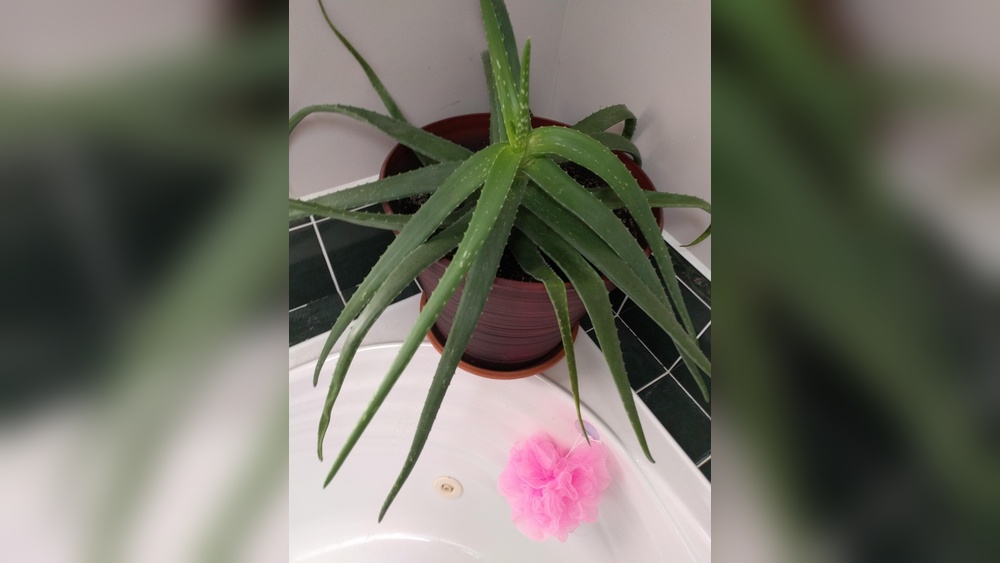
If you’ve ever wondered, “How often should aloe plants be watered?” you’re not alone. Getting the watering right is key to keeping your aloe healthy and thriving.
Too much water can harm your plant, while too little can leave it thirsty and droopy. But how do you know when your aloe truly needs a drink? You’ll discover simple, easy-to-follow tips to help you water your aloe plant just right—no guesswork needed.
Keep reading to unlock the secrets to a happy, vibrant aloe that brightens your home and heals your skin.
Signs Your Aloe Needs Water
Knowing when your aloe plant needs water is key to keeping it healthy. Aloe plants store water in their thick leaves and prefer dry soil between waterings. Watch for clear signs that signal your plant’s thirst. These signs help prevent overwatering and underwatering. Pay attention to soil, leaves, and seasonal changes to keep your aloe happy.
Checking Soil Moisture
Stick your finger about one inch into the soil. If it feels dry at this depth, your aloe needs water. A dry soil means the roots are not getting moisture. Avoid watering if the soil still feels damp. Use a toothpick to test soil dryness by inserting it and checking if it comes out clean.
Feeling The Leaves
Gently squeeze the aloe leaves. Firm and plump leaves mean the plant has enough water. Soft, thin, or squishy leaves show the plant is thirsty. Dry leaves lose their firmness because they use stored water. Handle leaves carefully to avoid damage while checking their texture.
Observing Leaf Appearance
Look for leaf changes like shriveling or curling. These are common signs of dehydration. Overwatered leaves often become mushy or bloated. Healthy aloe leaves have a smooth, firm surface. Browning leaf tips can also indicate water stress. Watch your plant’s leaves regularly for early signals.
Seasonal Watering Needs
Aloe plants grow faster in spring and summer. They need more water during these warm months. In fall and winter, growth slows and watering should be less frequent. Cooler temperatures reduce water needs. Adjust watering habits based on the season to avoid root problems.
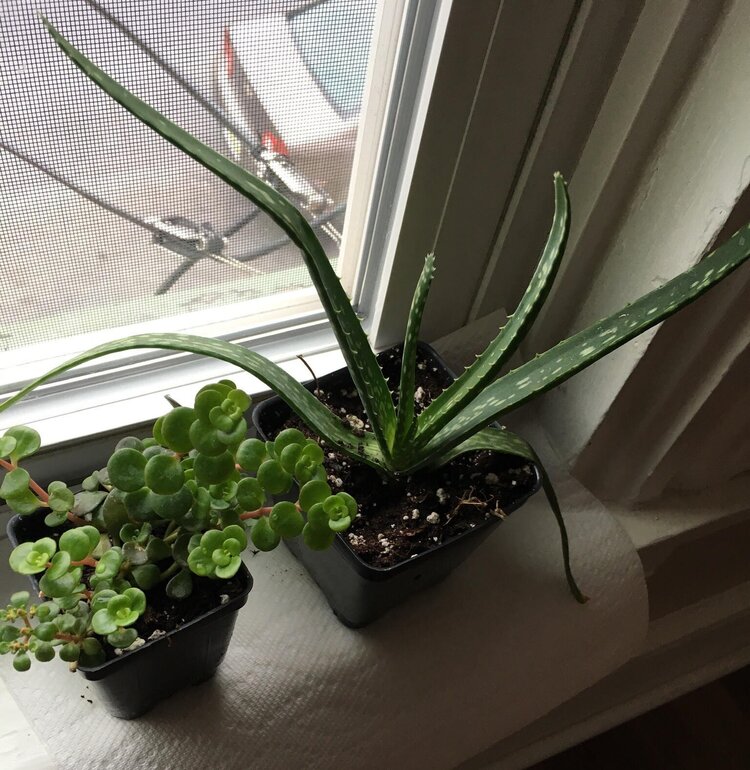
Credit: www.houseplantjournal.com
Watering Techniques
Proper watering techniques keep aloe plants healthy and thriving. Aloe plants store water in their thick leaves, so they need careful watering. Overwatering or underwatering can harm them. Understanding the right methods helps you care for your aloe better. Here are key watering techniques to follow.
Watering Thoroughly
Water the aloe plant deeply but infrequently. Pour water slowly until it drains from the pot’s bottom. This ensures roots absorb enough moisture. Deep watering encourages strong root growth. Avoid light or quick watering that only wets the soil surface.
Avoiding Standing Water
Never let water collect at the pot’s base. Standing water causes root rot and kills the plant. Use pots with drainage holes to prevent water buildup. After watering, empty any excess water from the tray. Good drainage is essential for aloe health.
Adjusting Frequency Based On Conditions
Water needs change with temperature, humidity, and season. Aloe plants need more water during warm, dry months. In cooler or humid times, water less often. Always check soil moisture before watering. Let the soil dry out about an inch deep between waterings.
Seasonal Watering Guide
Aloe plants need different watering amounts through the year. Their water needs change with seasons. Understanding these changes helps keep your aloe healthy and thriving. This seasonal watering guide explains how often to water aloe plants in spring, summer, fall, and winter.
Spring And Summer Care
Spring and summer are the growing seasons for aloe plants. They need more water because they grow faster. Check the soil before watering. Water only if the soil feels dry about an inch deep. Water deeply until it drains from the pot’s bottom. Avoid letting the plant sit in water to prevent root rot. Water every two to three weeks, but adjust based on heat and humidity. Aloe plants like bright, indirect sunlight during these months.
Fall And Winter Adjustments
In fall and winter, aloe plants grow slowly or rest. Their water needs drop significantly. Water less often and less deeply. Only water when the soil is completely dry, which may be every four to six weeks. Overwatering in cold months causes root rot and leaf damage. Keep aloe plants in cooler, bright spots with indirect light. Reduce watering frequency to match slower growth and lower evaporation.
Credit: www.reddit.com
Common Watering Mistakes
Watering aloe plants may seem simple, but many gardeners make common mistakes. These errors can harm your plant’s health. Understanding these mistakes helps you care for your aloe better. Below are key watering mistakes to avoid.
Overwatering Risks
Giving aloe plants too much water is a common error. Overwatering causes root rot, which kills the plant. Aloe roots need air, and waterlogged soil blocks oxygen. Leaves may turn yellow or mushy from too much water. Avoid watering again until soil is completely dry.
Underwatering Effects
Not watering enough can also hurt aloe plants. Leaves become thin, wrinkled, and dry when thirsty. The plant slows growth and looks unhealthy. Aloe stores water in leaves, but it needs occasional watering. Water only when soil is dry about an inch deep.
Ignoring Soil Drainage
Poor soil drainage leads to water buildup around roots. This traps moisture and causes root damage. Use well-draining soil designed for succulents. Pots must have drainage holes to let excess water escape. Proper drainage keeps aloe roots healthy and prevents decay.
Light And Watering Relationship
The relationship between light and watering is vital for aloe plants. Aloe plants store water in their thick leaves. Light affects how much water these plants need. Understanding this link helps keep aloe healthy and thriving.
Providing Bright, Indirect Light
Aloe plants grow best in bright, indirect light. This type of light helps leaves make food without burning. Keep aloe near windows with filtered sunlight. This light level supports steady growth and moderate water use.
Protecting From Intense Sun
Intense sunlight can harm aloe leaves, causing burns. Avoid placing aloe in harsh, direct sun during hot hours. Strong sun dries the soil faster, increasing water needs. Shade the plant or move it indoors on very sunny days.
Impact Of Light On Water Needs
More light means aloe uses more water. In bright light, aloe grows faster and drinks more. In low light, aloe slows growth and needs less water. Adjust watering based on light exposure to avoid overwatering or drought stress.
Credit: www.reddit.com
Troubleshooting Aloe Health
Troubleshooting aloe plant health helps keep your plant strong and beautiful. Aloe plants show signs when they need care. Spotting problems early prevents damage. Understanding common issues guides proper action. Pay attention to leaf and soil changes. Proper watering is key to aloe health. Below are some tips to fix common aloe problems.
Reviving A Wilted Plant
A wilted aloe often lacks water. Check the soil first. If soil is dry one inch deep, water the plant. Water deeply until it drains from the pot’s bottom. Avoid watering too often to prevent root damage. Place the plant in bright, indirect sunlight. Remove dead or soft leaves carefully. Give the plant time to recover. Avoid fertilizing until it looks healthy again.
Preventing Root Rot
Root rot happens from too much water. Always use well-draining soil and pots with drainage holes. Water only when soil is dry at least one inch deep. Avoid letting the pot sit in water. If root rot appears, remove the plant from the pot. Cut away black, mushy roots with clean scissors. Let roots dry for a day before repotting. Use fresh, dry soil and a clean pot. Water sparingly after repotting.
Dealing With Leaf Discoloration
Leaf color shows plant health clearly. Yellow or brown leaves can mean overwatering or sunburn. Check soil moisture and adjust watering. Move aloe to a spot with filtered light if sunburned. Brown leaf tips may show dry air or too little water. Trim damaged leaves with clean scissors. Avoid using harsh chemicals on the plant. Keep leaves clean by wiping gently with a damp cloth. Healthy green leaves mean a happy aloe.
Frequently Asked Questions
How Do I Know If My Aloe Plant Needs Water?
Check the soil an inch deep; if dry, the aloe needs water. Soft, shriveling leaves also signal thirst. Water thoroughly until drainage appears.
Do Aloe Plants Need Direct Sunlight?
Aloe plants prefer bright, indirect sunlight. Avoid prolonged direct sun to prevent leaf burn. Place near a sunny window.
How Often Should I Water Indoor Aloe?
Water indoor aloe plants every 3 weeks. Allow soil to dry one inch deep before watering thoroughly. Reduce watering in winter.
What Does Overwatered Aloe Vera Look Like?
Overwatered Aloe vera shows swollen, mushy leaves that may turn yellow or brown. The soil stays wet and roots can rot.
Conclusion
Aloe plants need careful watering to stay healthy. Water only when the soil feels dry about an inch deep. Watch the leaves for signs like softness or shriveling. Water deeply but avoid leaving water in the pot. Adjust watering based on the season and your local climate.
This simple care routine helps aloe thrive and grow strong. Keep checking the soil regularly and trust your plant’s signals. A little attention goes a long way with aloe plants.