How Often Should a Spider Plant Be Watered: Expert Care Tips
If you’ve brought a spider plant into your home, you’re probably wondering how often to water it so it stays healthy and vibrant. Watering too much or too little can quickly harm this resilient plant, but getting it just right isn’t as tricky as it seems.
In this guide, you’ll discover simple, practical tips to know exactly when and how to water your spider plant—no guesswork involved. Keep reading to find out how to keep your spider plant thriving with the perfect watering routine tailored to your home environment.

Credit: www.livelyroot.com
Spider Plant Water Needs
Spider plants need the right amount of water to grow well and stay healthy. Their water needs change with the seasons. Understanding when and how much to water helps keep your plant happy. Overwatering or underwatering can cause problems like root rot or dry leaves.
Checking the soil moisture is key. Water only when the top inch or two of soil feels dry. This simple step prevents water stress and supports steady growth.
Growth Season Watering
During spring and summer, spider plants grow quickly. They need more water in this time. Water the plant once a week or when the soil feels dry. Use enough water to moisten the soil fully. Avoid letting water sit in the saucer under the pot. Good drainage helps roots breathe and stay healthy.
Check the soil often because warm weather dries it faster. If the leaves start to droop, the plant may need water sooner. Watch your spider plant closely to adjust watering as needed.
Dormant Season Adjustments
In fall and winter, spider plants grow slower. They need less water during this rest period. Water every two to three weeks or when the soil is dry about two inches deep. Overwatering in dormant months can harm roots and cause fungus.
Keep the plant away from cold drafts and heaters. These can dry the soil quickly or stress the plant. Maintaining moderate humidity helps the spider plant stay healthy with less water.
Top Watering Method
The top watering method is a popular way to keep spider plants healthy. It means pouring water directly onto the soil surface. This method mimics natural rain and helps maintain good moisture levels. It also allows water to reach the roots evenly. Many plant owners prefer this approach for its simplicity and effectiveness.
When To Use Top Watering
Use top watering when the soil feels dry at the surface. Check the top inch or two of soil before watering. If it is dry, the plant needs water. This method suits pots with good drainage. Avoid top watering if the soil stays wet for a long time. It helps prevent overwatering and root rot.
How To Water From The Top
Pour water slowly onto the soil around the base of the plant. Use enough water until it drains out from the bottom holes. This ensures the entire root ball gets wet. Let the water soak in naturally. Avoid splashing water on the leaves to keep them healthy.
Benefits And Precautions
Top watering flushes out salts and minerals that build up in soil. It helps keep the soil clean and fresh for the spider plant. This method also encourages strong root growth by evenly moistening the soil.
Take care not to let water sit in the saucer under the pot. Standing water can cause root rot and kill the plant. Always empty excess water after watering. Monitor the soil moisture regularly to adjust watering as needed.
Bottom Watering Method
Bottom watering is a simple and effective way to keep your spider plant healthy. Instead of pouring water over the soil surface, you let the plant absorb water through the drainage holes. This method helps the roots get water evenly and reduces the risk of overwatering.
When To Use Bottom Watering
Use bottom watering when the soil dries out quickly but the pot drains well. It works best for spider plants with tuberous roots that need steady moisture. This method suits plants in pots with many drainage holes. It also helps avoid wetting the leaves, which can cause rot.
How To Water From The Bottom
Fill a shallow tray with water. Place the spider plant pot in the tray. Let it sit for 20 to 30 minutes. The soil will soak up water through the drainage holes. Remove the pot once the top soil feels moist. Let excess water drain before putting the plant back.
Advantages Of Bottom Watering
Bottom watering ensures the entire root ball stays moist. It prevents water from pooling on the soil surface. This method reduces the chance of fungal growth and leaf rot. It also encourages strong root growth by drawing water upward naturally. Your spider plant will stay healthy and hydrated.
Credit: www.ohiotropics.com
Signs To Water Your Spider Plant
Knowing the signs to water your spider plant is key to keeping it healthy. Overwatering or underwatering can harm the plant. Watch your plant and soil carefully. This helps you water at the right time.
Checking Soil Moisture
Feel the top inch of the soil with your finger. If it feels dry, your spider plant needs water. If it is still moist, wait a few days before checking again. This simple test helps prevent overwatering.
Using Pot Weight As Indicator
Lift the pot to check its weight. A light pot usually means the soil is dry. A heavy pot means the soil still holds water. This method works well when you cannot see the soil surface.
Avoiding Fixed Watering Schedules
Spider plants do not like strict watering times. Their needs change with seasons and room humidity. Watering on a fixed schedule may cause stress. Always check soil and pot weight before watering.
Common Watering Mistakes
Watering a spider plant might seem simple, but many make common mistakes. These errors can harm your plant’s health. Understanding what to avoid helps keep your spider plant thriving and green. Let’s explore the most frequent watering mistakes.
Overwatering Risks
Overwatering is a common problem with spider plants. Too much water causes roots to rot. The leaves may turn yellow or mushy. Overwatered soil stays wet and blocks air from reaching roots. This creates a poor environment for growth. It also invites harmful fungi and pests.
Underwatering Effects
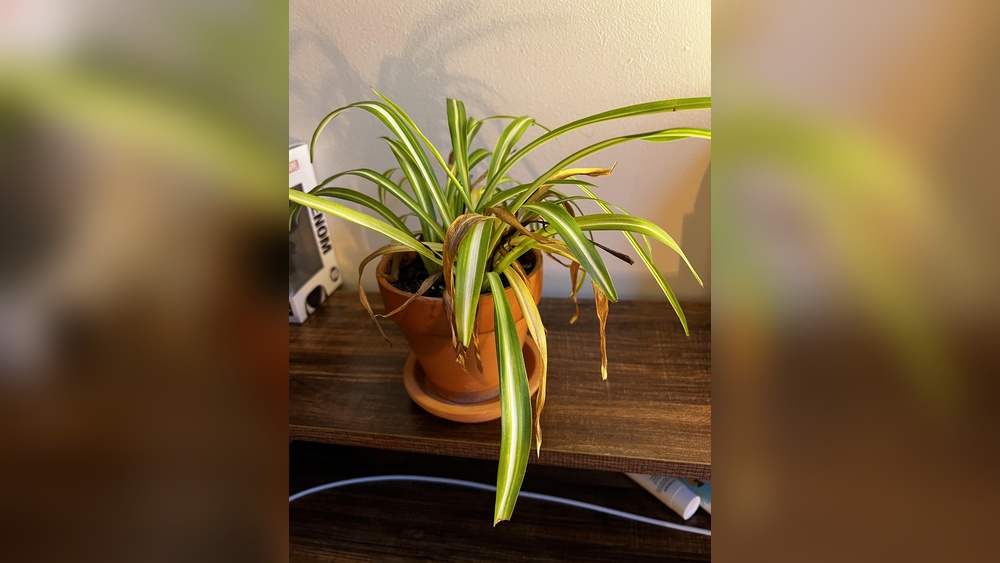
Not watering enough can also hurt your spider plant. Dry soil makes the leaves brown and crispy. The plant may stop growing or lose its bright color. Underwatered spider plants look wilted and weak. They need consistent moisture, but not soaked soil. Watch the soil carefully to avoid dryness.
Avoiding Standing Water
Standing water in the pot is dangerous for spider plants. It causes root rot and fungal infections. Always use pots with drainage holes. After watering, let excess water drain completely. Never let your spider plant sit in a saucer full of water. This keeps roots healthy and prevents damage.
Additional Care Tips
Taking care of a spider plant involves more than just watering. Paying attention to small details helps the plant stay healthy and grow strong. These additional care tips ensure your spider plant thrives in any environment. Proper care prevents common problems like root rot and mineral buildup.
Ensuring Good Drainage
Good drainage is key for spider plants. Use pots with drainage holes to avoid water buildup. Excess water can cause roots to rot quickly. Make sure the soil drains well and is not compacted. Adding a layer of small stones at the pot’s bottom can improve drainage. Check drainage regularly to keep roots healthy.
Watering And Mineral Buildup
Spider plants are sensitive to minerals in tap water. Minerals can build up in the soil and harm the plant. Use filtered or rainwater when possible. Watering from the top helps flush out minerals. Avoid letting water sit on leaves for too long to prevent spots. Cleaning leaves occasionally keeps the plant fresh.
Seasonal Care Variations
Spider plants need different care in each season. Water more often during warm months when the soil dries fast. Reduce watering in winter when growth slows down. Keep the plant away from cold drafts or direct heat sources. Adjust watering based on the plant’s environment and temperature changes.

Credit: greg.app
Frequently Asked Questions
Should You Water A Spider Plant From The Top Or Bottom?
Water spider plants from the top by watering the soil base until drainage appears. Bottom watering works well if soil dries quickly. Always check soil moisture before watering to prevent overwatering and root rot.
Should I Cut The Brown Tips Off My Spider Plant?
Cut brown tips off your spider plant to improve appearance and prevent disease. Use clean scissors and trim carefully.
Do Spider Plants Need Sunlight?
Spider plants thrive in bright, indirect sunlight. Avoid direct sunlight to prevent leaf burn. They tolerate low light but grow best with ample indirect light.
Where Is The Best Place To Put A Spider Plant?
Place a spider plant in bright, indirect sunlight for best growth. Avoid direct sunlight to prevent leaf burn. Keep it in a well-ventilated spot with moderate humidity.
Conclusion
Spider plants need watering only when their soil feels dry. Check the top inch or two before watering. Watering from the top or bottom both work well. Avoid letting your plant sit in water to prevent root problems. Adjust watering based on the season and your home’s humidity.
Watch your plant closely for signs of thirst or overwatering. This simple care helps your spider plant grow healthy and green. Keeping a careful eye will make your plant happy and thriving.