How Often Does Tomato Plants Need Watering
Are you wondering how often you should water your tomato plants to keep them healthy and thriving? It’s a common question because watering too much or too little can harm your plants—and ruin your chances of a great harvest.
Getting it right means your tomatoes will grow juicy and delicious, while mistakes can lead to wilting, yellow leaves, or even plant death. You’ll discover simple, practical tips to master the watering routine that suits your tomato plants perfectly. Keep reading to learn how to give your plants just the right amount of water, so you can enjoy a bountiful tomato season!
:max_bytes(150000):strip_icc()/GettyImages-1266067408-604c5d82922d4a95bd7322f1f20b1026.jpg)
Credit: www.thespruce.com
Watering Frequency
Knowing how often to water tomato plants helps them grow strong and healthy. Watering frequency depends on many things like weather, soil, and plant size. Water too little, and the plant suffers. Water too much, and roots can rot. Finding the right balance is key.
Daily Watering: Yes Or No?
Watering tomato plants every day is not always needed. Daily watering can cause too much moisture. This leads to root problems and disease. Some plants may need daily watering in hot weather. Others do better with water every two or three days. Check the soil moisture before watering. If the top two inches of soil are dry, it is time to water.
Factors Affecting Watering Needs
Several factors change how often tomato plants need water. Hot, dry weather makes plants thirsty faster. Clay soil holds water longer than sandy soil. Pots dry out quicker than ground soil. Young plants need less water than mature ones. Plants with many leaves and fruits use more water. Windy days also increase water loss.
Watering In Different Growth Stages
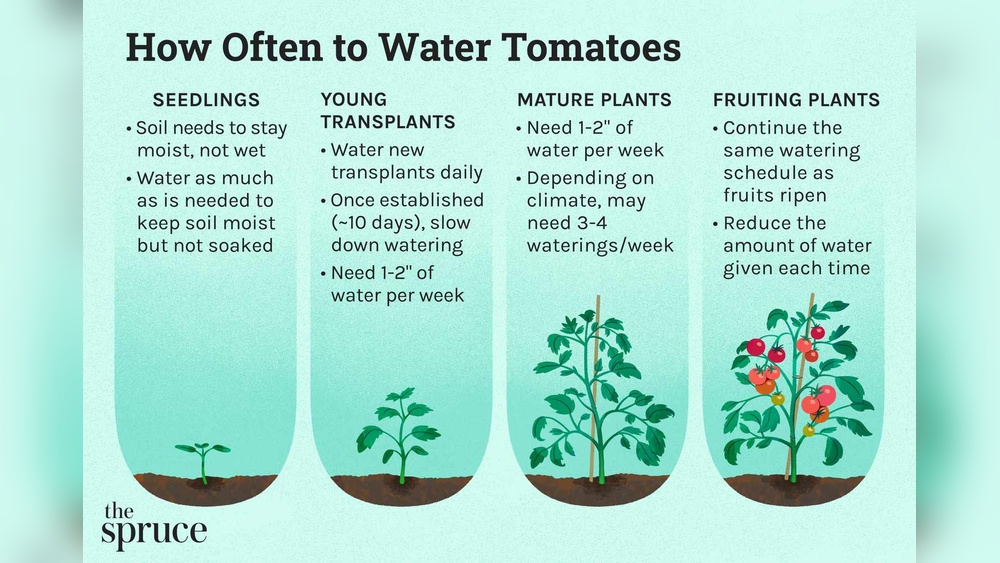
Tomato plants need different water amounts as they grow. At planting, water well to settle the soil. During early growth, water moderately to help roots develop. When flowers appear, increase watering for fruit growth. Reduce watering near harvest to improve fruit flavor. Watch the plant and soil to adjust water as needed.
Signs Of Overwatering
Overwatering tomato plants can harm their growth and health. It causes root damage and reduces oxygen, leading to plant stress. Recognizing the signs early helps save your plants from severe damage. Watch for changes in leaves, stems, and overall plant vigor.
Yellowing And Spotted Leaves
Leaves that turn yellow or develop spots often signal too much water. These leaves feel soft and soggy, not dry or crispy. Yellowing usually starts on the lower leaves and spreads upwards. Spots may look brown or black, indicating fungal infections.
Wilting Despite Moist Soil
Wilting is not always from lack of water. Overwatered tomato plants also wilt because roots get suffocated. Even if soil feels wet, plants may droop and look weak. This happens as roots fail to take up water properly.
Soggy Branches And Heavy Foliage
Branches may feel soft and heavy under too much water. Leaves become thick and droop instead of standing firm. This soggy condition can cause branches to break or rot. Healthy tomato plants have firm stems and lighter foliage.
Preventing Overwatering
Overwatering tomato plants can harm their health and reduce fruit quality. It causes root damage and disease. Preventing overwatering keeps your plants strong and productive. Use simple steps to control water and keep soil just right.
Checking Soil Moisture
Before watering, check the soil moisture. Stick your finger two to three inches into the soil. If it feels dry at this depth, the plant needs water. If it feels moist, wait a day or two before watering again.
Ensuring Proper Drainage
Good drainage stops water from pooling around roots. Use pots with drainage holes for container plants. For garden beds, mix in sand or organic matter to improve soil drainage. Avoid heavy clay soils that hold water too long.
Watering At Plant Base
Water the base of tomato plants, not the leaves. This method directs water to the roots where it is needed. Wet leaves can cause fungal diseases and other problems. Use a watering can or drip system to target the soil.
Best Time To Water
Water tomato plants early in the morning. This allows leaves to dry during the day, reducing disease risk. Avoid watering late in the evening when moisture can stay on leaves overnight. Morning watering also helps plants face daytime heat.
Using Mulch For Moisture Retention
Apply mulch around tomato plants to keep soil moist longer. Mulch reduces evaporation and controls soil temperature. Use straw, grass clippings, or shredded leaves as mulch. Keep mulch a few inches away from the plant stem to prevent rot.
Watering Amounts
Watering amounts play a key role in growing healthy tomato plants. Giving the right amount of water helps roots absorb nutrients well. Too much or too little water can cause problems. Understanding how much water your tomato plants need is essential for a strong harvest.
Water needs vary by weather, soil, and container type. Adjusting watering habits keeps plants happy and productive. Below are important tips on watering amounts for tomato plants.
How Much Water Is Enough?
Tomato plants usually need about 1 to 2 inches of water per week. This amount can come from rain or manual watering. The soil should be moist but not soaked. Check the top 2 inches of soil; it should feel damp but not wet. Water deeply to encourage strong root growth. Shallow watering causes weak roots and dry soil quickly.
Adjusting Watering In Hot Weather
Hot weather makes soil dry faster. Tomato plants may need watering every day during heat waves. Water early in the morning to reduce evaporation. Avoid watering leaves to prevent diseases. Mulching helps keep soil moist longer. Watch plants for signs of stress like drooping leaves. Increase watering if plants look thirsty or soil dries out quickly.
Watering Containers Vs Ground
Container-grown tomato plants dry out faster than those in the ground. Pots hold less soil and heat up quickly. Water containers more often, sometimes daily in hot weather. Use containers with drainage holes to prevent waterlogging. Plants in the ground need less frequent watering but still require deep soaking. Check soil moisture regularly for both types to avoid over or underwatering.
Rescuing Overwatered Plants
Overwatering tomato plants can harm their health quickly. Knowing how to rescue these plants helps save your garden. Acting fast prevents lasting damage and improves recovery chances.
Identifying Damage Early
Check leaves for yellow or brown spots. Leaves may feel soft or soggy, not crisp. Wilting can happen even with wet soil. Roots may look dark or slimy when inspected. Early signs help take quick action before damage spreads.
Steps To Save Your Tomato Plants
Stop watering immediately to let soil dry. Remove excess water from pots or soil surface. Improve soil drainage by loosening compacted soil gently. Trim damaged leaves to reduce stress on the plant. Use a fan or move plants to a well-ventilated area. Avoid fertilizing until plants recover fully. Monitor soil moisture carefully before watering again.
Preventing Future Issues
Water tomato plants only when top 2-3 inches of soil are dry. Use pots with drainage holes to avoid water buildup. Water at the base of the plant, not the leaves. Choose early morning watering to reduce evaporation and disease risk. Mulch around plants to keep soil moist and cool. Regularly check soil moisture to keep plants healthy and happy.

Credit: savvygardening.com
Additional Tips
Watering tomato plants correctly is key to healthy growth. Along with watering frequency, some extra care tips help your plants thrive. These simple steps protect your plants and save water.
Follow these additional tips to improve your watering routine and keep your tomato plants strong.
Avoiding Watering Leaves
Watering tomato leaves can cause diseases like blight and mold. Wet leaves stay damp longer, inviting fungal growth. Focus on watering the soil at the plant’s base. Use a watering can or drip irrigation for precision. Watering early in the morning helps leaves dry faster if they get wet.
Using Mulch Effectively
Mulch keeps soil moist and cool, reducing water loss. Apply a 2-3 inch layer of organic mulch like straw or wood chips around the plants. Mulch also prevents soil from splashing on leaves, reducing disease risk. Keep mulch a few inches away from the stem to avoid rot.
Adapting To Seasonal Changes
Tomato plants need different water amounts in different seasons. Water more often in hot, dry weather. Reduce watering in cooler, rainy months. Check soil moisture regularly by feeling the top 2 inches. Adjust watering based on rain and temperature changes to avoid over or underwatering.

Credit: savvygardening.com
Frequently Asked Questions
Are You Supposed To Water Tomato Plants Every Day?
Water tomato plants deeply every 2-3 days, not daily. Only water when top 2 inches of soil feel dry. Avoid overwatering to prevent root damage and diseases.
Can You Overwater Tomato Plants?
Yes, overwatering tomato plants harms roots, causes yellow leaves, promotes diseases, and may kill the plant. Water only when the top 2-3 inches of soil feel dry. Ensure proper drainage and water at the base to prevent overwatering issues.
How To Tell If Tomato Plants Need Water?
Check tomato plant leaves and soil to tell if they need water. Wilted, dry leaves and dry topsoil signal watering time. Soil should feel moist but not soggy. Water plants when the top 2-3 inches of soil are dry to maintain healthy growth.
Do Tomato Plants Like It Wet Or Dry?
Tomato plants prefer evenly moist soil but not wet. Water only when the top 2-3 inches of soil feel dry. Overwatering harms roots and causes diseases.
Conclusion
Tomato plants need regular but careful watering to thrive. Water only when the soil’s top feels dry. Avoid soaking the leaves to prevent disease. Too much water can harm roots and cause yellow leaves. Watering early in the morning helps plants absorb moisture better.
Using mulch keeps soil moist longer and protects roots. Watch your plants closely to adjust watering as needed. Healthy tomato plants grow best with balanced, consistent care. Simple steps make a big difference in your tomato harvest. Keep watering smart, and enjoy fresh, juicy tomatoes.