How Often Do Tomato Plants Need Watered
Are you wondering how often you should water your tomato plants to keep them healthy and thriving? Getting the watering just right can be tricky.
Too little water, and your tomatoes will wilt and struggle. Too much, and you risk root rot and yellowing leaves. You want your plants to grow strong, produce juicy fruit, and avoid common problems caused by improper watering. You’ll discover simple, practical tips on when and how much to water your tomato plants so you can enjoy a bountiful harvest all season long.
:max_bytes(150000):strip_icc()/GettyImages-1266067408-604c5d82922d4a95bd7322f1f20b1026.jpg)
Credit: www.thespruce.com
Water Needs By Growth Stage
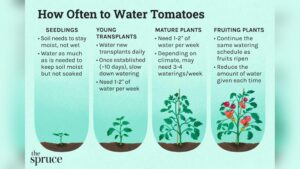
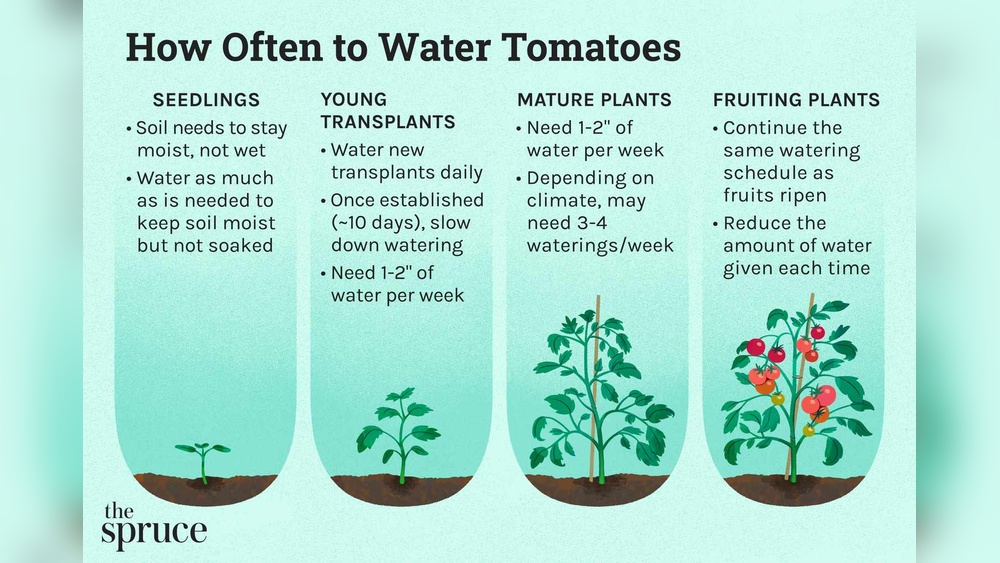
Tomato plants have different water needs at each growth stage. Watering them properly helps them grow strong and produce tasty fruit. Knowing how much water to give during each phase avoids problems like root rot or drying out. This section explains the watering needs from seedlings to mature plants.
Seedlings And Young Plants
Seedlings need gentle and frequent watering to keep soil moist. Their small roots cannot absorb water from deep soil. Water lightly every day or every other day. Avoid soaking the soil to prevent root damage. Keep soil damp but not wet for healthy growth.
Flowering And Fruit Development
During flowering, tomato plants need more water for blooms and fruit. Water deeply about two to three times a week. Deep watering encourages roots to grow strong and reach deeper soil layers. Avoid letting soil dry out completely. Consistent moisture helps flowers turn into healthy fruit.
Mature Plants
Mature tomato plants require steady watering to support fruit growth. Water deeply once or twice a week, depending on weather and soil. Mulching helps keep soil moist longer. Reduce watering slightly as fruit ripens to improve flavor. Watch soil and plant for signs of dryness or overwatering.

Credit: savvygardening.com
Signs Of Overwatering
Overwatering tomato plants can cause serious damage. Recognizing the signs early helps save your plants. Watch for specific symptoms that show too much water is harming your tomatoes.
Yellowing And Spotted Leaves
Leaves turning yellow or showing spots often mean overwatering. These leaves usually feel soft and soggy, not dry or crisp. Overwatered roots can no longer supply nutrients properly. This lack of nutrients causes leaves to discolor and develop spots.
Wilting Despite Moist Soil
Wilting usually signals a thirsty plant. But wilting with wet soil indicates overwatering. Waterlogged roots get damaged and cannot take up water. The plant looks limp even though the soil is wet. This can confuse gardeners, but it is a clear warning sign.
Soggy Branches And Heavy Foliage
Branches may feel wet and weak when overwatered. Leaves become heavy and droop down. The plant looks swollen and unhealthy. Excess water fills the plant cells and makes branches soft. This condition often leads to root rot and other diseases.
Avoiding Overwatering
Overwatering tomato plants can cause serious problems. It leads to root damage and unhealthy plants. Leaves may turn yellow and roots might rot. Avoid giving too much water to keep plants healthy and strong. Simple steps help prevent overwatering and promote good growth.
Checking Soil Moisture
Check soil before watering. Stick your finger about two inches deep. If soil feels dry, it is time to water. If still moist, wait a day or two. This prevents water from sitting too long around roots.
Ensuring Proper Drainage
Good drainage stops water from pooling. Use pots with holes at the bottom. Plant tomatoes in soil that drains well. Avoid heavy clay soil that holds water. Proper drainage keeps roots healthy and oxygenated.
Watering At The Base
Water only at the plant’s base. Avoid wetting leaves or stems. Wet leaves can cause diseases and rot. Direct water to the soil near roots. This helps plants absorb moisture better.
Timing Your Watering
Water early in the morning or late afternoon. This reduces water loss by evaporation. Avoid watering during the hot midday sun. Timing helps plants absorb water fully and stay cool.
Using Mulch For Moisture Retention
Mulch around tomato plants keeps soil moist longer. Use straw, leaves, or grass clippings. Mulch reduces evaporation and controls weeds. It keeps roots cooler and helps maintain steady moisture.
Watering Frequency Tips
Proper watering is essential for healthy tomato plants. Knowing how often to water helps plants grow strong and produce tasty fruit. Watering too much or too little can harm your tomatoes. Follow these simple tips to find the right watering schedule.
Adjusting For Weather Conditions
Weather greatly affects how often you water tomatoes. Hot, dry days make the soil dry faster. Water your plants more during heat waves. On cool or rainy days, reduce watering to avoid soggy soil. Windy weather also dries soil quickly, so check moisture often. Watch your plants for signs of thirst or overwatering.
Differences Between Container And Ground Planting
Tomatoes in containers need water more often than those in the ground. Pots hold less soil and dry out faster. Water container tomatoes daily in hot weather. Ground-planted tomatoes have deeper roots and keep moisture longer. Check soil moisture by touching the soil surface. Water deeply but less frequently for ground plants to encourage strong roots.
Water Volume Guidelines
Water volume plays a big role in growing healthy tomato plants. Giving the right amount keeps the roots strong and the fruit juicy. Too little water can make tomatoes dry and small. Too much water can hurt the roots and cause diseases. Follow clear water volume guidelines for best results.
Adjust water based on the plant’s size, weather, and soil type. Young plants need less water than mature ones. Sandy soil drains faster and needs more frequent watering. Clay soil holds water longer and needs less.
How Much Water Each Time
Give tomato plants about 1 to 2 inches of water per week. This equals roughly 1 to 2 quarts for each plant. Spread watering over two or three sessions weekly. Water deeply to reach the roots but avoid puddles.
Use a watering can or hose with a gentle spray. Water at the base to keep leaves dry. Early morning watering helps reduce evaporation and disease risk. Check soil moisture before watering again.
Signs Your Plant Needs More Or Less Water
Wilting leaves can mean the plant needs more water. Leaves turning yellow or soft may show overwatering. Dry, cracked soil means it’s time to water. Wet, soggy soil means cut back on watering.
Look for leaf curl or dropping flowers. These signs also point to water stress. Adjust water volume until the plant looks healthy and grows well. Watching your plant closely helps avoid common watering mistakes.
Dealing With Water Stress
Tomato plants often face water stress, affecting their growth and fruit yield. Water stress happens when plants get too much or too little water. Both conditions harm the plant’s health and can stop fruit production. Knowing how to handle water stress helps keep tomato plants healthy and strong.
Rescuing Overwatered Plants
Too much water fills the soil with no air for roots. Roots start to rot and leaves turn yellow or wilt. Stop watering immediately. Check if pots have good drainage holes. Remove soggy soil and replace it with dry soil. Let the plant sit in a dry place with good air flow. Avoid watering the leaves to stop fungus growth.
Managing Underwatered Plants
Dry soil makes tomato plants droop and leaves curl. Water deeply at the base of the plant. Water slowly to let soil absorb moisture well. Avoid shallow watering that dries out quickly. Mulch around the plant keeps soil moist longer. Check soil moisture by feeling it with your fingers. Water only when the top 2-3 inches are dry.
Handling Excess Rainfall
Heavy rains can flood tomato roots and cause damage. Make sure soil drains well to avoid water pooling. Build raised beds to improve drainage in wet areas. Remove weeds to reduce competition for oxygen. After rain, check plants for soggy leaves or stem rot. Trim damaged leaves to prevent disease. Wait for soil to dry before watering again.
Additional Tips For Thriving Tomatoes
Growing healthy tomato plants takes more than just regular watering. Proper care boosts growth and fruit quality. Follow these additional tips to help your tomatoes thrive through the season.
Soil Preparation And Amendments
Start with rich, well-draining soil for strong tomato roots. Mix in organic compost or aged manure to add nutrients. Avoid heavy clay soil that holds too much water. Loosen soil to improve air flow and root growth. This preparation reduces water stress and supports steady growth.
Protecting Plants In Hot Weather
Tomatoes suffer in extreme heat. Shade plants during peak afternoon sun with garden cloth or shade netting. Mulch around the base to keep soil cool and moist. Water early in the morning to reduce evaporation. These steps prevent leaf scorch and fruit drop.
Choosing The Right Pot Size
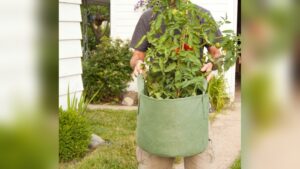
Tomatoes need enough room for roots to grow. Use pots at least 12 inches deep and wide. Small containers dry out quickly and stress plants. Larger pots hold more soil, keeping moisture steady. Proper pot size reduces frequent watering and promotes healthier plants.

Credit: savvygardening.com
Frequently Asked Questions
Are You Supposed To Water Tomatoes Every Day?
Water tomato plants when the top 2-3 inches of soil feel dry. Avoid daily watering to prevent root damage and diseases.
Can You Overwater Tomato Plants?
Yes, overwatering tomato plants harms roots, causes yellow leaves, and promotes diseases. Water only when top soil is dry. Ensure good drainage and water at the base to prevent problems.
How Long Can Tomato Plants Go Without Being Watered?
Tomato plants can survive 2 to 3 days without water in warm weather. Longer dry periods stress the plant and reduce yield.
How To Tell If Tomato Plants Need Water?
Tomato plants need water when their top 2-3 inches of soil feel dry. Leaves may wilt or curl if thirsty. Check soil moisture regularly.
Conclusion
Tomato plants need regular watering but not too much. Water when the top soil feels dry to the touch. Too much water can harm roots and leaves. Water at the base, not on the leaves, to keep plants healthy. Early morning watering helps reduce water loss.
Using mulch keeps soil moist longer and protects roots. Watching your plants closely will help you find the right watering balance. Healthy tomato plants grow best with careful, consistent care. Keep it simple and your garden will thrive.