How Often Do Spider Plants Need to Be Watered
If you’ve brought a spider plant into your home, you probably want to keep it healthy and thriving. One of the most common questions you might have is: how often do spider plants need to be watered?
Watering your spider plant just right can make a huge difference—too much water can harm its roots, while too little can leave it thirsty and drooping. You’ll discover the perfect watering routine tailored for your spider plant’s needs, helping you avoid common mistakes and keep your green friend looking vibrant and full of life.
Ready to become a spider plant watering pro? Let’s dive in!
Credit: www.ohiotropics.com
Watering Frequency
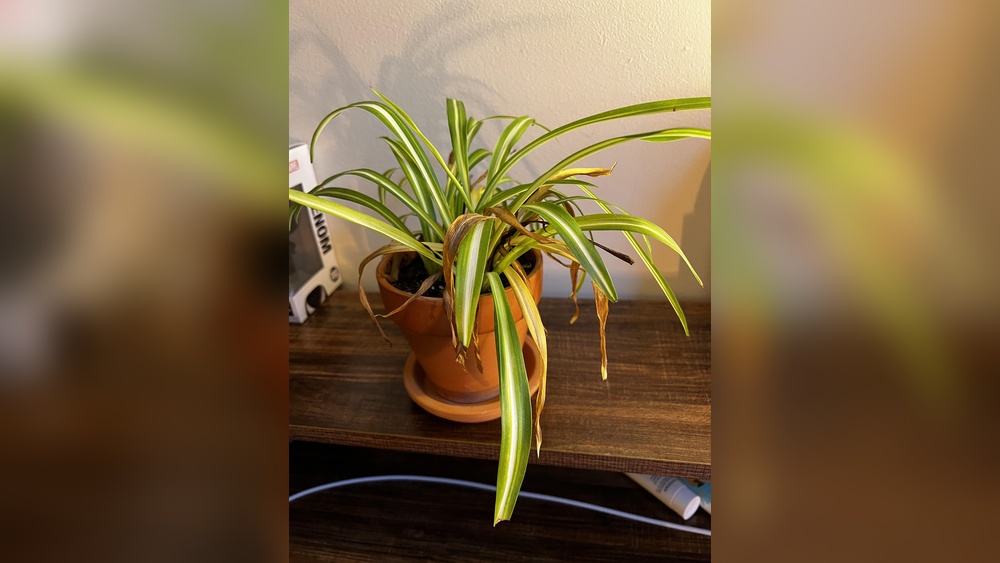
Spider plants need regular watering but not too much. The right watering frequency keeps them healthy and growing well. Overwatering can cause root rot. Underwatering makes the leaves dry and brown. Understanding how often to water your spider plant helps it thrive.
Signs Of Dry Soil
Check the top inch of the soil to see if it is dry. If the soil feels dry, it is time to water. The leaves may also droop or curl when the plant needs water. Dry soil is a clear sign your spider plant wants moisture.
Adjusting Watering By Season
Spider plants need more water in warm months and less in cold months. During spring and summer, water the plant once a week. In fall and winter, reduce watering to once every two weeks. Adjust the watering to match the plant’s growth and the room temperature.
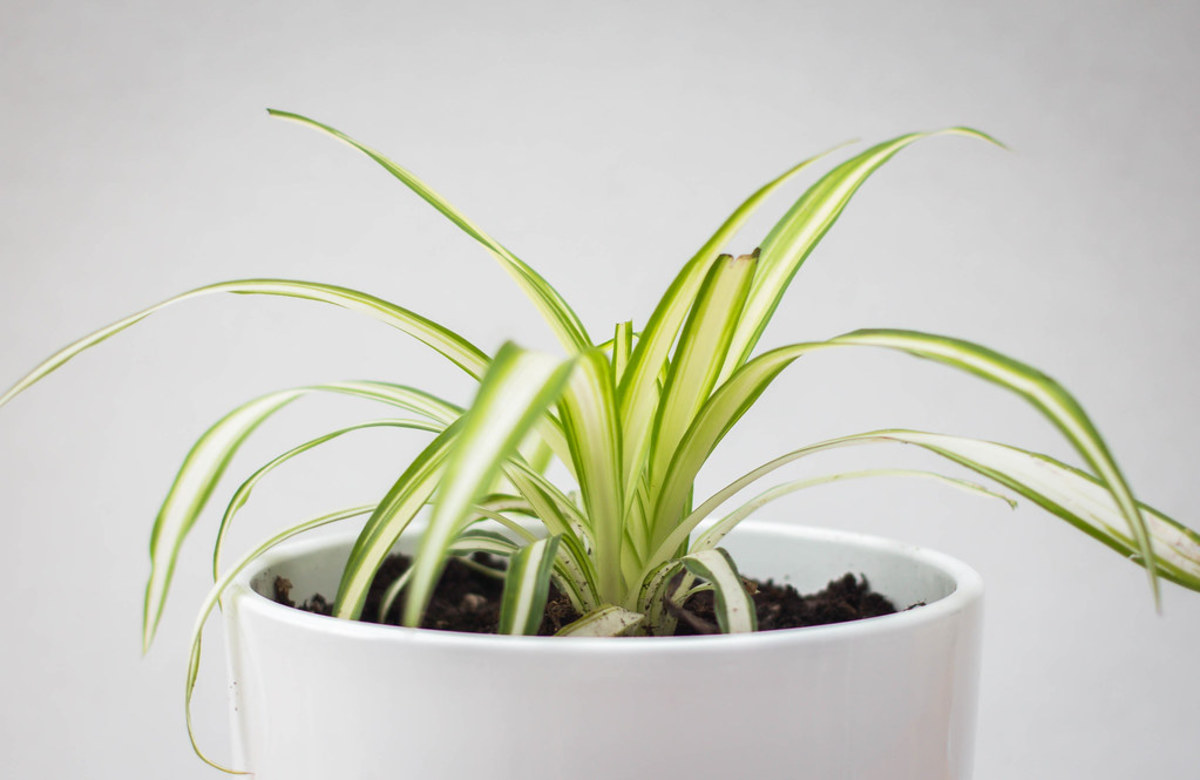
Credit: discover.hubpages.com
Ideal Light Conditions
Spider plants grow best under certain light conditions that support healthy leaves and steady growth. Proper light helps the plant absorb water well and keeps it vibrant. Too much or too little light can affect how often you need to water your spider plant. Understanding the ideal light conditions helps you care for your plant better.
Bright Indirect Light
Spider plants prefer bright, indirect light. This means they enjoy sunlight that is soft and filtered. Placing them near an east or west-facing window works well. Bright indirect light helps the plant make food and grow strong. It also keeps the leaves green and full of energy.
Avoiding Direct Sunlight
Direct sunlight can harm spider plants. Strong sun rays, especially in the afternoon, can burn the leaves. Burned leaves turn brown and dry out quickly. Keep the plant away from south-facing windows unless the light is filtered. Shade or a sheer curtain can protect the plant from harsh sun.
Effects Of Low Light
Spider plants can survive in low light, but growth slows down. The leaves may lose their bright stripes and become plain green. Low light means the plant uses less water, so watering needs change. The plant becomes less lively and may drop leaves if light is too low for too long.
Water Quality Impact
Water quality plays a key role in the health of spider plants. The type of water used affects how often you need to water them. Some chemicals in tap water can harm spider plants over time. Understanding these effects helps keep your plant vibrant and green.
Fluoride And Chlorine Sensitivity
Spider plants are sensitive to fluoride and chlorine. These chemicals often exist in tap water. Over time, fluoride can cause brown leaf tips. Chlorine may stunt growth and damage roots. Avoid using water with high chemical levels for your spider plant. Let tap water sit for 24 hours to reduce chlorine. This simple step helps protect your plant from damage.
Best Water Types To Use
Filtered water is ideal for watering spider plants. Rainwater is also excellent and free of harmful chemicals. Distilled water works well but can be expensive. Avoid hard water as it contains minerals that build up in soil. Using clean water keeps your spider plant healthy longer. This reduces the need for frequent watering caused by stress.
Preventing Brown Tips
Brown tips on spider plants often signal stress or care issues. These tips can make your plant look unhealthy. Preventing brown tips helps keep your spider plant vibrant and attractive. Proper watering plays a big role, but other factors matter too. Follow simple care steps to avoid this common problem.
Proper Trimming Techniques
Trim brown tips carefully with clean scissors. Cut just above the healthy green part. Avoid cutting too much at once to prevent shock. Regular trimming keeps the plant tidy and promotes new growth. Remove any dead or damaged leaves promptly to maintain health.
Balancing Humidity Levels
Spider plants prefer moderate humidity. Dry air causes leaf tips to brown and curl. Increase humidity by misting leaves lightly. Place a water tray near the plant for extra moisture. Avoid overly damp conditions to prevent root problems.
Avoiding Overwatering And Underwatering
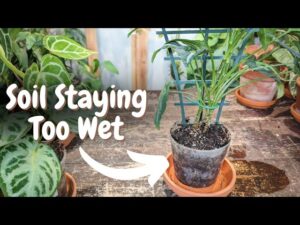
Water spider plants when the top inch of soil is dry. Overwatering leads to root rot and brown leaf tips. Underwatering causes the leaves to dry out and turn brown. Use pots with drainage holes to prevent water buildup. Check soil moisture regularly for best results.
Soil And Drainage Tips
Soil quality and drainage play a big role in how often spider plants need watering. Good soil helps keep moisture balanced. Proper drainage stops water from sitting too long. Both factors keep the roots healthy and prevent overwatering issues.
Choosing The Right Soil
Spider plants grow best in light, well-aerated soil. A mix with peat, sand, and potting soil works well. This blend holds moisture but drains excess water fast. Avoid heavy clay soils that stay wet and cause root rot. The soil should feel loose and crumbly to touch.
Ensuring Proper Drainage
Drainage holes in the pot are essential. They let extra water flow out and stop water buildup. Use pots with multiple drainage holes for better flow. Adding a layer of small stones or broken pottery at the bottom helps drainage too. Avoid letting the pot sit in water after watering.
Credit: www.ohiotropics.com
Pot Selection And Size
Choosing the right pot for your spider plant plays a key role in its watering needs and overall health. The size and material of the pot affect how water drains and how much moisture the soil holds. Picking a pot that fits your plant helps prevent overwatering or underwatering. A pot too small can dry out quickly, while a large pot may keep water for too long.
When To Repot
Spider plants grow fast and may outgrow their pots. Signs to repot include roots growing out of drainage holes or circling inside the pot. Repotting is best done in spring when the plant is actively growing. Choose a pot slightly bigger than the current one, about 1 to 2 inches wider in diameter. This gives roots room to expand without holding excess water.
Pot Material Considerations
Pot material affects watering frequency. Terra cotta pots absorb moisture and dry out faster, so water more often. Plastic pots retain moisture longer, reducing watering needs. Ceramic pots with no drainage can trap water and harm roots. Always select pots with drainage holes to avoid water buildup and root rot. A well-draining pot helps keep your spider plant healthy.
Additional Care Tips
Spider plants are easy to care for, but they do need more than just watering. Paying attention to extra care helps keep them healthy and growing strong. These tips cover feeding and protecting your plant from pests. Both are important for a happy spider plant.
Fertilizing Schedule
Feed your spider plant every 4 to 6 weeks during spring and summer. Use a balanced, water-soluble fertilizer diluted to half strength. Avoid fertilizing in fall and winter when growth slows down. Too much fertilizer can harm the plant and cause leaf tips to brown. Stick to a regular but light feeding routine for best results.
Pest Prevention
Keep an eye out for common pests like spider mites and aphids. These bugs can cause leaf damage and slow growth. Wipe leaves with a damp cloth weekly to remove dust and pests. Use insecticidal soap or neem oil at the first sign of infestation. Good air circulation and clean soil also help prevent pests from settling in.
Frequently Asked Questions
Does A Spider Plant Need Sunlight?
Spider plants need bright, indirect sunlight to thrive. Avoid direct sunlight to prevent leaf burn. Low light slows growth.
Should I Cut The Brown Tips Off My Spider Plant?
Yes, trim brown tips to improve your spider plant’s look. Use clean scissors and cut only the brown parts. Address causes like water quality or humidity to prevent new browning.
How Do I Know If My Spider Plant Needs Water?
Check the top inch of soil; dry soil means your spider plant needs water. Leaves may also curl or wilt when thirsty.
Do You Water A Spider Plant From The Top Or Bottom?
Water spider plants from the top by thoroughly moistening the soil until water drains out the bottom. Avoid bottom watering alone.
Conclusion
Spider plants need watering about once a week. Water them when the soil feels dry. Avoid overwatering to prevent root rot. Adjust watering frequency in different seasons. Warmer months may need more water than winter. Check soil moisture regularly for best care.
Healthy spider plants grow with balanced watering. Keep your plant happy and green with simple steps. Consistent care helps spider plants thrive indoors. Enjoy the beauty of your well-watered spider plant.