How Often Do Snake Plants Need to Be Watered
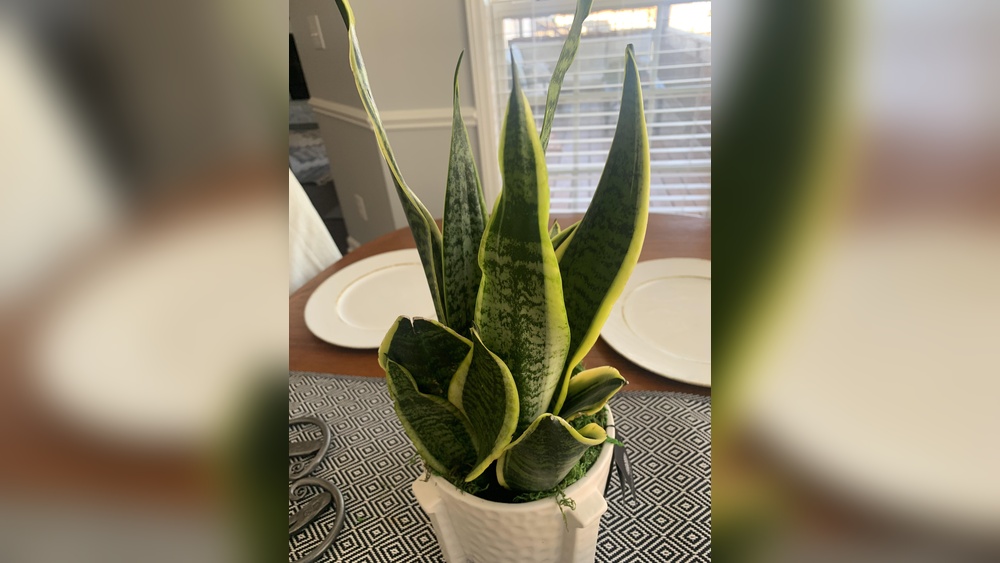
Are you wondering how often your snake plant really needs to be watered? Getting the watering right can be tricky—too much and your plant could suffer root rot, too little and the leaves might turn brown and crispy.
But don’t worry, you’re not alone! Many plant lovers struggle with this balance. You’ll discover simple, foolproof ways to tell exactly when your snake plant is thirsty. By learning easy tricks to check the soil and read your plant’s signals, you’ll keep your snake plant healthy and thriving without guesswork.
Keep reading to unlock the secrets to perfect watering and watch your snake plant flourish like never before!
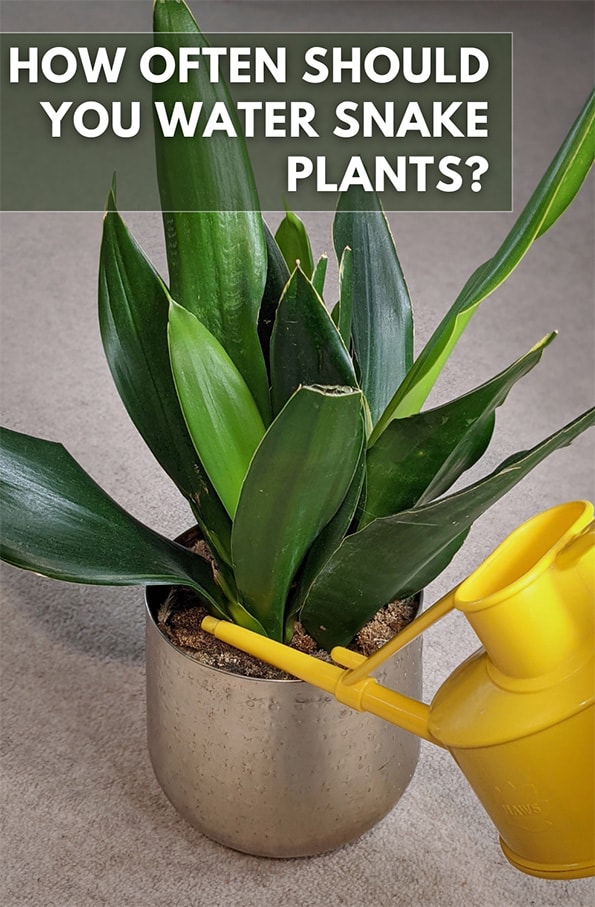
Credit: www.ourhouseplants.com
Watering Frequency
Snake plants are known for their hardiness and low maintenance. Watering frequency plays a key role in keeping these plants healthy. It is important to water them just right—not too much and not too little. Understanding the plant’s needs during different times of the year helps maintain its growth and appearance.
Growing Season Needs
During the growing season, typically spring and summer, snake plants need more water. The soil should be checked regularly for dryness. Water the plant every two weeks or when the top two inches of soil feel dry. Too much water can cause root rot, so avoid watering too often. Proper watering supports new leaf growth and keeps the plant vibrant.
Dormant Season Care
In fall and winter, snake plants enter a dormant phase. Watering should be reduced significantly during this time. The soil should be almost completely dry before adding water. Watering once a month is often enough. Overwatering in dormant season can lead to soft, yellowing leaves and root problems. Less water helps the plant rest and conserve energy.
Checking Soil Moisture
Checking soil moisture is the key to healthy snake plants. It helps prevent overwatering or underwatering. Snake plants store water in their leaves, so they do not need frequent watering. The soil must be dry before adding more water. There are simple ways to check soil moisture at home. These methods help you understand when your snake plant truly needs water.
Finger Test Method
Stick your finger about two inches into the soil. If it feels dry, the plant needs water. If it feels cool or damp, wait a few more days. This method is quick and easy. It works well for most indoor plants, including snake plants.
Using Moisture Meters
Moisture meters give a clear reading of soil wetness. Insert the probe into the soil near the roots. The meter shows if the soil is dry, moist, or wet. This tool is helpful for beginners. It removes guesswork and keeps your plant safe.
Dryness Indicators
Look for visual signs that soil is too dry. The soil may shrink or pull away from the pot edges. Leaves may become wrinkled or crispy at the tips. These signs mean your snake plant needs water soon. Checking these indicators helps catch dryness early.
Leaf Signs To Watch
Observing the leaves of your snake plant helps you understand its watering needs. Leaves show clear signs when the plant lacks water or receives too much. Careful watching can prevent damage and keep your plant healthy.
Symptoms Of Underwatering
Leaves turn brown and crispy at the tips. They may look dry or shriveled. The plant might grow slower or stop growing. Soil feels hard and pulls away from the pot edges. These signs mean the plant needs water soon.
Symptoms Of Overwatering
Leaves become soft and mushy with yellow patches. Brown spots may appear on the leaves. The base of the plant can look dark and soggy. Soil stays wet for a long time after watering. These signs warn of too much water, risking root rot.
Drooping And Curling Leaves
Leaves may droop or curl inward. This can happen with both underwatering and overwatering. Check the soil moisture to find the cause. Dry soil means underwatering; wet soil means overwatering. Adjust your watering habits based on what you see.
:max_bytes(150000):strip_icc()/how-often-to-water-snake-plants-hero-7c353647932448349e0a05395be072dd.jpg)
Credit: www.thespruce.com
Adjusting Watering Routine
Adjusting your snake plant’s watering routine is key to keeping it healthy. The plant’s water needs change based on several factors. Paying attention to these changes helps prevent problems like root rot or dryness. Understanding how seasons, pots, and soil affect watering is essential for good care.
Seasonal Adjustments
Snake plants need more water during spring and summer. These are their active growing months. Water every two weeks or when the soil feels dry two inches deep. In fall and winter, growth slows down. Water less often, about once a month or only when soil is dry. Lower light and cooler temperatures reduce water needs. Adjust watering to match these seasonal changes.
Pot And Soil Considerations
The type of pot affects how often you water your snake plant. Pots with drainage holes help excess water escape. This lowers the risk of root rot. Clay pots absorb moisture faster than plastic ones. Soil type also matters. Well-draining soil lets water pass through quickly. Heavy or compacted soil holds water longer. Check soil dryness before watering, not just the schedule. These factors together guide your watering routine.
Common Watering Mistakes
Watering snake plants might seem simple, but many plant owners make common mistakes. These errors can harm your plant’s health and growth. Understanding these mistakes helps keep your snake plant thriving. Below are the two main watering mistakes to avoid.
Overwatering Risks
Snake plants need less water than many houseplants. Overwatering is the most frequent problem. Too much water causes root rot, which kills the plant. Wet soil stops oxygen from reaching the roots. Leaves may turn yellow, soft, or mushy. Pots without drainage increase overwatering risks. Always let the soil dry completely before watering again.
Underwatering Consequences
Underwatering can also hurt snake plants. Dry soil for too long makes leaves brown and crispy. The plant may stop growing or look weak. Leaves can become thin or curled. Snake plants survive drought but prefer occasional watering. Check soil moisture to avoid underwatering. Water deeply but less often to keep your plant healthy.
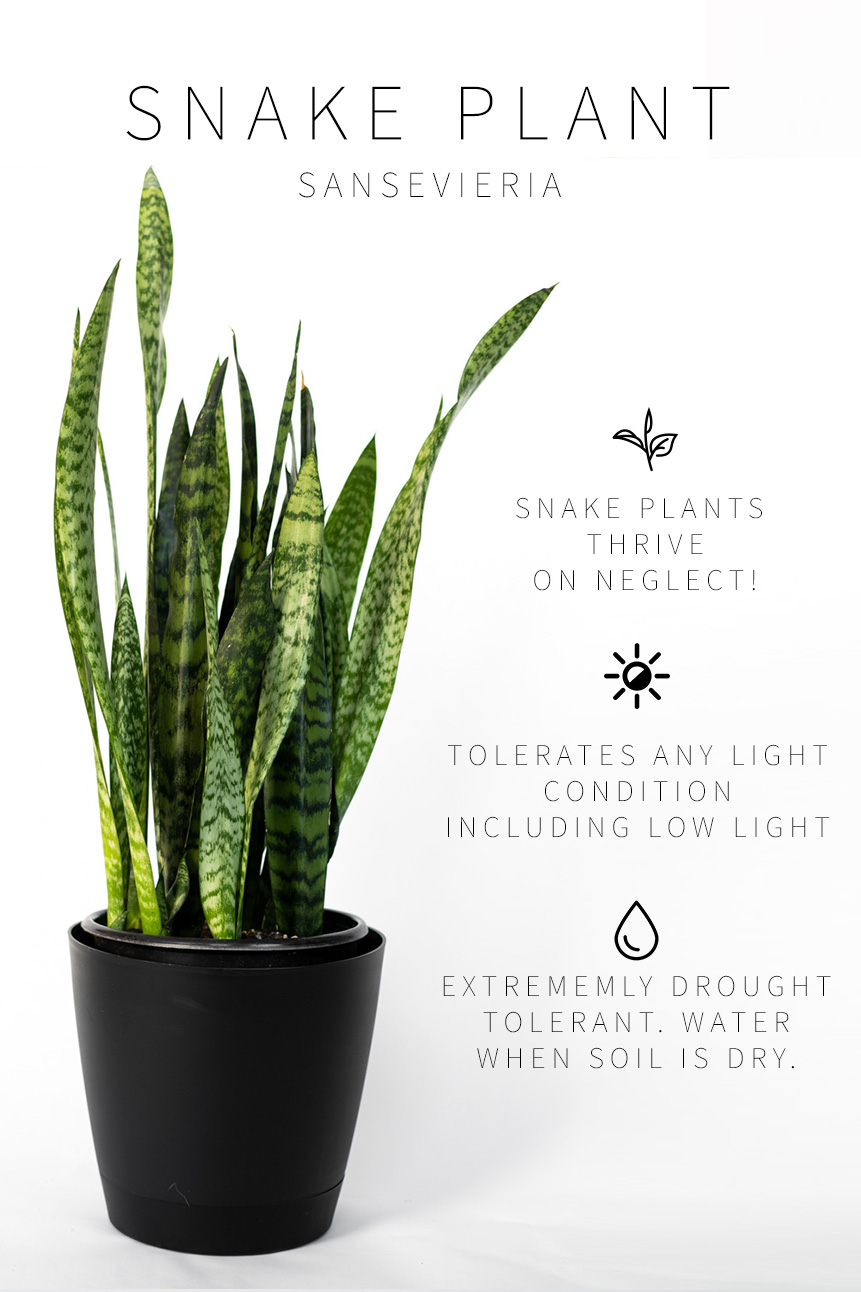
Credit: vintagerevivals.com
Best Practices For Healthy Growth
Maintaining healthy snake plants requires more than just watering. Proper care ensures strong growth and vibrant leaves. Understanding the best practices supports your plant’s well-being. These tips help you avoid common mistakes.
Watering Schedule Tips
Water snake plants only when the soil is dry. Check the top two inches before watering. During spring and summer, water every 2 to 3 weeks. In fall and winter, reduce watering to once a month. Avoid letting water sit in the pot to prevent root rot. Use a pot with drainage holes for better water flow.
Additional Care Recommendations
Place your snake plant in indirect sunlight for optimal growth. Keep the temperature between 60°F and 85°F. Clean leaves gently to remove dust and allow better photosynthesis. Use well-draining soil to avoid water retention. Fertilize once a month during growing seasons with a balanced, diluted fertilizer. Rotate the plant occasionally to ensure even growth on all sides.
Frequently Asked Questions
How Do You Know When A Snake Plant Needs Water?
Check the soil by inserting your finger two inches deep. Water only when the soil feels completely dry. Watch for soft, drooping, or yellow leaves signaling overwatering. Brown, crispy leaf tips indicate underwatering. Adjust watering frequency by season—more in spring and summer, less in fall and winter.
Does A Snake Plant Need Sunlight?
Snake plants thrive in indirect sunlight but tolerate low light conditions. Avoid direct sunlight to prevent leaf burn.
Where Is The Best Place To Put A Snake Plant?
Place a snake plant in bright, indirect light or low light areas. Avoid direct sunlight to prevent leaf burn. It thrives near windows or shaded corners indoors.
Do You Water A Snake Plant From The Top Or Bottom?
Water a snake plant from the top, allowing water to soak through the soil evenly. Avoid bottom watering to prevent root rot.
Conclusion
Snake plants thrive with careful watering. Check soil dryness before watering again. Water less in cooler months and more during growth. Watch leaves for signs of over or underwatering. Proper watering keeps your snake plant healthy and strong. Simple care leads to long-lasting green beauty.
Keep checking soil and adjust water as needed. Your snake plant will thank you with lush, vibrant leaves.