How Long to Grow Mushrooms in a Bag: Ultimate Growth Timeline Guide

Are you curious about how long it takes to grow mushrooms in a bag? Whether you’re trying this for the first time or looking to improve your harvest, knowing the timeline can help you plan and get the best results.
Growing mushrooms in a bag is a simple, space-saving method, but the process isn’t instant. You’ll want to understand the key stages—from the initial colonization to the exciting moment when tiny mushrooms start to appear and quickly grow. You’ll discover exactly how long each phase takes and what you can do to speed up your mushroom growth.
Growth Phases
Mushroom cultivation in bags follows clear growth phases. Understanding these phases helps in timing the harvest perfectly. The process splits into two main parts: colonization and fruiting. Each phase has unique conditions and timeframes. Proper care during each stage ensures healthy mushrooms and good yields.
Colonization Period
The colonization period lasts about 2 to 4 weeks. During this time, mycelium spreads throughout the substrate inside the bag. The substrate must stay warm and moist for best growth. No light is needed in this phase. You will see the white mycelium slowly cover the material. This phase is crucial as it prepares the mushrooms for the next stage.
Fruiting Stage
After full colonization, the bag is opened for fruiting. This stage takes around 1 to 2 weeks. The environment must be cooler, lighter, and more humid to trigger mushroom growth. Small “pins” or baby mushrooms start to form. They grow quickly, sometimes doubling in size daily. Harvesting is possible once mushrooms reach full size. Proper airflow and moisture help produce quality mushrooms during this phase.
Credit: martian-mushrooms.com
Timeline Breakdown
The timeline for growing mushrooms in a bag is straightforward. Understanding each stage helps you track progress and know when to expect results. The process mainly splits into colonization and fruiting phases. Colonization takes the longest, while fruiting happens faster. Below is a clear timeline breakdown to guide you through the key stages.
Days To Pin Formation
After full colonization, small bumps called pins start to appear. This usually happens around 5 to 7 days after opening the bag. Pins are the first sign your mushrooms are ready to grow. You need to keep humidity high and provide indirect light. Pins are delicate and need the right environment to develop properly.
Rapid Growth Phase
Once pins form, mushrooms grow quickly. They can double in size every day. This phase lasts about 4 to 7 days. Watch the mushrooms closely as they expand. Proper airflow, moisture, and light help speed up growth. Avoid touching the mushrooms to prevent damage or contamination.
Harvest Timeframe
Mushrooms are ready to harvest when caps fully open but before they release spores. This usually happens 10 to 14 days after pin formation. Harvest by gently twisting or cutting the mushrooms at the base. Timely harvesting ensures the best flavor and texture. After harvesting, you may get a second or third flush of mushrooms in the same bag.
Environmental Conditions
Environmental conditions play a crucial role in growing mushrooms in a bag. The right environment helps mycelium colonize the substrate quickly. It also supports healthy fruiting and mushroom growth. Controlling temperature, humidity, and light exposure is essential for a successful harvest.
Temperature Requirements
Mushrooms need specific temperatures at different growth stages. During colonization, keep the bag between 70°F and 75°F (21°C to 24°C). This range encourages mycelium to spread fast. For fruiting, lower the temperature to 60°F to 65°F (15°C to 18°C). Cooler air triggers pin formation and better mushroom growth.
Humidity Levels
High humidity is vital for mushroom development. Maintain humidity around 85% to 95% during fruiting. This moisture prevents mushrooms from drying out. Mist the growing area or use a humidity tent to keep the air moist. Avoid water pooling inside the bag to stop mold growth.
Light Exposure
Mushrooms do not need direct sunlight but require some light. Provide indirect or low light for about 12 hours daily. This exposure helps mushrooms form properly and grow in shape. Avoid strong, direct sunlight that can dry out the bag and harm the mycelium.
Preparing The Grow Bag
Preparing the grow bag is a key step in growing mushrooms successfully. It sets the foundation for healthy mushroom growth. The process involves careful mixing of the substrate, adding mushroom spores, and sealing the bag correctly. Each step needs attention to detail to avoid contamination and ensure good results.
Substrate Mixing
Start by selecting the right substrate, often a mix of sawdust, straw, or wood chips. The substrate must be moist but not wet. Mix it thoroughly to create an even texture. This helps the mushroom mycelium spread easily throughout the bag. Proper mixing also reduces the chance of mold or unwanted bacteria growth.
Inoculation Process
Inoculation means adding mushroom spores or spawn to the substrate. Use clean tools and a sterile environment. Spread the spawn evenly inside the substrate for uniform colonization. Avoid touching the spawn with bare hands to prevent contamination. Once mixed, the spores begin colonizing the substrate by feeding on it.
Sealing And Storage
Seal the grow bag tightly after inoculation. Use a filter patch or breathable material to allow airflow but keep contaminants out. Store the bag in a warm, dark place for colonization. Keep the temperature stable for faster growth. Check regularly for signs of mold or contamination and remove affected bags if needed.
Signs Of Readiness
Knowing when mushrooms are ready to harvest is key to successful growing. The signs of readiness show the health and growth stage of your mushrooms. Watch for changes in the mycelium, the first tiny mushrooms called pins, and the final mature mushroom features. These clues help you pick at the right time for the best quality and yield.
Mycelium Coverage
Mycelium looks like white threads covering the substrate inside the bag. Full coverage means the bag is fully colonized. It should be thick and bright white without spots or discoloration. This signals the fungus has taken over the substrate and is ready to move to fruiting.
Gray, green, or dark spots show contamination. Avoid harvesting if these appear. Healthy mycelium coverage is the first sign your mushrooms will soon grow.
Pin Appearance
Pins are tiny mushroom buds that start to form after colonization. They look like small white or light brown dots on the surface. Pins show the mycelium is starting to produce fruit bodies. This stage usually happens 1-2 weeks after colonization finishes.
At pinning, open the bag to fresh air and increase humidity. Pins will grow quickly into full mushrooms. Watching for pins helps you know the right time to change conditions.
Mature Mushroom Indicators
Mature mushrooms have a well-developed cap and stem. The cap often opens up and flattens or curves upward. The color deepens based on the mushroom type.
The veil under the cap may break, exposing gills. The size doubles daily during growth. Harvest just before the veil breaks for best texture and flavor. Mushrooms that are too old may drop spores or become slimy.
Harvesting Tips
Harvesting mushrooms from a grow bag requires care and attention. Picking mushrooms at the right time ensures the best flavor and texture. Using proper techniques prevents damage to the remaining mushrooms. Handling mushrooms carefully after picking keeps them fresh longer. Follow these tips for a successful harvest.
Best Harvest Time
Harvest mushrooms when their caps start to open slightly. Avoid picking too early, as the mushrooms will be small. Wait until the caps are mostly open but before they fully flatten. This stage offers the best taste and texture. Harvesting at the right time also helps the bag produce more mushrooms later.
Proper Picking Techniques
Use clean hands or scissors to pick mushrooms. Gently twist or cut the stem near the base. Avoid pulling or yanking to prevent damage to the mycelium. Handle each mushroom carefully to avoid bruising. Proper picking allows new mushrooms to grow faster in the bag.
Post-harvest Handling
Place harvested mushrooms in a breathable container. Avoid plastic bags as they trap moisture and cause spoilage. Store mushrooms in a cool, dry place or refrigerator. Clean mushrooms with a soft brush or damp cloth before use. Proper handling extends shelf life and maintains quality.
Multiple Flushes
Growing mushrooms in a bag often leads to multiple harvests, known as flushes. Each flush produces a batch of mushrooms, allowing growers to enjoy repeated yields without starting over. Understanding how to support these multiple flushes helps maximize your mushroom harvest and keeps your growing process efficient.
Maintaining Moisture
Mushrooms need constant moisture to grow well. After harvesting the first flush, spray water lightly inside the bag. Keep humidity high but avoid soaking the substrate. Mist the bag regularly to prevent drying out. Proper moisture helps new mushrooms to develop quickly and stay healthy.
Encouraging Successive Growth
After the first harvest, the mushroom mycelium rests briefly. Open the bag gently to let fresh air in. This stimulates the mycelium to produce another flush. Keep the environment cool and humid. Avoid disturbing the substrate too much. These steps encourage fresh mushroom growth multiple times.
Managing Substrate Longevity
The substrate provides nutrients for mushrooms but weakens after several flushes. Monitor the substrate’s condition after each harvest. If it looks dry or depleted, it may be time to replace it. Proper care extends the substrate’s life, allowing more flushes. Good substrate management saves time and resources in growing mushrooms.

Credit: www.youtube.com
Common Growth Challenges
Growing mushrooms in a bag is simple but not without challenges. Many growers face issues that slow growth or ruin the crop. Understanding common problems helps you avoid mistakes and improve results. Three main challenges are contamination, slow colonization, and poor fruiting conditions.
Contamination Issues
Contamination is the biggest risk when growing mushrooms in bags. Mold, bacteria, and other fungi can invade the substrate. These unwanted organisms compete with mushroom mycelium. Contamination often appears as green, black, or pink patches. It can produce bad smells and stop mushroom growth. Using clean tools and sterilized substrate reduces contamination risks. Always work in a clean area to protect your crop.
Slow Colonization
Colonization is when mushroom mycelium spreads through the substrate. Slow colonization means the mycelium grows very slowly or stops. This delay can be caused by low temperatures or poor substrate quality. Too much moisture or dryness also slows growth. Patience is key but adjusting temperature and moisture helps speed up colonization. Avoid opening the bag too early as it can disturb mycelium growth.
Poor Fruiting Conditions
Fruiting begins after colonization finishes. Mushrooms need proper light, humidity, and fresh air to fruit well. Low humidity causes small, dry mushrooms. Too much humidity can lead to mold and rotten fruit. Lack of fresh air causes mushrooms to grow thin and weak. Maintain a cool, humid, and well-ventilated environment for best fruiting. Monitor conditions closely and adjust as needed.
Optimizing Growth Speed
Optimizing the growth speed of mushrooms in a bag helps you harvest faster. Small changes in your method can make a big difference. Focus on the right strain, environment, and supplements. These factors work together to speed up growth and improve yield.
Selecting Strains
Choose mushroom strains known for fast growth. Oyster mushrooms grow quicker than many others. Some strains colonize the substrate in as little as two weeks. Research the strain’s typical growth time before starting. Faster strains mean faster harvests and less waiting.
Adjusting Environment
Maintain ideal temperature and humidity for your mushrooms. Most mushrooms grow best between 65°F and 75°F. Keep humidity around 85% to 95% to avoid drying out. Provide indirect light to trigger fruiting. Good airflow prevents mold and encourages healthy growth.
Using Supplements
Adding organic supplements can boost mushroom growth speed. Coffee grounds, bran, or gypsum enrich the substrate. These provide extra nutrients for the mycelium. Use supplements carefully to avoid contamination. Proper supplements support faster colonization and bigger mushrooms.
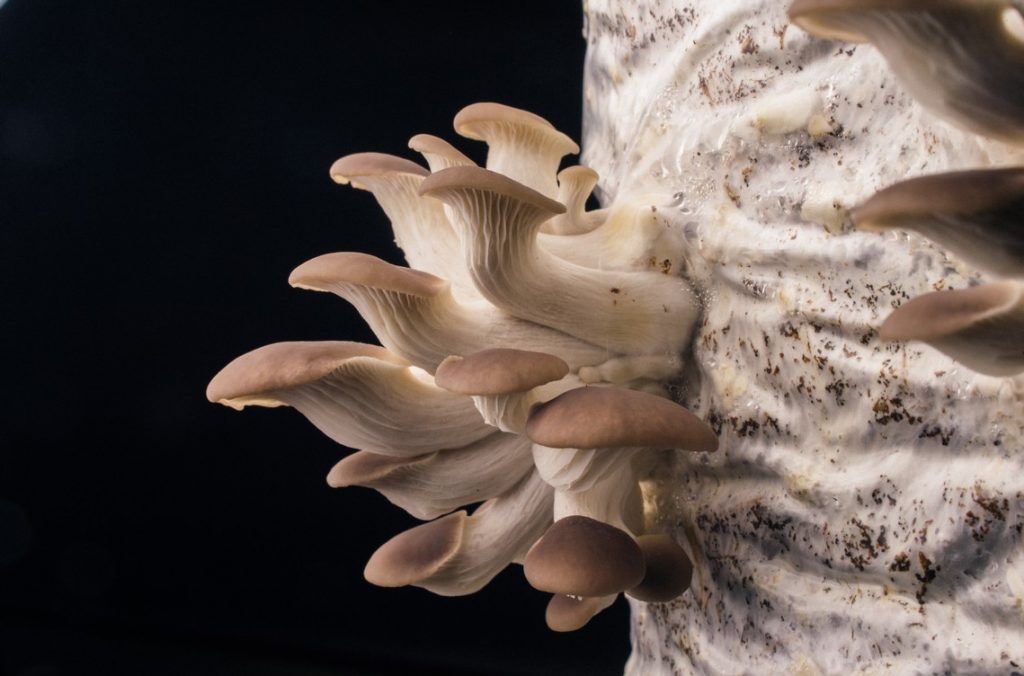
Credit: grocycle.com
Conclusion
Growing mushrooms in a bag takes patience and care. First, the mycelium needs about two to four weeks to colonize the substrate fully. Then, after opening the bag, mushrooms start pinning and grow quickly, usually ready to harvest in one to two weeks.
Keeping the environment cool, humid, and light helps mushrooms develop well. Watching for small pins shows growth is on track. Regularly checking the bag ensures good results. With simple steps and time, fresh mushrooms can be enjoyed from your own bag.