How Does Self Watering Planter Work: Ultimate Guide to Effortless Gardening
Are you tired of constantly worrying whether your plants are getting too much or too little water? What if there was an easy way to keep your plants perfectly hydrated without daily watering?
That’s exactly what a self-watering planter does for you. It cleverly supplies water from a hidden reservoir, letting your plants drink just what they need, when they need it. You’ll discover how self-watering planters work, why they make plant care simpler, and what you should consider before choosing one for your home or garden.
How Self Watering Planters Work
Self watering planters simplify plant care by providing water automatically. They keep the soil moist without daily watering. This system helps plants grow healthy and strong. Understanding how these planters work can improve your gardening experience and plant success.
Water Reservoir Function
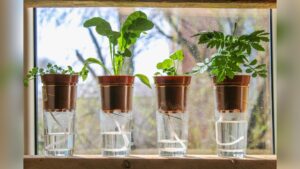
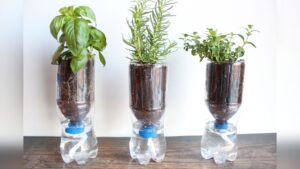
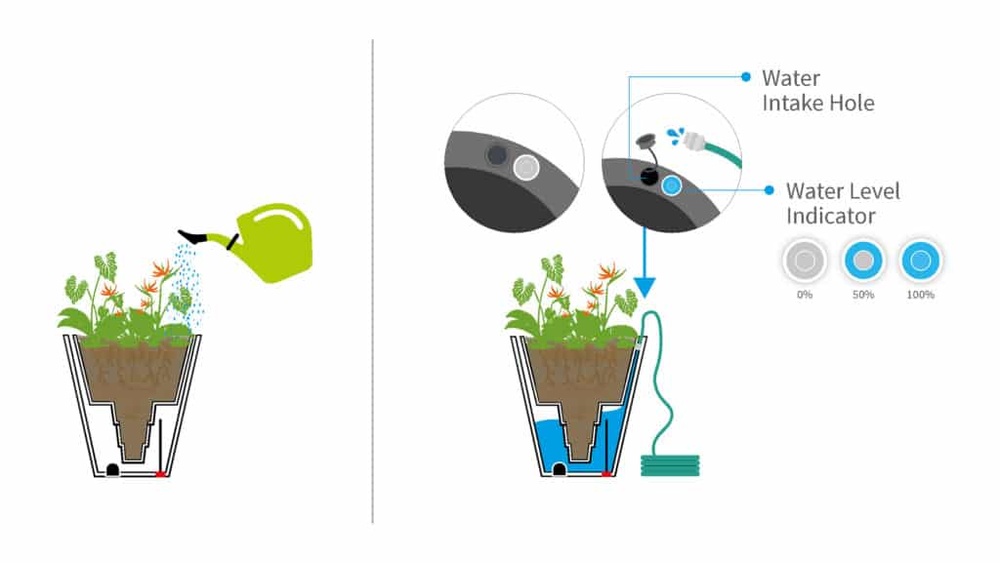
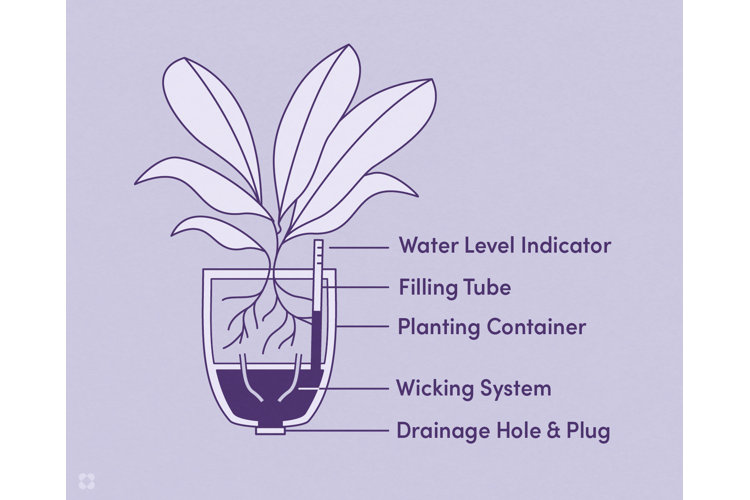
At the base of the planter is a water reservoir. It stores water for the plant’s use over time. This reservoir reduces the need for frequent watering. It holds enough water to keep the plant hydrated for days or weeks. This feature helps maintain steady moisture levels in the soil.
Wicking Mechanism
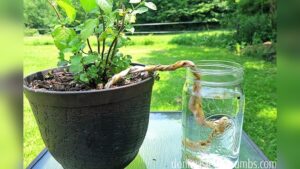
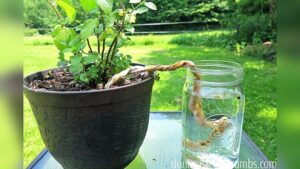
The planter uses a wicking system to move water up to the soil. A wick or porous material connects the water reservoir to the soil. It draws water slowly and evenly by capillary action. This process ensures the soil stays moist but not too wet. The wick supplies water as the soil dries out.
Root-based Water Absorption
Plant roots absorb water directly from the moist soil. As roots take up water, the wick replenishes moisture from the reservoir. This cycle supports steady growth and prevents water stress. Roots stay hydrated without sitting in water. This method helps avoid root rot and promotes healthy plants.
Credit: www.wayfair.com
Benefits Of Self Watering Planters
Self watering planters offer many benefits that improve plant care and ease gardening tasks. These planters provide a steady water supply directly to the roots. This system helps plants grow stronger and healthier. Gardeners save time and reduce water waste with these smart containers.
Consistent Moisture Supply
Self watering planters keep soil moist for longer periods. The built-in reservoir supplies water slowly and evenly. Plants receive water only when they need it. This prevents dry soil and overwatering problems. Consistent moisture helps roots absorb nutrients better.
Improved Plant Health
Plants in self watering planters grow healthier and stronger. The steady water supply reduces stress from drought or excess water. Roots develop deep and spread evenly in moist soil. This leads to better growth and more vibrant leaves. Fewer pests and diseases occur due to stable moisture levels.
Convenience For Busy Gardeners
These planters reduce the need for daily watering. Gardeners can travel or work without worrying about plants drying out. The reservoir holds enough water for several days or weeks. This makes plant care easier and less time-consuming. Perfect for people with busy schedules or forgetful habits.
Water Conservation
Self watering planters use water efficiently and reduce waste. Water goes straight to the roots with little evaporation. This saves water compared to traditional watering methods. The slow release system prevents runoff and keeps soil moist. Ideal for areas with water restrictions or dry climates.
Limitations To Consider
Self-watering planters offer many benefits but also have some limits. Understanding these limits helps you use them better and keep your plants healthy. Not every plant suits these planters, and certain conditions may cause problems. Below are key points to consider before choosing a self-watering planter.
Unsuitable Plants
Some plants do not thrive in self-watering planters. Succulents and cacti need dry soil and less water. These planters keep soil moist, which can cause root rot for such plants. Also, plants that prefer very dry conditions may suffer from constant moisture. It is important to know your plant’s water needs.
Risk Of Overwatering
Self-watering planters control water well but can still cause overwatering. If the water reservoir is too full, plants may get too much water. Overwatering leads to poor root health and fungal growth. Regular checking of water levels and soil moisture helps avoid this risk.
Challenges In Outdoor Use
Using self-watering planters outdoors can be tricky. Heavy rain may flood the water reservoir, drowning the roots. Strong winds can also move or tip the planter, damaging plants. Sun exposure may cause water to evaporate faster than expected. Outdoor use needs extra care and monitoring.
Choosing The Right Planter
Choosing the right self-watering planter is key to helping your plants thrive. The right planter makes watering easier and supports healthy root growth. Different planters offer various benefits depending on their material, size, and design. Understanding these factors helps you pick the best fit for your plants and space.
Material Options
Self-watering planters come in plastic, ceramic, and metal. Plastic planters are lightweight and resist water damage. Ceramic planters look attractive but can be heavy and fragile. Metal planters are durable but may heat up in the sun, affecting roots. Choose a material that suits your environment and style.
Size And Capacity
The planter’s size affects how much water it can hold. Larger planters have bigger reservoirs, so plants need less frequent watering. Small planters work well for herbs or small flowers. Match the planter size to your plant’s root system and how often you want to water.
Design Features
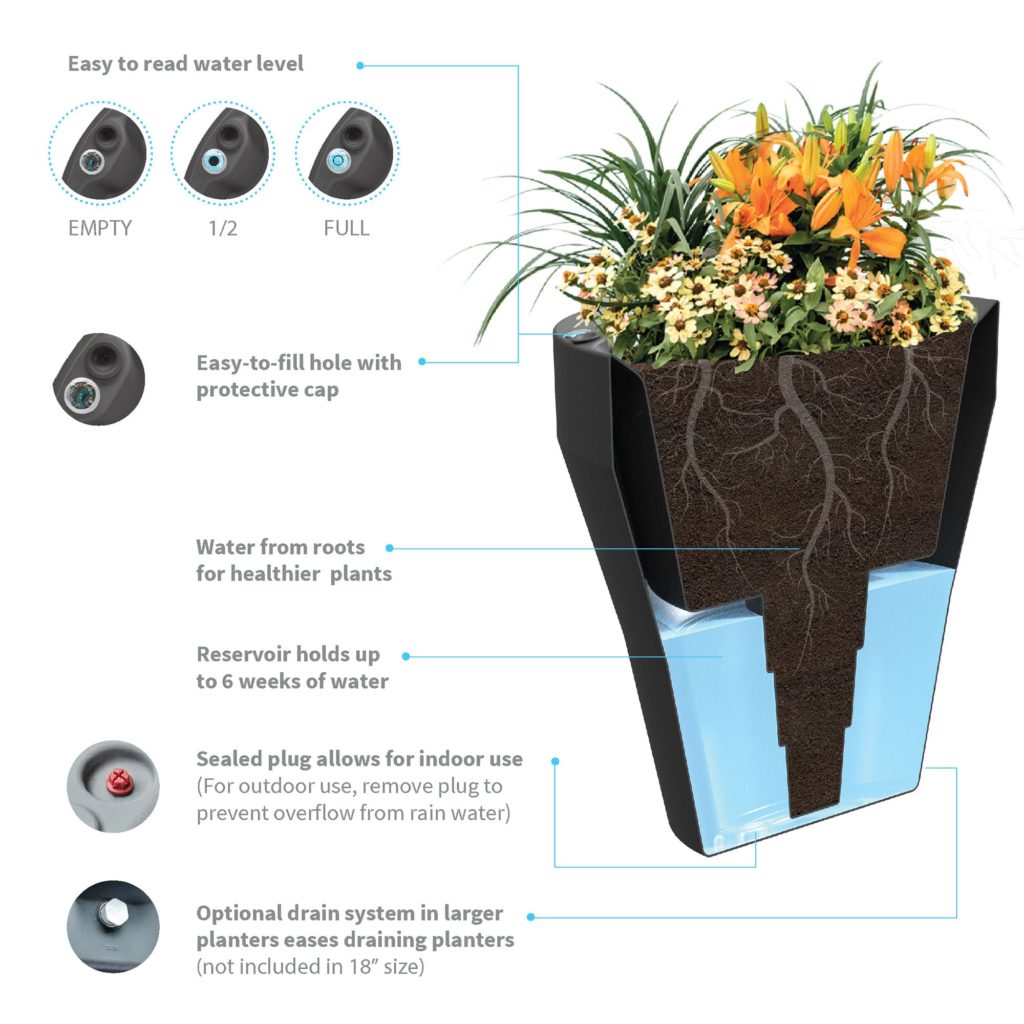
Look for planters with easy-to-fill reservoirs and water level indicators. Some have built-in wicks or soil barriers to control water flow. A good design prevents overwatering and keeps soil moist but not soaked. Choose a design that fits your watering habits and plant type.
Using Self Watering Planters Effectively
Using self watering planters effectively ensures healthy plants and saves time. These planters provide water directly to the roots through a reservoir. Understanding how to set up and maintain them helps plants grow strong. Monitoring soil moisture is key to avoid overwatering or dryness.
Proper Setup Tips
Choose the right size planter for your plant. Fill the reservoir with clean water before planting. Use high-quality potting soil with good drainage. Insert the plant carefully without disturbing the water system. Place the planter in a location with suitable light for your plant type.
Maintenance And Cleaning
Refill the water reservoir regularly to keep plants hydrated. Clean the reservoir every few weeks to prevent algae growth. Remove dead leaves and debris from the soil surface. Check for clogged wicks or tubes and clear them if needed. Use mild soap and water for cleaning parts to avoid chemicals harming plants.
Monitoring Soil Moisture
Check the soil surface for dryness or wetness often. Use a moisture meter to get accurate readings. Adjust watering frequency based on plant needs and weather conditions. Watch for signs of overwatering like yellow leaves or root rot. Allow the soil to dry slightly between watering for healthy roots.
Credit: www.crescentgarden.com
Common Myths And Facts
Self-watering planters have gained popularity for their ease of use and water-saving promise. Yet, many myths surround how they function. Understanding common misconceptions helps gardeners use these planters wisely. Here are some frequent myths and facts about self-watering planters.
Myth: No Watering Needed
Some believe self-watering planters never require manual watering. This is not true. These planters store water in a reservoir that supplies moisture gradually. The reservoir will eventually empty, so refilling is necessary. Regular checks keep plants healthy and hydrated.
Fact: Not Suitable For All Plants
Self-watering planters work well for many plants but not all. Plants like succulents and cacti need dry soil between watering. Constant moisture can harm their roots. Choose plants that prefer steady moisture for best results with these planters.
Myth: Always Saves Water
It is often said that self-watering planters always save water. This depends on usage. They reduce water waste by controlling delivery to roots. Yet, overfilling or leaks can cause water loss. Proper care and maintenance ensure efficient water use.

Credit: urbanscapeplanters.com
Frequently Asked Questions
Do Self-watering Planters Really Work?
Yes, self-watering planters work by supplying consistent moisture from a reservoir, preventing over- and under-watering. They improve plant health and reduce watering frequency. However, they may not suit plants needing dry soil or heavy outdoor rain conditions.
What Is The Disadvantage Of Self-watering Pots?
Self-watering pots can cause root rot if overfilled and may not suit plants needing dry soil. They also limit fertilizer use and can be costly.
How Does A Self-watering Planter Work Without A Wick?
A self-watering planter without a wick uses a water reservoir and soil’s natural capillary action. Roots absorb water directly from the moist soil. This system maintains consistent moisture, reducing overwatering and underwatering risks while promoting healthy plant growth.
How Do You Use A Self-watering Planter?
Fill the reservoir with water. Plant your seedling in the soil above. The planter wicks water up as roots need it. Refill the reservoir when low. This ensures consistent moisture and prevents over- or under-watering.
Conclusion
Self-watering planters keep plants hydrated with less effort. They use a water reservoir and wick system to deliver water slowly. This method helps plants avoid too much or too little water. It saves time and reduces watering mistakes. Self-watering planters suit many indoor and outdoor plants.
Understanding their function helps you care for plants better. Try one to enjoy easier, consistent plant watering.