How Do Self Watering Plant Pots Work
Have you ever struggled with keeping your plants perfectly watered—worried you might give them too much or too little? Self-watering plant pots could be the simple solution you’ve been searching for.
These clever pots manage water for your plants in a smart, hands-off way, making your plant care routine easier and more reliable. But how exactly do they work, and are they right for your green friends? You’ll discover the secrets behind self-watering pots, learn how they deliver just the right amount of moisture, and find out if they fit your lifestyle and plant collection.
How Self-watering Pots Work
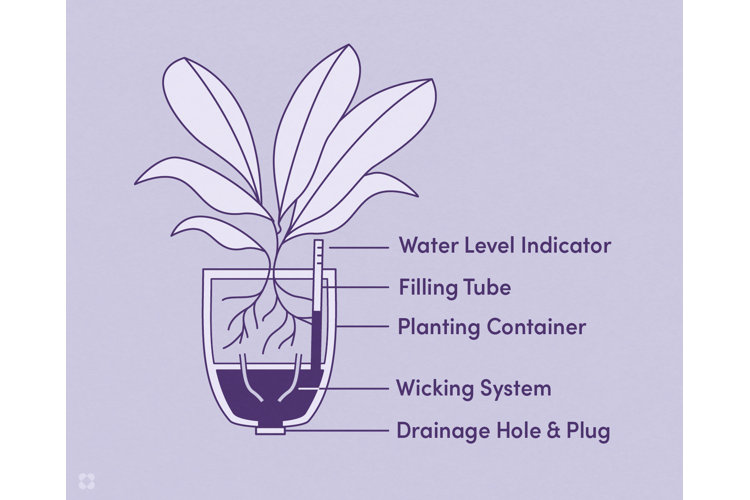
Self-watering pots offer a smart way to care for plants with less effort. They supply water steadily, letting plants drink as needed. This system reduces the risk of overwatering or underwatering. Understanding how these pots work helps gardeners use them effectively. Below are the key parts of their operation.
Water Reservoir Function
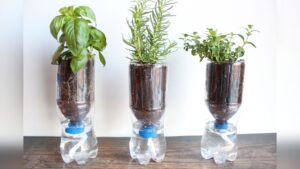
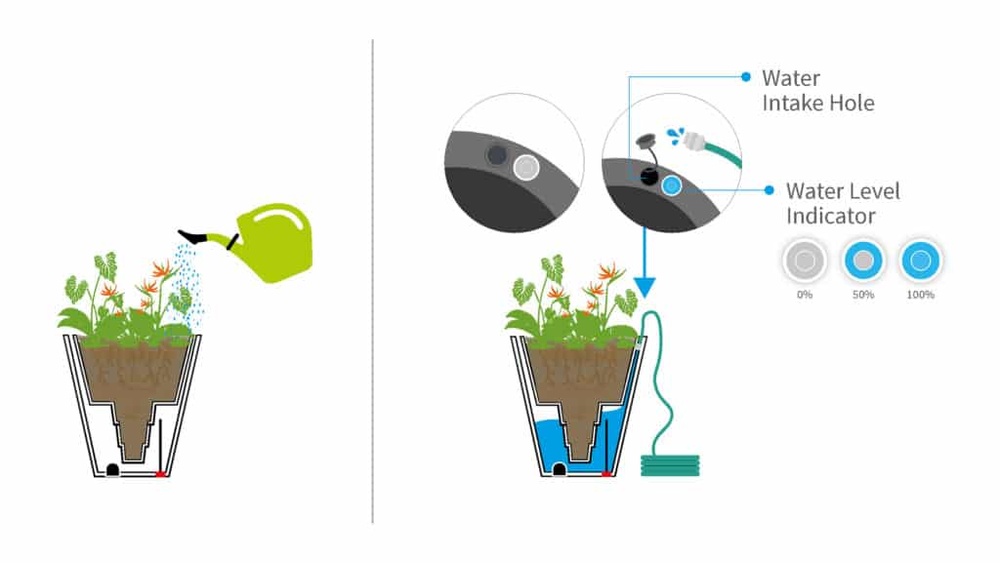
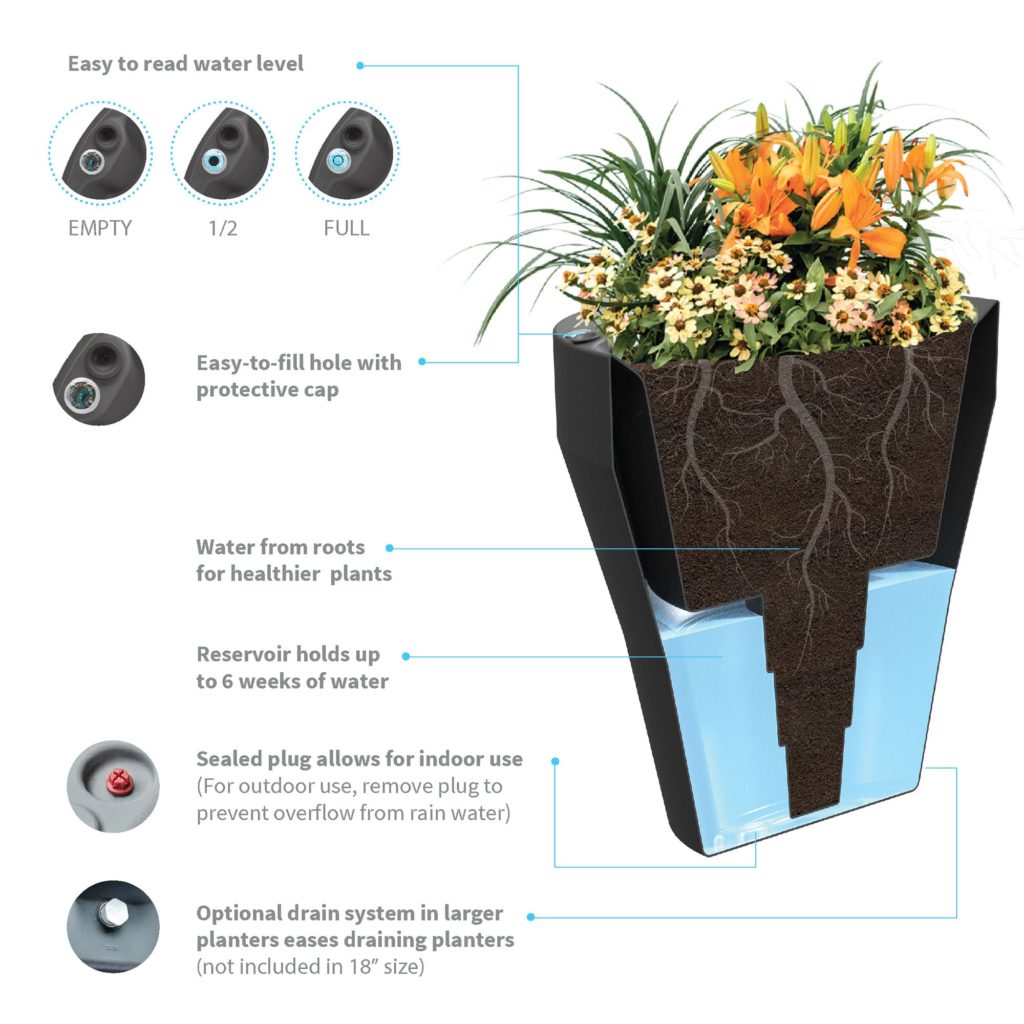
Self-watering pots have a built-in water reservoir at the bottom. This reservoir holds extra water for the plant. It keeps water available without flooding the soil. The reservoir ensures plants have access to moisture over time. Gardeners refill the reservoir instead of watering the soil directly.
Wicking System Mechanics
A wick or special pot design moves water from the reservoir upwards. This happens through capillary action, which pulls water slowly into the soil. The wick controls the water flow, preventing excess moisture. It works like a sponge, delivering water only when the soil is dry. This steady supply supports healthy root growth.
Root-based Water Absorption
Plant roots take water directly from the moist soil around them. They absorb only the amount they need to stay healthy. This method stops water waste and root rot. The roots’ natural thirst guides the water intake. This helps plants stay strong, even if watering is less frequent.
Benefits Of Self-watering Pots
Self-watering pots offer many benefits that help plants grow better and make gardening easier. They are designed to supply water steadily, which keeps plants healthy and reduces the effort needed to care for them. These pots are useful for gardeners who want simple and effective plant care. Below are some key advantages of using self-watering pots.
Consistent Water Supply
Self-watering pots provide water from a built-in reservoir. This system delivers water slowly and evenly. Plants get the right amount without drying out or flooding. It removes the guesswork from watering schedules. The soil stays moist for longer, which supports steady plant growth.
Improved Plant Health
With steady moisture, plants avoid stress from too little or too much water. Roots develop strong and healthy because they can absorb water as needed. This reduces problems like root rot and wilting. Consistent watering helps plants produce more blooms and leaves.
Convenience For Busy Gardeners
Self-watering pots save time by reducing how often you need to water. They are perfect for people with busy lives or those who travel. These pots keep plants hydrated for days or weeks. It means less daily care and fewer worries about forgetting to water.
Water Conservation Advantages
These pots use water efficiently by delivering it directly to the roots. Less water evaporates or runs off compared to traditional pots. This system cuts down on water waste. It helps gardeners save water and lowers their utility bills. Using self-watering pots supports eco-friendly gardening practices.
Limitations And Drawbacks
Self watering plant pots have many benefits, but they also come with some limitations. Understanding these drawbacks helps in choosing the right pot for your plants. These pots do not fit every plant type or environment perfectly. Some challenges can affect plant health and pot efficiency. Consider these factors before making a purchase.
Unsuitable Plants
Not all plants thrive in self watering pots. Plants like succulents and cacti prefer dry soil. Constant moisture from these pots can cause root rot in such plants. Plants that need dry periods may suffer from too much water. Choose plants that enjoy consistent moisture for best results.
Risk Of Overwatering
Self watering pots can still lead to overwatering. If the reservoir is too full, the soil stays wet longer than needed. This creates a risk of root rot and fungal diseases. Regular checking of water levels is important. Avoid filling the reservoir beyond recommended limits.
Challenges In Outdoor Use
Outdoor use of self watering pots can be tricky. Rain can fill the reservoir quickly, causing waterlogging. Strong wind can dry out the soil faster than the pot refills. Temperature changes affect water absorption rates. These factors make outdoor care less predictable.
Higher Initial Costs
Self watering pots usually cost more than regular pots. The built-in reservoir and wick system add to the price. This higher cost may not fit all budgets. Consider long-term savings on water and plant health before buying. For some, the initial investment feels too high.
Credit: www.crescentgarden.com
Choosing The Right Self-watering Pot
Choosing the right self-watering pot is essential for healthy plants and easy care. Not every pot fits every plant or space. Consider your plant’s needs and your lifestyle when selecting a pot. The right choice helps your plants thrive and saves you time.
Size And Capacity Considerations
Select a pot size that matches your plant’s root growth. Small pots dry out faster and may need refilling more often. Large pots hold more water but can be heavy and take longer to dry. Check the water reservoir size. A bigger reservoir means less frequent refilling. Match the pot size to your space, whether indoors or outdoors.
Material Options
Self-watering pots come in plastic, ceramic, and metal. Plastic pots are lightweight and affordable. Ceramic pots look attractive and help regulate soil temperature. Metal pots can be stylish but may heat up quickly in sunlight. Choose a material that suits your decor and climate. Ensure the pot material supports water retention and durability.
Design Features To Look For
Look for clear water level indicators. They help you know when to add water. Check if the pot has a good wicking system for even water distribution. Some pots include overflow holes to prevent waterlogging. A removable inner pot makes repotting easier. Also, consider pots with handles for easy moving. These features improve convenience and plant health.
Maintenance Tips
Proper maintenance keeps self watering plant pots working well. It helps plants stay healthy and ensures the pot’s system lasts longer. Regular care prevents common issues like algae growth and water blockages. Follow these simple tips to maintain your self watering pots effectively.
Cleaning The Reservoir
Remove the plant and soil carefully before cleaning. Rinse the reservoir with clean water to remove dirt. Use a soft brush to scrub away stubborn debris. Avoid harsh chemicals that may harm the plant later. Clean the reservoir every few weeks to keep water fresh.
Preventing Algae And Mold
Algae and mold grow when water stays stagnant and light reaches the reservoir. Cover the reservoir to block light and slow algae growth. Use filtered or distilled water to reduce nutrients that feed algae. Check the pot regularly and clean if you see any mold or algae forming.
Monitoring Water Levels
Check water levels in the reservoir often to avoid drying out. Refill the reservoir before it gets empty to keep plants hydrated. Use the water level indicator if your pot has one. Consistent water supply helps plants grow strong and healthy.
Credit: www.wayfair.com
Best Plants For Self-watering Pots
Choosing the best plants for self-watering pots can improve your gardening success. These pots deliver water steadily from a reservoir, helping plants stay hydrated without daily care. Some plants absorb water well and thrive in this environment. Others may suffer if soil stays too wet. Understanding which plants suit self-watering pots ensures healthy growth and fewer problems.
Plants That Thrive
Many houseplants enjoy consistent moisture. Herbs like basil, mint, and parsley grow well in self-watering pots. They love steady water and benefit from less frequent watering. Leafy greens such as lettuce and spinach also do well because they prefer moist soil. Tropical plants like peace lilies and pothos thrive with regular moisture and avoid dry spells. These plants respond positively to the steady water supply self-watering pots provide.
Plants To Avoid
Succulents and cacti dislike constant moisture. Their roots need to dry out between waterings to avoid rot. Self-watering pots keep soil too wet for these plants. Orchids also prefer special watering routines and air circulation around roots. Plants with deep root systems, such as large shrubs or trees, may outgrow the pot or not get enough oxygen in wet soil. Avoid plants that require dry soil or irregular watering in self-watering pots.
Using Self-watering Pots Indoors Vs Outdoors
Self-watering pots offer unique benefits depending on their location. Using them indoors differs from using them outdoors. Each setting influences how the pots work and what adjustments may be needed. Understanding these differences helps you care for your plants better and keeps them healthy.
Indoor Advantages
Indoors, self-watering pots provide steady moisture without frequent watering. They reduce the risk of spills and messes. The controlled environment limits evaporation, so water lasts longer. Plants stay hydrated, even during busy days. Indoor use also protects the pots from weather damage. This makes them durable and low-maintenance in homes or offices.
Outdoor Challenges
Outdoors, self-watering pots face rain, wind, and sun exposure. Heavy rain can fill the reservoir and drown roots. Strong sun increases water evaporation, drying soil faster. Wind may cause soil to dry unevenly. Outdoor pests might also affect the pot or plant. These factors require more careful monitoring and protection for the pots.
Seasonal Adjustments
Seasons change how much water plants need in self-watering pots. In spring and summer, plants usually need more water. Check reservoirs often to prevent drying out. Fall and winter bring cooler temperatures and less water use. Reduce watering frequency to avoid root rot. Adjust the pot’s water level and placement based on season. This helps plants thrive year-round.

Credit: urbanscapeplanters.com
Frequently Asked Questions
Do Self-watering Planters Really Work?
Yes, self-watering planters work by supplying water from a reservoir, preventing over- and under-watering. They save time, conserve water, and support healthy plant growth. However, they suit moisture-loving plants better and may not work well for succulents or outdoor use in heavy rain.
What Are The Disadvantages Of Self Watering Pots?
Self-watering pots can cause root rot in plants needing dry soil. They may overwater some species. Outdoor use risks waterlogging during heavy rain. These pots offer limited moisture control and usually cost more than regular pots.
Do You Plant Directly Into Self-watering Pots?
Yes, you can plant directly into self-watering pots. Use well-draining soil and avoid overwatering to keep roots healthy.
Can You Overwater Plants With Self-watering Pots?
Yes, you can overwater plants with self-watering pots if the reservoir stays too full. Monitor water levels regularly.
Conclusion
Self-watering plant pots keep soil moist by drawing water from a reservoir. This system helps plants get just the right amount of water. It reduces the risk of overwatering or underwatering. These pots save time and effort for busy gardeners.
They also help conserve water by limiting waste. Not all plants like constant moisture, so choose wisely. Overall, self-watering pots offer a simple way to care for many plants. They make plant care easier and more reliable. A smart choice for indoor or container gardening.