Does Watering Plants Prevent Freezing? Essential Winter Tips
Have you ever wondered if watering your plants before a cold snap can actually save them from freezing? When frost threatens your garden, it’s natural to want to do everything you can to protect your greenery.
But does watering really help prevent freezing damage? Understanding this simple yet powerful gardening tip could make all the difference in keeping your plants healthy through chilly nights. Keep reading to discover how watering affects your plants in freezing temperatures and learn practical steps you can take to shield your garden from frost.
Your plants’ survival might depend on it!

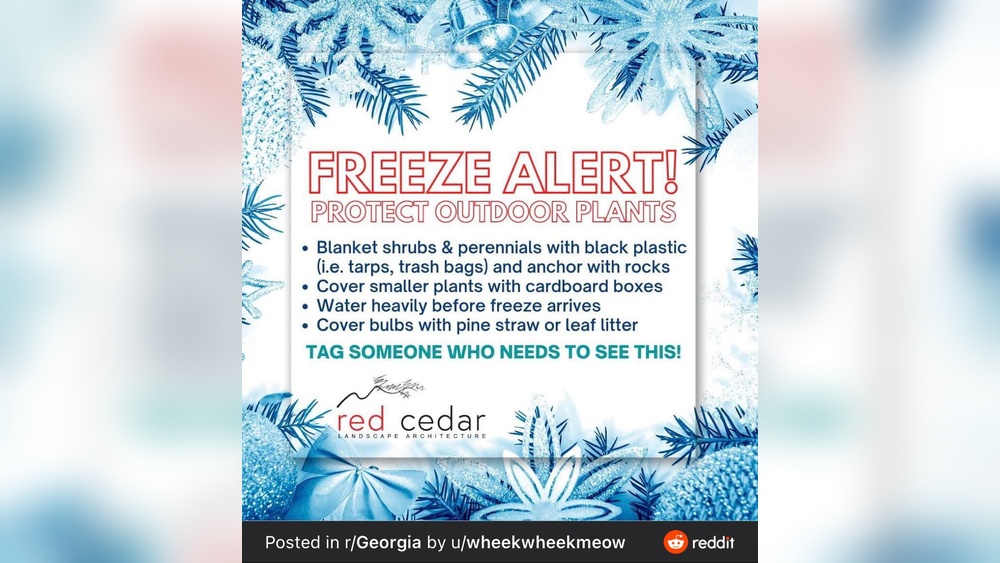
Credit: www.reddit.com
Watering Before Freeze
Watering plants before a freeze can be a simple way to help protect them. When the soil is moist, it holds heat better than dry soil. This warmth helps keep plant roots safe from freezing temperatures. Taking time to water plants before cold nights can reduce frost damage.
This practice works best if done at the right time and with the right amount of water. Understanding the benefits and timing will help your plants survive cold weather.
Benefits Of Pre-freeze Watering
Watering before a freeze keeps the soil warm longer. Moist soil acts like a heat blanket around roots. It slows down the freezing process. Plants stay healthier and recover faster in spring. Also, hydrated plants resist cold damage better than dry ones.
How Soil Moisture Protects Roots
Wet soil stores more heat than dry soil. This heat helps stop roots from freezing. Moist soil also keeps roots flexible and alive. Dry roots can crack or die in cold weather. Water creates a buffer that reduces freeze stress on plants.
Timing Your Watering Sessions
Water plants during the day before frost arrives. This allows water to soak deeply into the soil. Avoid watering after the ground has frozen. Early watering helps soil stay warm through the night. Don’t overwater; too much water can harm roots.

Credit: www.reddit.com
Watering Techniques In Cold
Watering plants during cold weather requires special care to protect them from frost and freezing damage. Proper watering techniques can help plants survive harsh temperatures by maintaining soil moisture and supporting root health. Understanding how and when to water plants in cold weather is key to their winter survival.
Deep Watering Strategies
Deep watering helps roots grow stronger and deeper. Water slowly and soak the soil to at least 6 inches deep. This allows plants to access moisture below the surface, where it is less likely to freeze. Deep watering before cold nights creates a buffer that protects roots from freezing stress.
Avoiding Overwatering Risks
Too much water can cause root rot and other problems. Avoid watering if the soil is already wet or soggy. Excess moisture in cold weather can freeze and damage roots. Check soil moisture with your finger or a moisture meter before watering. Water only when the soil feels dry below the surface.
Stopping Watering When Soil Freezes
Once the ground freezes, stop watering completely. Frozen soil cannot absorb water, which can harm plant roots. Watering frozen soil leads to ice forming around roots, causing damage. Wait for the soil to thaw before resuming watering in early spring or warmer days.
Plant Types And Water Needs
Different plants need different amounts of water before cold weather. Knowing these needs helps protect plants from freezing damage. Watering can create a small buffer against frost by keeping soil moist and slightly warmer. This section breaks down watering needs by plant type to help your garden survive cold nights.
New Plants And Seedlings
New plants and seedlings have shallow roots. They dry out quickly in cold, dry air. Watering deeply before frost helps keep their roots moist and warm. Moist soil holds heat better than dry soil. This warmth can reduce freezing damage around the roots. Do not overwater, or roots may rot. A steady, moderate watering is best for young plants.
Evergreens And Perennials
Evergreens and perennials store energy in their roots for winter. They need good moisture to stay healthy through freezing temperatures. Watering before a freeze can prevent needles and leaves from drying out. These plants lose water through their leaves even in cold weather. Keeping soil moist helps them resist winter burn. Water deeply once or twice before the soil freezes.
Trees And Shrubs
Trees and shrubs have large root systems that need water before freezing. Dry roots are more likely to suffer damage during cold snaps. Watering deeply encourages roots to grow deeper into warm soil. This makes trees and shrubs stronger against frost. Apply water slowly to soak the soil well. Avoid watering when the ground is frozen, as it will not absorb water.
Water And Frost Protection
Water plays an important role in protecting plants from frost damage. When temperatures drop near freezing, water can help keep plants safe. The way water affects temperature and frost is interesting and useful for gardeners.
Understanding how water interacts with cold air helps explain why some people water plants before frost. This section explores how water buffers temperature, the use of water sprays, and the limits of watering for frost control.
How Water Buffers Temperature
Water has a high heat capacity. It absorbs heat during the day and releases it slowly at night. This process keeps the air around plants warmer. A moist soil or wet leaves can raise local temperature by a few degrees. This small rise can prevent frost from forming on plant surfaces. Water changes temperature slowly, acting like a natural blanket.
Using Water Sprays To Prevent Frost
Spraying water on plants during freezing nights can protect them. When water freezes, it releases heat, called latent heat. This heat helps keep plant tissues just above freezing. Gardeners use fine water sprays or mist to form a thin ice layer. The ice layer stops plant cells from freezing deeply. This method requires careful timing and continuous spraying until the frost danger passes.
Limitations Of Watering For Frost Control
Watering is not a perfect frost protection method. It works best in light frost and calm conditions. Strong winds or very low temperatures reduce its effectiveness. Overwatering can also harm plants by causing root problems. Proper water temperature is important; cold water might shock plants. Watering alone cannot replace other frost protection methods like covers or heaters.
Additional Winter Care Tips
Winter can be harsh on plants. Extra care helps them survive freezing temperatures. Besides watering, some simple steps protect your garden better. These tips keep roots warm and prevent frost damage.
Using Mulch And Insulation
Mulch acts as a blanket for the soil. It keeps the ground warmer by trapping heat. Apply a thick layer of organic mulch around plant bases. Straw, wood chips, or shredded leaves work well. Mulch also reduces moisture loss, keeping roots hydrated.
Insulating plants with materials like burlap or foam protects them from cold winds. Wrap sensitive plants to create a shield against frost. This barrier slows down heat loss and prevents freezing damage.
Covering Plants To Retain Heat
Covering plants traps heat close to their surface. Use frost cloths, old sheets, or lightweight blankets. Avoid plastic directly on plants; it can freeze and harm leaves. Covers should reach the ground to hold warmth inside.
Remove covers during the day to allow sunlight and air circulation. This practice prevents mold and overheating. Covering is most effective during cold nights and sudden freezes.
Choosing The Right Containers
Containers affect how plants handle cold weather. Clay pots lose heat quickly and may crack in freezing temperatures. Choose plastic or fiberglass pots that retain warmth better.
Small pots freeze faster than large ones. Group pots close together to share heat and reduce exposure. Elevate containers off cold surfaces to improve drainage and avoid root freezing.
Preventing Water Freezing Methods
Preventing water from freezing is essential for many outdoor and indoor applications. Freezing water can damage plant roots, pipes, and irrigation systems. Various methods exist to stop water from turning into ice, each with unique benefits. These methods include chemical additives and physical techniques. Understanding these options helps maintain healthy plants and protect water systems in cold weather.
Adding Salt Or Sugar To Water
Salt lowers water’s freezing point, preventing ice formation. This process is called freezing point depression. Adding a small amount of salt to water helps keep it liquid at lower temperatures. Sugar works similarly but is less common for this use. Both substances disrupt ice crystal formation. Use caution with salt around plants, as too much can harm them.
Using Electrolytes And Alcohol
Electrolytes like calcium chloride reduce freezing points effectively. They are often used in de-icing products. Alcohol also lowers freezing temperature and mixes well with water. Common types include ethanol and isopropyl alcohol. These additives prevent ice by interfering with water molecules. They must be used carefully to avoid plant damage.
Physical Methods For Water Protection
Covering water containers helps keep water warm. Insulating materials reduce heat loss and prevent freezing. Using heated cables or pads can keep water above freezing. Placing water sources in sheltered areas blocks cold winds. These methods protect water without chemicals, making them plant-friendly. Combining physical and chemical methods offers better protection.
Common Mistakes To Avoid
Watering plants to prevent freezing can help, but mistakes can cause harm. Avoiding common errors protects plants better in cold weather. Understanding proper watering techniques is key to plant survival during frosts. Below are frequent mistakes gardeners make when watering in cold conditions.
Watering Frozen Ground
Do not water if the ground is frozen. Water cannot soak into frozen soil. It will just sit on the surface and freeze. This can damage roots and cause ice buildup. Water only when the soil is soft enough to absorb moisture.
Overwatering In Cold Weather
Too much water can harm plants in cold weather. Waterlogged soil can freeze harder, hurting roots. Overwatering also causes oxygen loss in the soil. Water just enough to keep soil slightly moist. Avoid heavy watering right before freezing temperatures.
Ignoring Plant Specific Needs
Different plants have unique watering needs in winter. Some need more moisture, others less. Research your plant species before watering. Tailor your watering schedule to each plant’s tolerance. This helps prevent stress and freezing damage.

Credit: www.dripworks.com
Frequently Asked Questions
Should I Still Water My Plants In October?
Yes, water your plants in October if the soil feels dry. Focus on new plants and evergreens. Stop watering once the ground freezes to protect roots and help plants prepare for winter.
How Do I Keep My Plants From Freezing?
Cover plants with frost cloths or blankets to trap heat. Water soil before freezing; moist soil retains warmth. Move potted plants indoors or to sheltered areas. Use mulch around roots to insulate. Avoid pruning late in the season to protect plant tissues from cold damage.
What Can I Put In Water To Stop Freezing?
Add salt, sugar, or alcohol to water to lower its freezing point. Use insulation or keep water moving to prevent freezing.
Does Adding Rubbing Alcohol To Water Keep It From Freezing?
Adding rubbing alcohol to water lowers its freezing point, helping prevent it from freezing in cold temperatures.
Conclusion
Watering plants before cold weather helps protect their roots from freezing. Moist soil holds heat better than dry soil. This warmth shields plants during chilly nights. Avoid watering when the ground is already frozen. Overwatering can harm roots and increase frost damage risk.
Use water wisely to keep plants healthy through winter. Simple care steps improve plant survival in cold climates. Remember, watering is one part of frost prevention. Combine with covers or mulch for best results. Healthy plants withstand freezing temperatures more effectively.