Does Watering Plants in the Sun Burn Them
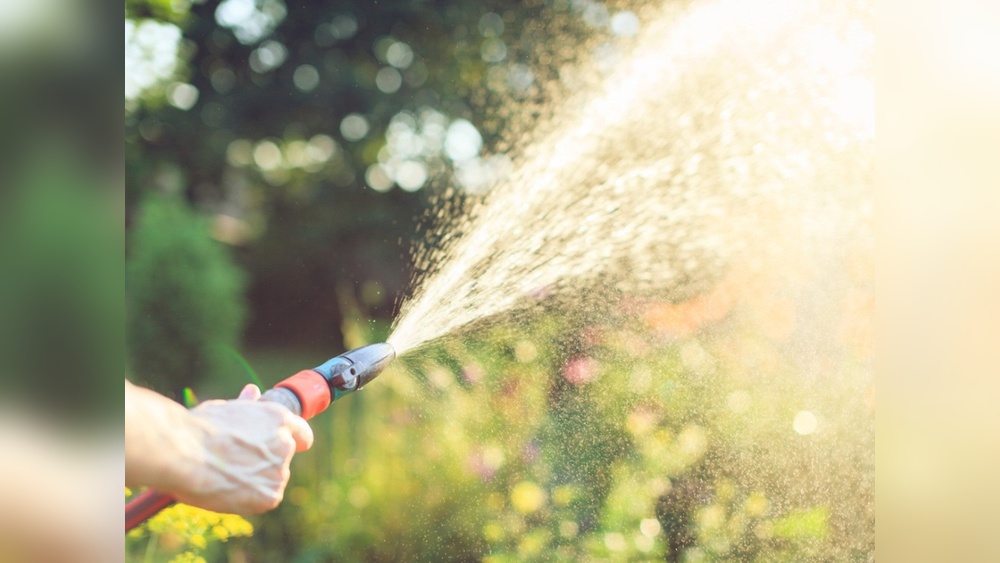
Have you ever hesitated to water your plants during a sunny day, worried that the bright sun might actually harm them? You’re not alone.
Many gardeners wonder if watering plants in the sun can cause leaf burn or damage. It’s a common concern that can leave you second-guessing when and how to give your plants the moisture they need. You’ll discover the truth behind this gardening myth and learn the best practices to keep your plants healthy and thriving—even under the hot sun.
Keep reading to find out how to water your plants the right way and avoid common mistakes that could be silently hurting your garden.

Credit: deepgreenpermaculture.com
Water And Sunlight Interaction
Water and sunlight play important roles in plant health. Their interaction affects how plants grow and stay strong. Understanding how water behaves under sunlight helps gardeners care for plants better.
Plants need water to stay hydrated. Sunlight provides energy for photosynthesis. But water on leaves can cause different effects under the sun.
How Water Affects Plant Leaves
Water cools plant leaves by absorbing heat. It also helps carry nutrients to all parts of the plant. Wet leaves can reflect some sunlight, lowering leaf temperature briefly. Water on leaves can protect them from drying out quickly.
Too much water on leaves for long periods can cause fungal problems. That is why watering the soil is often better than wetting the foliage.
Evaporation During Peak Sunlight
Sunlight heats water on leaves quickly. This causes fast evaporation. Evaporation cools the leaf surface, much like sweat cools humans. It also reduces the amount of water available for the plant.
Water evaporates faster during midday when the sun is strongest. This means watering plants in the heat wastes water. Early morning or late afternoon watering lets plants absorb water better.
Droplet Lens Effect Myth
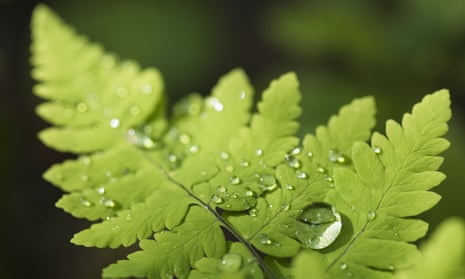
Some believe water droplets focus sunlight and burn leaves. This is called the droplet lens effect. Studies show this effect is very rare in natural settings. Most droplets evaporate too fast to cause damage.
Leaf burns from watering usually happen because of heat stress or disease, not droplets. Proper watering and shade protect plants better than worrying about the droplet lens myth.
Best Times To Water Plants
Knowing the best times to water plants helps keep them healthy and strong. Watering at the right time reduces water loss and helps plants absorb moisture better. It also prevents damage caused by the sun or cold. Choosing the best time means your plants get the most benefit from each watering session.
Early Morning Benefits
Watering plants early in the morning is ideal. The air is cooler and the sun is not strong yet. Water soaks deeply into the soil without evaporating fast. Plants absorb moisture before the heat of the day. This helps them stay hydrated and cool as temperatures rise.
Avoiding Midday Watering
Midday is the hottest part of the day. Water evaporates quickly under strong sunlight. Sprinkling water now wastes it before the plants can use it. Large water droplets on leaves can act like tiny lenses. This can cause leaf burn in some plants. Avoid watering during this time to protect your plants.
Nighttime Watering Risks
Watering at night may seem easy but it has risks. Water stays on leaves longer, creating a damp environment. This encourages fungal diseases and mold growth. Cooler night temperatures slow down evaporation. This can keep plants wet for too long. It is better to water when plants can dry quickly.
Common Watering Mistakes
Watering plants might seem simple, but many gardeners make common mistakes. These errors can harm plants more than help. Understanding these mistakes helps keep plants healthy and strong. Here are key watering mistakes to avoid.
Overwatering Consequences
Too much water can drown plant roots. Roots need air to breathe. Overwatering leads to root rot and fungal diseases. Plants may look wilted even with plenty of water. Always check soil before watering again.
Watering Sensitive Plants
Some plants react badly to water on their leaves. Water droplets can act like tiny lenses in the sun. This may cause leaf burn or spots. Use a watering can or drip irrigation to target the soil. Avoid watering during the hottest part of the day.
Ignoring Soil Moisture Levels
Not checking soil moisture wastes water and harms plants. Dry soil means plants need water. Wet soil means wait before watering again. Use a finger test or moisture meter for best results. This ensures plants get just the right amount.

Credit: www.gardenmyths.com
Watering Tips For Hot Weather
Watering plants during hot weather needs care and planning. Heat can stress plants and make watering tricky. Follow simple tips to help plants stay healthy and hydrated.
Proper watering keeps plants strong and helps them survive the heat. It also saves water and avoids damage. Use these tips to water smart in hot weather.
Maximizing Water Absorption
Water plants early in the morning or late in the evening. Soil absorbs water better when it is cooler. Water deeply and slowly to reach roots. Avoid shallow watering that wastes water and weakens roots.
Use a drip system or soaker hose to deliver water directly to soil. This helps plants soak up more water and reduces runoff. Check soil moisture regularly to avoid overwatering or underwatering.
Minimizing Evaporation
Watering during the hottest part of the day wastes water through evaporation. Water evaporates fast under bright sun and strong wind. Apply mulch around plants to lock in moisture and cool soil.
Mulch also reduces weeds and protects roots from heat. Use organic mulch like straw, bark, or leaves. Avoid watering leaves directly to prevent water loss and disease risk.
Protecting Plant Health In Heat
Heat weakens plants and makes them vulnerable to pests and diseases. Watering helps plants cool down and stay healthy. Avoid wetting foliage to reduce leaf burn and fungal growth.
Water at the base of plants and avoid overhead sprinklers during midday. Provide shade for sensitive plants using cloth or shade nets. Keep an eye on plants for signs of stress like wilting or yellow leaves.
Seasonal Watering Adjustments
Adjusting your watering routine with the seasons helps plants stay healthy year-round. Plants need different amounts of water depending on the weather and their growth stage. As temperatures drop and daylight shortens, plants slow down. This means they require less water. Understanding seasonal watering changes prevents overwatering or underwatering. Both can harm plants during cooler months.
Watering In Fall And Winter
In fall, reduce watering frequency gradually. Soil stays moist longer due to cooler weather. Check soil before watering; it should feel dry an inch below the surface. Water early in the day to avoid frozen roots overnight. During winter, many plants enter dormancy and need very little water. Avoid watering if the ground is frozen or soggy. Overwatering in cold months can cause root rot and other problems.
Preparing Plants For Dormancy
Before dormancy, plants store energy and slow growth. Reduce water to encourage this natural process. Stop fertilizing and cut back on watering to prepare plants for rest. Keep watering just enough to prevent drying out. This helps plants survive winter and bloom again in spring. Watch for signs of stress like wilting or yellow leaves. Adjust watering if needed to keep plants healthy.
When To Stop Watering
Stop watering outdoor plants when temperatures consistently drop below 40°F (4°C). Plants no longer use much water in cold weather. Indoor plants may need watering all year but less often in winter. Check soil moisture before watering to avoid overwatering. If leaves turn yellow or roots smell bad, watering may be too much. Let plants rest to grow strong again in warmer months.
Watering And Plant Health
Watering plays a vital role in plant health. Proper hydration supports growth and vitality. The way and time you water can affect plant strength and disease resistance. Understanding watering effects helps keep plants thriving under sun exposure.
Here are key ways watering impacts plant health and development.
Root Growth And Hydration
Water reaches deep into the soil to nourish roots. Healthy roots absorb nutrients and anchor plants firmly. Well-hydrated roots grow stronger and spread wider. This improves the plant’s ability to access water during dry spells. Consistent watering encourages steady root development and overall plant vigor.
Disease Prevention
Watering at the right time reduces leaf wetness. Wet leaves for long periods invite fungal infections. Morning watering allows leaves to dry quickly in the sun. This lowers the risk of mold and mildew. Avoiding water on foliage at night also limits disease growth. Clean, dry leaves support healthier plants.
Enhancing Plant Resilience
Regular watering strengthens plants against stress. Well-watered plants withstand heat and drought better. Moist soil helps regulate temperature around the roots. This protects plants from sunburn and wilting. Strong plants recover faster from damage and grow more robust. Water is key to building plant resilience.
Credit: www.theguardian.com
Frequently Asked Questions
Can I Water Plants In The Middle Of The Day?
Watering plants midday causes rapid evaporation, wasting water. Early morning watering ensures deep soil absorption and healthier plants. Avoid watering at night to prevent diseases.
What’s The Worst Time To Water Plants?
The worst time to water plants is at dusk or after dark, which promotes disease from wet foliage. Avoid midday watering to prevent rapid evaporation and leaf scorch.
What Is The 3-hour Gardening Rule?
The 3-hour gardening rule suggests working in your garden during cooler hours, typically early morning or late afternoon. This protects you from intense sun and helps plants absorb water and heal better. Avoid gardening during peak heat to prevent heat stress and improve plant health.
Should I Still Water My Plants In October?
Yes, water plants in October if the soil is dry a few inches down. Focus on new plants and evergreens. Stop watering once the ground freezes. Proper watering supports root growth, winter survival, and spring readiness.
Conclusion
Watering plants in the sun usually does not burn them directly. The main issue is water evaporating too quickly. This leaves plants thirsty and dry. Water early in the morning or late in the afternoon instead. This helps water soak into the soil better.
Plants stay healthier and grow stronger with proper watering times. Avoid watering at midday to save water and protect plants. Remember, timing matters more than fear of sunburn. Your plants will thank you with lush, green growth.