Does Watering Plants in the Sun Burn It?
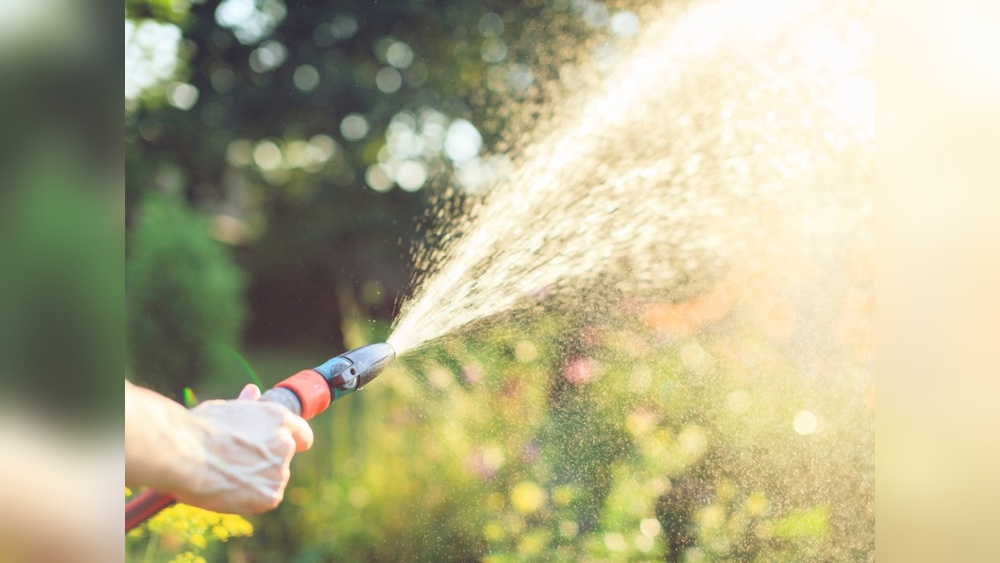
Have you ever wondered if watering your plants under the hot sun could actually burn them? You’re not alone.
Many gardeners avoid watering during sunny hours, worried that the sun’s rays combined with water droplets might harm their beloved plants. But is this really true, or just a gardening myth that’s been passed down? You’ll discover the surprising truth behind watering plants in the sun and learn the best tips to keep your garden healthy and thriving.
Keep reading—you might be watering your plants all wrong!

Credit: deepgreenpermaculture.com
Sunlight And Plant Health
Sunlight plays a vital role in plant health and growth. Plants use sunlight to make food through photosynthesis. The right amount of light helps plants grow strong and healthy. Too much or too little sunlight can harm plants.
Understanding how sunlight affects plants helps in proper care. It also prevents damage such as sunburn, which can weaken plants. Knowing which plants are more vulnerable guides better watering and placement decisions.
How Sunlight Affects Plants
Sunlight provides energy for photosynthesis. This process produces the food plants need to survive. Sunlight also controls plant growth patterns and flowering. Plants need different amounts of sunlight based on their species. Too little light can cause weak, leggy growth. Too much light can cause leaves to dry out and burn.
What Causes Plant Sunburn
Plant sunburn happens when leaves get too much direct sunlight. This damages the leaf cells and causes brown or white spots. Intense heat can worsen this damage. Water droplets on leaves rarely cause burning. The main cause is strong UV rays combined with heat stress. Sunburn reduces photosynthesis and weakens the plant.
Plants Most Vulnerable To Sun Damage
Some plants are more likely to get sunburned. Shade-loving plants need less light and burn quickly in full sun. Thin-leaved plants also burn easier than thick, waxy-leaved ones. Young plants and new growth are very sensitive to sun damage. Vegetables like lettuce and spinach often get sunburned in hot weather.

Credit: www.gardenmyths.com
Watering Myths In The Sun
Many gardeners worry about watering plants in the sun. They fear that sunlight and water together can harm leaves. This idea has created several myths about plant care. Understanding these myths helps gardeners water confidently. Let’s explore common beliefs and what science says about them.
Do Water Droplets Magnify Sunlight?
Some believe water droplets act like tiny lenses. They think droplets focus sunlight and burn plant leaves. The truth is different. Water droplets usually do not concentrate sunlight enough to cause burns. Most plants do not suffer damage from water on leaves in sunlight. The burn risk from droplets is very low and rare.
Common Misconceptions About Watering Time
Many say watering plants in midday sun causes leaf burn. They advise watering early morning or late evening instead. This advice aims to reduce water loss from evaporation. Also, some worry about leaf scorch from sun and water combined. In reality, most plants handle sun and water well at any time. Proper watering depth matters more than exact timing.
Scientific Evidence Debunking The Burn Myth
Studies show plants do not get burned by water in sunlight. Researchers tested different plants with water droplets under strong light. They found no leaf damage from sunlight focusing. Heat from the sun alone causes sunburn, not water droplets. Watering helps plants stay cool and hydrated. Avoiding watering in the sun because of burn fears is unnecessary.
Best Watering Practices
Proper watering supports healthy plant growth and prevents damage. Knowing the best watering practices helps your plants thrive, even under the sun. Follow simple steps to protect plants from stress and conserve water.
Ideal Times To Water Plants
Water plants early in the morning before the sun rises high. This allows water to soak deeply into the soil. It also reduces evaporation and helps plants stay hydrated all day.
Late afternoon watering is another option. Avoid watering at midday when the sun is strongest. Watering then causes quick evaporation and may stress plants.
Watering Techniques For Hot Days
Use a slow, steady stream of water close to the soil. This targets the roots where plants absorb moisture. Avoid spraying water directly on leaves to prevent leaf scorch.
Deep watering encourages roots to grow deeper and become stronger. Light watering wastes water and weakens roots. Use mulch to keep soil cool and moist.
Avoiding Water Waste And Disease
Water only the base of plants, not the foliage. Wet leaves can lead to fungal diseases and mold growth. Water early to let leaves dry quickly if they do get wet.
Check soil moisture before watering. Overwatering wastes water and harms plants. Use drip irrigation or soaker hoses to save water and reduce evaporation.
Heat Stress And Plant Care
Heat stress poses a real challenge for plant care, especially during sunny days. Plants exposed to high temperatures face physical and biological changes. These changes can affect growth and overall health. Understanding heat stress helps gardeners protect their plants effectively. Proper care reduces damage and keeps plants thriving under the sun.
How Heat Affects Plant Physiology
High heat speeds up water loss through leaves. This process, called transpiration, can dry out plants quickly. Heat also slows down photosynthesis, the process plants use to make food. When temperatures rise too much, enzymes and cell structures get damaged. This damage weakens plant growth and reduces their ability to recover.
Signs Of Heat Stress In Plants
Look for wilting leaves that droop or curl up. Leaves may turn yellow, brown, or show scorched edges. Plants may stop growing or produce fewer flowers and fruits. Some leaves develop spots or dry patches. These signs indicate the plant struggles to cope with heat and needs attention.
Protecting Plants During Heatwaves
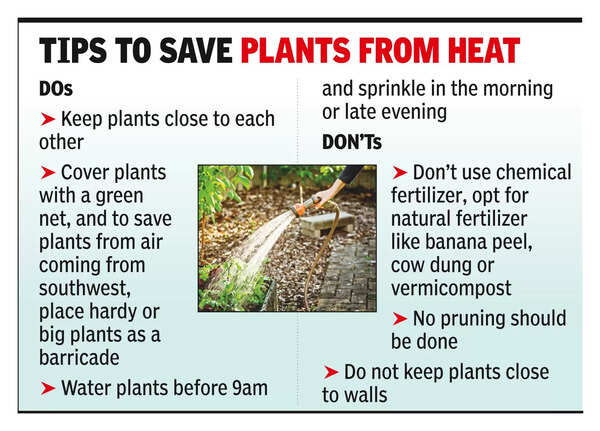
Water plants early in the morning or late in the evening to reduce evaporation. Use mulch around the base to keep soil cool and moist. Provide shade with cloths or temporary covers during intense sun. Avoid heavy fertilizing, which can stress plants further. Regular monitoring helps catch heat stress early and saves plants from damage.
Tips For Healthy Gardening In Sun
Gardening under strong sunlight requires special care to keep plants healthy. Sunlight can stress many plants, causing leaf burn and wilting. Following simple tips helps plants thrive even in hot, sunny conditions. These strategies focus on plant choice, soil care, and timing to reduce sun damage.
Choosing Sun-tolerant Plants
Select plants that naturally thrive in full sun. Examples include lavender, marigold, and rosemary. These plants have adapted to handle heat and direct sunlight without damage. Avoid shade-loving plants like ferns or begonias in sunny spots. Sun-tolerant plants need less water and resist leaf burn better.
Using Mulch And Shade Effectively
Apply mulch around plant bases to keep soil moist longer. Mulch also cools the roots and prevents weeds. Use materials like wood chips or straw for best results. Add shade cloth or temporary covers during peak sun hours. This protects delicate plants from harsh rays and reduces water evaporation.
Adjusting Pruning And Harvesting Times
Prune plants early in the morning or late afternoon to avoid sun stress. Avoid cutting too much at once, which exposes inner leaves to sunburn. Harvest fruits and vegetables during cooler parts of the day. This keeps plants strong and prevents wilting from heat shock.
Credit: timesofindia.indiatimes.com
Frequently Asked Questions
Do Plants Burn In The Sun?
Yes, plants can burn in intense sun, especially if exposed suddenly or without shade. Sunburn damages leaves and reduces growth.
What’s The Worst Time To Water Plants?
The worst time to water plants is at dusk or after dark, as wet leaves can promote disease. Avoid midday watering to reduce evaporation and potential leaf scorch.
What Is The 3-hour Gardening Rule?
The 3-hour gardening rule advises gardening activities within three hours of sunrise or sunset. This avoids heat stress on plants and gardeners. Water, prune, or harvest during cooler periods to protect plants and maximize growth. It promotes plant health and personal safety in hot conditions.
Should You Water Your Plants When It’s Really Hot?
Water plants early morning or late evening to reduce evaporation. Watering during peak heat wastes water but rarely harms plants.
Conclusion
Watering plants in direct sun rarely causes burning. Most damage happens from sun exposure, not water droplets. Plants usually handle water well even on hot days. To protect plants, water early morning or late afternoon. This helps roots absorb moisture and reduces evaporation.
Avoid watering at midday to save water and prevent stress. Healthy plants thrive with proper care and timing. Keep watching your plants and adjust watering as needed. Simple habits ensure your garden stays green and strong.