Does Watering Plants before a Freeze Help: Essential Survival Tips
You might be wondering if watering your plants before a freeze really makes a difference. When the cold hits, your garden faces serious stress, and it’s natural to want to protect your plants in every way possible.
But does giving them a good drink before the temperature drops actually help? The answer might surprise you. Understanding how watering impacts your plants during freezing weather can save you time, money, and heartache. Keep reading to discover why this simple step could be one of the best ways to shield your plants from winter’s harsh bite—and how to do it right.
Why Water Plants Before Freeze
Watering plants before a freeze is a simple step that helps protect them from cold damage. The process supports plant health in cold weather. It keeps the soil warm and the roots safe. Water also helps prevent dehydration during freezing temperatures. This section explains why watering plants before a freeze matters.
Soil Heat Retention
Wet soil holds heat better than dry soil. When you water plants before a freeze, the soil stays warmer longer. This warmth helps protect roots from freezing. Moist soil cools down slower, giving plants more time to adjust to cold. Water acts like a heat buffer around the plant roots.
Preventing Dehydration
Cold air can dry out plants quickly. Freezing temperatures cause water inside plants to freeze and become unavailable. Watering plants before a freeze ensures they have enough moisture. This water helps plants avoid dehydration during cold nights. Hydrated plants survive freezing weather better.
Root Protection
Roots are the most vulnerable part of plants during a freeze. Water keeps roots insulated and safer from frost damage. It creates a protective barrier in the soil. Healthy roots help plants recover quickly after the freeze. Watering before cold weather improves root strength and plant survival.
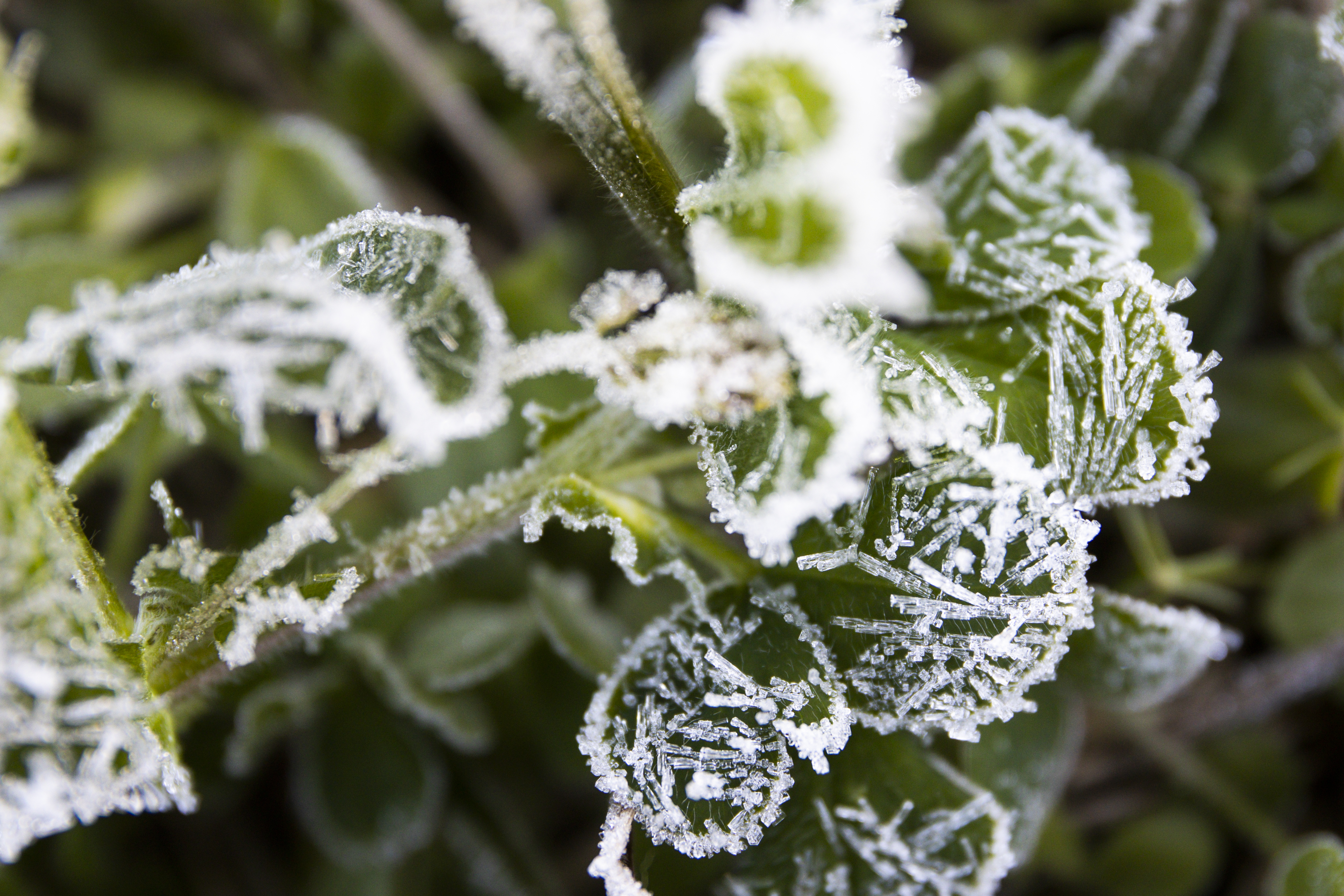
Credit: nwdistrict.ifas.ufl.edu
Best Watering Practices
Proper watering helps plants survive freezing temperatures. It keeps the soil moist and warm. Moist soil holds heat better than dry soil. This warmth protects the roots during cold nights. Follow these best watering practices for healthy plants before a freeze.
When To Water
Water your plants a few hours before the freeze. Morning or early afternoon is best. This timing allows the water to soak deep. Avoid watering right before nightfall. Wet leaves may freeze and harm the plant.
How Much Water To Use
Use enough water to moisten the soil well. The soil should be damp but not soggy. Overwatering can cause root problems. Aim to water deeply to reach the roots. This helps the plant stay hydrated through the cold.
Avoiding Frozen Soil
Frozen soil can damage roots and stop water absorption. Water when the soil is not frozen yet. Check the soil temperature if possible. Avoid watering during freezing weather or at night. Keep the soil moist but never frozen.
Additional Freeze Protection
Protecting plants from freezing temperatures takes more than just watering. Extra steps help keep plants safe during cold nights. These simple methods add layers of defense against frost and freezing damage. They work well with watering to improve plant survival.
Using Mulch
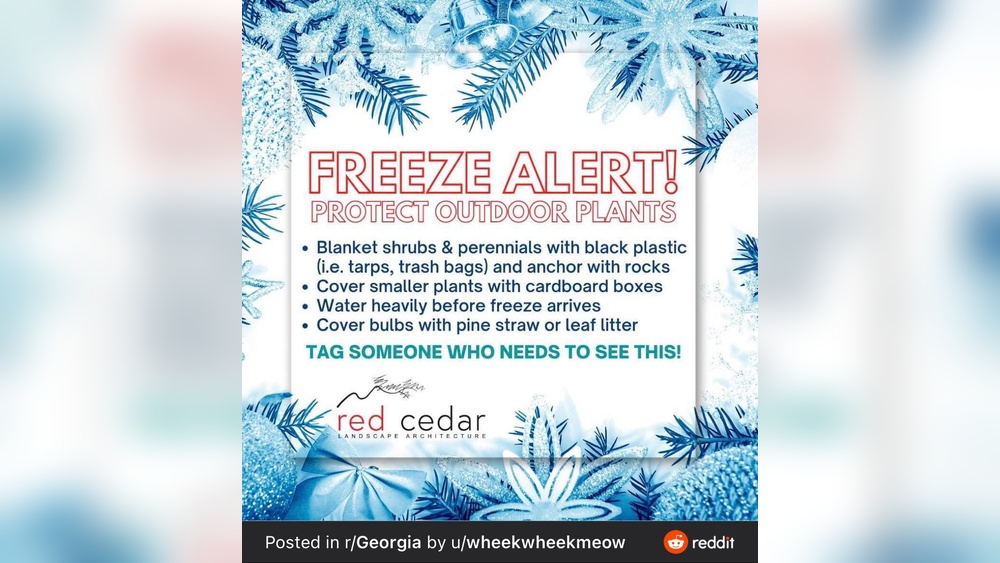
Mulch acts like a blanket for the soil. It keeps the ground warmer by trapping heat. Spread a thick layer of mulch around the base of plants. Use straw, leaves, or wood chips. Mulch also helps keep moisture in the soil, which supports plant health during cold spells.
Covering Plants
Covering plants shields them from frost and cold winds. Use materials like frost cloth, old sheets, or burlap. Avoid plastic because it can trap moisture and cause damage. Secure covers tightly to keep cold air out. Remove covers during the day to let plants breathe and receive sunlight.
Adding Heat Sources
Heat sources provide extra warmth in very cold weather. Use outdoor-safe lights or heat lamps near plants. Even string lights can add gentle heat. Place heat sources carefully to avoid burns or fire hazards. This method works best for small areas or delicate plants that need more protection.

Credit: www.reddit.com
Watering Tips For Different Plants
Watering plants before a freeze can help protect them, but different plants need different care. Understanding how to water various types of plants keeps them healthy through cold weather. Proper watering boosts their chance to survive freezing temperatures.
New Plants And Seedlings
New plants and seedlings need extra water before a freeze. Their roots are shallow and less able to take up moisture. Water the soil deeply to keep it moist but not soggy. Moist soil holds heat better and protects roots from freezing.
Water early in the day so moisture soaks in before nightfall. Avoid watering leaves to prevent frost damage. Cover seedlings with fabric after watering to keep warmth close.
Evergreens
Evergreens lose water through their needles even in winter. Watering before a freeze helps them stay hydrated. Deep watering the soil near roots is best. This keeps the soil warm and moist longer.
Evergreens need water especially if the ground is dry. Avoid watering during freezing temperatures to stop ice formation on needles. Early day watering is ideal.
Perennials And Trees
Perennials and trees benefit from watering before a freeze too. Their larger root systems can hold more moisture. Water the soil deeply around the base to protect roots. This helps prevent damage from freezing soil.
Avoid watering too late in the day to reduce frost risk. Mulching after watering adds extra insulation. This keeps soil temperature steady and protects roots better.
Common Mistakes To Avoid
Watering plants before a freeze can protect them, but mistakes happen easily. Knowing what to avoid helps your plants survive cold weather. Some errors can harm plants more than the freeze itself. Avoid these common mistakes to keep your garden safe and healthy.
Watering During Freeze
Never water plants while the freeze is happening. Water can freeze on leaves and stems. Frozen water damages plant cells and causes more harm. Always water plants before temperatures drop, not during the freeze. Timing is important for protection.
Overwatering Risks
Too much water is bad for plants before a freeze. Overwatering can drown roots and cause rot. Wet soil freezes slower but traps too much moisture. This can lead to root damage and poor growth. Water moderately and avoid soaking the soil.
Ignoring Soil Moisture
Check soil moisture before watering. Dry soil needs water before a freeze. But wet soil does not need extra water. Adding water to already wet soil wastes water and can harm plants. Use your fingers or a moisture meter to test soil first.
Signs Plants Need Water Before Freeze
Knowing the signs that plants need water before a freeze helps protect them. Plants stressed from dryness suffer more damage in cold weather. Checking these signs ensures you water at the right time. Healthy plants have a better chance of surviving freezing temperatures.
Checking Soil Moisture
Soil moisture is the first thing to check before a freeze. Dry soil cannot hold warmth, which hurts roots. Stick your finger about two inches into the soil. If it feels dry or crumbly, the plant needs water. Moist soil helps keep roots insulated from cold.
Wilting Or Dry Leaves
Wilting leaves show plants are stressed and thirsty. Leaves may curl or look shriveled when dry. Dry leaves lose their ability to protect the plant from frost. Watering helps leaves stay hydrated and flexible. This reduces freeze damage to plant tissues.
Weather Forecast Considerations
Look at the weather forecast to plan watering. Days before a freeze are best for watering plants deeply. Watering too close to freezing can cause ice damage. Warm soil holds heat longer, protecting roots during cold nights. Preparing plants before the cold helps them survive better.
Long-term Plant Survival Strategies
Long-term plant survival during cold seasons depends on smart preparation and care. Watering plants before a freeze is one step to help them endure harsh weather. It keeps the soil moist and warmer, reducing frost damage. Beyond watering, adopting survival strategies ensures plants thrive through winter and grow strong in spring.
Fall Watering Benefits
Watering plants in fall strengthens their roots. Moist soil holds heat better than dry soil. This warmth protects roots from freezing. Well-hydrated plants resist cold stress and disease. Fall watering also helps plants store energy for winter. It supports steady growth before dormancy sets in.
Preparing For Dormancy
Plants enter dormancy to survive winter’s cold. Proper watering before dormancy helps plants store water inside cells. This prevents damage from ice crystals forming in tissues. Mulching after watering adds insulation and traps moisture. Avoid overwatering, which may cause root rot. Healthy roots mean better survival during deep freezes.
Spring Recovery
Plants need water to wake up in spring. Soil moisture from fall watering supports early root activity. This helps plants absorb nutrients quickly after winter. Well-prepared plants grow faster and bloom sooner. Starting spring with strong roots reduces transplant shock. Regular watering in early spring aids full recovery and growth.
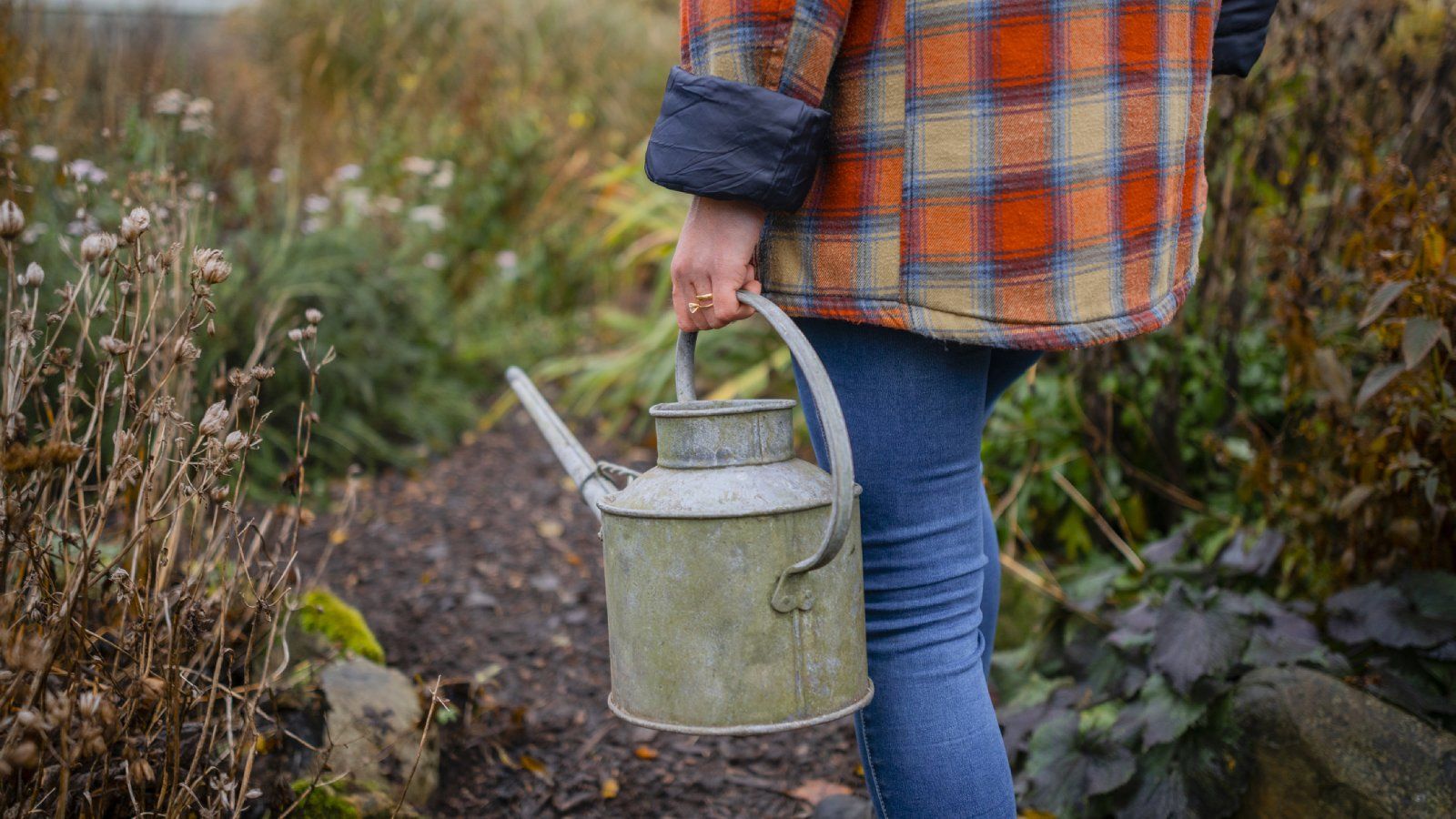
Credit: www.gardeningknowhow.com
Frequently Asked Questions
Should I Water My Plants Before A Freeze?
Water plants thoroughly before a freeze to keep soil warm and prevent dehydration. Moist soil releases heat slowly, protecting roots from frost damage.
How To Prepare Your Plants For A Freeze?
Water plants thoroughly before a freeze to retain soil warmth and prevent dehydration. Apply mulch to insulate roots. Cover plants with breathable fabric to block frost but allow airflow. Use heat sources if extreme cold is expected. Remove covers during the day to avoid overheating and moisture buildup.
Why Do Farmers Spray Water On Plants Before An Overnight Freeze?
Farmers spray water on plants before a freeze to form a protective ice layer. This ice releases heat, preventing frost damage.
Should I Still Water My Plants In October?
Yes, water your plants in October if the soil feels dry a few inches deep. Focus on new plants and evergreens. Stop watering once the ground freezes. Water helps roots grow stronger and prepares plants for winter survival and spring growth.
Conclusion
Watering plants before a freeze helps protect them from cold damage. Wet soil holds heat longer, keeping roots warmer. This reduces stress and dehydration caused by freezing temperatures. Do water deeply, but avoid overwatering to prevent root rot. Combine watering with mulch and covers for best results.
These simple steps help plants survive chilly nights. Protecting your garden now saves time and effort later. Keep your plants healthy through winter by watering wisely before cold snaps.