Do Tomato Plants Need to Be Watered Every Day? Expert Tips
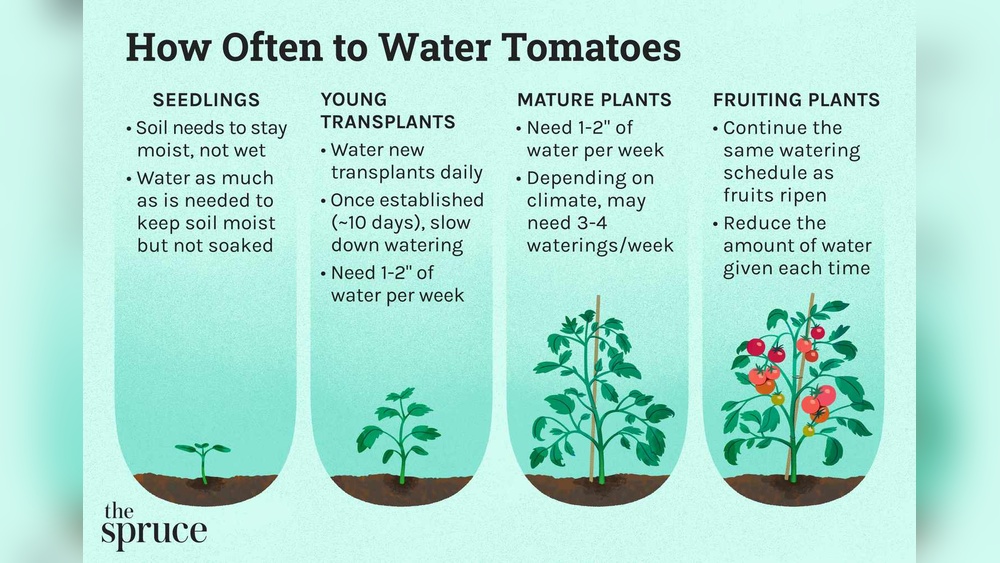
Are you wondering if your tomato plants need to be watered every day to grow healthy and produce a bountiful harvest? It’s a common question for both new and experienced gardeners.
Watering too much or too little can harm your plants, but finding the right balance isn’t always simple. Your tomato plants don’t have the same watering needs every day—they depend on factors like weather, soil type, and plant size. You’ll discover exactly how often to water your tomatoes, how to tell if they’re thirsty or overwatered, and tips to help your garden thrive in Austin, Texas, or wherever you are.
Keep reading to make sure your tomato plants get just the right amount of water for a juicy, delicious crop!

Credit: savvygardening.com
Water Needs Of Tomato Plants
Tomato plants need the right amount of water to grow well. Water helps transport nutrients and keeps the plant healthy. Too much or too little water can harm the plant’s growth and fruit production.
Watering daily is not always necessary. The frequency depends on many factors like weather, soil type, and plant size. Understanding these factors helps keep tomato plants strong and productive.
Factors Affecting Water Frequency
Temperature plays a big role in how often tomatoes need water. Hot weather makes soil dry faster. Sandy soil drains water quickly, so plants need more frequent watering. Clay soil holds water longer, so watering can be less often. Young plants usually need water more often than mature ones. Mulch around plants helps keep soil moist and can reduce watering needs.
Signs Of Overwatering
Leaves may turn yellow and look wilted if the plant gets too much water. The soil may feel wet or soggy. Roots can start to rot in very wet soil. Overwatered plants grow slowly and may drop flowers or fruit. Check soil moisture by sticking your finger into the soil. If it feels wet, hold off on watering.
Consequences Of Underwatering
Tomato plants without enough water show dry, curled leaves. Fruit may crack or fail to develop fully. The plant can wilt and look weak. Lack of water can reduce tomato size and taste. Prolonged dryness may kill the plant. Watering deeply but less often helps roots grow strong and healthy.
Ideal Watering Schedule
Finding the ideal watering schedule for tomato plants is key to healthy growth. Water needs vary by plant stage, soil type, and climate. A balanced routine avoids stress and boosts fruit production. Understanding how often to water helps prevent common problems like root rot or dry soil.
Daily Vs. Infrequent Watering
Watering every day can keep soil moist but may lead to shallow roots. It also increases the risk of fungal diseases. Infrequent watering encourages roots to seek moisture deeper underground. This approach helps plants survive dry periods and grow stronger. Choose a schedule that keeps soil damp but not soggy.
Encouraging Deep Root Growth
Deep watering means soaking soil thoroughly at each session. This practice pushes roots downwards and improves nutrient uptake. Water less often but longer each time. This trains roots to grow deeper and makes plants more resilient. Shallow roots make plants weak and prone to drought stress.
Adjusting For Weather And Soil
Hot, dry weather increases water needs. Check soil moisture regularly, especially in heat. Sandy soils drain quickly and need more frequent watering. Clay soils hold water longer but can become waterlogged. Adapt watering based on rainfall and temperature changes. Always test soil before watering to avoid overwatering.
Watering Techniques
Watering tomato plants correctly is key to healthy growth and good fruit. Understanding watering techniques helps you avoid common mistakes. Proper watering encourages strong roots and prevents diseases. It also improves tomato yield and flavor.
Different methods suit different gardens and climates. Learning how to check soil moisture, the best time to water, and watering methods can make a big difference. These simple steps keep your tomato plants happy and productive.
Checking Soil Moisture
Check soil moisture before watering your tomato plants. Insert your finger about one inch into the soil. If it feels dry, it is time to water. If the soil feels moist, wait before watering again. Avoid watering if the soil smells moldy or looks soggy. Overwatering can harm the roots and cause yellow leaves.
Best Time To Water
Water tomato plants early in the morning. Morning watering helps leaves dry quickly. This reduces the chance of fungal diseases. Avoid watering in the evening or at night. Watering during these times keeps leaves wet for long. It can cause mold and other problems. Morning watering also helps plants handle heat better during the day.
Watering Methods
Use slow, deep watering to reach roots well. Drip irrigation or soaker hoses work best. These methods keep water at the soil level. Avoid overhead watering to prevent wet leaves. Water at the base of the plant near the stem. This reduces leaf diseases and water waste. Mulching around the plants also helps keep soil moist longer.

Credit: spice.alibaba.com
Seasonal Care For Tomato Plants
Tomato plants need special care as seasons change. Proper seasonal care helps plants grow strong and produce tasty fruit. Watering habits must adjust with weather and plant needs. Paying attention to seasonal tasks keeps tomato plants healthy.
September Ripening Tips
September is the final stretch for tomatoes to ripen. Reduce watering slightly to help fruits sweeten. Avoid heavy feeding late in the season. Pick green tomatoes before frost to ripen indoors. Keep plants free of debris to prevent disease.
Pruning And Removing Small Fruits
Cut off small or unhealthy fruits late in the season. This helps the plant focus energy on ripening bigger tomatoes. Remove yellow or dead leaves to improve air flow. Pruning also lowers the risk of pests and diseases.
Preparing For Frost
Frost can kill tomato plants quickly. Cover plants with cloth or plastic on cold nights. Move potted tomatoes indoors if possible. Harvest all remaining tomatoes before frost hits. Clean garden beds after harvest to avoid pests next year.
Using And Preserving Tomatoes
Tomatoes are a versatile fruit loved by many gardeners and cooks. Using and preserving tomatoes helps enjoy their fresh taste all year. Knowing how to use and store tomatoes keeps their flavor and nutrition intact.
Fresh tomatoes add color and sweetness to many dishes. Green tomatoes offer a chance to create unique recipes. Proper freezing and canning extend tomato use beyond the harvest season.
Fresh Recipes
Fresh tomatoes shine in salads, sandwiches, and sauces. Chop ripe tomatoes for a quick salsa or bruschetta. They also work well in pasta dishes and soups. Use fresh tomatoes soon after picking for best taste.
Processing Green Tomatoes
Green tomatoes have a firm texture and tart flavor. Slice them for frying or pickling. Make chutneys and relishes with green tomatoes for variety. Processing green tomatoes helps reduce waste and adds new flavors.
Freezing And Canning
Freezing tomatoes preserves their freshness for months. Blanch and peel tomatoes before freezing for easy use later. Canning tomatoes requires sterilized jars and proper sealing. Store canned tomatoes in a cool, dark place for long shelf life.
Credit: www.reddit.com
Frequently Asked Questions
How Long Can Tomato Plants Go Without Being Watered?
Tomato plants can survive 2-4 days without water, depending on weather and soil. Consistent watering promotes healthy growth.
Can You Overwater A Tomato Plant?
Yes, overwatering tomato plants causes yellow leaves and wilting. Check soil moisture before watering to prevent root rot.
Is Watering Tomatoes Daily Too Much?
Watering tomatoes daily can be too much. Allow soil to dry slightly between waterings to encourage deep root growth and prevent disease.
What To Do With Tomatoes In September?
In September, prune tomato plants to ripen fruits faster. Harvest ripe tomatoes for sauces or salads. Preserve green tomatoes by frying or pickling. Freeze or can excess tomatoes for later use.
Conclusion
Tomato plants do not need watering every day. Water deeply but less often to encourage strong roots. Check soil moisture before watering again. Overwatering can harm your plants and cause yellow leaves. Adjust watering based on weather and soil type.
Healthy tomato plants grow best with steady, balanced care. Pay attention to your plants’ needs for the best harvest.