Do Plant Watering Globes Work: Proven Tips for Lush, Healthy Plants
Do you ever wonder if plant watering globes actually do what they promise? If you’ve struggled to keep your plants healthy while juggling a busy schedule or going on vacation, these little devices might seem like a perfect solution.
But before you spend your money, you need to know—do plant watering globes really work? You’ll discover how these globes function, their pros and cons, and whether they can truly help your plants thrive. Keep reading to find out if watering globes are the right fit for your green friends.
How Watering Globes Work
Watering globes offer a simple way to keep plants hydrated without daily attention. These devices slowly release water into the soil, ensuring consistent moisture. They work by using gravity and air pressure to control water flow. Understanding how watering globes work can help you decide if they fit your plant care routine.
Mechanism Of Water Release
Watering globes release water based on soil dryness. When the soil is dry, air enters the globe, allowing water to flow out. If the soil is wet, water stays inside the globe. This balance prevents overwatering and keeps plants moist. The slow release supports steady soil hydration over time.
Types Of Watering Globes
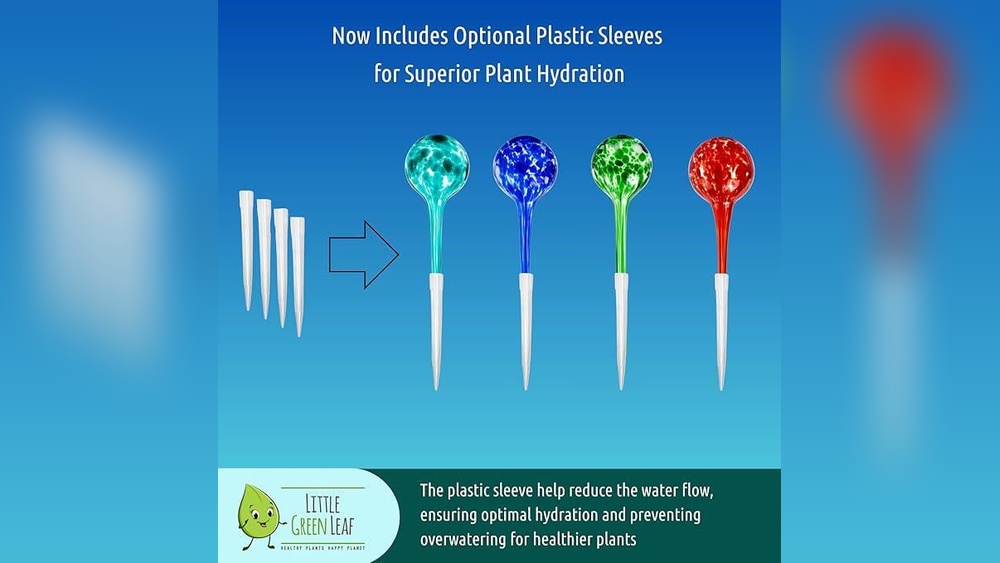
There are different types of watering globes available. Some have a simple bulb shape that you fill with water and stick into the soil. Others include spikes or tubes for better soil penetration. Some globes come with adjustable flow controls. Choose the type based on your plant size and watering needs.
Materials And Designs
Watering globes come in various materials like glass, plastic, and ceramic. Glass globes are popular for their clear look and durability. Plastic globes are lightweight and less fragile. Ceramic globes often add a decorative touch. Designs range from plain to colorful and artistic shapes to match your home or garden style.
Effectiveness For Different Plants
Plant watering globes work differently depending on plant type. They release water slowly into the soil. This keeps moisture levels steady over time. Some plants respond well to this steady watering. Others may not do well with constant moisture. Understanding which plants benefit helps you use globes wisely.
Plants That Benefit Most
Plants that like consistent moisture do well with globes. Ferns are a top example. They prefer soil that stays damp but not soaked. Peace lilies also thrive with this steady water supply. African violets respond well to slow, even watering. These plants can suffer if soil dries out too much. Globes keep their roots happy by avoiding dry spells.
Many tropical plants enjoy the steady water globes provide. They usually grow in humid, moist environments naturally. Using globes mimics those conditions indoors. Spider plants and pothos also benefit. They like moist soil but not flooding. Globes release water slowly enough to prevent overwatering in these cases.
Plants To Avoid Using Globes With
Succulents and cacti dislike watering globes. They need dry soil between waterings. Constant moisture causes root rot in these plants. Globes keep soil too wet for their needs. Aloe vera and jade plants also suffer from too much water. Avoid using globes with any drought-tolerant plants.
Plants with sensitive roots may not like globes either. Orchids, for example, prefer well-drained media. Watering globes can hold water near roots too long. This creates poor air circulation and risks root damage. It’s better to water these plants in traditional ways.
Duration Of Water Supply
Understanding how long a plant watering globe supplies water is key to using it effectively. The duration depends on several factors. These influence how quickly or slowly water moves from the globe to the soil. Knowing this helps you plan refills and care for your plants better.
Factors Affecting Watering Time
Soil moisture plays a big role. Wet soil slows water release, while dry soil speeds it up. The type of plant matters too. Some plants, like aroids, drink water faster than others. The size of the globe affects duration. Bigger globes hold more water and last longer. The material of the globe also influences flow. Glass globes may drain quickly, while terracotta spikes release water slowly.
Typical Duration Ranges
Watering globes can supply water from a few days up to two weeks. Small globes often last 2 to 4 days. Medium-sized globes may last about a week. Large globes can keep soil moist for up to two weeks. The exact time varies with plant type and soil conditions. Regular checks ensure plants get the right amount of water.

Credit: www.youtube.com
Pros And Cons Of Using Globes
Plant watering globes are popular tools for keeping soil moist without daily watering. These globes slowly release water into the soil over time. Understanding their pros and cons helps plant owners decide if they suit their needs.
Advantages For Busy Plant Owners
Watering globes save time by providing steady moisture. They reduce the risk of underwatering. These globes are easy to use—just fill and insert into the soil. Ideal for people who travel or have a busy schedule. They help maintain consistent soil moisture, which benefits many houseplants. No need to worry about forgetting to water for a few days.
Common Drawbacks And Limitations
Watering globes require regular refilling and occasional cleaning. Overwatering is possible if the soil stays too wet. Not all plants benefit from slow watering; some prefer dry periods. They may not work well in very dry or sandy soil. Glass globes can break easily and may not fit all pot sizes. Sometimes water drains too quickly or too slowly, causing issues.
Preventing Overwatering
Overwatering is a common issue for many plant owners. Using plant watering globes can help manage moisture levels. These globes slowly release water, which can reduce the risk of flooding the soil. Proper use of watering globes supports healthy root growth and prevents water-related plant stress.
Signs Of Overwatering
Wilting leaves may look soft or yellow. Soil that stays wet for days is a clear sign. Mold or fungus growth can appear on the soil surface. Roots may become brown and mushy instead of firm. These signs mean the plant gets too much water.
Tips To Control Water Release
Choose a globe size that fits your plant’s needs. Use globes with small holes to slow water flow. Place globes in well-draining soil to avoid excess moisture. Check soil moisture before refilling globes. Adjust watering frequency based on plant type and season. This careful control helps prevent overwatering problems.
Maintaining Your Watering Globes
Maintaining your watering globes ensures they work properly and keep your plants healthy. Proper care prevents blockages and keeps water flowing steadily. Clean globes last longer and deliver water efficiently. Regular maintenance saves time and avoids overwatering or underwatering your plants.
Cleaning Techniques
Rinse your watering globes with warm water after each use. Use a soft brush or pipe cleaner to remove dirt inside. Avoid harsh chemicals that can harm plants. Soaking globes in a vinegar solution removes mineral buildup. Rinse thoroughly after soaking to remove vinegar taste. Cleaning prevents clogs and keeps water flow smooth.
Refilling Best Practices
Fill globes with clean, room-temperature water for best results. Avoid using cold water, which may shock plant roots. Fill slowly to prevent air bubbles inside the globe. Check soil moisture before refilling to avoid overwatering. Refill globes regularly to keep soil evenly moist. Proper refilling helps plants absorb water steadily and stay healthy.
Alternatives For Automatic Watering
Automatic watering tools help keep plants healthy without daily care. They save time and reduce the risk of under or overwatering. There are many options beyond watering globes. Some are easy to make at home. Others are ready to use from stores. Each has benefits and suits different needs.
Diy Watering Methods
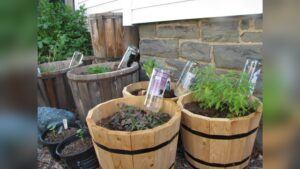
Simple tools can water plants slowly and steadily. One popular method uses a plastic bottle. Fill it with water, poke small holes in the cap, and bury it upside down in the soil. Water seeps out gradually. Another option is using cotton string. Place one end in water and the other in the soil. The string draws water to the plant as needed. These methods cost little and work well for short trips.
Commercial Self-watering Systems
Stores offer many self-watering products for indoor and outdoor plants. These include planter pots with built-in reservoirs. They release water into the soil over time. Some systems use wicks or tubes to move water from a container to the plant. There are also automated drip irrigation kits for larger gardens. These systems keep soil moist consistently. They reduce the chance of drying out or waterlogging plants.

Credit: www.gardenstead.com
Tips For Maximizing Globe Efficiency
Maximizing the efficiency of plant watering globes helps keep your plants healthy longer. Proper steps ensure water reaches the roots evenly and reduces waste. Follow these tips to get the most from your globes.
Soil Preparation
Prepare the soil before inserting the globe. Loosen the soil so water can spread easily. Remove large clumps and stones. Compact soil can block water flow and cause uneven watering. Moist soil helps the globe release water slowly and steadily.
Globe Placement Strategies
Place the globe close to the plant’s main roots. Avoid putting it too far from the stem. Insert the globe deep enough to stand firm but not damage roots. Keep the globe upright to control water flow. Check placement often to adjust as the plant grows.
Choosing The Right Globe Size
Match the globe size to your plant’s water needs. Small plants need smaller globes to avoid overwatering. Large plants require bigger globes for enough water supply. Using the right size prevents water waste and keeps soil moist longer. Consider how often you want to refill the globe as well.

Credit: www.steinhoff-feuerschutz.de
Frequently Asked Questions
How Effective Are Plant Watering Globes?
Plant watering globes effectively maintain consistent soil moisture and reduce frequent watering. They work best for moisture-loving plants but require regular refilling and occasional cleaning to prevent overwatering. Their efficiency varies by plant type, soil, and environment.
Can You Overwater With A Watering Globe?
Yes, you can overwater with a watering globe if the soil stays too wet. Monitor soil moisture regularly.
How Long Will A Watering Globe Last?
A watering globe lasts from a few days up to two weeks. Duration depends on soil moisture, plant type, globe size, and environment. Pre-moistening soil and using terracotta tips can extend watering time. Larger globes hold more water and suit thirstier plants or longer periods.
How Can I Automatically Water My Plants While On Vacation?
Use automatic drip irrigation systems or self-watering globes. Set timers or moisture sensors for consistent watering. Test before your trip.
Conclusion
Plant watering globes help keep soil moist for several days. They do not replace regular care or watering routines. Overwatering can happen if you rely on them too much. Using globes suits plants that need steady moisture, like ferns. Remember to fill and clean globes often to avoid problems.
They work best when combined with good plant care habits. Overall, watering globes offer convenience, but plants still need attention. Try them out and see if they fit your watering needs.