Do It Yourself Plant Watering System: Easy, Affordable, and Effective Guide
Are you tired of constantly worrying about watering your plants? Imagine a simple system that keeps your plants perfectly hydrated, even when you’re busy or away.
A Do It Yourself Plant Watering System can make this a reality for you. It’s easy to build, saves you time, and helps your plants thrive by providing just the right amount of water consistently. You’ll discover step-by-step instructions to create your own self-watering setup, tips to avoid common mistakes, and how this smart system can transform your gardening routine.
Ready to make plant care effortless and watch your greenery flourish? Keep reading!

Credit: www.shutterstock.com
Benefits Of Diy Plant Watering Systems
DIY plant watering systems bring many advantages to gardeners. They offer practical solutions for watering plants efficiently. These systems help maintain healthy plants without daily effort. Building your own system allows you to customize it to your needs. The benefits go beyond convenience and include savings and better plant care.
Save Time And Effort
A DIY watering system reduces the time spent watering plants manually. It allows you to focus on other gardening tasks or daily activities. Automation means plants get water even when you are busy or away. This consistent care helps plants grow stronger and healthier. Less effort is needed to keep your garden thriving.
Cost-effective Solutions
Creating your own watering system costs less than buying commercial products. You can reuse household items like bottles and tubes for parts. This approach saves money and reduces waste. Custom systems fit your garden size and plant types, avoiding unnecessary expenses. It is a budget-friendly way to improve plant care.
Consistent Moisture Control
DIY systems provide steady moisture to plants’ roots. This prevents problems caused by overwatering or underwatering. Consistent watering helps plants absorb nutrients better and grow well. A steady water supply reduces plant stress and keeps soil healthy. Better moisture control leads to more vibrant and long-lasting plants.
Materials Needed
Gathering the right materials is the first step to creating a DIY plant watering system. The materials should be easy to find and affordable. Many common household items work well for this project. Basic tools help in assembling the system quickly and safely. Optional enhancements improve the watering efficiency and make the system more durable. Below is a clear list of what you need to get started.
Common Household Items
- Plastic bottles (empty and clean)
- Cotton swabs or cotton string for wicking
- Plastic cups or small containers
- Rubber bands or tape
- Scissors or a sharp knife
- Water-resistant markers for labeling
Tools For Assembly
- Drill or sharp object to make holes
- Pliers or tweezers for handling small parts
- Measuring cup for water
- Gloves for hand protection
- Ruler or measuring tape
Optional Enhancements
- Small stones or gravel for drainage
- Activated charcoal to keep water fresh
- Colored bottles to reduce algae growth
- Timer or moisture sensor for automation
- Flexible tubing for extended reach
Step-by-step Assembly
Building your own plant watering system saves time and helps your plants thrive. Follow this step-by-step guide to assemble a simple, effective setup. Each step uses easy materials and clear instructions. Ready to get started?
Preparing The Water Reservoir
Choose a container to hold water. A plastic bottle or small bucket works well. Clean it thoroughly to avoid algae growth. Drill one or two small holes near the bottom for water flow. Make sure the container fits near your plants for easy watering.
Creating The Wicking System
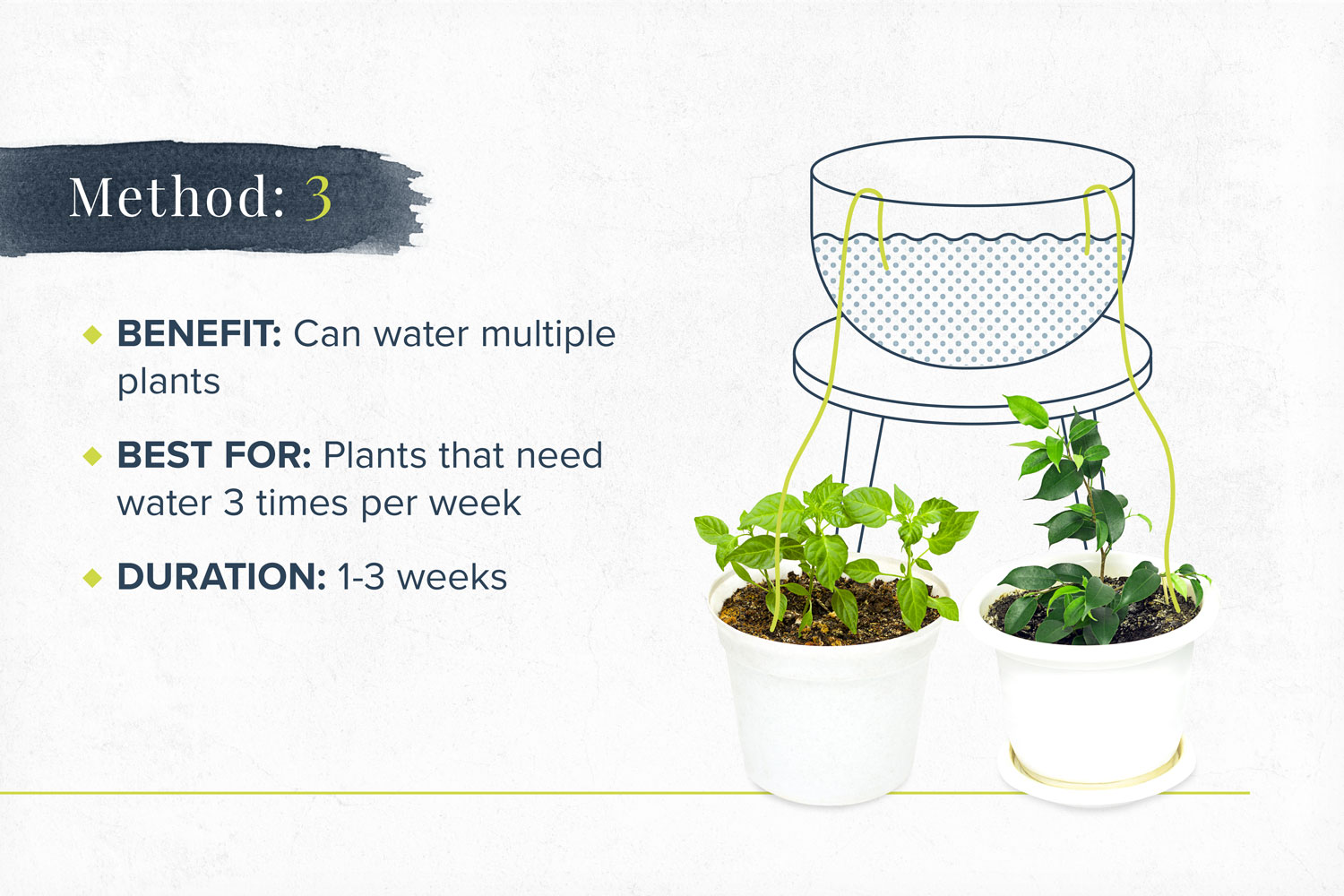
Cut a piece of cotton rope or thick cotton string. The wick should be long enough to reach from the water reservoir to the soil. Thread the wick through one hole in the container. Secure it so one end stays in the water, and the other touches the soil. The wick pulls water slowly to the plant roots.
Setting Up The Drip Mechanism
Use a small plastic tube or a drip irrigation spike. Connect it to the water reservoir opening or the wick area. Adjust the drip rate by cutting the tube or adding small holes. Place the tube close to the plant base. This setup controls water flow, preventing overwatering.
Types Of Diy Watering Systems
DIY plant watering systems offer smart ways to keep your plants healthy. They save time and water by delivering moisture slowly and steadily. Many designs use simple materials you already have at home. Choose the system that best fits your plants and space. Here are three popular DIY watering methods you can try.
Bottle Drip System
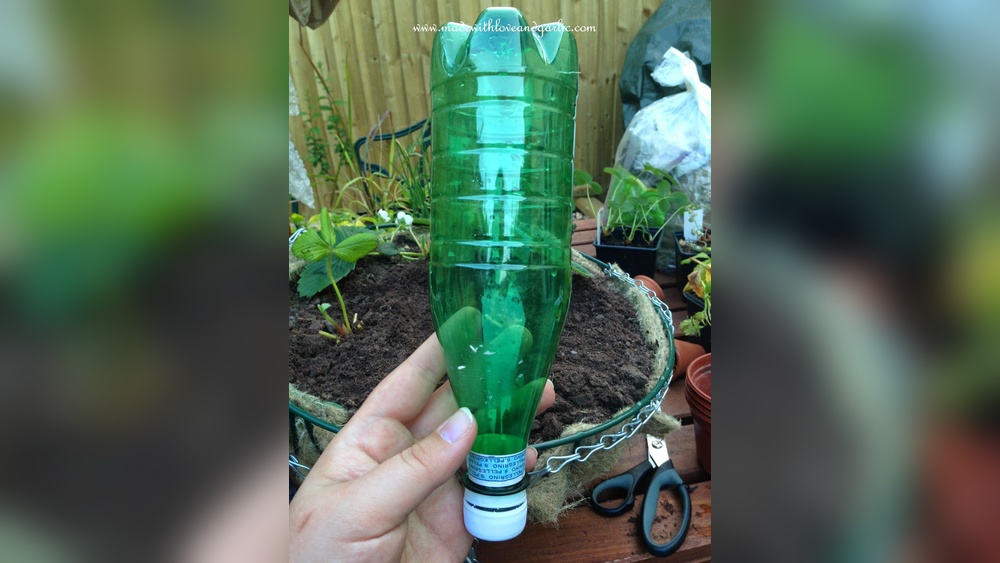
The bottle drip system uses a plastic bottle to water plants slowly. Poke small holes in the bottle cap or sides. Fill the bottle with water and insert it upside down into the soil. Water drips out little by little, keeping soil moist for days. This system works well for pots and garden beds alike. It is cheap and easy to make.
Cotton Wick System
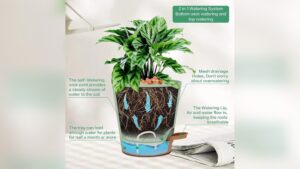
This system uses a cotton wick to move water from a reservoir to the plant. Place one end of the wick in a water container. Put the other end into the plant’s soil. Water travels along the wick by capillary action. This keeps soil evenly moist without flooding. It is perfect for small indoor plants and herbs. Cotton or nylon wicks both work well.
Capillary Matting Setup
Capillary matting is a fabric that holds and releases water slowly. Lay the mat on a flat surface and soak it with water. Place plant pots on top of the mat. The mat draws water up to the plant roots through the drainage holes. This method suits many plants and saves frequent watering. It is great for greenhouses and indoor gardens.
Best Plants For Self-watering
Choosing the best plants for a DIY self-watering system ensures healthy growth with less effort. Some plants thrive with constant moisture, making them perfect for these systems. Others prefer drier soil and may not do well. Knowing which plants suit self-watering helps you avoid common problems. It also keeps your garden or indoor plants happy and vibrant.
Indoor Houseplants
Many indoor plants enjoy steady moisture from self-watering systems. Spider plants, pothos, and peace lilies absorb water well this way. Ferns also thrive with consistent soil moisture. These plants avoid stress caused by dry soil. They grow lush and green without daily watering.
Vegetable Gardens
Vegetables like tomatoes, cucumbers, and peppers benefit from steady watering. Self-watering systems keep the soil moist and roots healthy. Herbs such as basil and parsley also do well. These plants need regular water but dislike waterlogged soil. A well-designed system balances moisture perfectly.
Plants To Avoid
Cacti and succulents do not suit self-watering setups. They prefer dry periods between watering. Overly wet soil can cause root rot in these plants. Orchids also need special care and air circulation around roots. Avoid these plants to prevent damage and poor growth.
Credit: www.proflowers.com
Troubleshooting Common Issues
Troubleshooting common issues in a DIY plant watering system helps keep plants healthy. Problems like overwatering, mold, pests, or uneven water flow can harm your plants. Identifying and fixing these issues early improves the system’s performance.
Preventing Overwatering
Overwatering can drown plant roots and cause rot. Check the soil moisture before adding water. Use a timer or drip regulator to control water release. Ensure the container has drainage holes to let excess water escape. Adjust watering frequency based on weather and plant needs.
Avoiding Mold And Pests
Standing water and damp soil invite mold and pests. Keep the watering system clean and dry between uses. Remove dead leaves and debris from the soil surface. Use natural pest repellents like neem oil if pests appear. Good air circulation also reduces mold growth.
Adjusting Water Flow
Uneven water flow can stress plants or cause dry spots. Test the flow rate regularly by observing water dripping or soaking into soil. Tighten or loosen tubes and valves to balance the flow. Replace clogged parts to maintain steady watering. Tailor the flow to each plant’s water needs.
Maintenance Tips
Proper care keeps your DIY plant watering system working well. Regular maintenance saves water and prevents damage. Simple steps extend the life of your system. Follow these tips for best results.
Cleaning The System
Clean your watering system every few weeks. Remove dirt and algae that block water flow. Use a soft brush or cloth for cleaning. Flush pipes and tubes with clean water. Avoid harsh chemicals to protect plants and materials.
Refilling The Reservoir
Check the water level daily or every few days. Refill the reservoir before it runs dry. Use fresh, clean water for best plant health. Avoid overfilling to prevent leaks and spills. Monitor water use during hot or dry periods closely.
Seasonal Adjustments
Adjust watering frequency with changing seasons. Water less in cooler months and more in hot weather. Inspect system parts for wear or damage before each season. Disconnect and store the system safely during freezing weather. Restart and test the system in spring for proper function.
Enhancing System Efficiency
Enhancing the efficiency of your DIY plant watering system saves water and keeps plants healthy. Small changes can make big differences in watering accuracy and plant growth. Focus on automation and even water flow to avoid dry spots or water waste. Adding nutrients directly into the water can also boost plant health without extra effort.
Using Timers And Sensors
Timers control watering schedules automatically. Set them to water plants at the best time, like early morning or late evening. This avoids water loss from evaporation. Sensors check soil moisture levels. They stop watering when the soil is wet enough. This prevents overwatering and saves water.
Improving Water Distribution
Use drip emitters or soaker hoses for even water spread. They deliver water slowly to each plant’s roots. Avoid spraying water on leaves to reduce disease risk. Position tubes close to the soil for better absorption. Check for leaks or clogs regularly to keep flow steady.
Adding Nutrient Delivery
Mix liquid fertilizer into the watering system. This feeds plants while watering them. Use a simple injector or drip system for nutrients. Adjust the nutrient mix based on plant needs. This method saves time and improves plant growth without extra steps.
Comparing Diy Vs. Commercial Systems
Choosing between a DIY plant watering system and a commercial one can affect your gardening experience. Each option offers unique advantages and challenges. Understanding these differences helps you pick the best fit for your needs.
Cost Comparison
DIY systems usually cost less than commercial products. You can use recycled materials like bottles and tubes. Commercial systems often require a bigger upfront investment. They include pumps, timers, and sensors. Over time, DIY may save money but needs more effort.
Customization Options
DIY watering systems allow full customization. You control water flow, timing, and setup. This fits specific plant needs or space limits. Commercial systems have preset features. They work well for general use but offer less flexibility. Customization depends on your skills and creativity.
Durability And Reliability
Commercial systems tend to be more durable. They are made with quality materials and tested designs. These systems run automatically and require less maintenance. DIY setups might face leaks or blockages. Their reliability depends on how well they are built. Regular checks keep DIY systems working well.

Credit: www.youtube.com
Frequently Asked Questions
How To Make A Self-watering Plant System?
Fill a container with water, insert a wick or cotton swab, and place it into the soil. The wick draws water to the plant roots automatically.
Do Self-watering Planters Actually Work?
Yes, self-watering planters work by providing consistent moisture through a reservoir and wick system. They reduce watering frequency and promote healthy roots. Avoid using them for succulents or cacti. Regular monitoring prevents pests and mold buildup.
What Is The 30 30 Rule For Irrigation?
The 30 30 rule for irrigation means watering plants for 30 minutes every 30 days. It helps maintain healthy soil moisture without overwatering.
How To Water Plants While Away For 2 Weeks?
Use a DIY self-watering system like a water-filled bottle with a drip or wick to keep soil moist. Place plants away from direct sun to reduce water loss. Alternatively, arrange plants together and use moisture-retaining mulch. Ask a friend to water occasionally for best results.
Conclusion
Building your own plant watering system saves time and water. It keeps plants healthy with steady moisture. Simple materials make the project easy and affordable. This system suits busy gardeners or those away often. Regular checks help avoid water buildup or pests.
Try this DIY method to care for plants better. Enjoy greener plants with less daily effort.