Difference between Vermiculite And Perlite: Key Facts Revealed
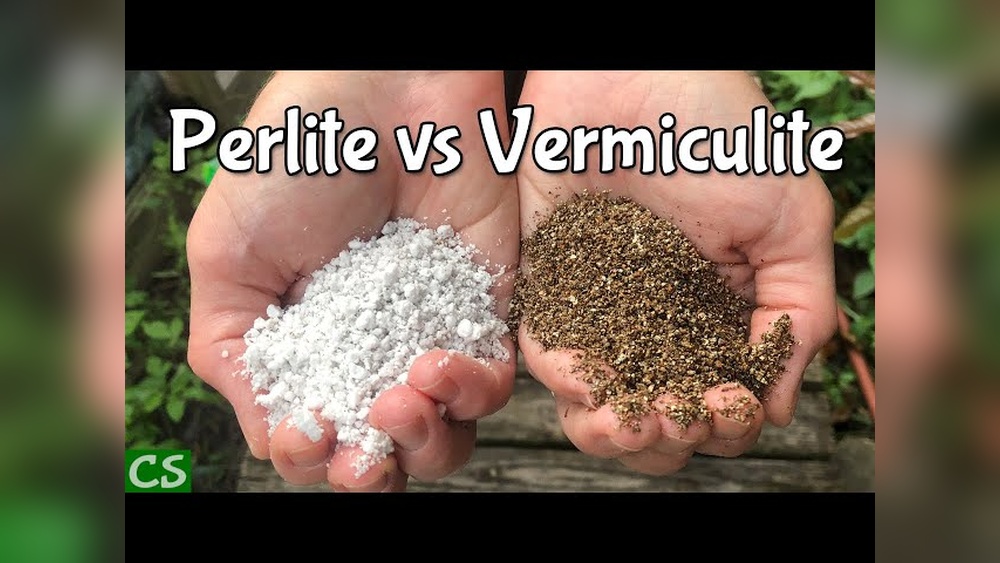
Are you trying to improve your garden soil but unsure whether to use vermiculite or perlite? Both are popular soil amendments, but they serve very different purposes.
Choosing the right one can make a big difference in how well your plants grow. If you want to know which is better for your plants and when to use each, this guide is for you. Keep reading to discover the key differences between vermiculite and perlite, so you can give your garden the best care possible.
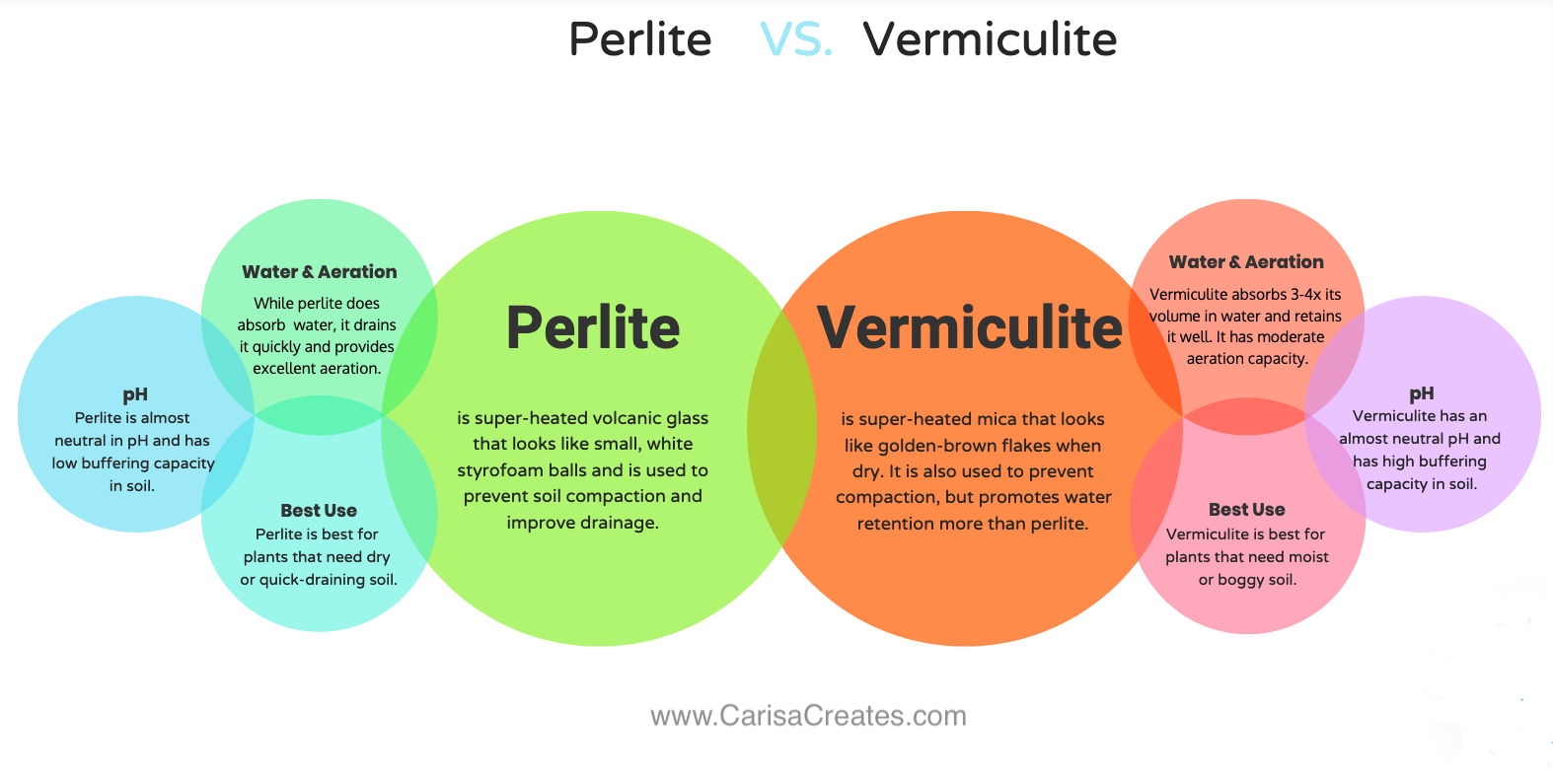
Credit: carisacreates.com
Physical Traits
The physical traits of vermiculite and perlite play a key role in their use in gardening and horticulture. Understanding their differences helps in choosing the right soil amendment. These traits affect water retention, aeration, and plant health. Below, we explore their appearance, texture, weight, and porosity.
Appearance And Texture
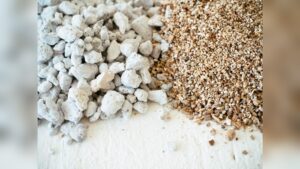
Vermiculite looks like small, shiny flakes. It has a layered, sheet-like structure. The color usually ranges from gold to brown. Its texture feels soft and spongy. This texture helps it hold water well.
Perlite appears as small, white, round granules. It looks like tiny popcorn pieces. Its surface is rough and porous. Perlite feels lightweight and brittle to touch. It does not hold water but traps air.
Weight And Porosity
Vermiculite is heavier than perlite. It absorbs and holds water inside its layers. This makes it denser and moist. Its porosity allows slow water release to roots.
Perlite is very light and porous. It contains many air pockets inside. These pockets improve soil aeration and drainage. Perlite does not absorb water but lets it flow freely.
:max_bytes(150000):strip_icc()/SPR-vermiculite-vs-perlite-6455754-hero-1a2d3e14e0584fbaa4a990ebef1d494b.jpg)
Credit: www.thespruce.com
Water Retention
Water retention plays a key role in choosing between vermiculite and perlite. It affects how much moisture the soil holds and how well plants grow. Both materials change the soil’s water balance but in different ways. Understanding their water retention properties helps gardeners select the best option for their plants.
Moisture Holding Capacity
Vermiculite holds water better than perlite. Its layered structure soaks up moisture and keeps it available for roots. This makes vermiculite ideal for plants that need steady moisture. Perlite, on the other hand, has a porous surface that holds little water. It mostly aids airflow and keeps soil light.
Impact On Soil Drainage
Perlite improves soil drainage significantly. It creates air pockets that allow excess water to flow away. This prevents waterlogging and root rot in plants. Vermiculite slows drainage by holding onto water longer. It suits soils that dry out too fast or need moisture retention. Choosing between the two depends on your soil type and plant needs.
Aeration And Drainage
Aeration and drainage play key roles in healthy plant growth. These factors help roots get enough air and prevent water from pooling. Both vermiculite and perlite improve soil structure but work differently. Understanding their effects helps choose the right one for your plants.
Effect On Root Oxygenation
Perlite creates large air pockets in the soil. This improves oxygen flow to roots. Roots breathe better and grow stronger. Vermiculite holds water but has smaller air spaces. It offers moderate oxygen but keeps moisture longer. Plants needing plenty of air prefer perlite.
Suitability For Different Plants
Perlite suits plants that like dry, well-drained soil. Examples include succulents and cacti. Vermiculite fits plants needing more moisture, like ferns and vegetables. It helps retain water around roots. Choose perlite for fast drainage. Use vermiculite for better moisture retention.
Nutrient Properties
The nutrient properties of vermiculite and perlite play a key role in their use in gardening and soil management. Both materials affect soil differently because of their unique mineral makeup and how they interact with nutrients. Understanding these differences helps gardeners choose the right soil amendment for their plants.
Mineral Content
Vermiculite contains magnesium, aluminum, iron, and potassium. These minerals slowly release into the soil, providing nutrients to plants. Perlite is mostly made of volcanic glass and contains very few minerals. It does not add nutrients but helps with soil aeration.
Influence On Soil Fertility
Vermiculite improves soil fertility by holding water and nutrients. It releases nutrients gradually, making them available to roots over time. Perlite does not improve fertility directly but supports root growth by improving drainage and air flow. This creates a healthy environment for nutrient uptake.
Ideal Plant Uses
Choosing between vermiculite and perlite depends on your plant’s needs. Both help soil but serve different purposes. Vermiculite holds water and nutrients well. Perlite improves soil drainage and aeration. Knowing which plants prefer each can boost growth and health.
Plants Favoring Vermiculite
Vermiculite suits plants that like moist, nutrient-rich soil. Seedlings and young plants benefit from its water retention. Ferns grow well with vermiculite because they prefer damp conditions. Many leafy houseplants also thrive with this mineral. It helps prevent soil drying out too fast.
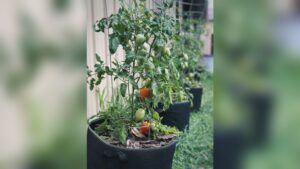
Vegetables like tomatoes and peppers do well with vermiculite. It supplies steady moisture and nutrients for healthy roots. Plants needing gentle root environments enjoy vermiculite’s softness. It cushions roots and supports steady growth.
Plants Favoring Perlite
Perlite fits plants needing excellent drainage and air flow. Succulents and cacti prefer perlite to avoid root rot. It stops soil from becoming soggy. Orchids grow better with perlite because their roots need air. It keeps soil light and loose for good root health.
Herbs like rosemary and thyme thrive with perlite’s drainage. Plants that dislike wet feet benefit from perlite’s fast drying. Gardeners use perlite for mixing potting soil to improve structure. It is ideal for plants in pots or containers needing quick drying soil.
Limitations And Risks
Both vermiculite and perlite offer great benefits for gardening but come with certain limitations and risks. Understanding these helps choose the right soil amendment. Each material interacts differently with water and plant roots, affecting plant health. Some plants may not thrive with vermiculite or perlite due to their unique moisture needs.
Plants Unsuitable For Vermiculite
Vermiculite holds water well, which can harm drought-loving plants. Cacti and succulents dislike sitting in moist soil. They need fast-draining soil to avoid root rot. Agave and aloe vera also prefer dry conditions and sharp drainage. Mediterranean herbs that require dry soil may struggle with vermiculite. Mixing vermiculite with other moisture-retaining materials can worsen soggy conditions. Avoid vermiculite if your plants need dry, airy soil.
Potential Drawbacks Of Perlite
Perlite improves drainage but can dry out soil quickly. This makes it less ideal for plants needing constant moisture. The dust from perlite can irritate eyes and lungs during handling. It may float to the surface after watering, causing uneven soil texture. Perlite breaks down slowly and may compact over time, reducing soil aeration. Use gloves and a mask to avoid inhaling perlite dust. Balance perlite with moisture-retaining materials for best results.
Application Tips
Using vermiculite and perlite correctly improves your plant’s growth. These materials help soil breathe and hold water. Understanding their applications avoids common mistakes. Follow these tips for best results.
Mixing Ratios With Soil
For vermiculite, mix about 1 part vermiculite to 4 parts soil. This ratio helps retain moisture and nutrients. Avoid using too much vermiculite, as it can hold too much water.
Perlite works well mixed at 1 part perlite to 3 parts soil. It improves drainage and aeration. Use more perlite for plants that need dry, loose soil.
Adjust ratios based on plant type and environment. Seedlings benefit from lighter mixes with more perlite. Mature plants may prefer more vermiculite for moisture.
Best Practices For Indoor And Outdoor Use
Indoors, use vermiculite for plants that need steady moisture, like ferns and African violets. It keeps soil moist longer in pots.
Perlite suits indoor succulents and cacti. It prevents soil from becoming soggy and reduces root rot risk.
Outdoors, vermiculite works well in raised beds and garden soil to improve water retention. It helps during dry spells.
Perlite is excellent for garden beds needing good drainage. It helps heavy clay soils become lighter and airier.
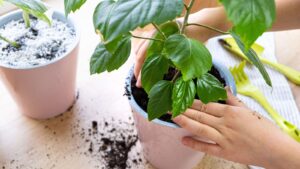
Always loosen the soil before mixing these materials. This ensures even distribution and better plant root growth.
Alternative Options
Exploring alternative options to vermiculite and perlite can enhance your gardening success. Different materials offer unique benefits for soil structure and plant health. These alternatives improve drainage, aeration, and moisture retention in various ways.
Pumice For Drainage
Pumice is a natural volcanic rock that helps soil drain well. It holds some moisture but does not become soggy. Pumice adds air space around roots, preventing root rot. It is lightweight and does not break down quickly. Many gardeners prefer pumice for cactus and succulent soil mixes. It improves soil texture without compacting. Pumice also reduces soil crusting on the surface.
Sandy Soil Benefits
Sandy soil provides excellent drainage and warms up quickly in spring. It is low in nutrients but easy to mix with organic matter. Adding sand to potting soil can prevent waterlogging. Sandy soil is ideal for plants that dislike wet feet. It encourages deep root growth and reduces fungal diseases. However, sandy soil dries out fast and may need frequent watering. Combining sand with compost balances moisture and fertility.
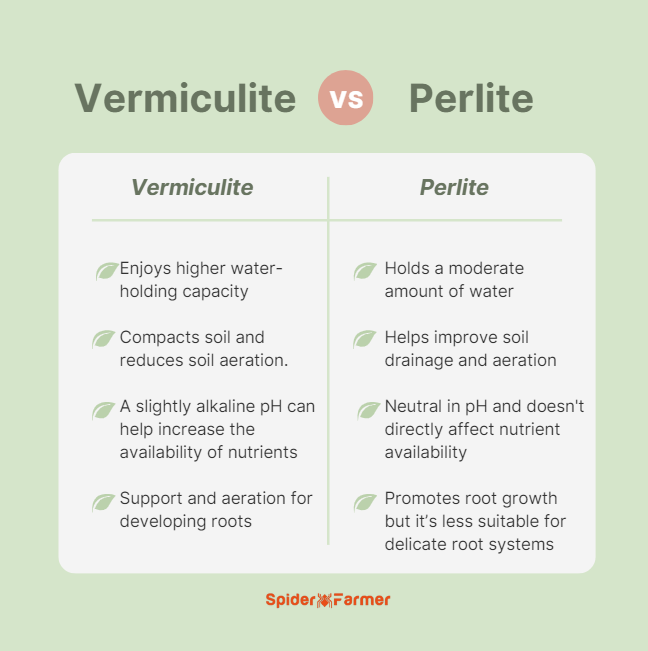
Credit: spiderfarmer.eu
Frequently Asked Questions
What Plants Do Not Like Vermiculite?
Plants that dislike vermiculite include cacti, succulents, agave, aloe vera, and some Mediterranean herbs. They need fast-draining soil. Vermiculite retains too much moisture, causing root rot risks. Use perlite, pumice, or sandy soil instead for better drainage and healthier roots in these drought-tolerant plants.
When Not To Use Perlite?
Avoid using perlite in heavy clay soils prone to waterlogging or with plants needing consistent moisture retention.
What Plants Need Vermiculite?
Vermiculite suits plants needing moisture retention like ferns, seed-starting mixes, and acid-loving plants. Avoid for cacti, succulents, agave, and aloe vera.
Do I Need Both Perlite And Vermiculite?
You don’t always need both perlite and vermiculite. Use perlite for drainage and aeration, vermiculite to retain moisture and nutrients. Choose based on your plant’s water needs. Combining them suits balanced soil but isn’t essential for all gardening situations.
Conclusion
Choosing between vermiculite and perlite depends on your plant’s needs. Vermiculite holds water and nutrients well. Perlite improves soil drainage and aeration. Use vermiculite for moisture-loving plants. Use perlite for plants needing dry, airy soil. Both help plants grow but serve different purposes.
Understanding their differences helps you care for plants better. Pick the right soil amendment to keep your garden healthy and thriving. Simple choices make big plant improvements.