Can You Use Perlite And Vermiculite Together: Ultimate Guide
Are you wondering if you can use perlite and vermiculite together in your garden or houseplants? Both are popular soil additives, but they serve different purposes.
Using them together might sound like a great idea to get the best of both worlds—but is it really that simple? If you want to improve your soil’s drainage, aeration, and moisture retention all at once, keep reading. This article will help you understand how these two materials work, when combining them makes sense, and when it could actually harm your plants.
By the end, you’ll know exactly how to boost your garden’s health with the right mix—no guesswork needed.
Perlite And Vermiculite Basics
Perlite and vermiculite are common soil additives used by gardeners. They help improve soil structure and support plant growth. Understanding their basic features is important before mixing them together.
Both materials come from natural minerals but have different functions in the soil. Knowing their differences helps you decide how to use them effectively.
Physical Properties
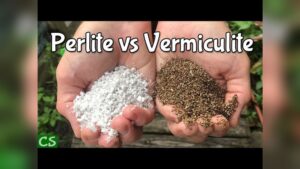
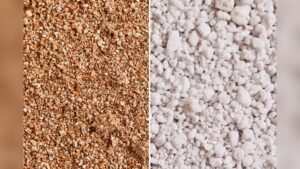
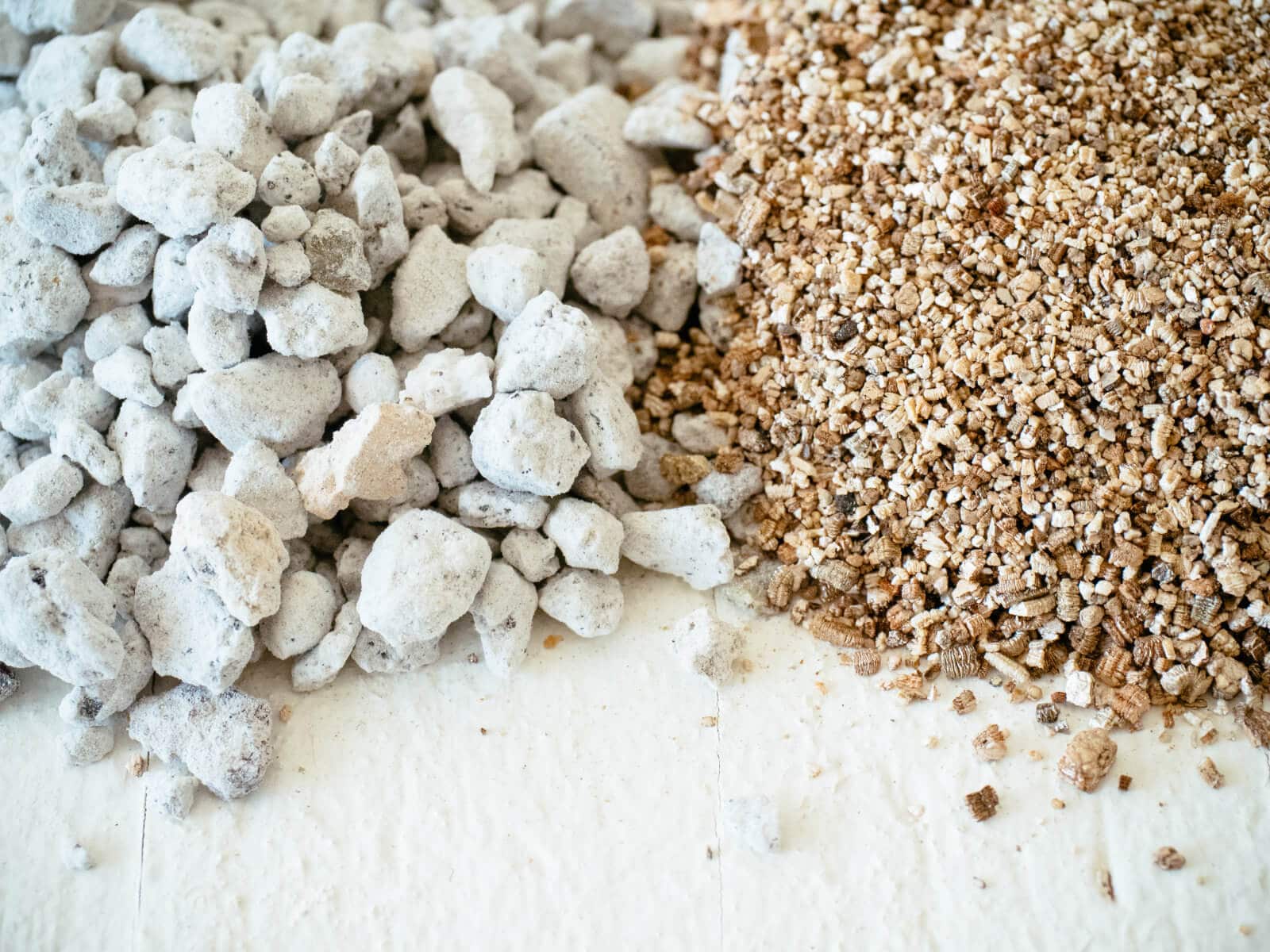
Perlite is a lightweight, white, volcanic glass. It looks like tiny, porous balls. It stays loose and airy, keeping soil open for air and roots.
Vermiculite is a shiny, brownish mineral. It has layers that expand when heated. Vermiculite feels soft and sponge-like, helping soil stay fluffy and well-aerated.
Water Retention Differences
Perlite holds little water but drains well. It prevents soil from becoming soggy. Vermiculite absorbs and holds a lot of water. It keeps soil moist longer for plants that need steady moisture.
Using both together balances moisture and drainage in the soil mix.
Nutrient Holding Capacity
Vermiculite holds nutrients and releases them slowly to plant roots. It helps keep fertilizers in the root zone.
Perlite does not hold nutrients but supports root growth by improving air flow. It works well with vermiculite to create a healthy environment for plants.

Credit: savvygardening.com
Benefits Of Using Both Together
Using perlite and vermiculite together improves soil quality. They complement each other by balancing air and water in soil. This mix creates an ideal environment for plants to grow strong and healthy.
Each material has unique features. When combined, they support better plant development and reduce common soil problems.
Improved Soil Aeration
Perlite adds air spaces in the soil. These spaces allow roots to get enough oxygen. Roots need oxygen to grow and absorb nutrients well. Vermiculite helps keep soil loose, preventing compaction. Together, they create a light soil mix that breathes easily.
Balanced Moisture Levels
Vermiculite holds water and releases it slowly. This keeps soil moist for longer periods. Perlite drains excess water quickly, stopping waterlogging. This balance stops roots from drying out or rotting. Plants get the right amount of moisture every time.
Enhanced Root Growth
The mix of perlite and vermiculite supports healthy root growth. Good air and water flow encourage roots to spread wide and deep. Strong roots help plants absorb more nutrients. This leads to healthier, faster-growing plants with better yields.
When To Avoid Perlite
Perlite is a popular soil amendment, but it is not always the best choice. Knowing when to avoid perlite helps protect your plants and soil health. Some plants and soil types do not benefit from perlite’s drainage properties. Using perlite in the wrong situations can harm plants or cause problems.
Moisture-loving Plants
Plants like ferns, peace lilies, and calatheas need soil that stays moist. Perlite drains water quickly, drying out the soil too fast. Seedlings also need gentle moisture, which perlite may not provide. Choose vermiculite or coco coir instead for better moisture retention.
Heavy Clay And Sandy Soils
Heavy clay soil tends to compact and hold water. Perlite can float to the surface and separate from clay, causing uneven soil structure. Sandy soil drains too quickly already. Adding perlite makes drainage worse and washes away nutrients. Use compost or gypsum to improve these soils.
Fluoride-sensitive Plants
Some plants react poorly to fluoride, which may be present in perlite. Spider plants, dracaena, and Easter lilies are sensitive to fluoride. Signs include leaf tip burn and poor growth. Avoid perlite for these plants and try alternatives like vermiculite or organic soil amendments.
Respiratory Concerns
Perlite dust can irritate lungs, skin, and eyes. People with respiratory issues should be cautious using perlite. Always wear a mask when handling dry perlite. Wetting perlite before use reduces dust. Consider using vermiculite or compost if dust is a concern.

Credit: www.gardening4joy.com
Plants That Prefer Vermiculite Only
Some plants thrive best with vermiculite alone. Vermiculite holds water well and releases nutrients slowly. It keeps the soil moist and aerated without drying out quickly. This makes it ideal for plants that need steady moisture and gentle root support. Using vermiculite only helps these plants grow strong and healthy.
Drought-tolerant Species
Drought-tolerant plants usually do not prefer vermiculite. They need soil that drains fast and stays dry between waterings. Vermiculite holds too much moisture for these plants. Instead, they do better in soil mixed with perlite or sand. This prevents root rot and keeps roots healthy.
Seedlings And Moisture-needy Plants
Seedlings and moisture-loving plants need vermiculite only. Vermiculite keeps the soil damp without drowning roots. It helps young plants absorb water and nutrients easily. Plants like ferns, peace lilies, and calatheas grow well with vermiculite. It creates a soft, moist environment that supports delicate roots.
Common Soil Types And Amendments
Soil quality varies widely and affects plant health deeply. Common soil types include clay, sandy, and loamy soils. Each type needs specific amendments to improve structure and nutrient availability. Using the right soil amendments helps plants grow strong and healthy.
Perlite and vermiculite are popular soil additives. Both improve soil aeration and water retention but work differently. Understanding common soil types helps decide if using perlite and vermiculite together is beneficial.
Clay Soil Solutions
Clay soil is dense and holds too much water. Roots struggle to get air and may rot. Adding vermiculite helps retain moisture without making soil soggy. Perlite improves drainage and breaks up compact clay. Together, they create a lighter, airier soil that drains well but still holds moisture.
Sandy Soil Adjustments
Sandy soil drains too fast and loses nutrients quickly. Vermiculite holds water and nutrients, improving sandy soil’s ability to feed plants. Perlite adds air space but can increase drainage too much in sandy soil. Using more vermiculite than perlite helps keep water and nutrients near roots.
Suitable Mix Ratios
For clay soil, a mix of 1 part vermiculite to 1 part perlite works well. This balance improves drainage and moisture retention equally. For sandy soil, use 2 parts vermiculite to 1 part perlite. This keeps sandy soil from drying out too fast. Adjust ratios based on plant needs and soil texture.
Practical Tips For Mixing
Mixing perlite and vermiculite can boost your soil’s texture and water retention. Proper mixing helps plants get air, water, and nutrients well. Use these practical tips for best results.
Proper Ratios
Balance is key. Use about one part vermiculite to two parts perlite. This mix gives good water retention and drainage. Adjust ratios based on your plant needs. More vermiculite helps hold moisture. More perlite improves drainage and aeration.
Application Methods
Mix perlite and vermiculite evenly with soil before planting. Use a garden fork or trowel to blend well. Avoid clumps of either material. For potted plants, fill the pot with the mix, leaving space for roots. Water the mix lightly before planting to settle it.
Avoiding Common Mistakes
Do not use too much perlite; it dries soil too fast. Avoid too much vermiculite; it can hold excess water and cause root rot. Do not add perlite on top of soil only; it should be mixed in. Always wear a mask when handling dry perlite to avoid dust inhalation.
Alternatives To Perlite And Vermiculite
Finding the right soil additives improves plant growth and soil health. Perlite and vermiculite are popular choices, but alternatives exist. These alternatives offer various benefits such as better water retention, aeration, or nutrient supply. Choosing the right mix depends on plant needs and soil type. Below are some effective options to consider.
Compost And Coco Coir
Compost enriches soil with nutrients and beneficial microbes. It improves soil structure and moisture retention naturally. Coco coir is a sustainable fiber from coconut husks. It holds water well and provides good aeration. Both compost and coco coir create a balanced environment for roots. They serve as organic alternatives to perlite and vermiculite.
Pumice And Rockwool
Pumice is a volcanic rock that adds aeration and drainage. It is heavier than perlite and does not float in soil. Rockwool is a man-made fiber that retains moisture efficiently. It is commonly used in hydroponic systems and seed starting. Both pumice and rockwool support healthy root growth and prevent soil compaction. These materials work well in various growing conditions.
Gypsum And Organic Matter
Gypsum improves soil structure, especially in heavy clay soils. It reduces soil compaction and increases water penetration. Organic matter like leaf mold or aged manure feeds soil organisms. It boosts nutrient content and moisture retention. Together, gypsum and organic matter enhance soil fertility and texture. They offer a natural way to improve plant growth without synthetic additives.
Credit: gardenbetty.com
Health And Environmental Considerations
Using perlite and vermiculite together in gardening raises important health and environmental questions. Both materials improve soil but come with certain risks. Understanding these helps gardeners stay safe and protect the environment.
Dust Hazards And Safety
Perlite and vermiculite create fine dust during handling. This dust can irritate eyes, skin, and lungs. Breathing it in may cause coughing or breathing problems. Wearing a mask and gloves reduces risk. Wetting the materials before use lowers dust spread. Always work in well-ventilated areas. Keep dust away from children and pets.
Environmental Impact
Mining perlite and vermiculite affects land and ecosystems. Removing these minerals changes landscapes and habitats. Transporting them adds carbon emissions. Perlite is a natural volcanic glass, while vermiculite expands when heated. Both are non-toxic but not biodegradable. If discarded improperly, they may harm soil and water quality. Using only needed amounts helps reduce waste.
Sustainable Choices
Choosing eco-friendly soil amendments supports sustainability. Compost and coconut coir offer natural alternatives. These improve soil without mining or dust risks. Reusing garden waste also enriches soil health. Combining small amounts of perlite or vermiculite with organic matter balances performance and impact. Opt for local products to cut transport emissions. Sustainable gardening protects plants, people, and the planet.
Frequently Asked Questions
When Not To Use Perlite?
Avoid using perlite for moisture-loving plants, heavy clay or sandy soils, hydroponics, fluoride-sensitive plants, windy areas, or if dust causes respiratory issues. Choose alternatives like vermiculite, compost, or clay pebbles for better water retention and soil health.
What Plants Do Not Like Vermiculite?
Plants that dislike vermiculite include succulents, cacti, and other drought-tolerant species. Vermiculite retains too much moisture for them.
Can You Put Too Much Perlite In Potting Mix?
Yes, too much perlite can cause excessive drainage and dry out the soil. Use it sparingly for balanced aeration and moisture retention.
Which Is Better Perlite Or Vermiculite?
Perlite improves drainage and aeration, ideal for succulents. Vermiculite retains moisture and nutrients, better for moisture-loving plants. Choose based on your plant’s water needs and soil type.
Conclusion
Using perlite and vermiculite together can improve soil quality effectively. Perlite helps with drainage and aeration. Vermiculite holds moisture and nutrients well. Mixing them balances water retention and air flow for plants. Avoid using too much of either to prevent soil problems.
This mix suits many garden plants, but not all. Always consider your plant’s needs and soil type first. Experiment with small batches to find the best mix. Healthy soil supports strong, vibrant plants. Try combining perlite and vermiculite carefully for better garden results.