Can You Use Indoor Potting Soil for Outdoor Plants? Expert Tips
Are you wondering if the indoor potting soil you have on hand can work for your outdoor plants? It’s a question many gardeners ask because using the right soil can make all the difference in your plants’ health and growth.
You might be tempted to save time and money by using indoor potting soil outside, but is it really that simple? Before you make that decision, it’s important to understand the differences between indoor and outdoor soils—and how those differences affect your plants.
Keep reading to discover whether indoor potting soil can meet your outdoor garden’s needs and what you should do to give your plants the best chance to thrive.

Credit: soltech.com
Indoor Vs Outdoor Soil
Understanding the difference between indoor and outdoor soil is important for healthy plant growth. Each type of soil is made to meet specific needs of plants in different environments. This section explains how indoor and outdoor soils differ and what ingredients they contain.
Key Differences
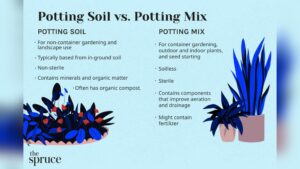
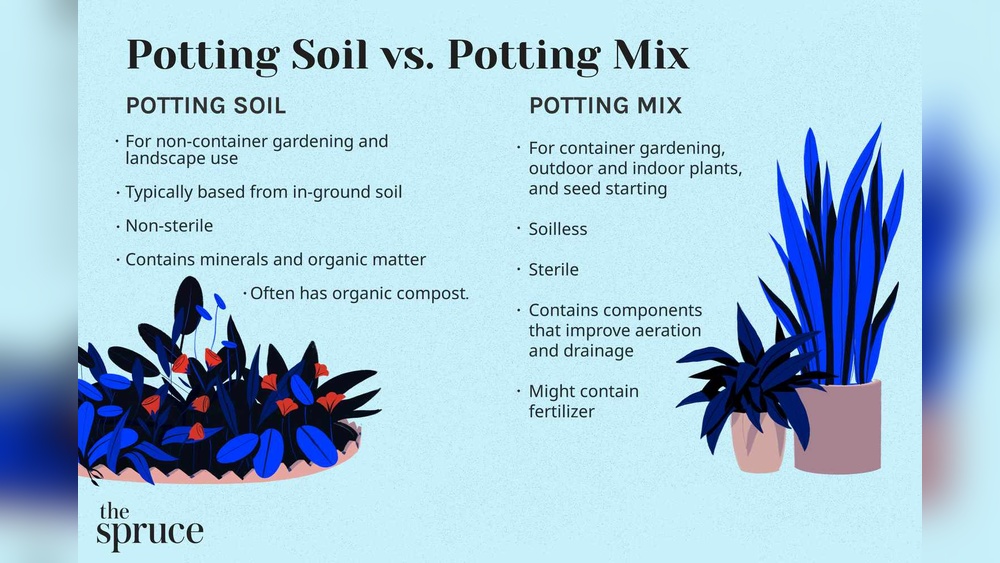
Indoor soil is lighter and drains water quickly to avoid root rot. It contains fewer nutrients since indoor plants need less fertilizer. Outdoor soil is heavier and holds moisture longer to support plants exposed to sun and wind. Outdoor soil often has more nutrients to help plants grow stronger in natural conditions.
Outdoor soil may also include additives that protect plants from pests and diseases. Indoor soil is usually sterilized to keep bugs and fungi away. The texture and composition vary to suit the plant’s environment.
Common Ingredients
Indoor potting soil often contains peat moss, perlite, and vermiculite. These help with aeration and drainage. It may also have small amounts of fertilizer for slow feeding. Outdoor soil includes organic matter like compost, earthworm castings, and alfalfa meal. These provide rich nutrients and improve soil structure.
Outdoor mixes can contain biochar and clay to retain moisture and improve soil health. Both soils may have coconut coir for water retention and aeration. The choice of ingredients depends on the plant’s needs and growing conditions.

Credit: rosysoil.com
Suitability Of Indoor Potting Soil Outdoors
Indoor potting soil can sometimes be used outdoors, but its suitability depends on the plant’s needs and environment. Indoor soils are designed for controlled spaces with stable conditions. Outdoor plants face more variables like rain, sun, and pests. Understanding how indoor potting soil performs outside helps in making the right choice for your garden.
Benefits And Limitations
Indoor potting soil often drains well and stays light. This helps roots breathe and grow freely in containers. It usually contains peat moss, perlite, and other materials that keep moisture balanced. These features can support outdoor potted plants, especially in small gardens or patios.
Limitations arise because indoor soil lacks nutrients found in outdoor mixes. Outdoor soils often include compost, fertilizer, and minerals to support robust growth. Indoor soil may dry out faster under sun and wind. It also might not protect plants from outdoor pests and diseases effectively.
Potential Risks
Using indoor potting soil outdoors can expose plants to stress. The soil may not hold enough water during hot weather, causing roots to dry. It can also lack beneficial microorganisms that help plants fight diseases outside.
Another risk is poor nutrient supply. Indoor soil often needs extra feeding when used outdoors. Without added nutrients, plants may grow weak or show yellow leaves. In some cases, indoor soil may compact or wash away in heavy rain, harming root health.
Adjusting Indoor Soil For Outdoor Use
Indoor potting soil is designed for controlled environments. Outdoor plants face different challenges like weather, pests, and varying moisture. Adjusting indoor soil helps it support outdoor plant health better. You can improve it by adding nutrients, fixing drainage, and managing moisture.
Adding Fertilizers
Indoor soil often lacks enough nutrients for outdoor plants. Adding fertilizers boosts soil fertility and plant growth. Use organic options like compost or worm castings. These release nutrients slowly and improve soil quality. Avoid over-fertilizing, which can harm plants.
Improving Drainage
Indoor potting soil may hold too much water outdoors. Heavy soil can cause root rot and poor growth. Mix in materials like perlite, sand, or small gravel to increase drainage. This helps water flow freely and prevents waterlogging. Good drainage supports healthy root systems.
Enhancing Moisture Retention
Outdoor plants need soil that holds moisture but drains well. Add peat moss or coconut coir to indoor soil. These materials keep soil moist longer without becoming soggy. Balanced moisture helps plants survive dry spells and grow strong. Proper moisture retention is key for outdoor success.
When To Avoid Using Indoor Soil Outside
Using indoor potting soil outdoors may seem convenient. Yet, there are times you should avoid it. Some indoor soils lack the strength to support outdoor plants properly. Others may carry risks that harm your garden. Knowing when to avoid indoor soil outside saves plants and effort.
Soil Contamination Concerns
Indoor potting soil can contain pests or diseases. These may be harmless indoors but damage outdoor plants. Using indoor soil outdoors can spread fungi or bugs. Soil stored indoors might also hold chemical residues. Such contamination can harm soil health and plant growth.
Outdoor soil faces natural cleansing from sun and rain. Indoor soil lacks this exposure, increasing contamination risks. Avoid using indoor potting soil if it shows mold or foul smell. Also skip soil that sat unused for too long. Fresh, clean soil is crucial for healthy outdoor plants.
Climate And Plant Type Considerations
Outdoor plants need soil suited to weather and environment. Indoor potting soil often lacks drainage needed for rain and moisture. It may hold too much water, causing root rot outdoors. Some outdoor plants require nutrient-rich or sandy soils. Indoor soil might miss these essential features.
Plants like succulents or native species need special soil types. Indoor soil usually targets houseplants with different needs. Avoid using indoor soil for outdoor plants in wet or extreme climates. Match soil type to plant species and local weather for best results.
Alternatives To Indoor Potting Soil For Outdoor Plants
Indoor potting soil is not always the best choice for outdoor plants. Outdoor plants need soil that handles weather and pests better. Many gardeners choose other soil types for healthier growth and durability. Several good alternatives exist that suit outdoor conditions well.
Garden Soil Blends
Garden soil blends are designed for outdoor use. They contain natural soil mixed with organic materials. This mix supports strong root growth and holds moisture well. It also drains excess water to prevent root rot. Garden soil blends improve soil structure and nutrient content for outdoor plants.
Soilless Mixes
Soilless mixes do not contain natural soil. They are made from materials like coconut coir, peat moss, and perlite. These mixes provide excellent drainage and air flow to roots. They reduce risks from soil-borne diseases and pests. Soilless mixes work well for container plants outside.
Compost And Organic Matter
Compost adds nutrients and improves soil texture. It helps soil retain moisture and supports beneficial microbes. Mixing compost with garden soil creates a rich, fertile environment. Organic matter also improves drainage and aeration. This blend boosts plant health in outdoor gardens.

Credit: kellogggarden.com
Expert Tips For Outdoor Plant Potting
Expert tips can help your outdoor plants thrive in pots. Outdoor plants face sun, wind, and rain challenges. Using the right soil and care methods improves plant health and growth. Below are key tips for potting outdoor plants successfully.
Choosing The Right Soil Mix
Outdoor plants need soil that drains well but holds moisture. Indoor potting soil often lacks enough drainage for outdoor use. Adding perlite or sand can improve drainage. Mixing compost into soil adds nutrients. Choose a soil mix that suits your plant type and weather.
Potting Techniques
Use pots with drainage holes to avoid water buildup. Place a layer of small stones or broken pottery at the bottom for better drainage. Fill the pot halfway with soil mix before planting. Gently remove the plant from its container and loosen the roots. Place the plant in the pot and fill around it with soil. Press soil lightly to remove air pockets. Water the plant well after potting.
Maintenance And Care
Check soil moisture regularly. Outdoor pots dry faster than indoor ones. Water when the top inch of soil feels dry. Fertilize your plants monthly with a balanced fertilizer. Remove dead leaves and flowers to keep plants healthy. Protect pots from extreme heat or cold by moving them if possible.
Frequently Asked Questions
Can I Use Indoor Potting Soil For Outside?
Yes, you can use indoor potting soil outdoors, but it may drain poorly and break down faster. Adding perlite improves drainage.
What Is A Good Substitute For Garden Soil?
A good substitute for garden soil includes soilless mixes with coconut coir, perlite, compost, worm castings, clay, or charcoal.
Is There Different Soil For Indoor And Outdoor Plants?
Yes, indoor and outdoor plants need different soils. Outdoor soil has more fertilizer and moisture retention ingredients than indoor soil. Indoor soil is lighter and drains faster to prevent root rot. Using the right soil helps plants grow healthy in their specific environments.
Can Miracle-gro Potting Mix Be Used Outside?
Yes, Miracle-Gro potting mix suits outdoor use. It retains moisture and supports plant growth in pots outside effectively.
Conclusion
Using indoor potting soil outdoors can work well with care. Make sure the soil drains properly to avoid waterlogging. Outdoor plants often need more nutrients and drainage than indoor plants. Mixing in materials like perlite or compost can improve soil quality.
Keep an eye on your plants for signs of stress or poor growth. Adjust soil and watering habits based on your plant’s needs and weather conditions. This way, your outdoor plants will stay healthy and strong. Simple steps make a big difference in gardening success.