Can You Use Indoor Potting Mix for Outdoor Plants? Expert Tips
Are you wondering if the indoor potting mix you have can work for your outdoor plants? It’s a common question, especially when you want to save time and money.
You might think, “Why buy separate soil when I already have some potting mix at home? ” But before you dig in, it’s important to know how indoor and outdoor potting mixes differ. Using the wrong mix could affect your plants’ health, growth, and even survival.
You’ll discover what makes indoor potting mix unique, whether it’s safe and effective for outdoor use, and what you need to watch out for. Keep reading to make sure your outdoor plants get the best start possible!
Indoor Vs Outdoor Mix
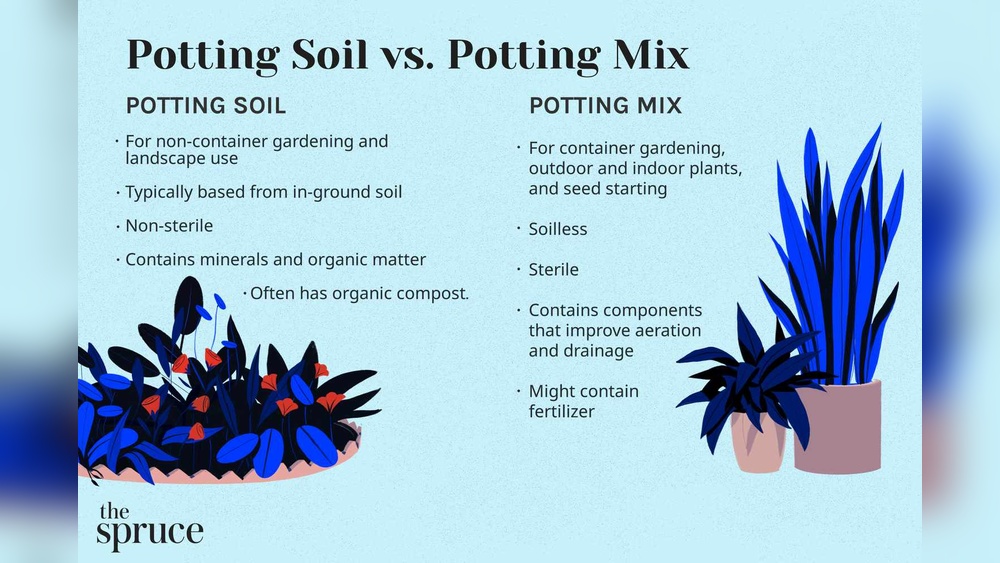
Understanding the difference between indoor and outdoor potting mixes helps in choosing the right soil for plants. Both types serve different purposes and have unique characteristics. Using the correct mix improves plant health and growth.
Key Ingredient Differences
Indoor potting mix often contains materials that prevent pests and diseases. It usually has lighter components like peat moss and perlite for better air flow. Outdoor mixes include heavier ingredients like compost and bark to support robust root systems. These provide structure and nutrients for plants exposed to weather.
Nutrient Levels And Fertilizers
Indoor mixes tend to have moderate fertilizer content to avoid overfeeding delicate houseplants. Outdoor mixes often have higher nutrient levels to support fast growth and recovery from outdoor stress. They may contain natural fertilizers like earthworm castings and alfalfa meal. This keeps outdoor plants strong and healthy.
Moisture Retention Properties
Indoor potting mix is designed to retain moisture without waterlogging roots. It drains well to prevent root rot in pots. Outdoor mixes hold moisture longer to withstand dry spells. Ingredients like biochar and vermiculite help outdoor soil keep water available. This balance supports plants during changing weather.

Credit: kellogggarden.com
Using Indoor Mix Outside
Indoor potting mix is designed for houseplants in controlled environments. Using it outside can work, but there are key points to consider. Understanding its properties helps you decide if it suits your outdoor garden.
The mix often contains more fertilizer and fewer soil microbes than outdoor soil. It may hold moisture differently, affecting plant health in open air. Let’s explore its suitability and limitations for outdoor use.
Suitability For Outdoor Plants
Indoor potting mix can support outdoor plants temporarily. It is lightweight and drains well, preventing root rot. Plants in pots or containers outdoors often benefit from indoor mix.
For small gardens or balcony planters, this mix provides a clean, pest-free start. It suits plants that need well-drained soil and moderate nutrients. Some outdoor plants may thrive in it during mild weather.
Potential Drawbacks In Outdoor Conditions
Indoor mix may not hold enough moisture during hot, dry weather. It can dry out quickly under direct sun and wind. Lack of natural soil microbes reduces nutrient cycling and soil health over time.
Heavy rain might wash away nutrients faster than outdoor soil. Its lighter texture may not anchor large plants well. Long-term use outdoors can lead to nutrient depletion and poor plant growth.
When It Works Well
Indoor mix works best outdoors in containers or raised beds with regular watering. Mixing it with compost or outdoor soil improves nutrients and moisture retention. Use it for young plants or seasonal flowers.
It is ideal for plants needing well-drained soil and minimal pests. Regular feeding and monitoring moisture keep plants healthy. This mix suits gardeners wanting a clean, easy-to-handle soil option outdoors.
Outdoor Mix Indoors?
Using outdoor potting mix indoors might seem convenient. Many gardeners wonder if this switch works well for their houseplants. Outdoor mixes have different ingredients designed for open-air conditions. These differences can cause problems inside your home.
Risks Of Using Outdoor Mix Inside
Outdoor potting mix often holds heavier soil and larger particles. This makes it harder for indoor plants to absorb water. The mix can hold too much moisture, causing root rot. Indoor plants usually need lighter, well-draining soil for healthy roots.
Also, outdoor soil may contain materials not suitable for indoor pots. These can block drainage holes and suffocate roots. Using outdoor soil indoors may stress plants and stunt their growth.
Pest And Contamination Concerns
Outdoor potting mix can carry pests like insects and their eggs. These pests might invade your home and harm indoor plants. Outdoor soil may also contain fungi or bacteria harmful inside.
Indoor environments lack natural predators to control these pests. Once inside, they can spread quickly. Contaminated soil increases the risk of plant diseases indoors.
Fertilizer Impact On Indoor Plants
Outdoor mixes often contain strong fertilizers. These fertilizers support fast growth in gardens but can burn indoor plants. Indoor plants need milder nutrient levels. Too much fertilizer causes leaf burn and weak roots.
Fertilizer in outdoor mix may also release nutrients too quickly. This sudden nutrient rush can shock indoor plants. Choosing soil with balanced nutrients is safer for houseplants.

Credit: www.amazon.com
Improving Indoor Mix For Outdoors
Using indoor potting mix outdoors requires some changes. Indoor mixes often lack certain elements that outdoor plants need. Improving the mix helps plants grow stronger and healthier outside. Simple adjustments can make a big difference.
Adding Nutrients And Compost
Indoor mixes usually have fewer nutrients than outdoor soil. Adding compost boosts nutrient levels naturally. Compost improves soil fertility and adds beneficial microorganisms. Mix in organic compost to feed outdoor plants well. This supports better growth and resilience.
Enhancing Soil Structure
Indoor potting mixes tend to be very light and loose. Outdoor plants benefit from soil that holds together better. Mixing in garden soil or aged compost improves texture. A good soil structure helps roots anchor firmly. It also retains moisture without becoming waterlogged.
Improving Drainage And Aeration
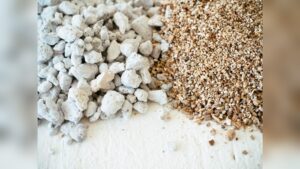
Drainage is key for outdoor plants to avoid root rot. Indoor mixes may hold too much water for outdoor use. Adding materials like perlite or coarse sand increases drainage. This lets air reach plant roots and prevents soggy conditions. Proper aeration keeps roots healthy and growing well.
Best Practices For Potting
Potting plants correctly improves their growth and health. Using the right materials and techniques helps plants thrive in containers. This section covers key practices for potting outdoor plants effectively.
Following these tips will make your potted plants stronger and more vibrant. Pay attention to soil choice, watering, drainage, and container selection for best results.
Choosing The Right Soil For Pots
Select soil made for the plant type and pot size. Indoor potting mix can work outdoors but may lack nutrients outdoor plants need. Outdoor potting soil often contains extra fertilizers and moisture retainers. Check soil texture to ensure it drains well yet holds some moisture. Avoid heavy garden soil that compacts and stops airflow.
Watering And Drainage Tips
Water pots evenly to keep soil moist but not soaked. Good drainage prevents root rot and fungal issues. Pots should have holes at the bottom for water to escape. Use a saucer to catch extra water, but empty it regularly. Water less in cool weather and more in hot, dry conditions.
Container Considerations
Choose containers that fit plant size and root space needs. Lightweight pots like plastic or resin are easier to move. Clay or terracotta pots breathe better but dry out faster. Clean old pots before reuse to stop disease spread. Make sure containers have enough drainage holes for excess water.
Common Mistakes
Many gardeners make simple mistakes when using indoor potting mix for outdoor plants. These errors can harm plant growth and health. Avoiding common pitfalls helps plants thrive outside. Learn about frequent errors to improve your gardening results.
Using Garden Soil In Pots
Garden soil is often too heavy for pots. It can compact and block water drainage. This causes root rot and poor aeration. Indoor potting mix is lighter and drains better. Avoid using garden soil directly in containers.
Over-fertilizing
Indoor potting mixes often contain fertilizer already. Adding more fertilizer can burn plant roots. Over-fertilizing leads to weak and stressed plants. Outdoor plants may need less frequent feeding. Always check the soil nutrients before adding fertilizer.
Ignoring Plant-specific Needs
Different plants require different soil types. Some need well-draining soil, others prefer moisture retention. Indoor potting mix may not suit all outdoor plants. Research each plant’s needs before choosing soil. Tailoring soil improves plant health and growth.
Expert Tips
Expert tips help you use indoor potting mix for outdoor plants wisely. Mixing the right soils, checking soil health, and adjusting for seasons improve plant growth. These tips protect plants from poor drainage and nutrient loss. Follow simple steps to get the best results.
Mixing Soils For Raised Beds
Use indoor potting mix as part of a soil blend. Combine it with garden soil and compost. This improves drainage and adds nutrients. Avoid using indoor mix alone because it may dry out fast. Mixing creates a balanced environment for roots in raised beds.
Monitoring Soil Health
Check soil moisture often to keep plants healthy. Indoor potting mix can dry quickly outside. Add water when soil feels dry a few inches down. Test soil pH to ensure it suits your plants. Add organic matter to keep soil rich and alive.
Seasonal Adjustments
Change soil mix based on the season. In hot months, add mulch to keep soil moist longer. In cold seasons, mix in compost to protect roots from frost. Adjust watering amounts to match weather changes. These steps keep outdoor plants strong all year.

Credit: www.amazon.com
Frequently Asked Questions
Can You Use Miracle-gro Outdoor Potting Mix For Indoor Plants?
Yes, you can use Miracle-Gro outdoor potting mix for indoor plants. It supports various plants with balanced nutrients and good drainage.
Can Potting Mix Be Used For Outdoor Plants?
Potting mix can be used for outdoor plants but may lack nutrients and drainage needed for healthy growth. Choose outdoor-specific mix for best results.
What Is The Difference Between Potting Mix And Indoor Potting Mix?
Potting mix suits outdoor plants with added moisture retention and nutrients. Indoor potting mix has less fertilizer and no compost to prevent gnats.
Is There Different Soil For Indoor And Outdoor Plants?
Yes, indoor and outdoor soils differ. Outdoor soil has more fertilizer and moisture-retaining ingredients. Indoor soil has less fertilizer and fewer composts to prevent pests. Use indoor soil for outdoor plants, but avoid outdoor soil indoors to protect houseplants.
Conclusion
Using indoor potting mix for outdoor plants can work in some cases. Indoor mixes often have more fertilizer and drain well. Outdoor plants need soil that handles weather and pests better. Indoor mix may not hold moisture long enough outside.
For best results, choose soil suited to your plant’s needs. Test the mix in a small area first. Watch how your plants respond and adjust care as needed. Healthy soil helps plants grow strong and thrive outdoors. Choose wisely for a vibrant garden.