Can Watering a Plant Too Much Kill It? Shocking Truth Revealed
Have you ever wondered if watering your plant too much could actually harm it? It might surprise you, but giving your plant too much water can be just as dangerous as not watering it enough.
When you overwater, you risk drowning your plant’s roots, cutting off the oxygen they need to survive. This can lead to root rot, yellow leaves, and stunted growth—signs that your plant is struggling more than thriving. If you want to keep your greenery healthy and vibrant, understanding how much water is just right is key.
Keep reading to discover why too much water can kill your plant and how you can avoid this common mistake. Your plants will thank you!
How Overwatering Harms Plants
Overwatering harms plants in several serious ways. It disrupts the balance plants need to survive and grow. Excess water fills the spaces in soil that normally hold air. Without air, roots cannot function properly. This leads to stress and damage in the plant’s system. Understanding the effects of too much water helps prevent plant death.
Oxygen Deprivation In Roots
Plant roots need oxygen to live and grow. Soil holds tiny air pockets that supply oxygen. Too much water fills these spaces with water instead of air. Roots become starved of oxygen and start to suffocate. Without oxygen, roots cannot absorb nutrients well. This weakens the plant and slows its growth.
Root Rot Development
Waterlogged soil creates the perfect place for fungi and bacteria. These organisms attack the weakened roots and cause root rot. Root rot destroys root tissue and stops roots from working. A plant with root rot cannot take up water or food. This disease often leads to the plant wilting and dying.
Nutrient Deficiency Issues
Overwatering washes away important nutrients from the soil. Roots also struggle to absorb nutrients from wet soil. Lack of nutrients causes yellow leaves and poor growth. Even if nutrients are present, roots may not take them in. This deficiency makes plants weak and vulnerable to stress.
Energy Drain Effects On Growth
When roots are damaged, plants use more energy to survive. Energy that should go to growth is spent on repairing roots. This slows down new leaf and stem development. The plant becomes weak and grows very slowly. Over time, this energy drain may cause the plant to die.
Symptoms Of Overwatered Plants
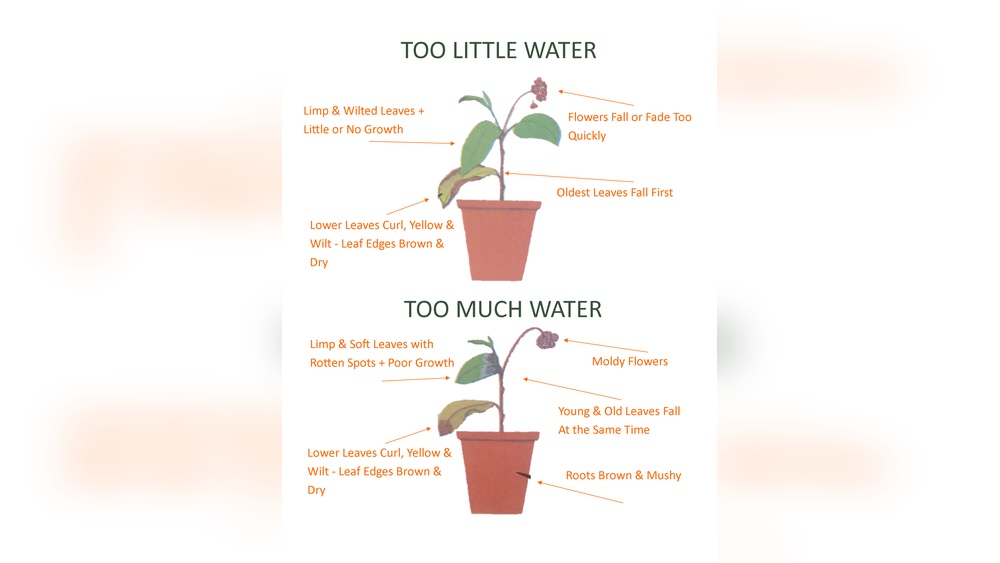
Overwatering is a common mistake that harms plants more than underwatering. Recognizing the symptoms of overwatered plants helps save them early. These signs show the plant is stressed and needs care changes.
Yellowing Leaves And Wilting
Leaves turn yellow when roots get too much water. Excess moisture stops roots from absorbing nutrients. Wilting happens even if soil looks wet. The plant loses strength and droops.
Stunted Growth Signs
Overwatered plants grow slower or stop growing. New leaves may be smaller than normal. Roots suffocate and cannot support healthy growth. Lack of oxygen in soil limits root function.
Mushy Stems And Roots
Too much water causes stems and roots to become soft. Mushy texture means root rot has started. Roots may smell bad or look dark and slimy. This condition blocks water and nutrient flow.
Soil Mold And Fungus Gnats
Wet soil encourages mold growth on the surface. Mold appears as white or gray fuzzy patches. Fungus gnats thrive in moist soil and fly around plants. These pests harm the roots and spread disease.
Leaf Blisters And Water-soaked Spots
Leaves develop blisters or water-soaked spots under excess watering. These spots look wet or translucent. The damage occurs from water trapped inside leaf cells. This weakens the plant’s leaf structure.
Why Overwatering Is More Deadly Than Underwatering
Overwatering a plant can cause serious harm quickly. It often kills plants faster than underwatering. Too much water fills the soil with no air. Plant roots need air to survive and grow. When roots drown, they lose strength and die. This creates a chain reaction that harms the entire plant.
Plants struggling in wet soil are more prone to diseases. Their weakened state invites fungi and bacteria. These harmful agents attack damaged roots and spread. The plant cannot absorb nutrients properly anymore. This leads to yellow leaves and slow growth. Eventually, the plant may die from this stress.
Oxygen Deprivation: Roots Need Air To Breathe
Plant roots perform cellular respiration to live. They need oxygen from air pockets in the soil. Waterlogged soil removes these air spaces. Roots become starved of oxygen and suffocate. Without oxygen, roots cannot absorb water or nutrients. This causes the plant to weaken quickly.
Root Rot: The Silent Killer
Wet soil invites harmful fungi and bacteria. These pathogens attack oxygen-starved roots. Root rot develops and spreads fast underground. Damaged roots die and lose their function. The plant loses stability and nutrient uptake. Root rot often causes permanent plant damage.
Nutrient Loss: Too Much Water Washes Them Away
Soil nutrients dissolve in water to feed plants. Excessive watering flushes these nutrients out. The plant cannot access enough food for growth. Deficiency signs show in leaves and stems. This weakens the plant and slows recovery.
Credit: www.gardeningknowhow.com
How To Detect Overwatering Early
Detecting overwatering early is vital to save your plant. Overwatering can harm roots and stunt growth. Catching signs fast helps prevent serious damage.
Checking Soil Moisture Levels
Soil moisture is the best way to spot overwatering. Stick your finger about one inch deep into the soil. If it feels wet or soggy, hold off watering. Dry soil means the plant needs water. Avoid guessing; test the soil regularly.
Observing Plant Behavior
Plants show clear signs when overwatered. Look for yellow or wilted leaves. Leaves may turn soft or drop easily. New growth might slow or stop. Roots may smell rotten if checked carefully. These symptoms mean the plant is stressed by too much water.
Using Proper Tools
Tools help measure soil moisture more accurately. A moisture meter provides quick, reliable readings. Insert it into the soil near roots. Some meters show dry, moist, or wet zones. Use these tools to avoid watering mistakes and keep plants healthy.
Prevention Tips For Overwatering
Preventing overwatering is key to keeping plants healthy and vibrant. Excess water can harm roots and slow growth. Follow these simple tips to avoid drowning your plants and help them thrive.
Water Only When Soil Is Dry
Check soil moisture before watering. Insert your finger about an inch deep. If it feels dry, it is time to water. Avoid watering on a fixed schedule. Each plant and pot dry out differently.
Ensure Proper Drainage
Use pots with drainage holes. These allow excess water to escape. Standing water can cause root rot and kill the plant. Empty saucers under pots after watering. This stops water from sitting at the bottom.
Choose Suitable Potting Mix
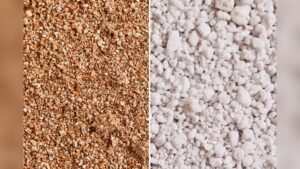
Select a potting mix that drains well. Avoid heavy garden soil that holds too much water. Mixes with peat, perlite, or sand improve airflow and drainage. This keeps roots healthy and prevents soggy soil.
Adjust Watering For Plant Type
Different plants have different water needs. Succulents and cacti need less water than ferns. Learn about your plant’s preferred moisture level. Water accordingly to avoid overwatering or underwatering.

Credit: www.amazon.com
Steps To Save Overwatered Plants
Saving an overwatered plant takes careful steps and patience. The goal is to help roots get oxygen and stop root rot. Acting quickly improves the plant’s chance of recovery. Follow these easy steps to bring your plant back to health.
Drying Out The Soil
Remove the plant from its usual place. Let the soil dry completely before watering again. Avoid watering until the top inch of soil feels dry. Use a fan or place the plant in a warm spot to speed drying. Dry soil helps roots breathe and stops fungal growth.
Repotting And Root Care
Gently remove the plant from its pot. Check roots for softness or bad smell—signs of rot. Trim away any mushy or black roots with clean scissors. Use fresh, well-draining soil and a clean pot with drainage holes. Repotting helps remove harmful fungi and gives roots space to heal.
Improving Air Circulation
Good air flow keeps soil surface dry and limits mold growth. Place your plant where air moves freely but not in strong drafts. Avoid overcrowding plants together. Use a small fan if indoor air is still. Better air circulation reduces moisture and helps the plant recover faster.
Using Fungicides When Needed
Root rot fungi can harm plants deeply. Use a mild fungicide if rot is severe. Follow product instructions carefully to avoid damage. Fungicides stop fungal spread and protect healthy roots. Only use fungicides as a last step after drying and repotting.
Common Myths About Watering Plants
Watering plants seems simple, but many myths confuse gardeners. These myths can harm plants if believed without question. Understanding the truth helps keep plants healthy and thriving. Let’s explore some common myths about watering plants.
More Water Means Healthier Plants
Many think plants grow better with extra water. In reality, too much water harms plants. Overwatering fills soil with water, leaving no air for roots. Roots need air to breathe and grow strong. Without oxygen, roots die and plants weaken. Giving just enough water is best for plant health.
Plants Can Survive Constant Rain
Plants often face rain, but constant rain can be deadly. Soil stays soggy, and roots cannot get oxygen. This causes root rot and other diseases. Some plants tolerate wet soil better, but most need dry periods. Proper drainage helps plants survive rainy spells without damage.
Wilting Always Means Thirst
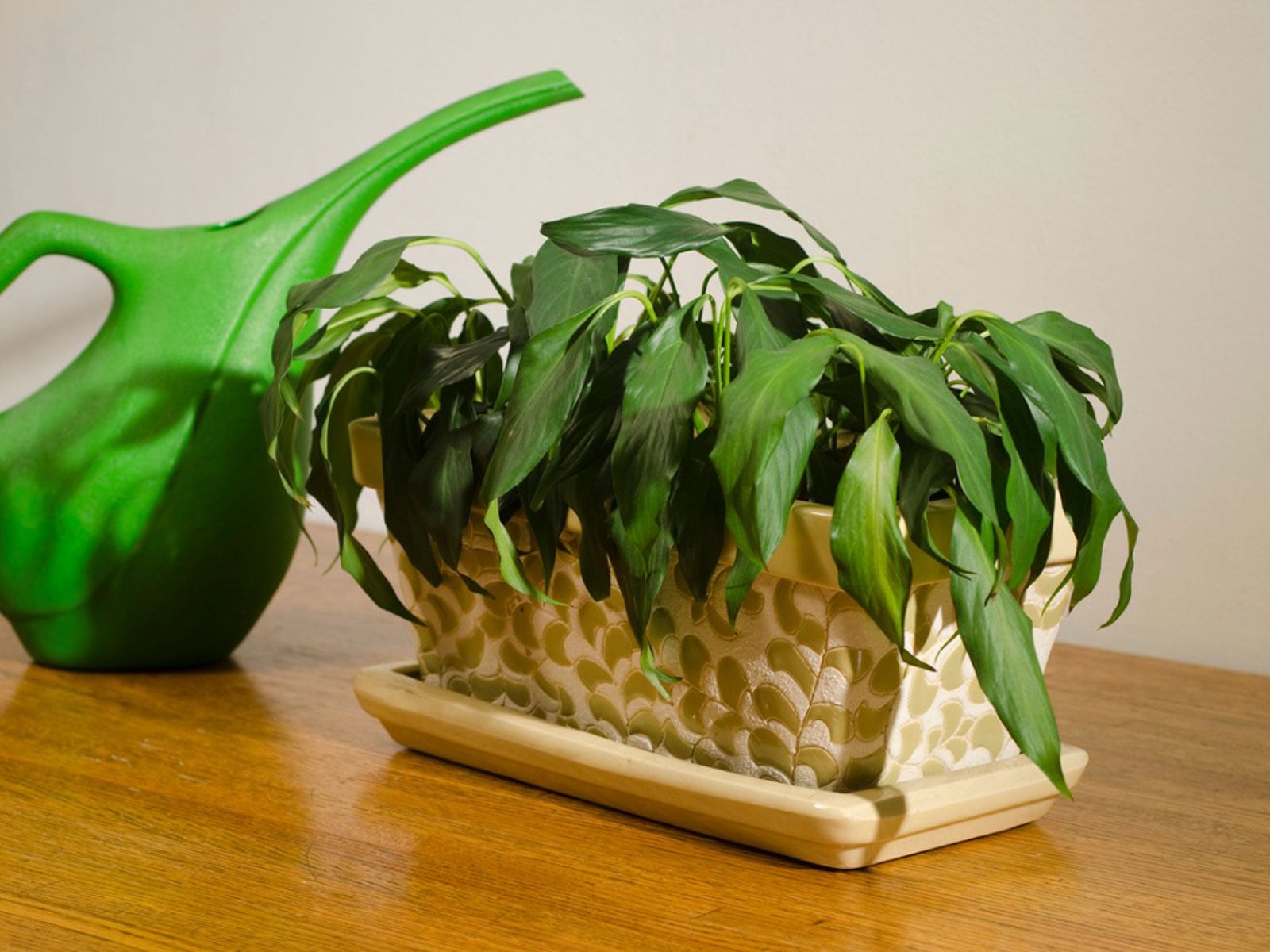
Wilting often signals a thirsty plant, but not always. Wilting can also mean too much water is harming roots. Overwatered roots cannot take up water properly. This causes the plant to droop despite wet soil. Check soil moisture before watering a wilted plant.

Credit: www.plantscapelive.com
Frequently Asked Questions
Can You Kill A Plant By Watering It Too Much?
Yes, overwatering can kill plants by suffocating roots, causing root rot, nutrient loss, and stunted growth. Always ensure proper drainage and let soil dry between waterings.
Can Plants Recover From Too Much Water?
Yes, plants can recover from overwatering if you improve drainage and let the soil dry. Remove damaged roots promptly.
How Do You Tell If You Overwatered A Plant?
Yellowing leaves, wilting despite wet soil, mushy stems or roots, and mold on soil indicate overwatering. Roots may rot without oxygen.
How Long Does Plant Shock Last?
Plant shock usually lasts one to two weeks for mild cases. Severe shock in large plants or trees can take several weeks to months to recover.
Conclusion
Overwatering can seriously harm or kill your plant. Roots need air to stay healthy. Too much water fills soil, blocking oxygen. This causes root rot and weakens the plant. Yellow leaves and slow growth often follow. Watch your plant’s soil moisture carefully.
Let soil dry between waterings for best health. Proper watering helps plants thrive and stay strong. Remember, balance is key to a happy, healthy plant.