Can Plants Be Watered at Night: Truths Every Gardener Must Know
Have you ever wondered if watering your plants at night is a good idea? You might think it’s convenient to give your garden a drink after a long day, but could this habit be harming your plants instead?
The truth is, when and how you water can make a big difference in their health and growth. You’ll discover the surprising effects of nighttime watering, common mistakes to avoid, and expert tips to keep your plants thriving. Keep reading to find out if watering your plants at night is a smart move—or if there’s a better time to help your green friends flourish.
Watering Times Compared
Choosing the best time to water plants affects their health and growth. Different times have unique effects on how plants absorb water and resist diseases. Comparing morning, evening, and midday watering helps find the best routine for your garden.
Morning Benefits
Watering plants in the morning gives them a full day to absorb moisture. The sun warms the soil, helping water reach roots quickly. Leaves dry faster, reducing the chance of fungal infections. Plants start the day hydrated and strong. Morning watering supports healthy growth and prevents disease.
Evening Advantages
Evening watering cools the plants after a hot day. It reduces water loss from evaporation. Soil stays moist longer, helping roots soak in more water. This timing is gentle on plants during heat stress. Evening watering can help plants recover, especially in dry climates.
Midday Drawbacks
Watering at midday wastes water through quick evaporation. The sun can burn wet leaves, causing damage. Plants may lose moisture faster than they absorb it. Midday watering stresses plants instead of helping them. This time is the least effective for healthy watering.
Credit: www.ourhouseplants.com
Risks Of Night Watering
Watering plants at night can seem convenient, but it carries certain risks. These risks can harm plant health and garden productivity. Understanding these issues helps gardeners make better watering choices. Here are some common problems linked to watering plants after dark.
Fungal Growth And Diseases
Water on leaves stays wet longer at night. Damp leaves create a perfect place for fungi to grow. This can lead to diseases like powdery mildew and leaf spot. Fungal infections weaken plants and reduce their growth. Watering in the morning allows leaves to dry quickly in the sun, lowering disease chances.
Pest Attraction
Wet plants attract pests such as slugs and snails. These pests feed on leaves and stems, damaging plants. Moist environments also encourage insects like mosquitoes to breed. Night watering can increase pest problems, making pest control harder. Keeping plants dry overnight helps reduce pest visits.
Soil Moisture Issues
Soil stays wet longer after night watering. Excess moisture can cause roots to rot and suffocate. Poorly drained soil traps water, harming root health. Overly wet soil also reduces oxygen available to roots. Watering earlier in the day lets soil dry evenly and keeps roots healthy.
When Night Watering Works
Watering plants at night is often debated among gardeners. While many suggest morning watering, there are times when night watering can be beneficial. Understanding when night watering works helps keep plants healthy and thriving.
Indoor Plants
Indoor plants usually benefit from night watering more than outdoor ones. They do not face direct sunlight, so water loss is slower. Night watering can keep soil moist longer inside homes. It also prevents quick evaporation that happens during the day. Just avoid overwatering, which can cause root rot in pots.
Emergency Situations
Sometimes plants need water urgently, regardless of time. During heatwaves or drought, watering at night saves plants from drying out. Night watering cools the soil and helps roots absorb water better. This method works well if you miss morning watering or if the day is too hot.
Climate Considerations
Climate plays a big role in choosing watering time. In hot, dry areas, night watering reduces water evaporation. It helps plants keep moisture longer through cool nights. In humid climates, watering at night might increase disease risks. Check your local weather and adjust watering times accordingly.
Plant Types And Watering Needs
Different types of plants have unique watering needs. Understanding these needs helps in choosing the best watering time. Some plants prefer dry conditions, while others need more moisture. The right watering routine keeps plants healthy and strong. Night watering may affect plants differently based on their type.
Succulents And Cacti
Succulents and cacti store water in their leaves and stems. They need very little water and prefer dry soil. Watering them at night can cause the soil to stay wet too long. This might lead to root rot. Water these plants early in the day to let the soil dry out by night.
Tropical Plants
Tropical plants enjoy warm and humid conditions. They need regular watering to stay healthy. Night watering can work for tropical plants if done carefully. Water the soil, not the leaves, to prevent fungal diseases. The warm night air helps them absorb moisture without losing much water.
Vegetable Gardens
Vegetables need consistent moisture for good growth. Watering at night can cause water to sit on leaves. This can promote mold and pests in vegetable gardens. Early morning watering is best to let leaves dry quickly. This keeps vegetables fresh and reduces disease risk.
Techniques To Minimize Night Watering Risks
Watering plants at night can be risky if not done properly. Moisture can linger longer, inviting pests and diseases. Using smart techniques reduces these risks and keeps plants healthy. Focus on watering methods that limit wetness on leaves and soil surface. This helps plants absorb water efficiently while avoiding fungal issues.
Watering At Soil Level
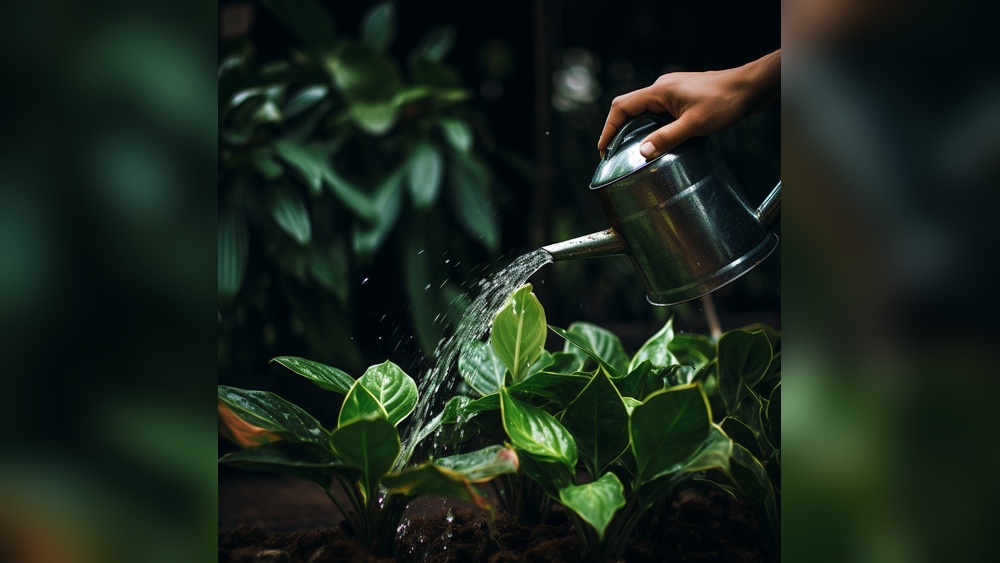
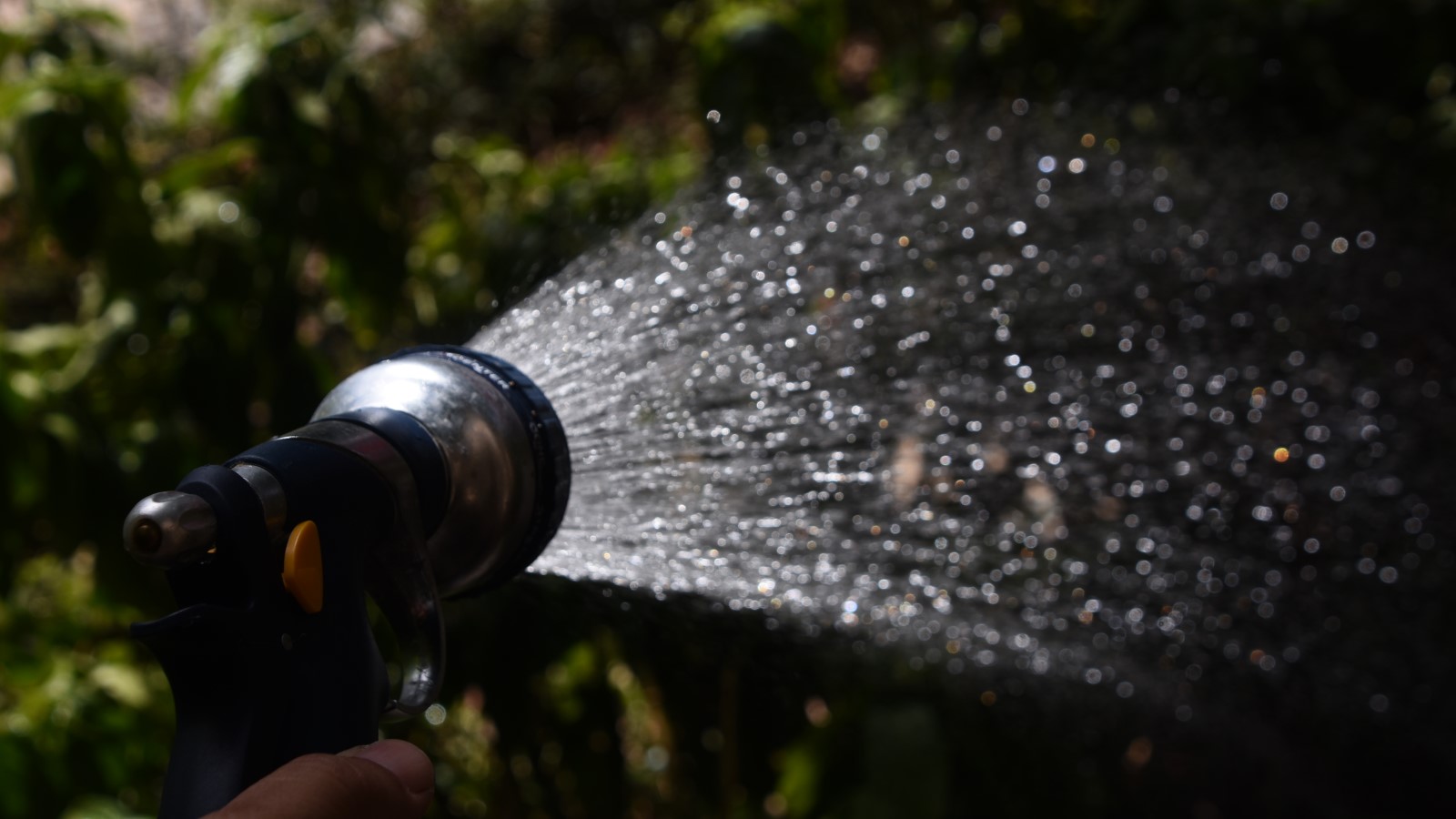
Direct water to the soil, not the leaves. This approach keeps the foliage dry and lowers disease chances. Watering at soil level helps roots absorb moisture faster. Use a watering can or hose nozzle aimed at the base of the plant. Avoid splashing water on leaves, which stay wet longer at night.
Avoiding Wet Leaves
Wet leaves during cool nights encourage mold and mildew growth. Prevent this by watering early if possible. If watering at night, aim carefully to keep leaves dry. Use gentle watering techniques that do not spray water high. Dry leaves promote better plant health and reduce fungal problems.
Using Drip Irrigation
Drip irrigation delivers water slowly at the soil surface. It minimizes water contact with leaves and stems. This system saves water and reduces fungal risks caused by wet foliage. Drip irrigation works well for nighttime watering. It ensures steady moisture while keeping plants dry above ground.
Climate Impact On Watering Schedule
The climate plays a crucial role in deciding the best time to water plants. Different weather conditions affect how plants absorb and use water. Understanding these factors helps create an effective watering schedule. This knowledge improves plant health and conserves water.
Humidity Effects
Humidity levels influence how fast water evaporates from soil. In high humidity, water stays longer on leaves and soil. This can increase the risk of fungal diseases at night. Low humidity causes quick drying, so plants may need more frequent watering. Adjust watering times based on the humidity to protect plants.
Temperature Variations
Temperature changes affect plant water needs. Hot temperatures increase evaporation and plant transpiration. Watering in the cooler parts of the day helps reduce water loss. At night, temperatures drop, so water stays longer in the soil. But very cold nights can harm roots if soil stays too wet. Monitor temperature to choose the right watering time.
Seasonal Changes
Seasons bring different weather patterns that impact watering. In summer, plants need more water due to heat and sun. Morning or evening watering helps prevent water waste. In winter, plants need less water as growth slows down. Soil also takes longer to dry. Changing watering schedules with seasons keeps plants healthy year-round.
Signs Of Overwatering And Underwatering
Knowing the signs of overwatering and underwatering helps keep plants healthy. Both conditions stress plants and slow growth. Spotting these signs early allows quick action to save your plants.
Leaf Discoloration
Yellow leaves often signal too much water. Overwatered plants lose oxygen in the roots. Brown edges or spots usually mean not enough water. Dry, crispy leaves show plant dehydration. Check leaf color to understand plant needs.
Wilting And Drooping
Wilting can mean overwatering or underwatering. Overwatered plants may feel soft and limp. Underwatered plants look dry and brittle. Touch the soil to help tell the difference. Wilting signals stress and needs attention fast.
Soil Condition
Wet, soggy soil points to overwatering. Roots may rot without air. Dry, cracked soil means underwatering. Soil that pulls away from the pot edges needs water. Good soil moisture keeps plants strong and growing well.
Credit: www.reddit.com
Tools To Optimize Watering
Using the right tools can help you water plants more efficiently. These tools save water, protect plants, and reduce effort. They also help you decide the best time and amount of watering. Let’s explore some tools that optimize watering, especially if you water plants at night.
Soil Moisture Sensors
Soil moisture sensors measure how much water is in the soil. They send real-time data to you or an automated system. This stops overwatering and underwatering. Sensors help keep soil moist without wasting water. They are useful for both indoor and outdoor plants.
Timers And Automated Systems
Timers control when and how long watering happens. Automated systems can water plants at night or early morning. They ensure consistent watering schedules. These tools reduce guesswork and save time. You can set timers to avoid watering during hot daytime hours.
Rainwater Harvesting
Rainwater harvesting collects and stores rainwater for later use. It is eco-friendly and reduces reliance on tap water. Using rainwater benefits plants with natural nutrients. Systems can include barrels or more complex setups. This tool fits well with watering at night since stored water is ready anytime.
Credit: www.homesandgardens.com
Frequently Asked Questions
Is It Good To Water The Plants At Night?
Watering plants at night can increase the risk of fungal diseases due to wet leaves. Early morning watering is best.
What Time Is Too Late To Water Plants?
Watering plants too late in the evening risks leaves staying wet overnight, promoting mold and fungal diseases. Avoid watering after sunset. Early morning watering is best for healthy growth.
Can Plants Be Watered At Night Safely?
Yes, plants can be watered at night, but it may increase the risk of fungal diseases. Night watering keeps leaves wet longer, promoting mold. Early morning watering is generally safer as plants dry quickly in sunlight.
Why Is Morning Watering Better Than Night?
Morning watering allows plants to absorb moisture before heat arrives. Leaves dry faster, reducing disease risk. It also supports photosynthesis efficiently during the day, promoting healthy growth.
Conclusion
Watering plants at night can work but has some risks. Wet leaves overnight may cause mold and pests. Morning watering helps plants absorb water and dry quickly. Evening watering is okay if done early enough. Always check your plant’s needs and local climate.
Proper watering helps plants stay healthy and strong. Choose the best time to water for your garden’s success. Remember, careful watering matters more than the hour you pick.