Can Mold Grow in a Vacuum Sealed Bag? Shocking Truth Revealed!
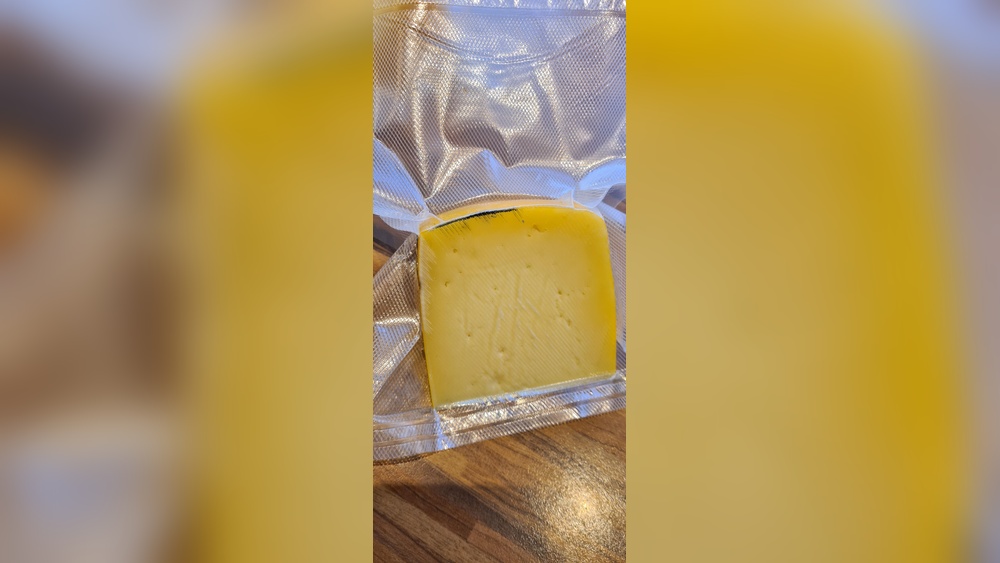
Have you ever wondered if mold can grow inside a vacuum sealed bag? You might think that sealing your clothes or food tightly, with all the air removed, would stop mold from ever forming.
But the truth is more surprising—and important for your health and belongings. Even though vacuum sealing removes most of the oxygen, mold can still find a way to grow if moisture or spores are trapped inside. If you want to keep your items truly safe and fresh, understanding how mold behaves in vacuum sealed bags is crucial.
Keep reading to discover what causes mold growth in these bags and how you can prevent it from ruining your stuff.
Mold Growth In Vacuum Sealed Bags
Mold growth inside vacuum sealed bags can happen despite the lack of air. These bags remove most oxygen but do not remove moisture fully. Mold needs moisture and organic material to grow, so if any dampness is trapped, mold can develop. Understanding the conditions that allow mold to grow helps in preventing it.
Role Of Moisture In Mold Development
Moisture is the main cause of mold growth in sealed bags. If items are not completely dry before sealing, water vapor stays inside. This trapped humidity creates a perfect environment for mold spores to grow. Vacuum sealing can trap moisture, making the bag a hidden mold incubator.
Impact Of Existing Mold Spores
Mold spores are everywhere in the air and on surfaces. If spores are on the items before sealing, they remain in the bag. Vacuum sealing does not kill spores; it only slows their growth. These spores can grow into mold colonies if moisture is present inside the bag.
Effect Of Imperfect Seals
Vacuum sealed bags must be airtight to prevent mold. A small gap or tear allows air and moisture to enter. This breaks the vacuum and creates conditions for mold growth. Imperfect seals also let fresh spores in, increasing the risk of mold inside the bag.
Anaerobic Bacteria Risks
Vacuum sealing removes oxygen, which stops many molds but not all bacteria. Some harmful anaerobic bacteria can grow without oxygen. These bacteria can spoil food and pose health risks. Proper drying and storage are essential to avoid both mold and bacteria.
Credit: www.shieldstorage.com
Factors Encouraging Mold Inside Vacuum Bags
Vacuum sealed bags reduce air but do not remove all risks. Mold can still grow if conditions inside the bag support it. Several factors encourage mold growth even inside these bags.
Understanding these factors helps prevent mold damage to stored items. Moisture, humidity, and oxygen levels all play a role in mold survival.
Residual Moisture Concerns
Moisture left on items before sealing is a major cause of mold. Even small amounts of water create a perfect environment for mold spores. Items must be fully dry before vacuum sealing.
Wet clothes, damp food, or unwashed surfaces trap moisture. This moisture cannot escape inside the sealed bag. It feeds mold and helps it grow quickly.
Trapped Humidity And Its Effects
Vacuum sealing removes air but can trap humidity inside. Humidity creates a damp atmosphere that supports mold growth. The sealed environment prevents moisture from drying out.
High humidity inside the bag gives mold spores the water they need. Over time, this causes visible mold and unpleasant odors. Proper drying and storage temperature control reduce humidity risks.
Oxygen Levels And Mold Survival
Vacuum bags reduce oxygen but do not eliminate it completely. Some mold species survive with very low oxygen. These molds can grow slowly even in sealed bags.
Low oxygen slows mold growth but does not stop it. Spores that enter before sealing remain active and can multiply. Ensuring a strong seal and dry conditions limits oxygen and mold survival chances.
Preventing Mold In Vacuum Sealed Storage
Preventing mold in vacuum sealed storage helps keep items safe and fresh. Mold grows when moisture and spores get trapped inside the bag. Proper steps reduce this risk significantly. Follow these tips to protect your belongings from mold growth.
Drying Items Thoroughly
Make sure items are completely dry before sealing. Even small amounts of moisture can cause mold. Use a towel or air dry items well. Avoid sealing damp clothes or food. Drying stops mold spores from growing inside the bag.
Using Desiccants For Moisture Control
Desiccants absorb extra moisture inside vacuum bags. Small packets of silica gel work well. Place them with your items before sealing the bag. They keep humidity low and prevent mold growth. Desiccants are easy and affordable moisture controllers.
Optimal Storage Conditions
Store vacuum sealed bags in cool, dry places. Warmth and humidity increase mold risk. Avoid basements or areas with poor ventilation. A dark, dry closet or shelf is best. Proper storage keeps bags mold-free longer.
Avoiding Overfilled Bags
Do not overfill vacuum bags. Overstuffed bags may not seal properly. Air pockets can trap moisture and spores. Leave enough space for the bag to seal tight. This helps maintain an airtight barrier against mold.
Detecting And Fixing Leaks
Check vacuum sealed bags for leaks regularly. Small holes let air and moisture inside. Inspect seals and edges carefully. Repair damaged bags or replace them immediately. A strong seal is key to mold prevention.

Credit: www.reddit.com
Limitations Of Vacuum Sealing For Certain Items
Vacuum sealing offers excellent protection for many items but has clear limits. Certain materials and foods do not fare well under vacuum pressure or sealed conditions. Understanding these limitations can help avoid damage and spoilage.
High-moisture Foods Vulnerability
Vacuum sealing removes air but traps moisture inside the bag. High-moisture foods like fresh fruits, vegetables, and raw meats often retain water. This moisture creates a perfect environment for mold to grow. Even without air, mold spores can thrive on damp surfaces. Freezing or drying these foods before sealing reduces this risk.
Delicate Fabrics And Compression Damage
Delicate fabrics such as silk, lace, or lace-trimmed items can get damaged by vacuum sealing. The strong suction compresses fibers, causing wrinkles, creases, or permanent deformation. Over time, this pressure weakens fabric fibers. It is best to avoid vacuum sealing delicate textiles or use protective layers to cushion them.
Clothing Types Unsuitable For Vacuum Sealing
Some clothing types do not handle vacuum sealing well. Items with natural fillers like down jackets lose loft and insulation when compressed. Wool garments can get misshaped or develop creases. Clothes with embellishments, beads, or sequins risk damage due to pressure. Store these items in breathable bags instead.
Vacuum Sealing And Fabric Care
Vacuum sealing clothes can save space and protect fabrics from dust. It removes air to slow down damage from oxygen and pests. Yet, it does not stop all risks. Moisture trapped inside bags can harm fabrics and cause mold growth. Proper care is needed to keep clothes safe and fresh.
Potential Damage To Clothes
Vacuum sealing can compress fabrics tightly. This may cause wrinkles and permanent creases. Some delicate materials like silk or wool may lose softness. Constant pressure can weaken fibers over time. Also, vacuum bags may trap oils and dirt on fabric, leading to stains. Clothes need to be clean and dry before sealing.
Moisture Issues In Fabric Storage
Moisture is the main cause of mold in vacuum bags. Even small dampness stays inside without airflow. This creates a perfect spot for mold to grow. Condensation can form if temperature changes after sealing. Wet clothes sealed inside will quickly develop mold and mildew. Always dry fabrics thoroughly before sealing to avoid moisture buildup.
Best Practices For Clothing Preservation
Wash and dry clothes completely before vacuum sealing. Use moisture absorbers like silica packets for extra protection. Store vacuum bags in a cool, dry place away from sunlight. Open bags periodically to let fresh air in and check fabrics. Avoid sealing delicate fabrics for long periods. Follow these steps to keep clothes fresh and mold-free.
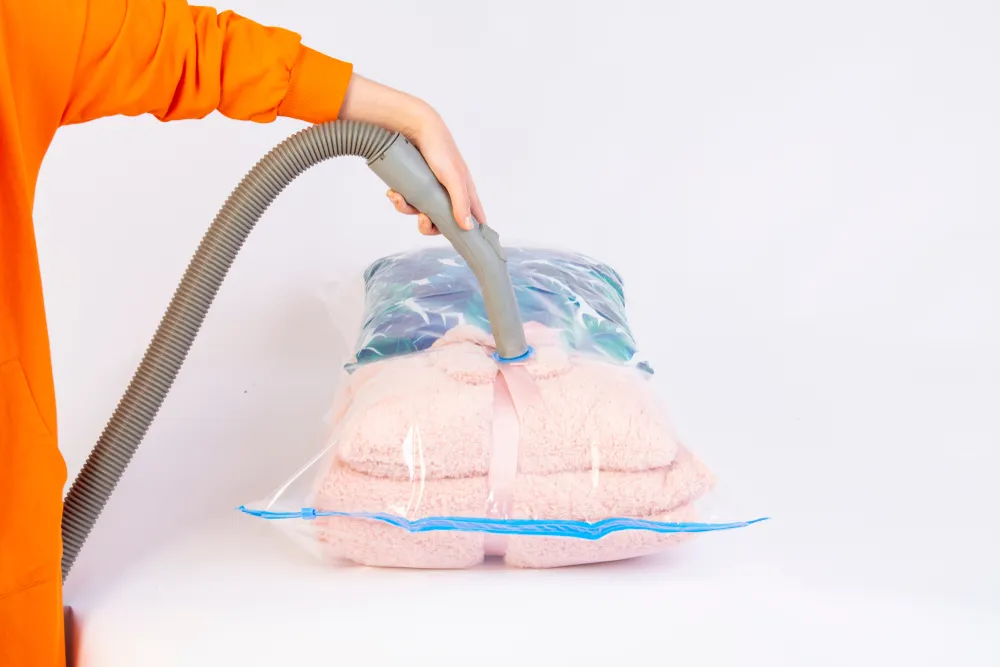
Credit: www.shieldstorage.com
Frequently Asked Questions
Can Mold Grow In A Vacuum Seal?
Yes, mold can grow in a vacuum seal if moisture remains or the seal is imperfect. Vacuum sealing slows mold but doesn’t stop it completely. Ensure items are dry and seals are tight to prevent mold growth inside vacuum-sealed bags.
Can Bacteria Grow In A Vacuum Sealed Bag?
Bacteria grow slowly in vacuum-sealed bags due to low oxygen. Some harmful bacteria thrive in low-oxygen conditions, so risks remain.
Does Vacuum Sealing Money Prevent Mold?
Vacuum sealing money reduces air and moisture exposure, slowing mold growth. Ensure bills are fully dry before sealing to prevent mold.
Can Mold Grow In A Plastic Bag?
Yes, mold can grow in plastic bags if moisture and mold spores are present. Moist, sealed environments encourage mold growth.
Conclusion
Mold can grow inside vacuum sealed bags if moisture remains. Keeping items fully dry before sealing helps prevent mold growth. A tight, complete seal reduces air and moisture entry. Check bags regularly for any signs of mold or damage. Proper storage and drying habits keep your items safe and mold-free.
Vacuum sealing slows mold but does not stop it completely. Stay cautious and maintain cleanliness to protect your belongings well.