Can I Use Vermiculite Instead of Perlite: Expert Guide Revealed
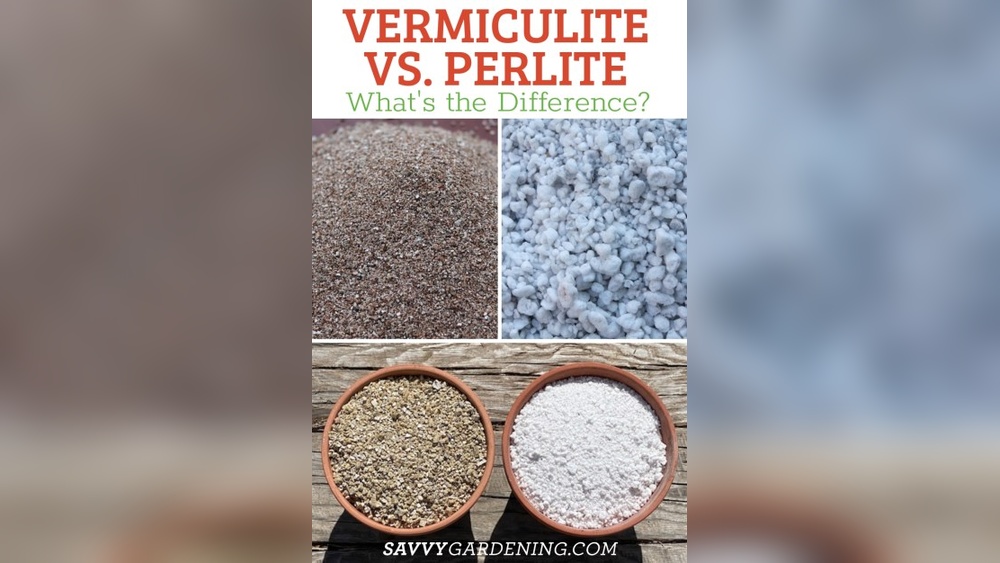
Are you wondering if vermiculite can replace perlite in your gardening mix? It’s a common question because both materials look similar and are used to improve soil.
But before you swap one for the other, it’s important to understand how they work and what your plants really need. Using the wrong soil amendment can affect water retention, root health, and overall plant growth. You’ll discover the key differences between vermiculite and perlite, when you can use them interchangeably, and why choosing the right one matters for your garden’s success.
Vermiculite Vs Perlite
Vermiculite and perlite are popular soil additives used by gardeners. Each has unique traits that affect plant growth. Understanding their differences helps choose the right one for your needs. This section breaks down their physical properties, water retention, and drainage features.
Physical Properties
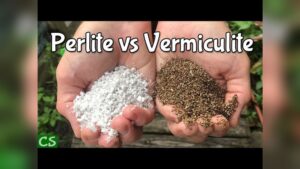
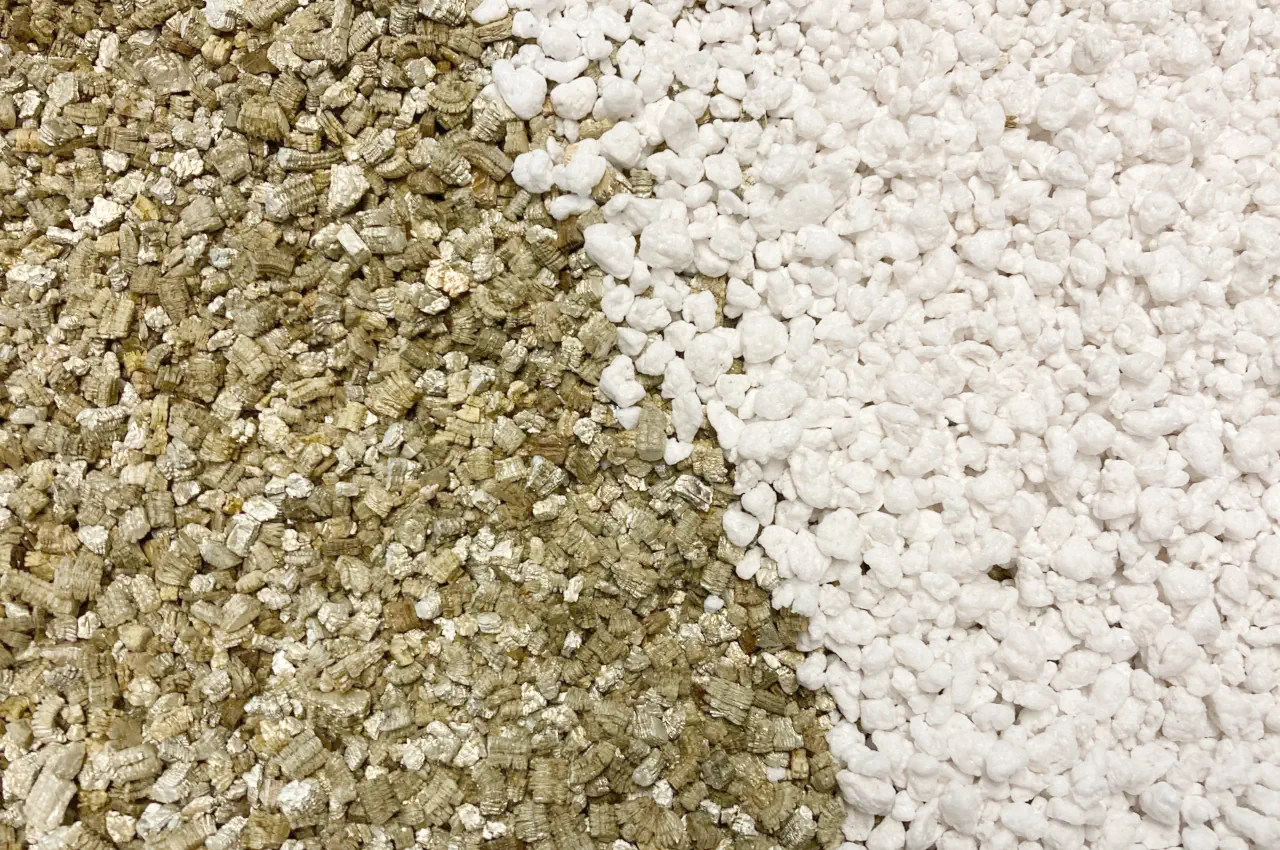
Vermiculite looks like small, flat flakes that expand when heated. It is soft and lightweight. Perlite appears as tiny white, round balls. It is also light but more rigid than vermiculite. Both come from natural minerals but have different textures. Vermiculite feels spongy, while perlite feels rough and porous.
Water Retention Differences
Vermiculite holds water well. It absorbs moisture and releases it slowly to plant roots. This makes it good for plants needing steady moisture. Perlite does not hold much water. It lets water drain quickly and keeps soil from becoming soggy. It suits plants that prefer drier soil conditions.
Aeration And Drainage
Perlite improves soil aeration by creating air pockets. This helps roots get oxygen and prevents soil compaction. It also boosts drainage, avoiding water buildup around roots. Vermiculite provides less air space because it retains more water. It drains slower but supports nutrient retention better than perlite.
When To Use Vermiculite
Vermiculite works best in situations where moisture retention matters. It absorbs water and holds it near plant roots. This quality makes it a good choice for certain plants and growing methods. Knowing when to use vermiculite helps you get the most from your soil mix.
Benefits For Moisture-loving Plants
Vermiculite keeps soil moist longer than perlite. It suits plants that like steady moisture. Ferns, begonias, and peace lilies thrive with vermiculite. It prevents soil from drying out too fast. This helps roots stay healthy and grow strong.
Best Soil Mixes For Vermiculite
Mix vermiculite with peat moss or coco coir for balanced moisture. It works well in potting soil blends for indoor plants. Vermiculite improves nutrient retention too. Use it in mixes for tropical plants and houseplants. Avoid heavy use with succulents or cacti.
Seed Germination And Propagation
Vermiculite creates a soft, moist environment for seeds. It helps delicate roots grow without damage. Many gardeners use vermiculite for starting seeds or cuttings. It holds water and air around the seedling. This promotes faster and healthier growth.
When To Use Perlite
Perlite is a popular soil amendment used to improve growing conditions for many plants. It works best in specific situations where soil drainage and aeration are key. Knowing when to use perlite helps gardeners create healthier environments for roots to thrive.
Ideal Plants For Perlite
Perlite suits plants that prefer well-drained soil. Succulents and cacti benefit from it because it prevents water from sitting around roots. Orchids and other epiphytes also like perlite’s airy texture. Houseplants such as pothos and philodendrons grow better with perlite mixed in.
Improving Soil Drainage
Perlite improves drainage by creating air pockets in the soil. These pockets allow excess water to flow out quickly. This reduces the chance of root rot and fungal infections. It is especially useful in heavy clay or dense soil that tends to hold water.
Lightweight Soil Mixes
Perlite is very light, making soil mixes less dense and easier to handle. This helps container plants stay light and portable. It also prevents soil compaction, keeping roots loose and healthy. Seed starting mixes often use perlite to create a soft, light medium for young roots.

Credit: www.gardening4joy.com
Plants That Avoid Vermiculite
Some plants do not thrive in vermiculite-rich soil. Vermiculite holds water well. This trait suits many plants but harms others. Plants that need dry or fast-draining soil avoid vermiculite. Understanding which plants dislike vermiculite helps in choosing the right soil mix.
Drought-tolerant Species
Drought-tolerant plants store water in their tissues. They need soil that dries quickly. Vermiculite’s water retention can cause root problems. These plants suffer from soggy soil conditions. Good drainage is essential for their health.
Succulents And Cacti
Succulents and cacti store water in leaves and stems. They grow best in sandy, well-drained soil. Vermiculite holds too much moisture for them. Excess water can lead to root rot. Perlite or pumice suits their soil needs better.
Herbs Preferring Dry Soil
Some herbs, like rosemary and thyme, prefer dry soil. They do not like constant moisture around roots. Vermiculite keeps soil damp for too long. This can cause fungal diseases. Herbs that need dry soil grow best with perlite mixes.
Risks Of Using Vermiculite
Using vermiculite instead of perlite may cause problems in your garden. Vermiculite holds more water than perlite. This can lead to excess moisture around plant roots. Understanding these risks helps you decide if vermiculite suits your plants.
Excess Moisture Retention
Vermiculite absorbs and holds water like a sponge. It keeps the soil damp for a long time. This can be too much moisture for many plants. Excess water slows down oxygen flow to roots. Roots need air to stay healthy and grow strong.
Root Rot And Fungal Issues
Wet soil from vermiculite creates a perfect place for fungi. Fungal infections attack plant roots, causing root rot. Root rot damages roots and stops plants from taking nutrients. This can kill your plants over time. Well-drained soil helps prevent these problems.
Poor Conditions For Dry-loving Plants
Plants like cacti and succulents need dry soil to thrive. Vermiculite keeps soil too wet for these plants. This moisture can make dry-loving plants sick or die. Perlite is better for plants that need sharp drainage. It helps water flow quickly and keeps soil dry.
Alternatives To Vermiculite
Finding the right soil amendment can make a big difference in your plant’s health. Vermiculite is popular for moisture retention, but some plants need alternatives. These options improve drainage and aeration, helping roots breathe and avoid soggy soil. Here are some common substitutes that work well instead of vermiculite.
Perlite Advantages
Perlite is a lightweight volcanic glass. It improves soil drainage and aeration. It does not hold much water, which helps prevent root rot. Perlite also helps keep soil loose and fluffy. It is ideal for plants that need quick drying soil. Using perlite encourages healthy root growth by increasing oxygen availability.
Pumice As A Substitute
Pumice is a natural volcanic rock. It is porous and retains some moisture but drains well. Pumice breaks down slowly, so it lasts long in soil. It adds weight to pots, preventing them from tipping over. Pumice is excellent for succulents and cacti that need fast drainage. This alternative also improves soil aeration and root health.
Sandy Soil For Fast Drainage
Sandy soil helps water move quickly through the soil. It is coarse and does not hold water well. Adding sand to your mix improves drainage significantly. This prevents water from pooling around roots. Sandy soil is useful for drought-tolerant plants like agave and aloe. It helps create a dry environment that these plants prefer.
Can You Substitute Vermiculite For Perlite?
Choosing between vermiculite and perlite often confuses gardeners and plant lovers. Both are popular soil additives but serve different purposes. Understanding whether vermiculite can replace perlite helps you make the right choice for your plants. This section explores the possibilities and limits of swapping vermiculite for perlite in your garden.
Situations Allowing Interchange
Vermiculite and perlite both improve soil structure. Vermiculite holds water and nutrients well. Perlite improves drainage and aeration. You can substitute vermiculite for perlite in seed starting mixes. It works for plants needing moisture retention. Use vermiculite in indoor plants requiring steady moisture. This swap helps if perlite is unavailable. Always check plant water needs before switching.
Weight Considerations In Soil Mixes
Vermiculite is heavier than perlite. Adding vermiculite increases soil weight noticeably. Perlite is light and airy, good for container gardening. Heavy soil can stress plant roots. Use less vermiculite to avoid compacted soil. Adjust your soil recipe based on plant size and pot strength. Consider weight when mixing for hanging baskets or large containers.
Limitations Of Substitution
Vermiculite holds moisture, perlite drains water fast. Using vermiculite instead of perlite can cause overwatering. Avoid vermiculite for drought-loving plants like cacti. Some plants need fast-draining soil for healthy roots. Vermiculite may cause root rot in these cases. Perlite also creates air pockets for root oxygen. Vermiculite lacks this feature. Choose based on plant type and soil needs.
Credit: www.simplyseed.co.uk
Choosing The Right Amendment
Choosing the right soil amendment is key to healthy plant growth. Different plants have unique needs. Understanding these needs helps you pick vermiculite, perlite, or both. This choice affects soil moisture, aeration, and nutrient retention.
Proper amendments improve root health and overall plant vigor. Consider the type of plant and its natural habitat. This guide helps you match soil amendments to your plants’ needs.
Matching Soil Needs To Plants
Some plants thrive in moist soil, while others prefer dry conditions. Vermiculite holds water well, good for moisture-loving plants. Perlite drains quickly, ideal for drought-tolerant species. Knowing your plant’s preference guides your amendment choice. For example, ferns enjoy vermiculite-rich soil. Cacti and succulents need perlite to avoid root rot.
Balancing Moisture And Aeration
Soil must retain moisture but allow air to reach roots. Vermiculite helps keep soil moist longer. Perlite increases soil aeration and drainage. Too much moisture can harm roots. Too little air can stunt growth. The right balance supports healthy roots and growth.
Combining Vermiculite And Perlite
Mixing both amendments creates balanced soil. Vermiculite retains water and nutrients. Perlite improves airflow and prevents compaction. Use a mix for plants with medium water needs. This blend suits many houseplants and garden crops. Adjust ratios based on plant type and climate.
:max_bytes(150000):strip_icc()/SPR-vermiculite-vs-perlite-6455754-hero-1a2d3e14e0584fbaa4a990ebef1d494b.jpg)
Credit: www.thespruce.com
Frequently Asked Questions
What Plants Do Not Like Vermiculite?
Plants that dislike vermiculite include drought-tolerant species like cacti, succulents, agave, and aloe vera. They need fast-draining soil, as vermiculite retains too much moisture, increasing root rot risk. Choose perlite, pumice, or sandy soil instead for better drainage and healthier roots.
Can You Substitute Vermiculite For Perlite?
You can substitute vermiculite for perlite, but vermiculite retains more moisture and reduces drainage. Choose vermiculite for moisture-loving plants and perlite for drought-tolerant species. Use perlite to improve aeration and prevent root rot in plants needing fast drainage.
What Can I Use If I Don’t Have Perlite?
Use vermiculite, pumice, or coarse sand as perlite substitutes for better soil aeration and drainage.
What Happens When Vermiculite Gets Wet?
Vermiculite absorbs and retains water when wet, improving moisture retention in soil. It swells slightly and holds nutrients well.
Conclusion
Choosing between vermiculite and perlite depends on your plant’s needs. Vermiculite holds water well and suits moisture-loving plants. Perlite improves drainage and works better for drought-tolerant species. Using vermiculite instead of perlite can cause root problems in plants needing dry soil.
Think about how much water your plants require before deciding. Each has unique benefits, so pick the one that fits your garden best. This way, your plants will grow healthy and strong.