Can I Use Perlite Instead of Vermiculite? Expert Tips Revealed
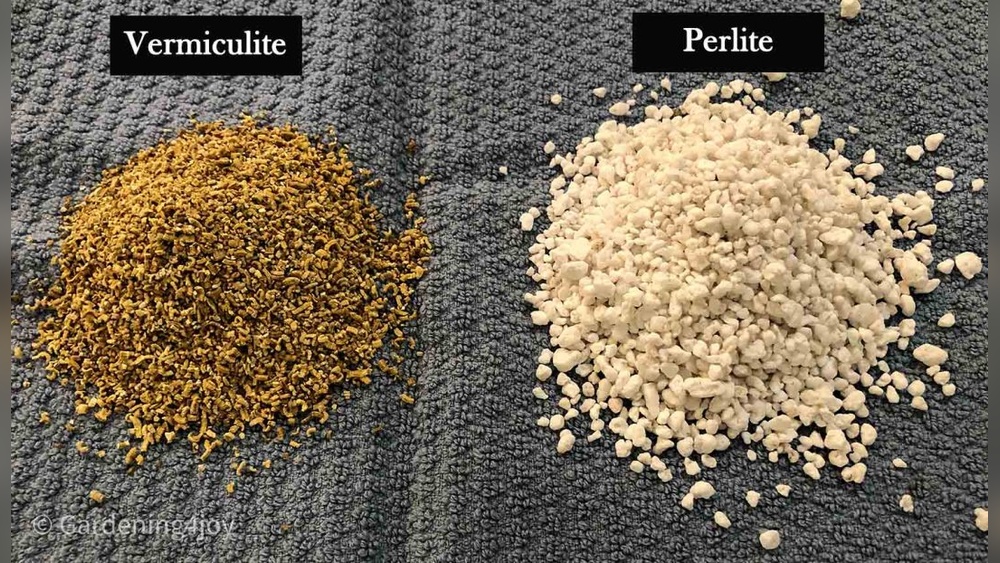
Are you wondering if you can swap perlite for vermiculite in your gardening projects? You’re not alone—many gardeners face this question when mixing soil or starting seeds.
Both perlite and vermiculite are popular soil amendments, but they serve different purposes. Choosing the right one can make a big difference in how well your plants grow. You’ll discover the key differences between perlite and vermiculite, when each works best, and smart alternatives if you’re out of one or the other.
Keep reading to make sure your plants get exactly what they need to thrive.
:max_bytes(150000):strip_icc()/SPR-vermiculite-vs-perlite-6455754-hero-1a2d3e14e0584fbaa4a990ebef1d494b.jpg)
Credit: www.thespruce.com
Perlite And Vermiculite Basics
Understanding the basics of perlite and vermiculite helps decide which to use in gardening. Both materials improve soil but serve different roles. Knowing their origins and physical traits clarifies their best uses.
Origins And Composition
Perlite is a volcanic glass formed by rapid cooling of lava. It expands when heated, creating lightweight, porous particles. Vermiculite is a mineral from mica that heats and expands into layered, sponge-like flakes. Both come from natural sources but differ in makeup and structure.
Physical Properties
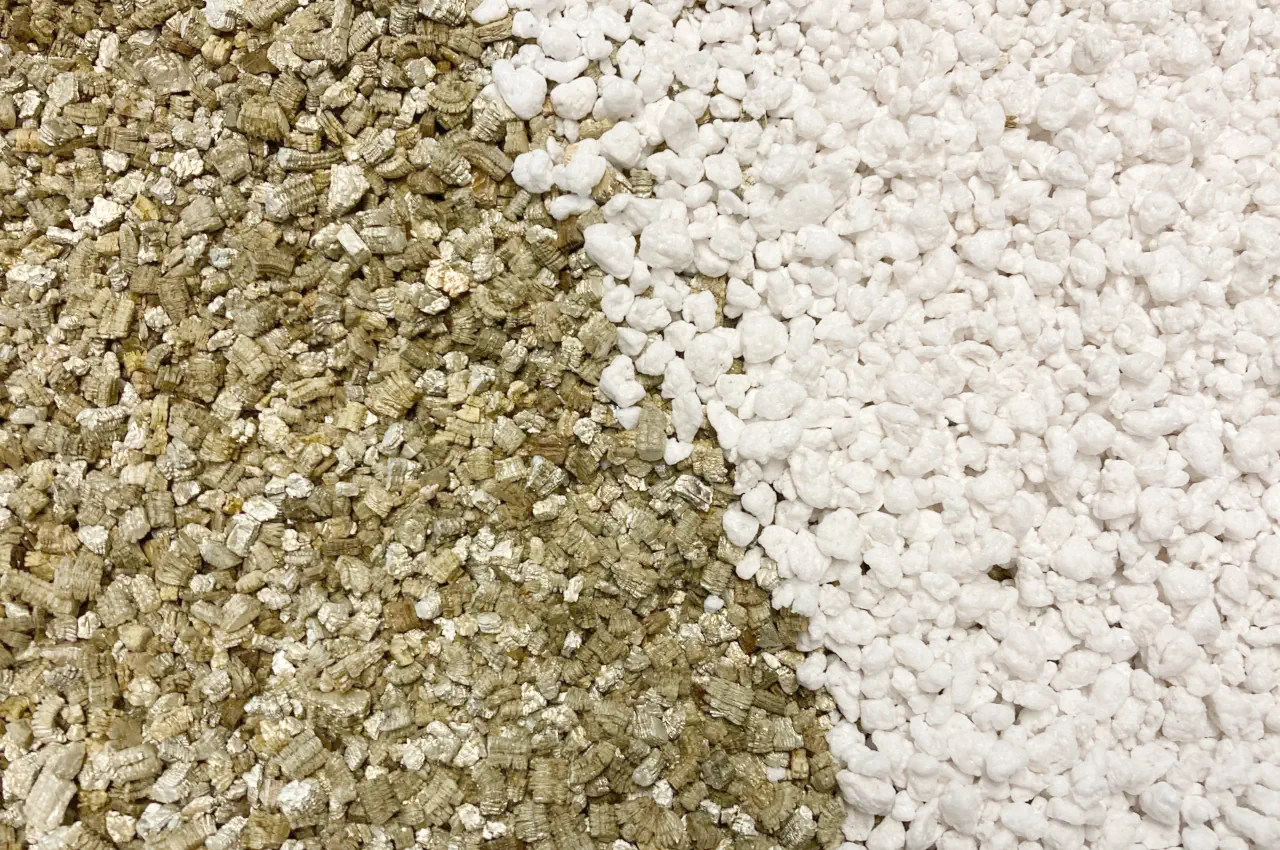
Perlite is white, lightweight, and very porous. It allows air to reach plant roots and drains water quickly. Vermiculite is soft, sponge-like, and tan or gold. It holds water well and releases nutrients slowly. Each material’s physical traits affect water retention, aeration, and nutrient holding.

Credit: gardening-naturally.com
Key Differences
Perlite and vermiculite are popular soil additives but serve different purposes in gardening. Understanding their key differences helps choose the right one for your plants. Each material affects soil properties like water retention, aeration, and nutrient holding in unique ways.
Water Retention Capabilities
Vermiculite holds water very well. It absorbs moisture and releases it slowly to plant roots. This makes it ideal for plants needing consistent moisture. Perlite, in contrast, holds little water. It drains quickly and does not keep moisture near roots.
If your plants require steady hydration, vermiculite is the better choice. For plants that dislike soggy roots, perlite helps prevent overwatering.
Aeration And Drainage
Perlite excels at improving soil aeration. Its porous structure creates air pockets, allowing roots to breathe easily. It also enhances drainage by letting excess water flow away fast.
Vermiculite provides some aeration but is denser. It can reduce soil compaction but does not drain as well as perlite. Use perlite for airy, well-drained soil. Choose vermiculite if soil moisture retention is more important.
Nutrient Holding
Vermiculite holds nutrients effectively. It can absorb minerals and release them slowly to plants. This improves nutrient availability and supports healthy growth.
Perlite does not hold nutrients well. It mainly acts as a structural additive for soil. Fertilizers and nutrients must be added separately when using perlite in potting mixes.
When To Choose Perlite
Choosing the right soil amendment depends on your plant’s needs and growing conditions. Perlite offers unique benefits that suit specific plants and soil types. It improves drainage and keeps soil loose. This makes it a top choice for certain gardening situations.
Ideal Plant Types
Perlite works best for plants that dislike wet roots. Succulents and cacti thrive with perlite. It helps prevent root rot by draining excess water quickly. Orchids also benefit, as they need airy roots. Vegetables in containers grow well with perlite too. It keeps the soil light and prevents compaction.
Soil Conditions Suited For Perlite
Use perlite in heavy or clay soils to improve drainage. It breaks up dense soil and increases airflow. This helps roots access oxygen easily. Perlite also works well in potting mixes for indoor plants. It prevents waterlogging and keeps soil fresh. In hot climates, perlite reduces soil moisture loss. This keeps plants healthy and hydrated.
When To Choose Vermiculite
Choosing vermiculite over perlite depends on the needs of your plants and soil. Vermiculite holds water and nutrients well. It also improves soil aeration but keeps moisture longer than perlite. This makes vermiculite ideal for plants that need constant moisture. It works best in soil mixes where water retention is key.
Best Uses In Gardening
Vermiculite suits seed starting and rooting cuttings. It keeps moisture near the roots, helping young plants grow strong. Use vermiculite in garden beds needing extra water retention. It helps sandy soils hold water and nutrients better. Vermiculite also works well in potting mixes for moisture-loving plants.
Plants Benefiting From Vermiculite
Plants that need steady moisture thrive with vermiculite. Ferns, begonias, and African violets prefer soil with vermiculite. It helps orchids and other moisture-sensitive plants stay hydrated. Vegetable seedlings also grow better with vermiculite, as it prevents drying out. Use vermiculite for any plant that struggles in dry soil.
Substitutes For Vermiculite
Finding the right substitute for vermiculite is important for healthy plant growth. Vermiculite helps retain moisture and nutrients in soil. Some alternatives offer similar benefits. Choose based on your plant’s needs and soil conditions. Below are a few common options that gardeners use instead of vermiculite.
Coconut Coir For Moisture
Coconut coir comes from coconut husks. It holds water well and keeps soil moist. Coir is pH neutral and rich in organic matter. It expands when soaked, improving soil texture. This makes it a great alternative to vermiculite for moisture retention. It also promotes good aeration for roots.
Biochar As A Versatile Option
Biochar is charcoal made from plant material. It improves soil aeration and holds nutrients. Biochar helps soil retain water without becoming soggy. It supports beneficial microbes in the soil. This option works well for both moisture and drainage needs. Biochar is sustainable and long-lasting in soil mixes.
Pumice And Grit For Drainage
Pumice is a lightweight volcanic rock. It provides excellent drainage and prevents soil compaction. Grit or washed sand adds weight and structure to soil. Both help excess water flow away quickly. These materials work best for plants that need well-drained soil. They keep roots healthy by avoiding waterlogging.
Credit: www.simplyseed.co.uk
How To Replace Vermiculite With Perlite
Replacing vermiculite with perlite requires understanding their differences. Vermiculite holds water well and improves soil moisture. Perlite focuses more on aeration and drainage. Using perlite in place of vermiculite means adjusting your gardening approach. This ensures plants get enough water and air without stress.
Adjusting Soil Mixes
Vermiculite absorbs and holds moisture, while perlite does not. When replacing vermiculite, add more water-retaining ingredients. Coconut coir or peat moss work well for this. Mix perlite with these to balance water and air. Use about 50% perlite and 50% moisture-holding material. This mix improves drainage but keeps soil moist enough for roots.
Perlite particles are larger and create air pockets in soil. This helps roots get oxygen and prevents compaction. Avoid using only perlite as it dries too fast. The soil should feel light and crumbly, not dry or heavy.
Managing Watering Practices
Perlite drains quickly and does not hold water like vermiculite. Water plants more often but in smaller amounts. Check soil moisture regularly to avoid drying out. It is better to water when the top inch of soil feels dry. Avoid overwatering since perlite allows fast drainage.
Using perlite means your plants may need more frequent care. Watch for signs of underwatering like drooping leaves. Adjust your watering schedule based on plant type and weather. This keeps plants healthy and thriving in the new soil mix.
Potential Drawbacks Of Using Perlite
Using perlite instead of vermiculite has some drawbacks to consider. Perlite offers excellent drainage and aeration but lacks in moisture retention. These differences affect how plants grow and how soil behaves over time. Understanding the potential issues helps gardeners make better choices for their soil mixes.
Floating And Surface Accumulation
Perlite is very light and porous. Because of this, it often floats to the soil surface after watering. This floating can create a white layer on top of the soil. The layer may block water from reaching the roots quickly. Over time, this can reduce the soil’s overall effectiveness.
Surface accumulation also affects the soil’s appearance. It may look dry even when the soil below is moist. This can confuse gardeners and lead to overwatering or underwatering. Perlite’s tendency to rise makes it less stable than vermiculite in potting mixes.
Impact On Seed Germination
Perlite does not hold water well compared to vermiculite. Seeds need consistent moisture for good germination. Without enough water, seeds may dry out and fail to sprout. Vermiculite keeps moisture near seeds longer, improving germination rates.
Perlite’s rough texture can also disturb small seeds. It creates air pockets that may shift seeds from their place. This movement can harm delicate roots or delay sprouting. For starting seeds, vermiculite usually offers a better environment than perlite.
Sustainability Considerations
Sustainability is an important factor when choosing between perlite and vermiculite. Both materials affect the environment differently. Understanding their environmental footprint helps gardeners make better choices. Sustainable gardening supports a healthier planet and promotes long-term soil health.
Environmental Impact Of Perlite
Perlite is a natural volcanic glass. It expands when heated to high temperatures. This process uses a lot of energy. Mining perlite disturbs the land and local ecosystems. Perlite does not break down in soil, so it stays for a long time. It is lightweight, reducing transport emissions compared to heavier materials. Still, its energy-intensive processing raises concerns for eco-conscious gardeners.
Eco-friendly Alternatives
Several alternatives offer more sustainable options than perlite. Coconut coir is a popular choice. It is a byproduct of coconut farming and is renewable. Coir holds water well and improves soil structure. Biochar is another option. It is made from organic waste through pyrolysis, helping reduce greenhouse gases. Pumice, a natural volcanic rock, offers good drainage with less environmental damage. Using compost or local materials also reduces the carbon footprint of gardening mixes.
Expert Tips For Best Results
Using perlite instead of vermiculite can work well with the right approach. Understanding how to mix and apply these soil amendments helps plants thrive. Expert tips focus on matching your soil mix to plant needs and mixing amendments correctly. These steps improve aeration, moisture retention, and root growth for best results.
Mixing Amendments
Combine perlite with other materials to balance water and air in soil. Perlite alone improves drainage but holds less water than vermiculite. Mix perlite with coconut coir or compost to increase moisture retention. Use about 10-30% perlite in your potting mix depending on plant type. Stir the ingredients well to avoid clumps and ensure even distribution.
Adjust the ratio based on your soil type and container size. For heavy clay soils, add more perlite to improve aeration. In sandy soils, reduce perlite and add moisture-holding agents like vermiculite or coir. Regularly check soil moisture and texture to fine-tune your mix.
Plant-specific Recommendations
Different plants need different soil conditions. Succulents and cacti prefer mixes high in perlite for excellent drainage. Use at least 30% perlite for these plants to prevent root rot. For moisture-loving plants, reduce perlite and add vermiculite or coir.
Seed starting benefits from vermiculite’s moisture retention, but you can use a small amount of perlite for air flow. Houseplants generally do well with a balanced mix of 20% perlite and organic matter. Always research your plant’s natural habitat to match soil conditions closely.
Frequently Asked Questions
What Can I Use If I Don’t Have Vermiculite?
Use perlite for drainage and aeration, coconut coir for moisture retention, biochar for balanced benefits, or pumice and grit for structure and drainage.
What Plants Should Not Use Perlite?
Avoid using perlite with moisture-loving plants like ferns, African violets, and orchids, as it drains too quickly for their needs.
Should I Rinse Perlite Before Using It?
Rinsing perlite before use is optional. It can remove dust and fine particles but isn’t necessary for most gardening tasks.
What Are The Downsides Of Perlite?
Perlite can dry out soil quickly, reducing moisture retention. It may float to the surface and create dust, which irritates lungs. Its lightweight nature can cause instability in potted plants. Perlite also lacks nutrients and can be more expensive than other soil amendments.
Conclusion
Choosing between perlite and vermiculite depends on your plant needs. Perlite improves soil drainage and aeration well. Vermiculite holds moisture and nutrients better. For dry soil, perlite works best. For moisture-loving plants, vermiculite suits more. Sometimes, mixing both gives balanced soil.
Remember, no single option fits all gardening tasks. Try small amounts first to see what your plants prefer. This way, you create the right environment for healthy growth.