Can I Use Outdoor Potting Soil for Indoor Plants? Expert Insights
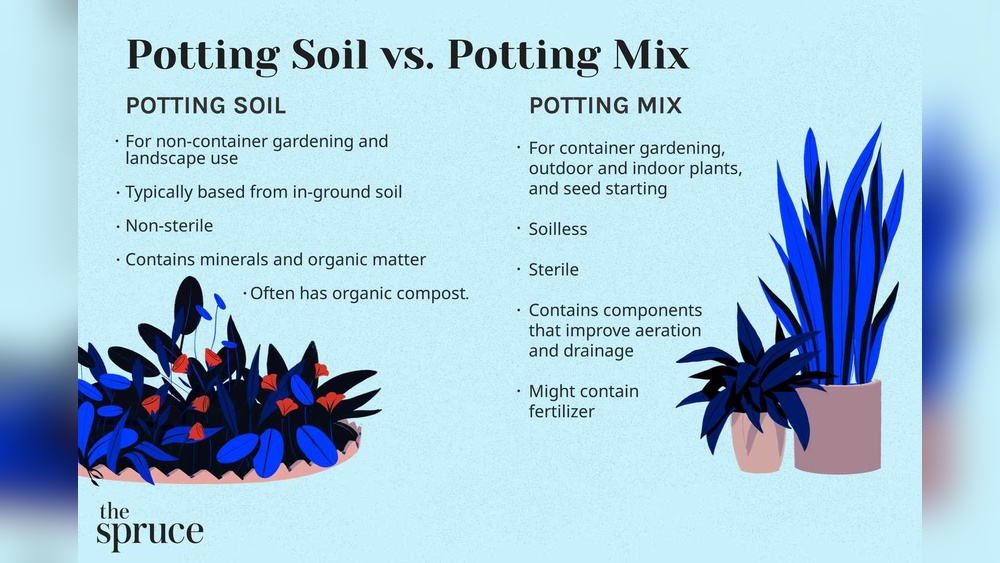
Are you wondering if you can use outdoor potting soil for your indoor plants? It’s a question many plant lovers ask, especially when they want to save time or money.
But before you dig into that bag of outdoor soil, there are important things you need to know. Using the wrong soil can affect your plants’ health, growth, and even invite pests or diseases into your home. Keep reading to discover why outdoor potting soil might not be the best choice for your indoor green friends—and what you should use instead to keep them thriving.
Differences Between Outdoor And Indoor Soil
Outdoor and indoor soils serve different purposes for plants. Each type has unique properties that support plant growth in specific environments. Understanding these differences helps choose the right soil for indoor plants. Using outdoor potting soil indoors may affect plant health and growth. Below are key differences between outdoor and indoor soils.
Nutrient Composition
Outdoor soil often contains natural fertilizers like earthworm castings and decomposed leaves. These nutrients support outdoor plants that face harsher conditions. Indoor soil usually has balanced nutrients tailored for houseplants. It prevents over-fertilizing, which can harm indoor plants. Nutrient levels in outdoor soil can be too strong or uneven for indoor pots.
Soil Texture And Drainage
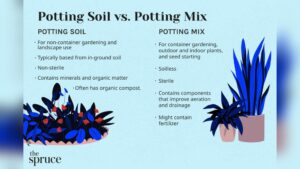
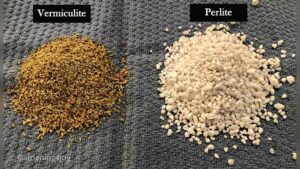
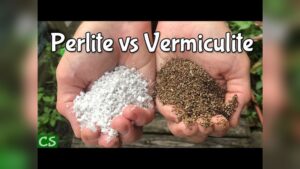
Outdoor soil tends to be heavier and denser. It often contains clay and natural minerals. This texture holds water longer but drains slowly. Indoor potting soil is lighter and fluffy. It includes materials like peat moss, vermiculite, or perlite. These improve aeration and allow excess water to drain quickly. Proper drainage avoids root rot in indoor plants.
Presence Of Pests And Pathogens
Outdoor soil may carry pests, fungi, or harmful bacteria. These can infect indoor plants and spread quickly inside homes. Indoor potting soil is usually sterilized or treated to reduce risks. Using outdoor soil indoors increases chances of pest problems. Sterilizing outdoor soil before use can reduce these dangers but may not eliminate all threats.
Risks Of Using Outdoor Soil Indoors
Using outdoor potting soil for indoor plants carries several risks. Outdoor soil is designed for garden beds and natural settings. Indoor plants need soil that supports proper drainage and root health. Bringing outdoor soil inside can cause problems that harm your plants and home environment.
Soil Compaction Issues
Outdoor soil often contains clay and heavy particles. These can compact easily in pots. Compacted soil limits air and water flow to roots. Roots may suffocate or rot from poor drainage. Indoor plants need loose, well-draining soil for healthy growth.
Potential For Disease Spread
Outdoor soil can carry fungi, bacteria, and pests. These organisms thrive in natural environments but harm indoor plants. Using outdoor soil indoors may introduce diseases. Sick plants struggle to grow and may die quickly. Sterilized or specially made indoor potting soil lowers this risk.
Weed Contamination
Outdoor soil contains weed seeds and plant debris. These seeds can sprout in your pots. Weeds compete with your plants for nutrients and space. Removing weeds indoors is difficult and time-consuming. Clean, weed-free potting mixes protect your indoor plants better.
When Outdoor Potting Soil Might Work Indoors
Outdoor potting soil differs from indoor mixes in texture and nutrients. Many outdoor soils contain ingredients that help plants survive harsh weather. Some types can support indoor plants if chosen carefully.
Using outdoor soil indoors requires caution. The soil must be free from pests, diseases, and chemicals harmful to indoor plants. Certain outdoor potting mixes are made to work for both environments.
Types Of Outdoor Potting Mixes Suitable For Indoor Use
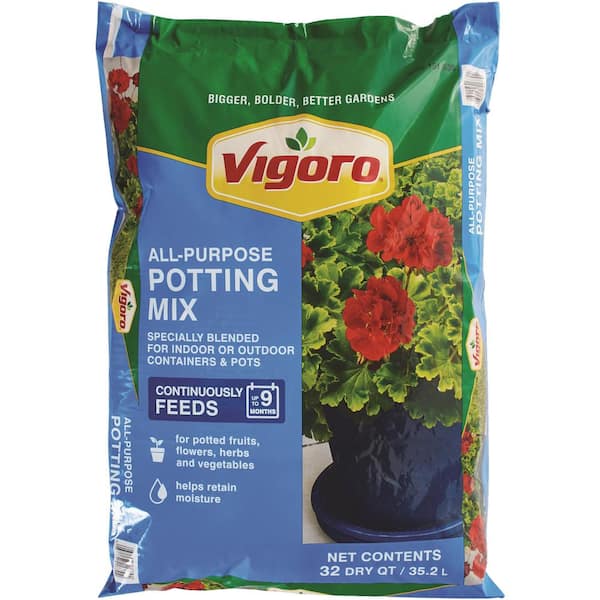
Look for outdoor potting mixes labeled as all-purpose or multipurpose. These mixes often contain peat moss, perlite, and compost in balanced amounts. Such ingredients promote good drainage and aeration, crucial for indoor plants.
Organic outdoor soils rich in natural materials without added fertilizers or pesticides tend to be safer indoors. Avoid garden soil or heavy clay soils, which can retain too much moisture and harm roots inside.
Manufacturer Recommendations
Check product labels carefully before using outdoor soil indoors. Some brands specify if their mixes work for both indoor and outdoor plants. Follow guidelines on watering and light to match plant needs.
Brands like Miracle-Gro offer potting mixes designed for versatility. Reading manufacturer advice helps avoid soil-related problems indoors. Many recommend sterilizing outdoor soil before indoor use to kill pests.
Plants That Tolerate Outdoor Soil Indoors
Some indoor plants adapt well to outdoor potting soil. Hardy plants like succulents, snake plants, and pothos can tolerate varied soil types. These plants need good drainage, which certain outdoor mixes provide.
Plants that prefer dry or low-nutrient conditions often do well in outdoor soil indoors. Sensitive tropical plants usually require specially formulated indoor potting mix for best growth.

Credit: kellogggarden.com
Preparing Outdoor Soil For Indoor Plants
Preparing outdoor soil for indoor plants requires careful steps. Outdoor soil often contains pests, diseases, and heavy clay. These factors can harm delicate indoor plants. Proper preparation helps make outdoor soil safer and more suitable indoors. Follow these simple methods to improve soil quality and protect your houseplants.
Sterilization Methods
Sterilizing outdoor soil kills harmful bacteria, fungi, and insects. One way is to bake the soil in an oven. Spread soil on a baking tray and heat at 180°F (82°C) for 30 minutes. Let it cool before use. Another method is to microwave moist soil for 90 seconds on high. Always wear gloves and avoid inhaling dust during sterilization.
Amending Soil For Better Drainage
Outdoor soil can be dense and heavy. This causes poor drainage and root rot. Mix in materials like perlite, sand, or peat moss. These improve air flow and water movement. Aim for a light, crumbly texture. Good drainage helps roots stay healthy and prevents water buildup.
Testing Soil Quality
Test soil before potting indoor plants. Check pH levels with a simple test kit. Most indoor plants prefer pH between 6.0 and 7.0. Observe soil texture and smell. Healthy soil should not smell bad or feel sticky. Remove any debris or large clumps. Testing ensures the soil supports plant growth well.
Alternatives To Outdoor Soil For Indoor Gardening
Outdoor soil often contains organisms and materials unsuitable for indoor plants. Indoor gardening needs soil that drains well and stays light. Several alternatives work better than outdoor soil for indoor pots. These options help plants grow healthy and strong inside your home.
Commercial Indoor Potting Mixes
Stores sell potting mixes made especially for indoor plants. These mixes have the right balance of nutrients and drainage materials. They avoid heavy clay and garden pests found in outdoor soil. Using commercial mixes reduces the risk of mold and root rot. Most mixes include peat moss, perlite, and vermiculite to keep soil airy.
Diy Indoor Potting Mix Recipes
Making your own potting mix can be simple and cost-effective. Combine peat moss, coconut coir, and perlite for a loose, well-draining soil. Add compost or worm castings for nutrients. Avoid using garden soil or heavy clays. Mixing your own soil gives control over ingredients and suits your plants’ needs.
Using Soilless Mixes
Soilless mixes contain no real soil but support plant growth well. They often use peat moss, coconut coir, and vermiculite or perlite. These mixes provide excellent drainage and prevent soil compaction. Soilless media reduce pests and diseases common in outdoor soil. They are lightweight and easy to handle for indoor gardening.
Credit: www.homedepot.com
Common Myths About Soil Use Indoors
Many people are confused about using outdoor potting soil for indoor plants. Several myths surround this topic. These myths can cause mistakes that harm your plants. Understanding the truth helps you choose the right soil. Here are some common myths about soil use indoors.
Myth: All Garden Soil Is Safe Indoors
Not all garden soil is safe for indoor plants. Outdoor soil may have pests, diseases, and weed seeds. It also often contains clay and heavy minerals. These can block drainage and harm indoor plants. Indoor plants need soil that drains well and stays light. Using garden soil indoors can cause root rot and poor growth.
Myth: Cooking Soil Eliminates All Risks
Some believe cooking or baking soil removes all risks. Heat can kill some pests and bacteria. But it does not remove all chemicals or weed seeds. Cooking soil may also change its texture and nutrients. This can make soil less healthy for plants. Sterilizing soil helps but does not guarantee safety for indoor use.
Myth: Outdoor Soil Enhances Plant Growth Indoors
Outdoor soil does not always help indoor plants grow better. It often lacks the right mix of peat, perlite, and nutrients. Indoor potting mixes are designed for air flow and moisture control. Outdoor soil can be too dense and hold too much water. This can lead to root damage and slow growth indoors.

Credit: rosysoil.com
Frequently Asked Questions
What Happens If You Use Outdoor Potting Soil For Indoor Plants?
Using outdoor potting soil indoors can cause poor drainage, root suffocation, and introduce pests or diseases. It may stunt indoor plant growth.
What Is The Difference Between Indoor And Outdoor Potting Soil?
Indoor potting soil has lighter texture, better drainage, and fewer fertilizers. Outdoor soil is richer, retains more moisture, and contains natural fertilizers. Outdoor soil can compact and harm indoor plants, while indoor soil supports healthy root growth and air circulation for houseplants.
Can You Use Miracle-gro Outdoor Potting Mix For Indoor Plants?
Yes, you can use Miracle-Gro outdoor potting mix for indoor plants. It contains suitable nutrients for various indoor plants.
How To Clean Outdoor Soil For Indoor Plants?
Remove debris and roots from outdoor soil. Bake soil at 180°F for 30 minutes to kill pathogens. Let it cool before use. Mix with sterile indoor potting mix for better drainage and nutrients.
Conclusion
Outdoor potting soil is not ideal for indoor plants. It may carry pests and diseases. The texture can be too heavy and compacted. Indoor plants need light, well-draining soil to thrive. Using the right soil helps your plants grow healthy.
Choose soil made specifically for indoor plants instead. This simple choice makes a big difference. Your plants will thank you with better growth and color. Always think about your plant’s needs first. Good soil leads to happy, strong indoor plants.