Are Vermiculite And Perlite the Same Thing? Essential Facts Revealed
Are vermiculite and perlite the same thing? If you’ve ever shopped for gardening supplies or started mixing your own potting soil, this question might have crossed your mind.
Both look similar—light, fluffy, and white—but they serve very different purposes in your garden. Choosing the right one can make a huge difference in how well your plants grow. You’ll discover what sets vermiculite and perlite apart, how each affects soil and plant health, and when you should use one over the other.
Keep reading, because understanding these differences could be the key to a thriving garden you’ve been hoping for.
Vermiculite And Perlite Origins
Understanding the origins of vermiculite and perlite helps clarify their differences. Both are natural minerals used in gardening and construction, yet they form and process in unique ways. Knowing their origins reveals why they behave differently in soil and other applications.
Natural Formation
Vermiculite forms from mica minerals. Heat and pressure underground expand mica layers. This process creates thin, layered flakes that absorb water easily. Vermiculite’s natural structure allows it to hold moisture well.
Perlite comes from volcanic glass. When heated rapidly, it expands like popcorn. This expansion creates tiny air pockets inside perlite. The result is a lightweight, porous material that drains water quickly.
Mining And Processing
Miners extract vermiculite from open pits or underground mines. After mining, vermiculite undergoes heating. This heating causes it to expand and become lightweight. The expanded form is then crushed into various sizes for gardening use.
Perlite mining involves gathering volcanic rock from deposits. After mining, the rock is crushed and heated to about 1,600°F (870°C). The heat causes the rock to puff up and expand. Finally, the expanded perlite is sorted and packaged for sale.
Physical Properties
The physical properties of vermiculite and perlite play a key role in their use in gardening. These properties affect how each material interacts with soil and plants. Understanding their differences helps gardeners choose the right one for their needs.
Appearance And Texture
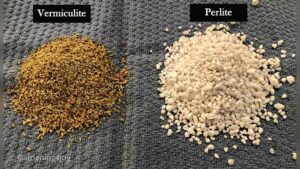
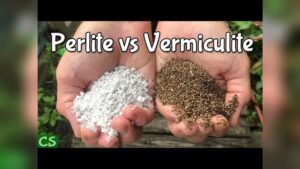
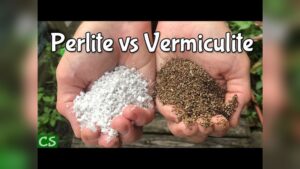
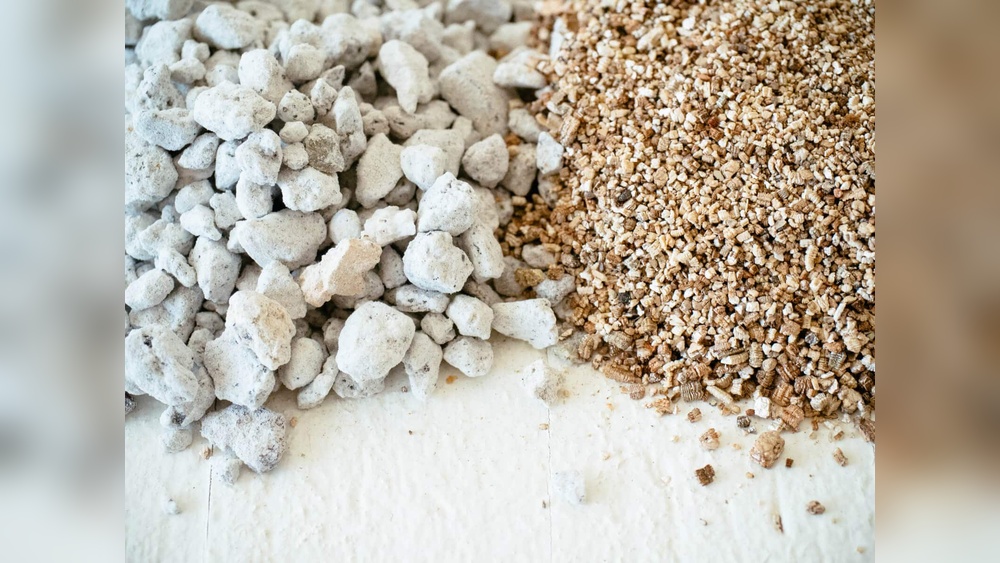
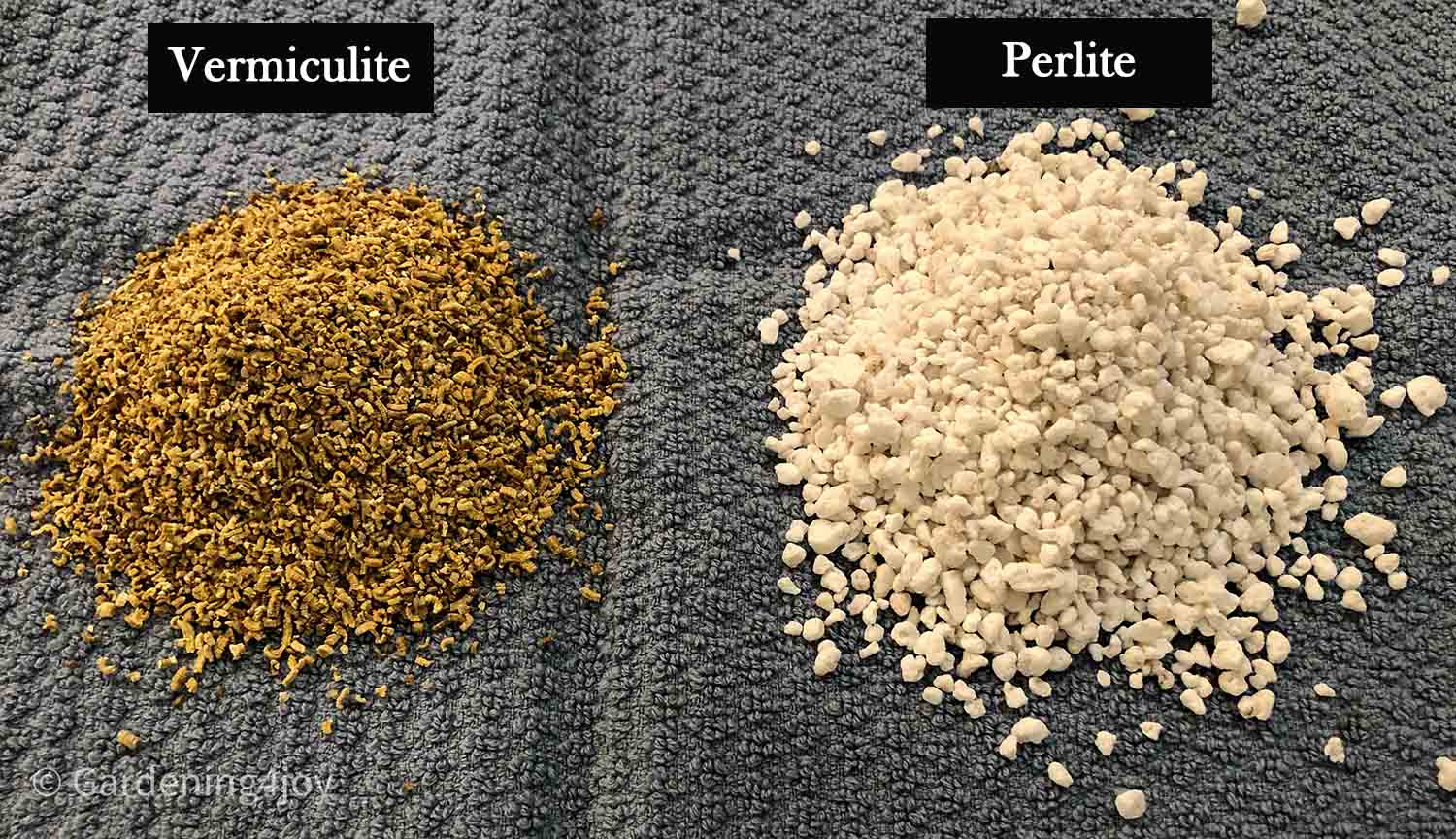
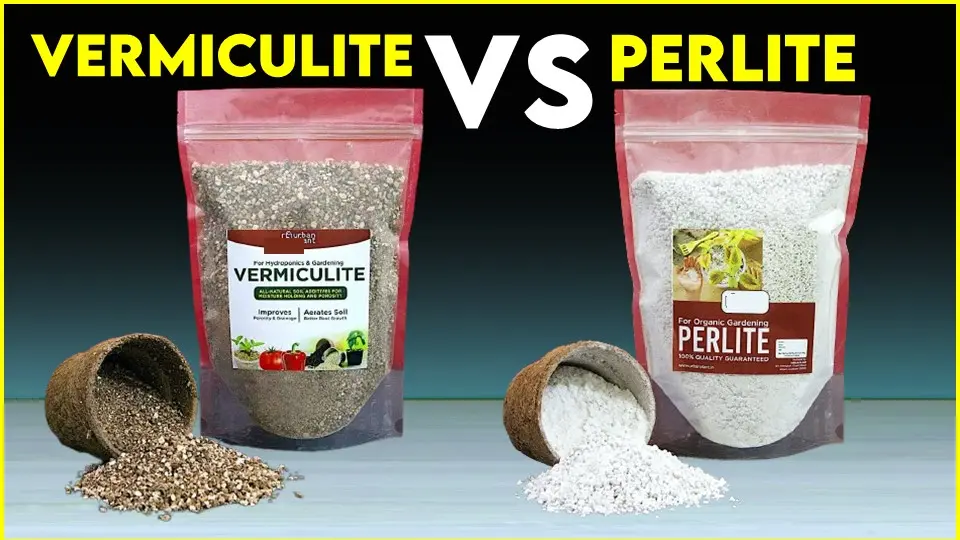
Vermiculite looks like small, shiny flakes. It has a layered, accordion-like structure. The texture feels soft and slightly spongy. Perlite appears as small, white, round grains. It is lightweight and has a rough surface. Perlite looks similar to tiny popcorn pieces.
Water Retention Capacity
Vermiculite holds water very well. It absorbs moisture and keeps it near the roots. This helps plants that need steady moisture. Perlite does not hold much water. It allows excess water to drain quickly. This suits plants that prefer drier soil or need good drainage.
Aeration Qualities
Perlite creates many air pockets in soil. This improves oxygen flow to plant roots. It prevents soil compaction and promotes healthy root growth. Vermiculite also helps with aeration but less than perlite. Its structure holds more water, which can reduce airflow slightly.
Gardening Uses
Vermiculite and perlite play unique roles in gardening. Both improve soil but serve different purposes. Understanding their uses helps gardeners choose the right one for their plants. Below, we explore how each material benefits soil, suits different plants, and affects drainage.
Soil Amendment Benefits
Vermiculite holds moisture well and releases nutrients slowly. It improves soil aeration and helps seeds germinate. Perlite is lightweight and increases soil drainage. It prevents soil compaction and keeps roots healthy. Both materials enhance soil structure but in different ways.
Suitability For Different Plants
Vermiculite suits plants needing steady moisture like ferns and vegetables. It works well for seedlings and moisture-loving houseplants. Perlite suits drought-tolerant plants like succulents and cacti. It favors plants needing quick drainage and airy soil. Choosing the right one depends on plant water needs.
Impact On Soil Drainage
Vermiculite retains water, slowing drainage to keep soil moist longer. This is good for plants that do not like dry roots. Perlite allows excess water to drain quickly, reducing risk of root rot. It helps soil dry faster after watering. Their effects on drainage are opposite but both improve soil health.
Credit: www.gardening4joy.com
Plant Preferences And Concerns
Understanding plant preferences and concerns is essential when choosing between vermiculite and perlite. Different plants thrive in different soil conditions. Each amendment offers unique benefits for specific plant types. Knowing which plants favor vermiculite or perlite helps you create the best growing environment. Avoiding risks associated with each material keeps plants healthy and strong.
Plants That Favor Vermiculite
Vermiculite holds moisture well and helps retain nutrients. It suits plants that love consistent moisture without waterlogging. Seedlings and young plants benefit from vermiculite’s gentle water retention. Ferns and tropical plants enjoy the extra moisture in the soil. Vegetables like lettuce and spinach also grow well with vermiculite. It helps keep the soil evenly moist, which these plants prefer.
Plants That Prefer Perlite
Perlite improves soil aeration and drainage. It suits plants needing quick water drainage and oxygen around roots. Succulents and cacti thrive with perlite because it prevents soggy soil. Orchids and other epiphytes also prefer perlite to keep roots dry. Herbs such as rosemary and thyme grow better with fast-draining soil. Perlite keeps the soil light and airy, ideal for these plants.
Risks Of Using Vermiculite For Succulents
Succulents dislike vermiculite because it holds too much water. Excess moisture can cause root rot and fungal problems. Vermiculite creates a damp environment that harms these drought-tolerant plants. Using it with succulents may lead to slow growth or plant death. Instead, use perlite or pumice to ensure quick drainage. Avoid vermiculite for plants needing sharp, dry soil conditions.
Comparing Benefits
Understanding the benefits of vermiculite and perlite helps choose the right soil amendment. Both materials improve soil but serve different purposes. Each supports plant growth in unique ways. Knowing these benefits guides effective gardening decisions.
Moisture Management
Vermiculite holds water well, releasing it slowly to plant roots. It keeps soil moist longer, ideal for plants needing steady moisture. Perlite drains water quickly, preventing soil from staying wet. It suits plants that need dry, airy soil to avoid root rot.
Root Health Support
Vermiculite provides a soft environment for roots to grow. It helps roots absorb nutrients by holding minerals near them. Perlite creates air pockets in soil, allowing roots to breathe. Better oxygen flow encourages strong, healthy root systems.
Longevity In Soil
Vermiculite breaks down over time, adding minerals to soil. It improves soil texture but may need replenishing after a season. Perlite is very durable and stays in soil for many years. It maintains soil aeration without changing soil chemistry.
Credit: timesofagriculture.in
Substitution Guidelines
Choosing between vermiculite and perlite can be tricky for gardeners. Each has unique properties that affect soil differently. Understanding when to substitute one for the other helps plants thrive. These substitution guidelines clarify their best uses.
When To Use Perlite Instead
Perlite is ideal for plants needing excellent drainage. It prevents soil compaction and improves aeration. Use perlite for succulents, cacti, and herbs that dislike wet roots. It keeps the soil light and dry, reducing root rot risks. Perlite also works well in seed starting mixes for quick drying.
When Vermiculite Is Preferable
Vermiculite holds water and nutrients longer than perlite. Choose vermiculite for moisture-loving plants like ferns and vegetables. It helps in seed germination by keeping soil moist. Vermiculite suits heavy clay soils by improving water retention and aeration. Use it when your plants need steady moisture supply.
Mixing Both Amendments
Combining vermiculite and perlite balances moisture and drainage. This mix suits many garden plants needing moderate water levels. Use equal parts for potting soil to ensure air and water flow. Mixing helps avoid waterlogging and dryness. It creates an ideal environment for roots to grow strong.
Environmental And Safety Considerations
Understanding environmental and safety aspects of vermiculite and perlite helps gardeners choose wisely. Both materials come from natural minerals. Their mining and processing affect the environment differently. Also, safety concerns arise during handling and use. Awareness of these issues ensures safe gardening practices and reduces risks.
Potential Contaminants
Vermiculite may contain asbestos in some older sources. Asbestos is harmful when inhaled. New vermiculite products are tested to be asbestos-free. Perlite generally has fewer contamination risks. However, dust from both materials can irritate eyes and lungs. Choosing tested and certified products reduces exposure to contaminants.
Safe Handling Practices
Wear a dust mask when working with vermiculite or perlite. Use gloves to protect your skin from irritation. Work in a well-ventilated area to avoid inhaling dust. Avoid creating dust clouds by moistening the materials slightly. Store both materials in sealed containers to keep them clean and safe.
Alternative Soil Amendments
Gardeners often seek alternatives to vermiculite and perlite for better soil health. Alternative soil amendments improve soil structure and plant growth. They provide aeration, drainage, and moisture retention tailored to plant needs.
Using the right soil amendment can prevent common problems like root rot or poor drainage. Some alternatives work better for specific plants or soil types. Exploring these options helps create the ideal environment for roots.
Pumice And Its Uses
Pumice is a lightweight volcanic rock with many tiny holes. It holds air and water well, promoting healthy root systems. Pumice is excellent for succulents and cacti that need good drainage. It does not break down quickly, so it lasts long in soil mixes. Using pumice can improve soil aeration without holding too much water.
Sandy Soil Options
Sandy soil is a natural amendment that improves drainage and airflow. It works well for plants needing dry conditions, such as herbs and succulents. Sand helps prevent waterlogging by allowing excess water to drain fast. Mixing sand with heavier soils creates a balanced texture. Coarse sand is best because it avoids compacting the soil.
Other Aeration Materials
Other materials like rice hulls, coconut coir, and bark chips also aid soil aeration. Rice hulls are biodegradable and improve drainage in potting mixes. Coconut coir retains moisture while providing space for roots to breathe. Bark chips add organic matter and increase soil porosity. Combining these amendments can enhance soil health and support various plant types.

Credit: www.youtube.com
Frequently Asked Questions
What Plants Do Not Like Vermiculite?
Plants that dislike vermiculite include cacti, succulents, agave, aloe vera, and some Mediterranean herbs. They prefer fast-draining soil to avoid root rot. Vermiculite retains too much moisture, which harms drought-tolerant plants. Use perlite or pumice for better drainage instead.
Can I Substitute Perlite For Vermiculite?
You can substitute perlite for vermiculite, but they serve different purposes. Perlite improves drainage and aeration, while vermiculite retains moisture and nutrients. Choose based on your plant’s water needs for best results.
Do I Need Both Perlite And Vermiculite?
You don’t always need both. Use perlite for drainage and aeration, vermiculite for moisture retention and nutrient holding. Choose based on your plant’s needs.
Is Too Much Perlite Bad For Plants?
Too much perlite can dry out soil and reduce nutrient availability. Balance it with organic matter for healthy plant growth.
Conclusion
Vermiculite and perlite serve different purposes in gardening. Vermiculite holds water well and helps retain moisture. Perlite improves soil drainage and keeps roots dry. Choosing the right one depends on your plant’s needs. Use vermiculite for moisture-loving plants. Use perlite for plants needing quick drainage.
Understanding these differences helps your plants grow healthy. Both are useful but not the same. Pick based on what your garden requires. Simple choices lead to better plant care.