Are Self Watering Pots Good for Plants: Ultimate Guide to Benefits
Are you wondering if self-watering pots are the right choice for your plants? These clever containers promise to make watering easier and keep your plants happy, but are they really as good as they seem?
Before you invest in one, it’s important to understand how they work and whether they suit your plant’s needs. You’ll discover the surprising benefits and hidden risks of self-watering pots. By the end, you’ll know exactly when to use them—and when to steer clear—to help your plants thrive.
Keep reading to find out if self-watering pots can truly make your gardening life easier.
How Self-watering Pots Work
Understanding how self-watering pots work helps gardeners decide if they suit their plants. These pots simplify watering by providing a steady water supply without daily care. Their design includes special features that keep plants hydrated efficiently. Learning about their system clarifies their benefits and limitations.
Reservoir System Explained
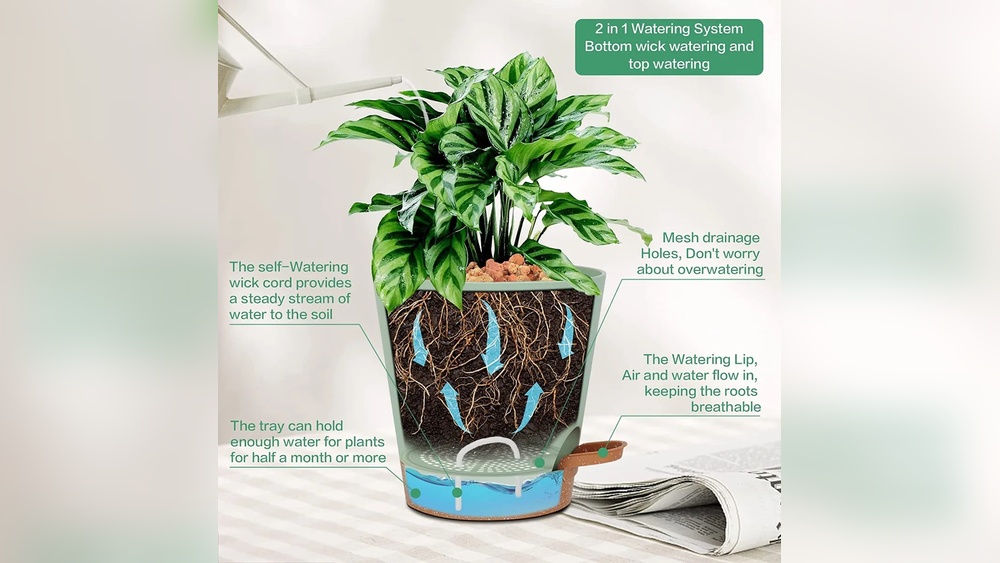
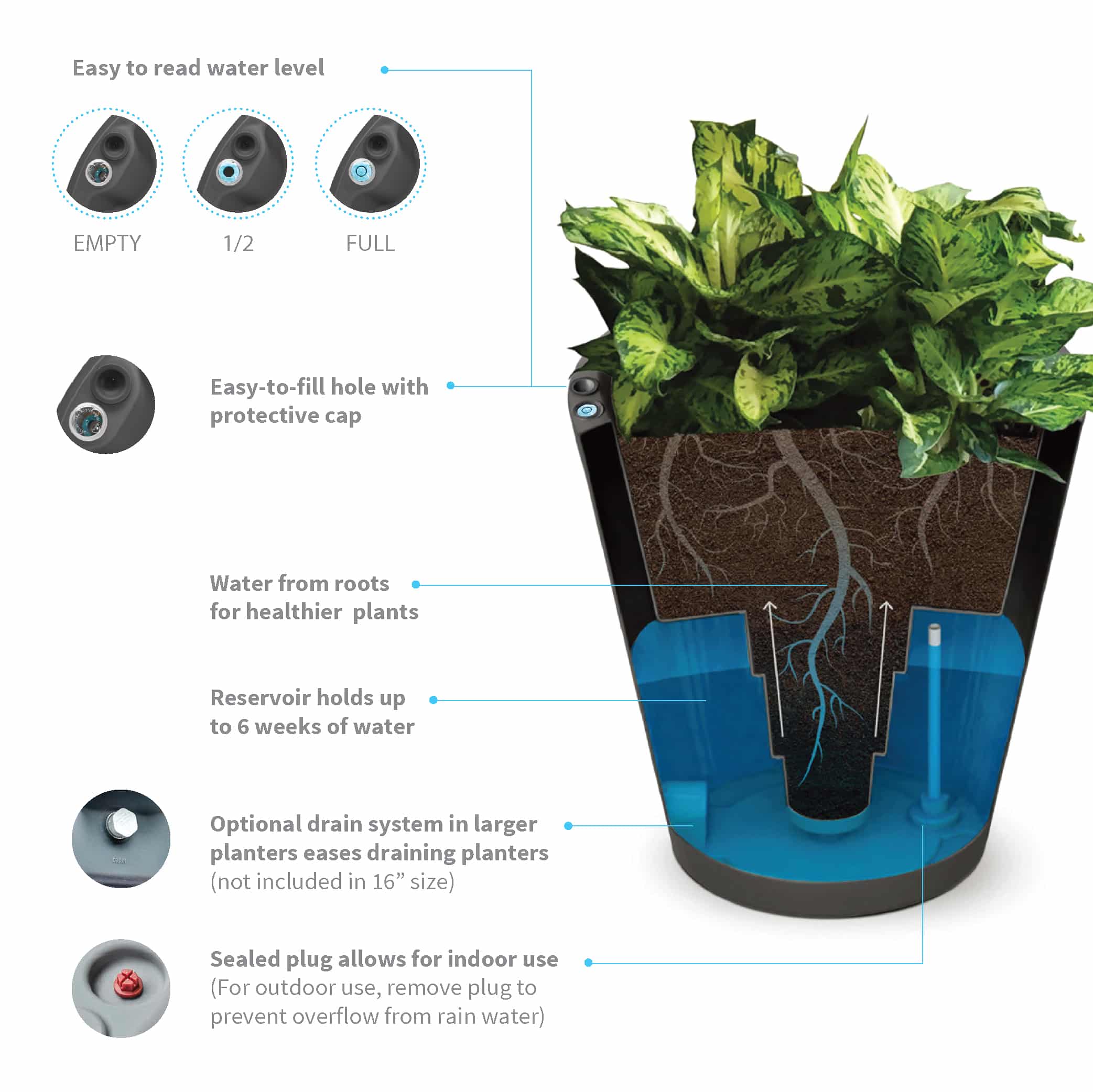
Self-watering pots have a built-in water reservoir at the bottom. This reservoir stores water for the plant’s use. It separates the soil from direct water contact. Plants draw water as needed through the reservoir, reducing overwatering. This setup maintains consistent moisture levels in the soil. It also helps prevent water runoff and waste.
Water Delivery Mechanism
Water moves from the reservoir to the soil by capillary action. A wick or porous material connects the water to the soil. The soil absorbs moisture slowly and evenly. This method allows plants to take only what they need. It stops the soil from becoming waterlogged. This steady supply supports healthy root growth.
Soil Requirements
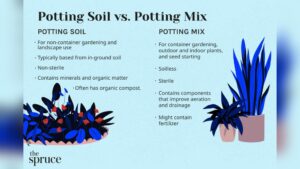
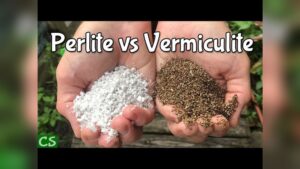
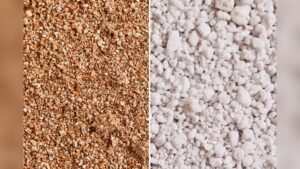
Self-watering pots need specific soil mixes for best results. The soil must be light and well-draining. It should hold moisture but not stay soggy. A mix of potting soil with perlite or vermiculite works well. Heavy garden soil may block water flow from the reservoir. Proper soil ensures the water delivery system works smoothly.
Benefits For Plant Growth
Self-watering pots offer several advantages that support healthy plant growth. They help maintain stable conditions in the soil, which plants need to thrive. These pots reduce stress on plants caused by irregular watering.
Understanding these benefits can help gardeners choose the right pot for their plants. Here are some key ways self-watering pots improve plant growth.
Consistent Moisture Levels
Self-watering pots keep soil evenly moist for longer periods. This steady moisture prevents plants from drying out. Roots get water as needed, which helps them grow stronger. Consistent moisture also reduces the risk of overwatering or underwatering. Plants develop better with this balanced water supply.
Reduced Watering Frequency
These pots store water in a reservoir below the soil. The soil draws water up slowly, feeding the plant. This design means less frequent watering is needed. Gardeners save time and effort by not watering daily. It is especially useful during busy days or vacations.
Ideal Plants For Self-watering
Self-watering pots suit plants that enjoy steady moisture. Ferns, African violets, and peace lilies grow well in these pots. They also benefit herbs like basil and mint. Avoid using them for succulents or cacti, which prefer dry soil. Choosing the right plants helps maximize growth benefits.
Common Risks To Plant Health
Self watering pots offer convenience but carry some risks to plant health. These pots keep soil moist for long periods, which may harm certain plants. Understanding common risks helps in choosing the right plants and care methods. Below are key issues to watch out for.
Root Rot And Oxygen Deprivation
Constant moisture in self watering pots can cause root rot. Roots need oxygen to stay healthy and grow well. Too much water blocks air from reaching roots. This creates a damp environment where fungi thrive. Root rot weakens plants and may kill them.
Overwatering Effects
Self watering pots often keep soil too wet. Overwatering harms plants that prefer dry soil. Succulents and cacti are sensitive to excess water. Their roots can rot easily if soil never dries out. Overwatering also leaches nutrients, reducing plant growth.
Plants That Struggle
Not all plants adapt well to self watering pots. Thirsty plants may not get enough water from the reservoir. Some plants need wet and dry cycles to stay healthy. Ferns and African violets do well, but many others do not. Choose plants carefully to avoid problems.

Credit: planterhoma.com
Maintenance Challenges
Self-watering pots offer convenience but come with maintenance challenges. These pots hold water in a reservoir, which can cause issues if not cared for properly. Regular upkeep is necessary to keep plants healthy and avoid problems.
Cleaning To Prevent Mold And Mildew
Water reservoirs can develop mold and mildew over time. These fungi grow in damp, dark spaces and harm plant health. Cleaning the pot often stops mold growth. Use mild soap and water to scrub the reservoir and other parts. Rinse thoroughly to remove soap residue. Clean pots help plants grow better and prevent unpleasant odors.
Managing Mineral Buildup
Minerals from tap water settle inside self-watering pots. This buildup can block water flow and reduce efficiency. It may also affect soil quality and plant roots. Flushing the reservoir with clean water regularly removes minerals. Using filtered or rainwater lowers mineral deposits. Regular checks keep the system working well and plants thriving.
Avoiding Mosquito Breeding
Standing water in reservoirs can attract mosquitoes. They lay eggs in still water, leading to pest problems. Covering the reservoir or using mosquito deterrents helps. Empty and clean the water tank often to stop mosquito growth. Keeping water fresh benefits both plants and home environment.
Environmental And Usage Factors
Environmental and usage factors greatly influence the effectiveness of self-watering pots. These pots rely on a consistent water supply from their reservoirs. The surrounding climate, plant location, and size all affect how well they work. Understanding these factors helps you decide if self-watering pots suit your gardening needs.
Impact Of Humidity And Rain
High humidity slows down water evaporation from the soil. This can cause the soil to stay too wet. Excess moisture increases the risk of root rot. Rain adds extra water that the pot’s reservoir cannot control. Outdoor plants in rainy areas may become waterlogged. Self-watering pots are less effective in such wet environments.
Suitability For Indoor Vs Outdoor Use
Indoor environments usually have stable humidity and temperature. Self-watering pots work well here, providing steady moisture. Outdoor use can be tricky due to weather changes. Rain and wind affect water levels in the reservoir. Outdoor plants may need extra monitoring to prevent overwatering. Consider your local climate before placing pots outside.
Adjusting For Plant Size
Small plants need less water and smaller pots. Large plants have bigger root systems and higher water needs. Choose a pot size that fits your plant’s size. Too large a reservoir may keep small plants too wet. Adjust the water level and soil mix to match plant size. Proper sizing helps avoid water stress or root diseases.
Credit: www.crescentgarden.com
Cost And Setup Considerations
Choosing self-watering pots for your plants involves thinking about costs and setup steps. These pots can save time but need money and effort before use. Understanding these factors helps decide if they fit your gardening style and budget.
Initial Investment
Self-watering pots often cost more than regular pots. They have extra parts like reservoirs and wicks. Prices vary by size and brand. Buying a good quality pot ensures durability and proper watering. This upfront cost might be high but can pay off with less frequent watering.
Soil Amendments Needed
These pots need special soil that drains well but holds moisture. Regular soil can stay too wet or dry unevenly. Mixing soil with perlite or coconut coir helps balance water. Using the right soil prevents root rot and keeps plants healthy. This may require extra buying or mixing effort.
Long-term Expenses
Self-watering pots need cleaning to avoid mold and pests. You may spend on cleaning tools and mild detergents. Fertilizers dissolve faster and wash out more, so you might buy them more often. Replacement parts like wicks or reservoirs can add to costs. Watching these expenses helps maintain plant health and pot function.
Troubleshooting And Operational Issues
Self-watering pots offer convenience but can have operational challenges. These issues affect plant health and pot function. Understanding common problems helps keep plants thriving. Troubleshooting tips ensure proper use and maintenance.
Monitoring Soil Moisture
Check soil moisture regularly to avoid problems. Soil can be too wet or too dry in self-watering pots. Use a moisture meter or your finger to test soil depth. Watch for changes in plant leaves for moisture clues. Adjust watering frequency based on soil moisture levels.
Watering Mechanism Clogs
Watering tubes and reservoirs may clog over time. Dirt, algae, or mineral buildup block water flow. Clean the reservoir and tubes monthly to prevent clogs. Use a soft brush or pipe cleaner for thorough cleaning. Clear clogs immediately to keep water moving freely.
Signs Of Overwatering
Overwatering is a common issue with self-watering pots. Yellowing leaves, wilting, and root rot often signal too much water. Soil staying soggy for days is a warning sign. Reduce water in the reservoir if these signs appear. Ensure the pot has good drainage and use the right soil mix.
Choosing The Right Plants
Choosing the right plants for self watering pots ensures healthy growth and fewer problems. Not all plants thrive in constantly moist soil. Picking species that match the watering system helps plants flourish and prevents common issues. This section guides you to select the best plants for self watering pots.
Moisture-loving Species
Plants that enjoy consistent moisture do well in self watering pots. Ferns, peace lilies, and African violets thrive with steady water supply. These plants absorb water slowly and prefer damp soil without drying out. Herbs like basil and mint also benefit from this watering style. These species grow strong and healthy in self watering containers.
Plants To Avoid
Some plants dislike constant wet soil and may suffer in self watering pots. Succulents, cacti, and other drought-tolerant plants need dry periods between waterings. Overwatering causes root rot and poor health for these species. Also, large plants with deep roots struggle to get enough air in moist soil. Avoid using self watering pots for these plants to prevent damage.
Customizing For Plant Needs
Adjust the pot and watering system based on each plant’s requirements. Use well-draining soil mixes for plants that need less moisture. Control water reservoir size to limit water supply for sensitive plants. Adding a moisture meter helps monitor soil wetness. These steps create a suitable environment for different plants in self watering pots.
Tips For Effective Use
Using self-watering pots properly improves plant health and growth. These pots need specific care to avoid problems like root rot and mold. Follow simple tips to get the best results from your self-watering system. Proper soil, regular checks, and correct water levels make a big difference.
Proper Soil Mix Preparation
Choose soil that drains well but holds some moisture. Mix potting soil with perlite or vermiculite to improve aeration. Avoid heavy garden soil that stays too wet. Good soil prevents waterlogging and helps roots breathe. This mix supports steady water flow from the reservoir to the roots.
Routine Maintenance Schedule
Check the water reservoir every few days. Clean the pot and reservoir monthly to stop mold and algae. Remove dead leaves and debris from the soil surface. Inspect for pests like mosquitoes near standing water. A clean pot keeps plants healthy and prevents disease.
Optimizing Water Levels
Fill the reservoir to the recommended level only. Avoid overfilling to prevent too much moisture. Adjust water amount based on the plant’s needs and climate. Some plants need less water, so monitor soil moisture regularly. Proper water levels stop root rot and ensure plants get enough hydration.
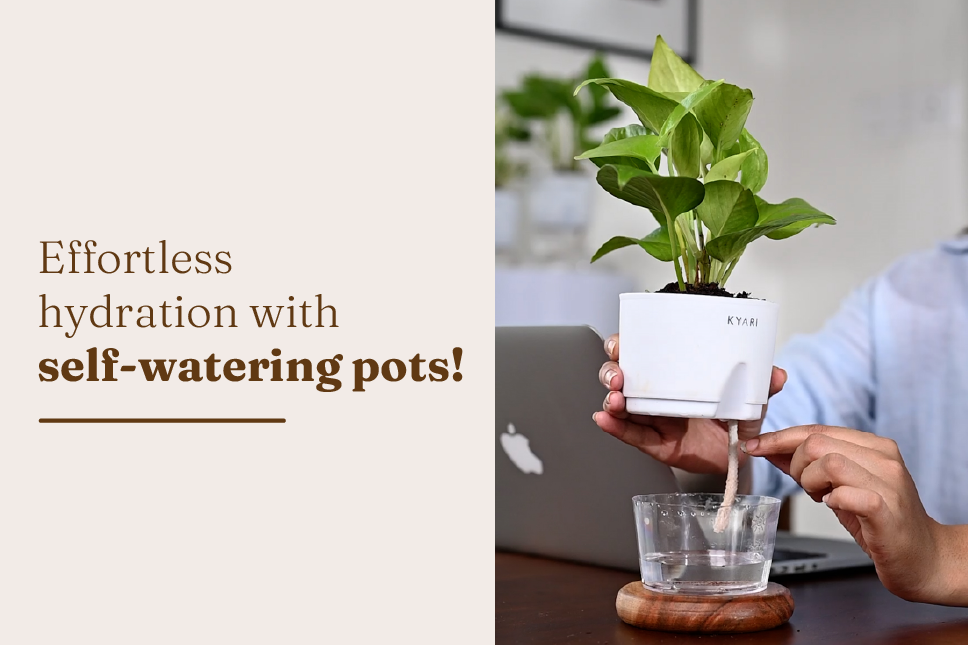
Credit: kyari.co
Frequently Asked Questions
What Is The Disadvantage Of Self-watering Pots?
Self-watering pots risk root rot by keeping soil too wet and can attract mosquitoes. They need specific soil, regular cleaning, and suit only certain plants.
What Plants Do Not Like Self-watering Pots?
Succulents, cacti, and plants needing dry soil dislike self-watering pots. These pots keep soil too wet, causing root rot and poor growth.
How Long Can Plants Go In Self-watering Pots?
Plants can stay in self-watering pots for 1 to 2 weeks without additional watering, depending on plant type and reservoir size.
Do Self-watering Pots Prevent Overwatering?
Self-watering pots reduce overwatering by supplying water gradually. They maintain consistent moisture but can still cause root rot if misused.
Conclusion
Self-watering pots offer convenience and steady moisture to plants. They work well for moisture-loving plants like ferns and African violets. Yet, they may cause root rot if soil stays too wet. Not all plants enjoy constant water. Regular cleaning prevents mold and pest issues.
These pots need special soil to keep roots healthy. Consider your plant type and environment before choosing one. Self-watering pots can help, but use them wisely for best plant health.