Are Grow Bags Reusable: Ultimate Guide to Sustainable Gardening
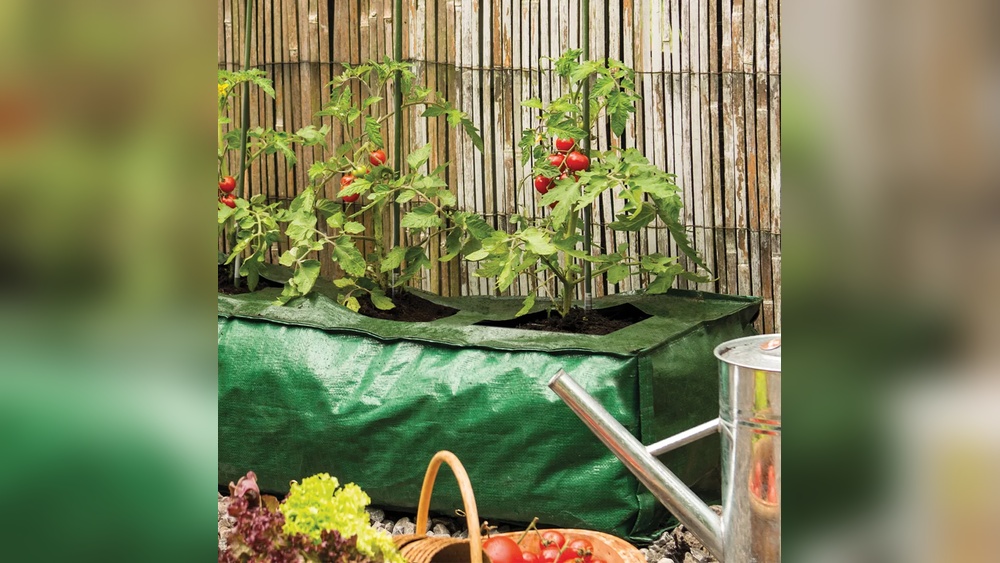
Are you wondering if grow bags can be reused for your garden? If you’ve invested in these handy fabric containers, you probably want to get the most out of them.
After all, who wants to keep buying new bags every season? But before you toss your grow bags into storage, it’s important to understand how durable they really are and what you need to do to keep them in good shape.
You’ll discover whether grow bags are truly reusable, how many times you can use them, and tips to extend their life—all to help you save money and grow healthier plants. Keep reading to find out how to make your grow bags work harder for your garden year after year.
Credit: www.reddit.com
Grow Bags Basics
Grow bags offer a simple and flexible way to grow plants in small spaces. They are popular among gardeners who want to control soil quality and drainage easily. Understanding the basics of grow bags helps in using them effectively and knowing their benefits and limits.
Materials And Types
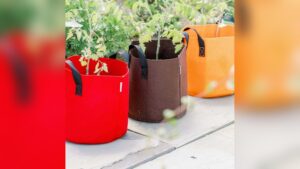
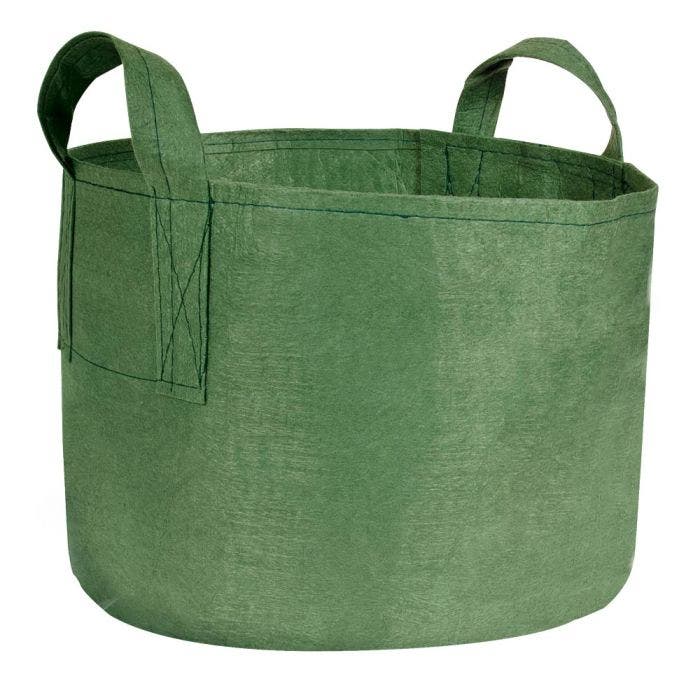
Grow bags come in many materials. The most common are fabric, plastic, and biodegradable types. Fabric grow bags are breathable and allow air to reach roots. Plastic grow bags hold moisture longer but can overheat roots. Biodegradable bags break down in soil, reducing waste. Sizes vary from small to very large, fitting different plants. Some have handles for easy moving, while others are simple sacks. Choosing the right material depends on the plants and growing conditions.
How Grow Bags Work
Grow bags improve root health by allowing air to flow through the sides. This air pruning stops roots from circling inside the container. The fabric also helps drain excess water, preventing root rot. Plants in grow bags often grow faster and stronger. The bags keep soil warmer in cool weather and cooler in heat. Watering needs increase because water evaporates through the fabric. Proper watering and soil mix are key to success with grow bags.

Credit: yourpghlawyer.com
Reusing Grow Bags
Grow bags offer a flexible way to grow plants. Many gardeners want to reuse them to save money and reduce waste. Reusing grow bags depends on how well you clean and care for them after each use. Proper maintenance can extend their life and keep plants healthy.
Cleaning And Maintenance
Clean grow bags after each growing season. Remove all soil and plant roots carefully. Use a mild soap and water solution to wash the bags. Rinse well to remove soap residue. Let the bags dry completely in the sun. Drying helps kill fungi and bacteria. Store them in a dry place to avoid mold and mildew.
Lifespan And Durability
Grow bags last for several seasons if treated well. Fabric quality affects durability. Thick, strong fabric lasts longer than thin material. Exposure to sun and water can weaken bags over time. Handles may tear with heavy use. Avoid dragging bags to keep them intact. Regular inspection helps catch damage early.
Signs To Replace
Replace grow bags if the fabric tears or holes appear. If the bags lose shape or support, it is time to get new ones. Faded or brittle fabric means the material is weak. Bags that hold too much water or dry out too fast need replacement. Damaged handles can make moving bags unsafe. Watch for mold or bad smells that cleaning cannot fix.
Advantages Of Reusing
Reusing grow bags offers many advantages for gardeners. It helps save money and supports eco-friendly gardening. Using grow bags multiple times also benefits plant growth and soil health. These benefits make reusing grow bags a smart choice for anyone growing plants.
Cost Savings
Reusing grow bags reduces the need to buy new ones each season. This lowers gardening costs over time. Grow bags can last for several planting cycles if handled well. Saving money on containers allows more budget for seeds and soil.
Environmental Impact
Using grow bags repeatedly cuts down on plastic waste. Many grow bags are made from fabric that breaks down slowly in landfills. Reusing them means fewer bags end up as trash. This practice helps reduce pollution and conserves resources.
Gardening Benefits
Reusing grow bags improves soil structure inside the bag. Over time, beneficial microbes build up in the fabric. This supports healthier root systems and stronger plants. It also reduces transplant shock since roots adapt to the bag environment.
Common Challenges
Grow bags offer flexibility and good drainage for plants. Yet, gardeners face some common challenges using them. These issues can affect plant health and the bag’s lifespan. Understanding these problems helps in making better use of grow bags.
Rapid Drying Issues
Grow bags are made of breathable fabric. This helps air flow to roots but causes quick water loss. Soil in grow bags dries faster than in plastic pots. Plants need more frequent watering to stay healthy. If soil dries too fast, plants may wilt or die. This can be hard for gardeners to manage, especially in hot weather.
Root Penetration Problems
Roots can grow through the fabric walls of grow bags. This makes transplanting or removing plants difficult. Roots stuck in the fabric may break or damage the plant. Some grow bags use materials that reduce this problem. Still, root penetration can limit the number of times a bag is reused. It also affects root health and plant growth.
Handle And Structural Wear
Grow bags often have handles for easy movement. These handles can tear or weaken over time. Heavy soil and plants put stress on the fabric and stitching. With repeated use, bags may lose shape or develop holes. This reduces their strength and usefulness. Gardeners must check handles and fabric regularly to avoid accidents.
Aesthetic And Practical Factors
Grow bags offer a practical alternative to traditional pots. Their design affects both how they look and how useful they are. Understanding these factors helps gardeners decide if reuse is possible and beneficial. Below, explore key aesthetic and practical points about grow bags.
Visual Appeal
Grow bags usually have a simple and plain look. They come in neutral colors like black or brown. This can make gardens look less vibrant compared to colorful pots. Some gardeners find this style dull or unfinished. Yet, their natural fabric texture can blend well in rustic or natural garden settings. Clean grow bags maintain a tidy appearance, but stains and dirt may show over time.
Mobility And Size Concerns
Grow bags are lightweight when empty. This makes moving them easy at first. Filled with soil and plants, they become heavy and bulky. Large grow bags can be hard to lift or carry. Handles may tear under weight or wear out after several uses. For small spaces or balconies, size and ease of moving are important. Reusing bags depends on careful handling to keep them intact and portable.
Pest And Mold Risks
Grow bags can trap moisture, especially if drainage is poor. This moist environment can attract pests like ants and fungus gnats. Mold may grow on or inside damp bags, harming plants. Regular cleaning and drying help reduce these risks. Using breathable bags with good drainage lowers chances of mold and pests. Reuse requires inspecting bags closely for damage or infestations before planting again.
Credit: www.gardenersedge.com
Environmental Considerations
Environmental considerations play a key role in deciding whether grow bags are reusable. The material and durability of grow bags affect how they impact the planet. Choosing the right type can reduce waste and support eco-friendly gardening. Understanding these factors helps gardeners make smarter, greener choices.
Biodegradable Vs Non-biodegradable
Biodegradable grow bags break down naturally over time. They return to the soil without leaving harmful residues. Non-biodegradable bags last longer but create plastic waste. They can sit in landfills for many years. Using biodegradable options lowers pollution and supports soil health.
Reducing Plastic Waste
Reusing grow bags helps cut down on plastic waste. Many plastic grow bags wear out after a few uses. Proper cleaning and storage extend their life. Reuse means fewer bags end up in trash or oceans. Choosing durable bags also reduces the need for frequent replacements.
Sustainable Gardening Practices
Sustainable gardening means using resources wisely and protecting nature. Grow bags made from natural fibers align well with these goals. Composting old biodegradable bags adds nutrients back to the soil. Combining grow bags with organic soil and mulch supports plant health. This approach reduces waste and conserves water effectively.
Tips For Extending Grow Bag Life
Extending the life of grow bags helps save money and reduce waste. Proper care keeps them strong through many seasons. Small changes in how you use and store grow bags make a big difference. Follow these tips to get the most from your grow bags.
Proper Soil Choices
Use light, well-draining soil to protect the grow bag fabric. Heavy or compacted soil can stress the bag and cause tears. Avoid soil that stays too wet for long periods. Mix in organic matter to improve soil texture and drainage. Healthy soil also helps plants grow better in grow bags.
Watering Techniques
Water grow bags gently and evenly to avoid over-saturation. Too much water can weaken the fabric and cause mold growth. Water early in the day so bags dry by evening. Use a drip system or watering can with a fine rose for better control. Check soil moisture regularly to prevent drying out or waterlogging.
Storage Between Seasons
Clean grow bags thoroughly after use to remove soil and roots. Let them dry completely to stop mold or mildew. Store bags in a cool, dry place away from direct sunlight. Fold or roll bags gently without sharp creases. Proper storage keeps the fabric flexible and ready for the next planting season.
Alternatives To Grow Bags
Grow bags offer many benefits but may not suit every gardener’s needs. Exploring alternatives helps find the best fit for your space and plants. These options provide various advantages in durability, appearance, and ease of use.
Traditional Pots
Traditional pots come in plastic, ceramic, or clay forms. They provide solid structure and last for many years. These pots retain moisture better than grow bags. They also offer a clean, classic look for any garden or balcony. Pots are easy to move and stack for storage. They suit a wide range of plants and growing styles.
Raised Beds
Raised beds create a larger growing area above ground level. They improve drainage and soil quality for healthier plants. Raised beds reduce bending and make gardening easier for all ages. They can be made from wood, stone, or recycled materials. This option works well for vegetables, herbs, and flowers. Raised beds help control weeds and pests better than grow bags.
Other Eco-friendly Containers
Eco-friendly containers include materials like coconut coir, recycled fabric, or biodegradable plastics. These options reduce waste and environmental impact. They often break down naturally after use or can be composted. Some offer similar breathability to grow bags but last longer. Choosing eco-friendly containers supports sustainable gardening practices. These containers come in various sizes and shapes for all plants.
Frequently Asked Questions
How Many Times Can You Reuse Grow Bags?
You can reuse grow bags 2 to 3 seasons with proper cleaning and drying. Replace them if damaged or moldy.
What Are The Disadvantages Of Grow Bags?
Grow bags dry out quickly, needing frequent watering. They wear out after a few seasons. Roots may grow through fabric, and large bags can be heavy to move. Some lack aesthetic appeal and aren’t always eco-friendly, contributing to plastic waste.
Can You Reuse A Grow Bag?
Yes, you can reuse grow bags several times if cleaned and stored properly. They last about 2-3 growing seasons.
Are Plant Grow Bags Reusable?
Yes, plant grow bags are reusable for several growing seasons if cleaned and stored properly. Avoid fabric damage for longer use.
Conclusion
Grow bags can be reused but only for a few seasons. Their fabric wears down and may tear over time. Proper cleaning helps extend their life span. Watch for root growth through the fabric when reusing. They dry out faster, so watering needs increase each time.
Choose biodegradable bags for a greener option. Overall, reuse is possible but expect some wear and tear. This helps reduce waste and saves money in gardening. Keep these points in mind for better grow bag use.