Difference Vermiculite Perlite: Key Benefits You Must Know
When it comes to improving your garden or indoor plants, you’ve probably heard about vermiculite and perlite. But which one should you choose?
Understanding the difference between vermiculite and perlite can make a huge impact on your plants’ health and growth. You want your soil to have the right balance of moisture, aeration, and nutrients, and both of these materials play unique roles in achieving that.
You’ll discover how vermiculite and perlite differ, when to use each one, and how they can help you create the perfect environment for your plants to thrive. Keep reading, and you’ll never second-guess your soil mix again!
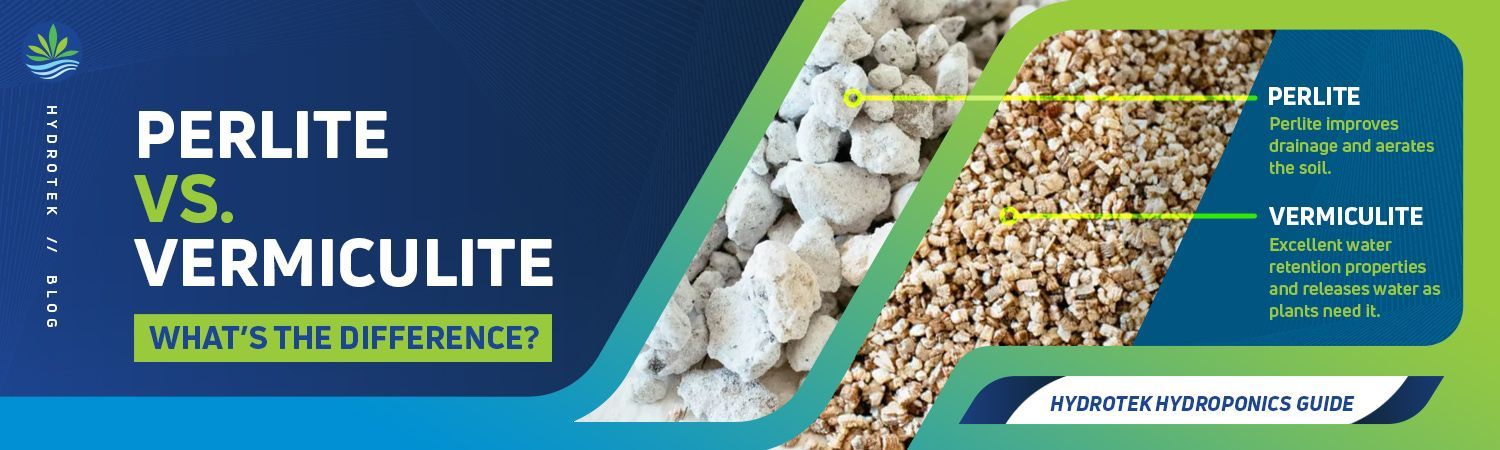
Credit: www.hydrotekhydroponics.com
Perlite And Vermiculite Basics
Understanding the basics of perlite and vermiculite helps gardeners choose the right soil amendment. Both materials improve soil conditions but serve different purposes. Each has unique features that affect plant growth and soil health.
Physical Characteristics
Perlite is a white, lightweight volcanic glass. It looks like small, round, and porous balls. Vermiculite appears as shiny, brownish flakes that expand when heated. It feels soft and spongy to touch. These differences affect how each interacts with soil.
Water Retention Properties
Perlite holds less water but improves drainage and aeration. It prevents soil from becoming too wet. Vermiculite absorbs and retains more water. It keeps soil moist longer, which benefits plants needing steady moisture. Knowing this guides proper watering practices.
Nutrient Content
Perlite contains almost no nutrients. Its main role is to improve soil structure. Vermiculite holds some nutrients like potassium, calcium, and magnesium. It slowly releases these nutrients to plants. This makes vermiculite useful for feeding plants naturally.
Soil Impact And Plant Compatibility
The impact of vermiculite and perlite on soil quality and plant health varies significantly. These materials influence soil structure, moisture, and nutrient availability. Choosing the right one depends on the plants you grow and the soil conditions you want to achieve.
Understanding how each affects soil pH and which plants thrive with each helps gardeners make better decisions. Some plants prefer well-drained soils, while others need more moisture retention. Knowing these differences improves plant growth and health.
Effect On Soil Ph
Both vermiculite and perlite have a neutral pH, usually between 6.5 and 7.5. They do not change the soil’s acidity or alkalinity. Vermiculite can hold more water and nutrients, which slightly affects nutrient availability. Perlite improves soil aeration but holds less water, keeping soil drier.
Neutral pH means these amendments suit most plants. They help maintain balanced soil conditions without causing pH stress. Choosing between them depends more on moisture needs than pH impact.
Best Plants For Perlite
Perlite is ideal for plants needing excellent drainage. Succulents and cacti grow well in perlite-rich soil. It prevents waterlogging and root rot by improving airflow. Orchids and other epiphytic plants also benefit from perlite’s light, airy texture.
Plants like rhododendrons and azaleas prefer perlite mixes. These plants dislike wet roots and thrive in loose, well-draining soil. Perlite supports healthy root systems for such plants.
Plants Sensitive To Perlite
Some plants react poorly to perlite due to its dryness and lack of nutrients. Spider plants, peace lilies, and dracaenas may suffer in perlite-heavy soil. These plants prefer consistently moist, nutrient-rich environments.
Prayer plants and Easter lilies also dislike dry soil conditions. Using vermiculite instead helps retain moisture and nutrients for sensitive plants. Avoid perlite if your plants need steady water supply and rich soil.
Benefits And Drawbacks
Choosing between vermiculite and perlite depends on their benefits and drawbacks. Both materials improve soil but serve different purposes. Understanding their strengths and weaknesses helps pick the right one for your plants. Below is a breakdown of each.
Advantages Of Perlite
- Improves soil aeration by creating air pockets.
- Drains water quickly, preventing root rot.
- Lightweight and easy to mix with soil.
- Does not decompose, so it lasts long in soil.
- Neutral pH, safe for most plants.
Disadvantages Of Perlite
- Fine dust can irritate lungs; dampen before use.
- Does not retain water well; may dry out soil fast.
- Lightweight particles may blow away in wind.
- Offers no nutrients to plants.
- May clog roots in dense hydroponic systems.
Advantages Of Vermiculite
- Holds water well, keeping soil moist longer.
- Improves soil aeration and nutrient retention.
- Contains minerals beneficial for plant growth.
- Helps seeds germinate by maintaining moisture.
- Neutral pH and safe for most plants.
Disadvantages Of Vermiculite
- Can hold too much water, causing poor drainage.
- Heavier than perlite, which may affect soil texture.
- Breaks down over time, needing replacement.
- May compact in soil, reducing air flow.
- Not ideal for plants that prefer dry soil.
:max_bytes(150000):strip_icc()/SPR-vermiculite-vs-perlite-6455754-hero-1a2d3e14e0584fbaa4a990ebef1d494b.jpg)
Credit: www.thespruce.com
Handling And Environmental Considerations
Handling vermiculite and perlite requires care due to their physical properties and environmental effects. Both materials come from natural minerals but differ in how they impact health and the environment. Understanding their safety and sustainability helps gardeners and growers make better choices for their plants and the planet.
Dust And Safety Measures
Perlite produces fine dust that can irritate lungs and eyes. Wearing a mask and goggles is important when handling dry perlite. Wetting perlite before use reduces dust and makes it safer to work with. Vermiculite also creates dust, but it is less irritating than perlite. Gloves can protect skin from irritation when using either material.
Environmental Impact Of Mining
Both vermiculite and perlite are mined from the earth. Mining can disturb land and wildlife habitats. Perlite mining usually requires more energy due to the heating process needed to expand the mineral. Vermiculite mining can release asbestos if not carefully controlled, posing health risks. Choosing products from responsible mines helps reduce environmental harm.
Sustainability Factors
Vermiculite and perlite are natural and non-toxic but are non-renewable resources. Using recycled or reclaimed materials can improve sustainability. Both materials last long in soil, reducing the need for frequent replacement. Combining them with organic matter supports soil health and reduces environmental impact. Small-scale use and proper disposal also protect the environment.
Applications In Gardening And Hydroponics
Vermiculite and perlite play important roles in gardening and hydroponics. Both improve soil structure but serve different purposes. Their unique properties influence how gardeners and growers use them. Understanding these applications helps in choosing the right material for specific plant needs.
Use In Potting Mixes
Perlite improves drainage and aeration in potting mixes. It prevents soil compaction and allows roots to breathe. Vermiculite holds water and nutrients, making them available to plants longer. Mixing vermiculite with soil helps retain moisture, ideal for plants needing steady hydration. Combining both can create balanced mixes with good drainage and water retention.
Seed Germination Benefits
Vermiculite is excellent for seed germination. It keeps seeds moist without waterlogging. Its fine texture supports delicate roots and reduces transplant shock. Perlite also aids germination by providing air space around seeds. It dries faster, preventing fungal growth. Using vermiculite or perlite depends on seed type and moisture needs.
Hydroponic System Suitability
Perlite suits hydroponic systems well due to its lightweight and porous nature. It holds air and drains excess water quickly. Vermiculite retains too much moisture, which can cause root rot in hydroponics. Perlite supports healthy root oxygen levels, essential in soilless growth. Choosing perlite helps maintain a balanced environment for hydroponic plants.
Choosing Between Perlite And Vermiculite
Choosing between perlite and vermiculite depends on your plants’ needs and growing conditions. Both materials improve soil but serve different purposes. Understanding their differences helps you pick the right one. This choice affects plant health, growth, and soil quality.
Climate Considerations
Perlite suits dry, hot climates because it drains water quickly. It prevents soil from becoming soggy. Vermiculite works well in cooler, moist climates since it holds water longer. It keeps soil damp and cool. Choose perlite for desert-like areas. Use vermiculite in places with frequent rain or humidity.
Moisture Requirements
Perlite is ideal for plants needing well-drained soil. It allows excess water to escape easily. Vermiculite retains moisture for plants that need constant water supply. It helps prevent soil from drying out fast. Pick perlite if roots need air and less water. Opt for vermiculite if plants require steady moisture.
Plant Growth Stages
Seedlings benefit more from vermiculite because it holds water and nutrients close. It supports delicate roots during early growth. Mature plants often prefer perlite for better root aeration. It prevents soil compaction as roots expand. Use vermiculite for germination and young plants. Switch to perlite as plants grow bigger and need more air.

Credit: www.youtube.com
Frequently Asked Questions
Which Is Better Perlite Or Vermiculite?
Perlite improves soil aeration but drains quickly. Vermiculite retains more water and nutrients. Choose perlite for dry conditions and vermiculite for moisture-loving plants. Both have neutral pH and serve different gardening needs effectively.
Which Plants Do Not Like Perlite?
Plants sensitive to fluoride dislike perlite. Avoid using it with spider plants, dracaena, peace lilies, prayer plants, and freesia.
Do I Need Both Perlite And Vermiculite?
You don’t always need both perlite and vermiculite. Use perlite for aeration and drainage. Choose vermiculite to retain moisture and nutrients. Combining them benefits some plants but isn’t necessary for all. Select based on your plant’s specific water and soil needs.
What Are The Downsides Of Perlite?
Perlite produces dust that can irritate lungs, is lightweight and may blow away, retains little water and nutrients, and can clog hydroponic pores. It offers no nutrients, may raise soil pH slightly, and mining it raises environmental concerns.
Conclusion
Vermiculite and perlite both improve soil but serve different roles. Vermiculite holds water well, helping plants stay moist. Perlite offers better aeration and drainage, preventing root rot. Choosing depends on your plant’s needs and climate. Use vermiculite for water-loving plants and perlite for succulents or dry conditions.
Mixing them can balance moisture and air in soil. Understanding these differences helps your garden grow healthy and strong. Simple knowledge leads to better plant care and success.