Is Perlite And Vermiculite the Same Thing? Key Differences Explained
Are you confused about whether perlite and vermiculite are the same thing? If you’ve ever shopped for gardening supplies or looked into soil amendments, you might have stumbled upon these two materials and wondered how they differ.
Understanding the difference between perlite and vermiculite can make a huge impact on the health of your plants. Choosing the wrong one could lead to overwatering, root problems, or poor plant growth. You’ll discover what sets perlite and vermiculite apart, when to use each, and how to pick the best option for your garden or indoor plants.
Keep reading to make sure your plants get exactly what they need to thrive!
Credit: www.gardening4joy.com
Origins And Composition
Understanding the origins and composition of perlite and vermiculite helps reveal their unique properties. Both are natural minerals used in gardening and construction. Their formation processes create differences in texture and function. This knowledge aids in choosing the right material for your needs.
Formation Of Perlite
Perlite is a volcanic glass formed from rapid cooling of lava. It contains high levels of silica. When heated, it expands and becomes lightweight and porous. This expansion creates tiny air pockets that improve soil aeration and drainage. Perlite’s structure makes it ideal for mixing with potting soil.
Formation Of Vermiculite
Vermiculite is a mineral formed from the weathering of mica. It has a layered, sheet-like structure. When heated, it expands like an accordion, creating a spongy texture. Vermiculite holds water and nutrients well, making it excellent for moisture retention. Its composition differs from perlite, giving it unique gardening uses.
Physical Characteristics
The physical characteristics of perlite and vermiculite play a key role in their use for gardening and horticulture. Understanding these traits helps you choose the right material for your plants. Both materials improve soil but have distinct differences in how they look and feel, as well as how they hold water.
Appearance And Texture
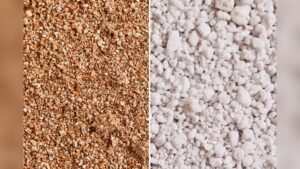
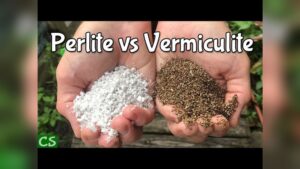
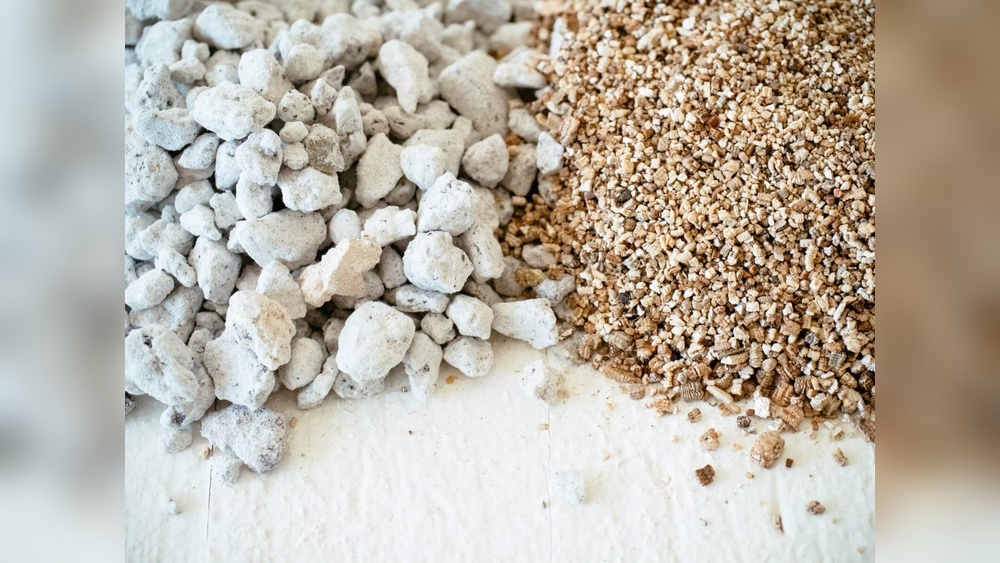
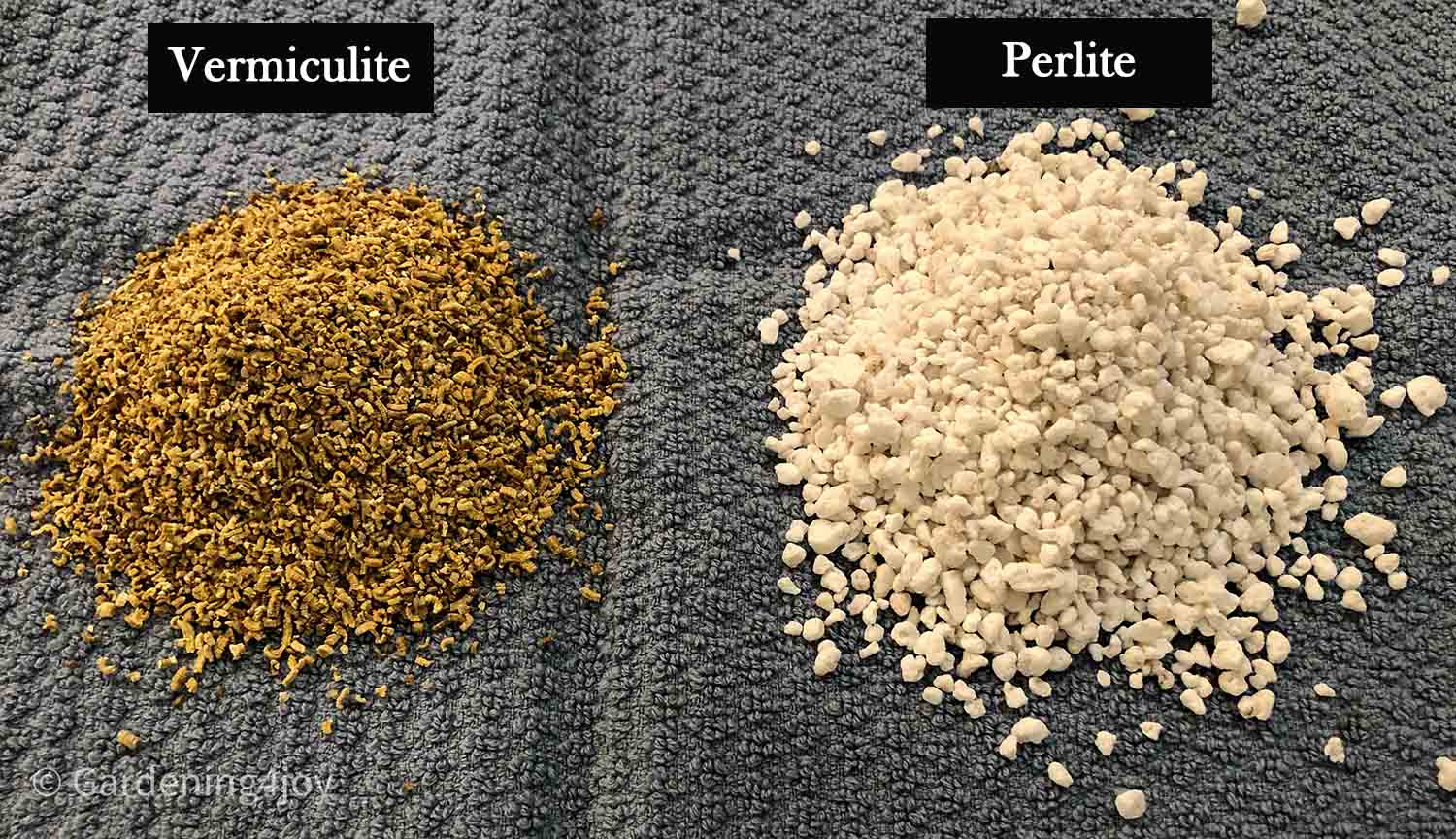
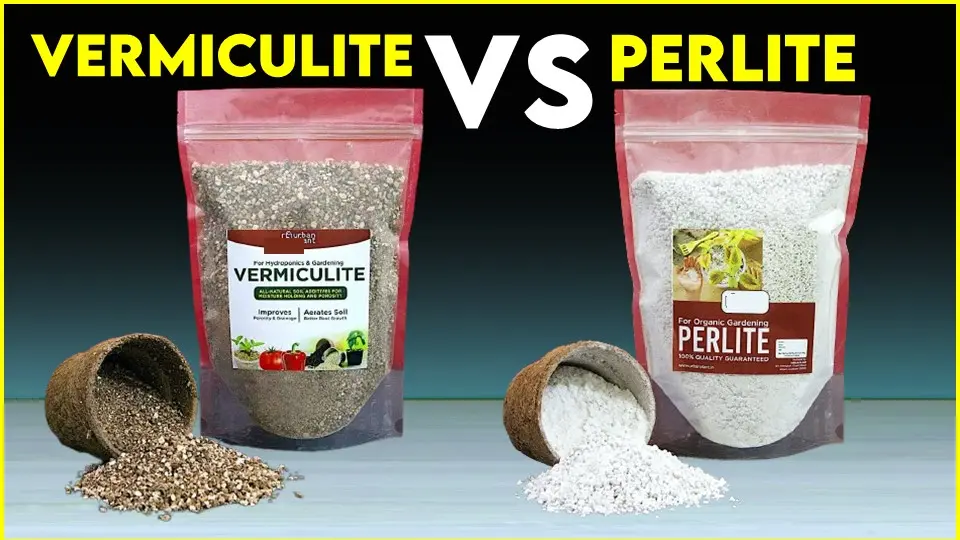
Perlite looks like small, white, lightweight balls. It has a rough, porous surface. These tiny beads come from volcanic glass that is heated until it expands. Perlite feels gritty and coarse to the touch. It is very light and airy, making it easy to mix into soil.
Vermiculite appears as shiny, brown to golden flakes. It has a layered, accordion-like structure. These flakes are soft and lightweight, but feel smooth and spongy. Vermiculite comes from mica minerals that expand when heated. Its texture is more delicate than perlite.
Water Retention Properties
Perlite holds water on its surface but drains quickly. It does not absorb much water inside. This feature helps soil stay aerated and prevents waterlogging. Perlite is ideal for plants that need good drainage and oxygen at roots.
Vermiculite absorbs water and nutrients like a sponge. It holds moisture for a long time and releases it slowly to plant roots. This makes vermiculite excellent for plants needing consistent moisture. It also improves soil aeration but retains more water than perlite.
Benefits For Plants
Both perlite and vermiculite offer unique benefits for plant growth. These soil additives improve the environment around roots and help plants thrive. Understanding their specific advantages helps gardeners choose the right material for their plants.
Aeration And Drainage
Perlite creates air pockets in the soil. These pockets allow roots to breathe and avoid suffocation. It also improves drainage by letting excess water flow out quickly. This prevents waterlogging and root rot. Vermiculite holds less air but still helps loosen heavy soils.
Nutrient And Moisture Retention
Vermiculite absorbs water and nutrients well. It slowly releases moisture to plant roots, keeping them hydrated longer. This is helpful for plants that need steady moisture. Perlite holds little water but helps keep soil light and fluffy. Together, they balance moisture and air for healthy root growth.
Best Plant Matches
Choosing between perlite and vermiculite depends on the plants you want to grow. Both improve soil but serve different needs. Knowing which plants benefit from each helps you create the perfect growing environment. Here are the best plant matches for perlite and vermiculite.
Plants That Thrive With Perlite
Perlite is ideal for plants that need excellent drainage and aeration. It keeps soil light and prevents waterlogging. Succulents, cacti, and orchids love perlite because it allows their roots to dry quickly. Tomatoes and peppers also grow well with perlite, as they prefer well-drained soil. Perlite is great for seed starting mixes too, ensuring young roots get enough oxygen.
Plants That Prefer Vermiculite
Vermiculite holds moisture and nutrients better than perlite. Plants that need steady moisture benefit from vermiculite. Ferns and African violets grow well in vermiculite-rich soil. It suits plants like begonias, peace lilies, and some tropical species. Vermiculite helps these plants by keeping roots moist without becoming soggy. Seedlings also thrive with vermiculite as it supports even moisture distribution.
Plants To Avoid With Vermiculite
Vermiculite retains too much water for drought-tolerant plants. Avoid using it for cacti, succulents, agave, and aloe vera. These plants need fast-draining soil to prevent root rot. Also, Mediterranean herbs that prefer dry soil do not do well with vermiculite. Using vermiculite in these cases can cause soggy roots and poor growth. For such plants, perlite or pumice is a better choice.
Usage In Gardening
Perlite and vermiculite are popular materials in gardening. Both improve soil but serve different roles. Understanding their use helps gardeners choose the right one for their plants. Their unique qualities affect soil structure, moisture, and aeration.
Soil Amendment Techniques
Perlite adds air spaces to soil. This improves drainage and prevents compaction. Vermiculite holds water and nutrients, releasing them slowly to plants. Mixing perlite creates light, fluffy soil. Adding vermiculite helps retain moisture in sandy or poor soils.
Gardeners often blend both materials for balanced soil. Perlite suits plants needing quick drainage. Vermiculite suits moisture-loving plants. Using them correctly supports healthy root growth and plant vigor.
Seed Starting And Propagation
Perlite is excellent for seed starting. It keeps soil airy and prevents waterlogging. Seeds get enough oxygen and moisture, improving germination rates. Vermiculite holds more water, keeping seed trays moist longer. It also protects delicate roots during transplanting.
Both materials create sterile, lightweight media for seedlings. Perlite favors plants needing fast root development. Vermiculite benefits plants sensitive to drying out. Choosing depends on seed type and moisture needs.
Indoor Vs Outdoor Applications
Perlite works well indoors due to its drainage properties. It prevents root rot in potted plants. Outdoors, it improves garden soil texture. Vermiculite is useful indoors for moisture-loving plants. It helps keep humidity high near roots.
Outdoors, vermiculite aids in water retention during dry spells. It also improves nutrient availability. Selecting perlite or vermiculite depends on climate, plant type, and watering habits. Both have unique strengths for different gardening settings.
Environmental And Safety Considerations
Understanding the environmental and safety aspects of perlite and vermiculite is crucial for gardeners and growers. Both materials serve important roles in soil conditioning but differ in their origins and effects on plants and the environment. Awareness of these factors helps in making responsible choices that protect plants and nature alike.
Sourcing And Sustainability
Perlite is a natural volcanic glass. It expands when heated, creating a lightweight material. Mining perlite can disturb the earth and local habitats. Responsible mining practices reduce environmental damage. Vermiculite comes from mica minerals. It also expands with heat, forming a soft, absorbent material. Vermiculite mining may release dust that contains small amounts of asbestos. Many suppliers test vermiculite to ensure safety. Sustainable sourcing means choosing products with minimal environmental impact. Look for suppliers who follow eco-friendly mining and processing methods.
Potential Risks For Plants
Perlite is generally safe for most plants. It improves soil aeration and drainage. However, it can dry out quickly in hot climates. Vermiculite holds water well, which benefits moisture-loving plants. Too much vermiculite may cause overwatering issues. This can lead to root rot, especially in plants needing dry soil. Some plants dislike vermiculite’s moisture retention. Examples include cacti, succulents, agave, and aloe vera. Choosing the right material depends on the plant’s water needs and soil preferences.
Cost And Availability
Cost and availability play a big role in choosing between perlite and vermiculite. Both materials serve as soil amendments but differ in price and how easy they are to find. These factors can affect your gardening budget and project timeline.
Cost Of Perlite
Perlite is usually less expensive than vermiculite. It is mined and processed in large quantities. This makes it widely available and affordable for most gardeners. Buying in bulk lowers the price even more.
Cost Of Vermiculite
Vermiculite tends to cost more because it requires more processing. It is mined from fewer locations. This limits supply and raises the price. Small bags are common but cost more per pound.
Availability Of Perlite
Perlite is easy to find in garden stores and online. It is popular for potting mixes and seed starting. Most local nurseries keep perlite in stock year-round.
Availability Of Vermiculite
Vermiculite is less common than perlite but still available. Some stores may carry it only seasonally. Online retailers often have a wider selection and better prices.
Credit: timesofagriculture.in
Substitution Tips
Substituting perlite and vermiculite in your gardening projects can be tricky. Both serve to improve soil, but they behave differently. Knowing when to swap one for the other helps your plants thrive. Use these tips to make smart choices that fit your plants’ needs and soil conditions.
When To Use Perlite Instead Of Vermiculite
Choose perlite if your plants need fast drainage and aeration. It keeps the soil light and prevents waterlogging. Perlite is ideal for cacti, succulents, and other drought-tolerant plants. It also works well in seed starting mixes where excess moisture can harm seeds. Use it when you want soil to dry quickly between watering sessions.
When To Use Vermiculite Instead Of Perlite
Vermiculite suits plants that like moisture and nutrients. It holds water well and slowly releases it to roots. Use vermiculite for seedlings, ferns, and moisture-loving plants. It helps in soil mixes that need to retain humidity. Choose vermiculite when your soil dries out too fast or lacks nutrients.
:max_bytes(150000):strip_icc()/SPR-vermiculite-vs-perlite-6455754-hero-1a2d3e14e0584fbaa4a990ebef1d494b.jpg)
Credit: www.thespruce.com
Frequently Asked Questions
What Plants Do Not Like Vermiculite?
Plants that dislike vermiculite include cacti, succulents, agave, aloe vera, and some Mediterranean herbs. They need fast-draining soil. Vermiculite retains too much moisture, causing root rot risks. Use perlite, pumice, or sandy soil instead for better drainage and healthier growth.
Can I Substitute Perlite For Vermiculite?
Perlite can substitute vermiculite but offers better drainage and aeration. Vermiculite retains more moisture, ideal for moisture-loving plants. Choose perlite for drought-tolerant plants to prevent root rot. Use based on your plant’s water needs and soil drainage preference.
Do I Need Both Perlite And Vermiculite?
You don’t always need both perlite and vermiculite. Use perlite for drainage and aeration, vermiculite for moisture retention. Choose based on your plants’ needs.
When Not To Use Perlite?
Avoid using perlite in water-sensitive plants or dense clay soils, as it may cause poor moisture retention and nutrient leaching.
Conclusion
Perlite and vermiculite are not the same. Each has unique uses in gardening. Perlite improves drainage and aeration. Vermiculite holds water and nutrients well. Choose perlite for plants needing dry soil. Use vermiculite for plants that like moisture. Understanding their differences helps your plants grow healthy.
Use the right soil amendment for the best results. Simple choices make gardening easier and more successful.